National Candy Cane Day is on December 26, and while that doesn’t mean it’ll keep us from munching on the sugary sticks as early as Thanksgiving, it does give us a chance to indulge as much as we can before New Year’s. With the beginning of the 17th-century Germany, these sweet treats were curved to represent the shepherds’ crooks. They later made their way to the United States in the mid-19th century. Now we see them everywhere, even on trees.
Kevin and I met in a club 25 years ago. He was with a couple of friends, who were friends with my friends. After a couple of drinks, we got into a conversation. When I was ready to go home, he gave me a ride to my apartment. Since he knew where I worked, he had shown up the next day. Usually, I don’t give out my phone number unless someone asks for it or I ask for theirs. But when Kevin was standing in front of me, I said, “Dude, I forgot to give you my number last night. If you want to hang out, give me a call. Maybe we can do something for Christmas together.” Kevin agreed, folded the note, and left. The same night, he called me. And we were talking over a beer in a bar.
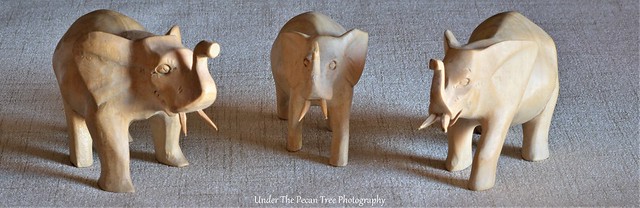
The next day was Christmas Eve. I was on vacation leave for the remaining days of the year. Months ago, a friend of mine and I planned a small Christmas dinner for the night before Christmas. I asked her if it was okay if I brought a friend over. She said: “Well, it’s Christmas. Nobody should celebrate this special holiday alone.” Kevin picked me up from home. When I sat in the car and we talked a little, he opened the glove box and handed me a small present. I shook it to hear what might be in there. Kevin screamed: “NOOOOOOOOOOO!” Later on, I found out why he did that. Well, the little elephant lost part of its trunk when I shook the little box. Even when the elephant doesn’t look perfect anymore. But it is a story worth talking about. It was very sweet of him since we had known each other for a couple of days. It was the first gift I got from Kevin. I still treasure these three wooden elephants to this very day.
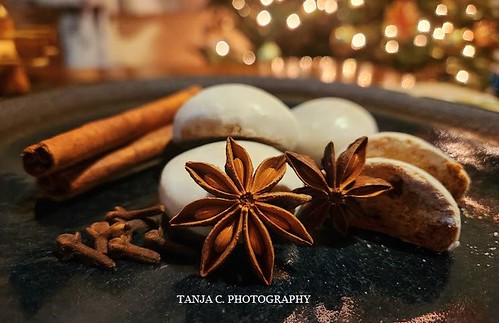
Pfeffernüsse, known as ‘pepernoten’ or peppernuts, originated from Central Europe. A confectioner from Offenbach am Main, named Johann Fleischmann, is believed to have created the recipe in 1753. Since then, the cookie has become very popular, attracting the interest of many people, including renowned individuals like Felix Mendelssohn.
Germany, Denmark, and the Netherlands are the countries most popularly known for this delicacy. In North America, the ethnic Mennonites are also very fond of pfeffernüsse. Today, the recipe is widely available, and the cookie is widely consumed worldwide. However, pfeffernusse is traditionally reserved for the holiday period, around December. This is in keeping with the tradition of its origins, as the cookie has been associated with the celebration of Saint Nicholas Day and Christmas.
The traditional recipe consists of nutmeg, cinnamon, cloves, ginger, black pepper, mace, anise, sugar, butter, eggs, and flour. Popular nuts such as walnuts and almonds are also used to give the cookie some flavor. Leavening agents are applied to the mixture, kneaded, and then baked. They usually come out hard from the oven, but would soften after a few days. Also, they are tiny and are sometimes shaped like nuts, which is probably why they are called peppernuts. Nowadays, bakers make alterations to this recipe to include some other ingredients or remove some existing ones. While they generally have a spicy taste, you can easily adjust the spice you want. On National Pfeffernüsse Day, homemade peppernuts are made available for the family and guests.
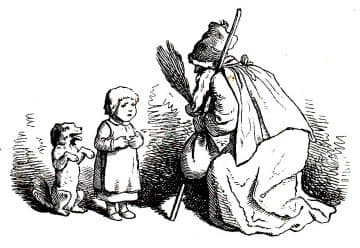
In German folklore, Knecht Ruprecht, which translates as Farmhand Rupert or Servant Rupert, is a companion of Saint Nicholas and is possibly the most familiar. Tradition holds that he was a man with a long beard, wearing fur, or covered in pea straw. Knecht Ruprecht sometimes carried a long staff and a bag of ashes and wore little bells on his clothes.
According to tradition, Knecht Ruprecht asks children whether they know their prayers. If they do, they receive apples, nuts, and gingerbread. If they do not, he beats the children with his bag of ashes. In other (presumably more modern) versions of the story, Knecht Ruprecht gives naughty children gifts such as lumps of coal, sticks, and stones, while well-behaved children receive sweets from Saint Nicholas. He can also be known to give naughty children a switch (stick) in their shoes instead of candy, fruit, or nuts, in the German tradition.
Ruprecht was a common name for the devil in Germany, and Grimm states that “Robin fellow is the same home-sprite whom we in Germany call Knecht Ruprecht and exhibit to children at Christmas …” Knecht Ruprecht first appears in written sources in the 17th century, as a figure in a Nuremberg Christmas procession.
According to Alexander Tille, Knecht Ruprecht represented an archetypal manservant, “and has exactly as much individuality of social rank and as little personal individuality as the Junker Hanns and the Bauer Michel, the characters representative of country nobility and peasantry respectively.” Tille also states that Knecht Ruprecht originally had no connection with Christmastime.
Ruprecht sometimes walks with a limp because of a childhood injury. Often, his black clothes and dirty face are attributed to the soot he collects as he goes down chimneys. In some of the Ruprecht traditions, the children would be summoned to the door to perform tricks, such as a dance or singing a song, to impress upon Santa and Ruprecht that they were indeed good children. Those who performed badly would be beaten soundly by Servant Ruprecht, and those who performed well were given a gift or some treats. Those who performed badly enough or had committed other misdeeds throughout the year were put into Ruprecht’s sack and taken away, variously to Ruprecht’s home in the Black Forest to be consumed later or to be tossed into a river. In other versions, the children must be asleep and would awake to find their shoes filled with either sweets, coal, or, in some cases, a stick.
◊◊◊◊◊
Krampus is a terrifying figure found in parts of Austria, Bavaria, South Tyrol, Slovenia, and Croatia, most probably originating in the Pre-Christian Alpine traditions. In Tyrol, he is also called “Tuifl”.
The Feast of Saint Nicholas is celebrated in parts of Europe on December 6. On the preceding evening, Krampusnacht, the wicked, hairy devil, appears on the streets. He sometimes accompanies St. Nicholas. However, Krampus will at times be on his own, visiting homes and businesses. Saint Nicholas dispenses gifts, while Krampus supplies coal and bundles of birch branches.
Europeans have been exchanging Krampuskarten, greeting cards featuring Krampus, since the 1800s. A Krampuslauf is a run of celebrants dressed as the beast and is still quite popular; many of the participants are fortified with schnapps. Over 1200 “Krampus” gather in Schladming, Styria, from all over Austria wearing goat-hair costumes and carved masks, carrying bundles of sticks used as switches and swinging cowbells to warn of their approach. In the past few decades, village Krampus associations have paraded without St. Nicholas at Krampus events throughout late November and early December.
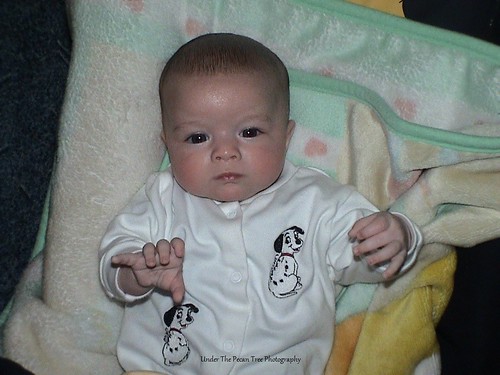
Christmas 2003 was bittersweet. It was Katelynn’s first Christmas, but it was also our last Christmas in Germany.
🎅🎄🎅🎄🎅🎄🎅🎄🎅🎄🎅🎄🎅🎄🎅🎄🎅🎄🎅🎄🎅🎄🎅🎄🎅🎄🎅🎄🎅🎄🎅🎄🎅🎄🎅🎄
2004
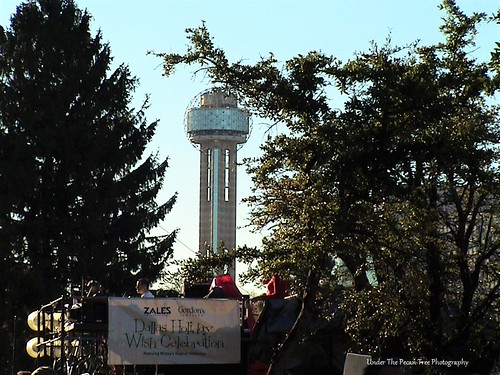
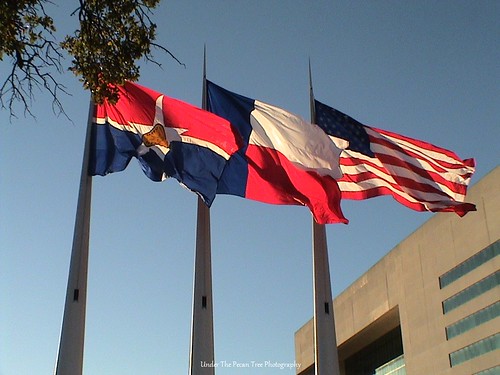
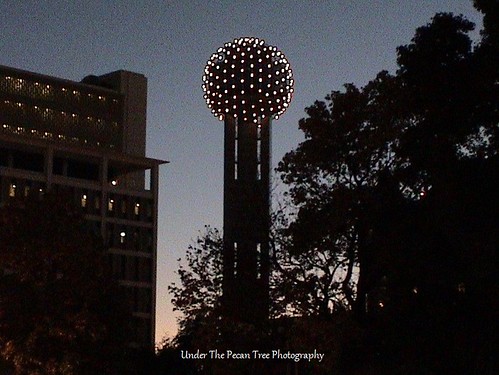
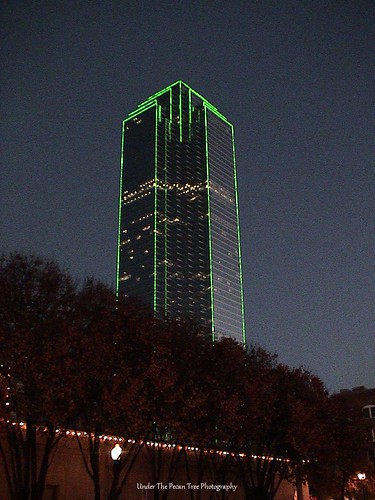
In December 2004, we had a Dallas Holiday Wish Celebration. The Beach Boys had a concert, and even Mickey, Minnie, Donald, Goofy, and Pluto came to visit and sing and dance in front of Dallas City Hall. I have it all on videotape footage and didn’t capture too many event photos.
🎅🎄🎅🎄🎅🎄🎅🎄🎅🎄🎅🎄🎅🎄🎅🎄🎅🎄🎅🎄🎅🎄🎅🎄🎅🎄🎅🎄🎅🎄🎅🎄🎅🎄🎅🎄
2005
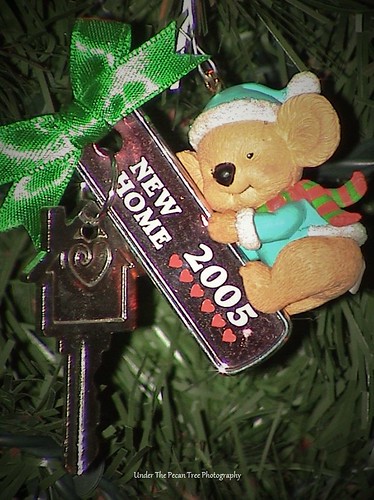
In 2005, we bought our house in Texas. The same year, we celebrated Christmas/Yuletide in our new home.
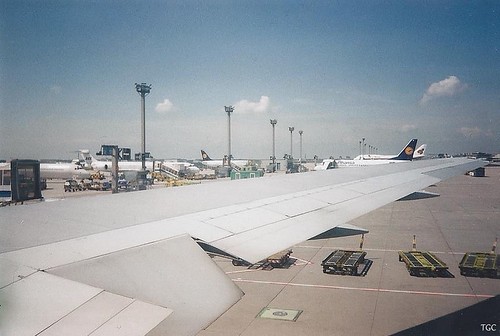
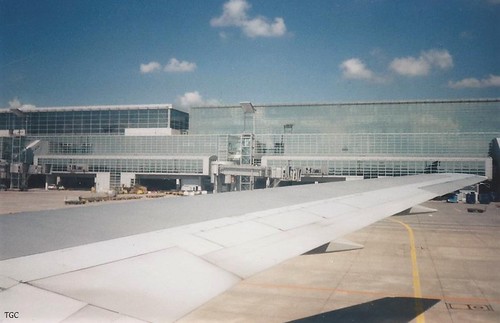
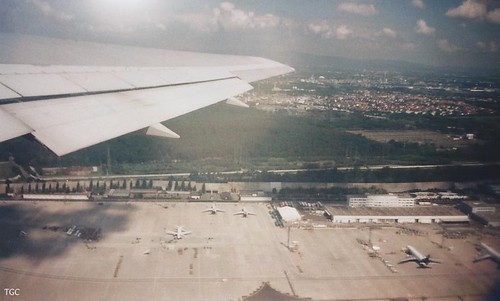
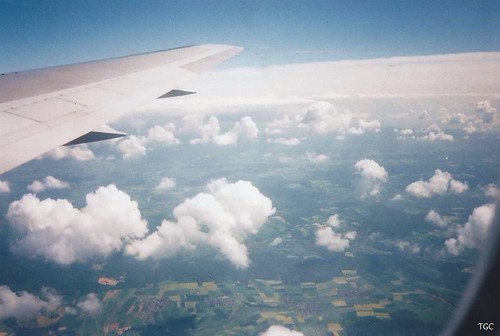
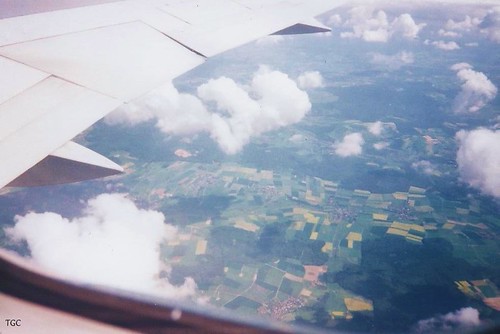
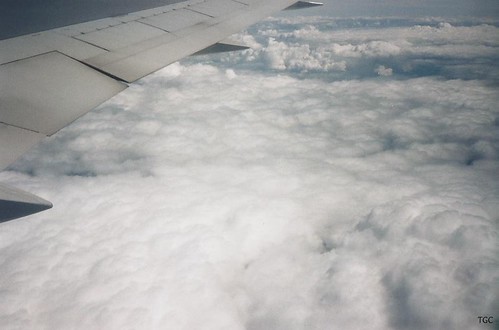
In 2002, Kevin and I married in Germany. Since he wanted to introduce me to his family, we got airplane tickets a month before our wedding. In May, we flew from Frankfurt to Charlotte, North Carolina. In Charlotte, we had to take another flight to Atlanta, Georgia. There, Kevin’s brother and our sister-in-law picked us up from the airport and drove us back to North Carolina. Staying in Charlotte would have been too expensive. So, we had to make a little tour through the South. Shortly before midnight (local time), we finally arrived at Kevin’s parents’ house. It was a long day. And after a little chat, we were all ready to go to sleep.
Lake Constance is a lake that borders Switzerland, Germany, and Austria and occupies an old glacier basin at an elevation of 1,299 feet (396 m). It has an area of 209 square miles (541 square km) and is approximately 40 miles (65 km) long and up to 8 miles (13 km) wide, with an average depth of 295 feet (90 m) and a maximum depth of 827 feet (252 m). It has about 125 miles (200 km) of shoreline. In the west, near Konstanz (Constance), it is divided by the Bodan mountain ridge into two parts: the Untersee (south) and the Überlinger Lake (north). The lake’s main body, southeast of Konstanz, is called the Ober Lake. The lake forms part of the course of the Rhine River, which enters it in the southeast near Bregenz and leaves it at the west via the Unter Lake. The island of Mainau is north of Konstanz in the Überlinger Lake, and the island of Reichenau is west of the city in the Unter Lake. Konstanz itself is a “political island,” for it is the only part of Germany on the lake’s southwestern shore; it is entirely surrounded by Swiss territory, except on the northeast, where it fronts on the lake.
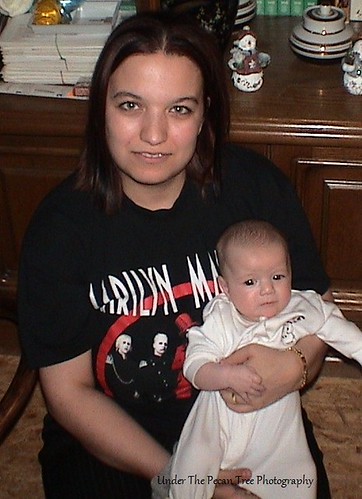
On September 1, 2001, Marilyn Manson was live in concert at the “Rock am See” Festival in Konstanz. Since the concert was on Labor Day weekend, I took a few days off work, got the tickets, and planned the trip down to Lake Constance.
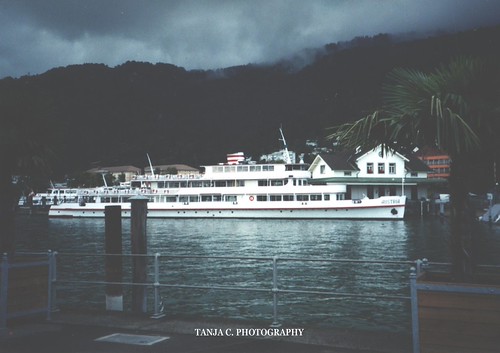
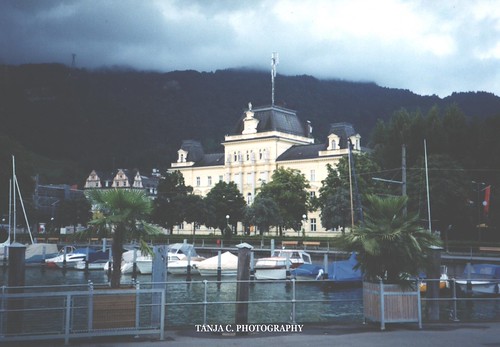
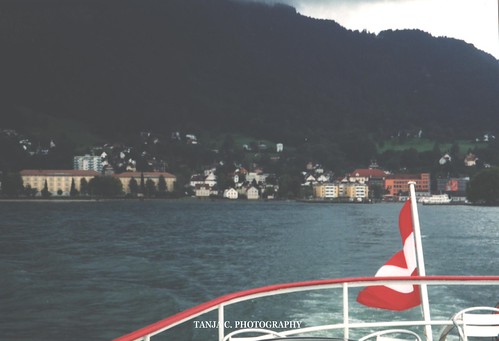
The concert was on Saturday, and we made our way down to Lindau by train on Friday. It was a nice relaxing ride. Once we passed Munich, we rode through the Alps. After changing trains and a 9-hour train ride, Kevin and I ended at the Lindau train station. When we walked out of the building, we were standing in front of the Lindau Harbor. It has been 17 years since I visited Lindau for the first time. And I couldn’t recall how aqua-colored the water of Lake Constance was. That evening, we got a taxi and rode from Lindau, Germany, to Bregenz, Austria. In Bregenz, we stayed at the youth hostel for the night.
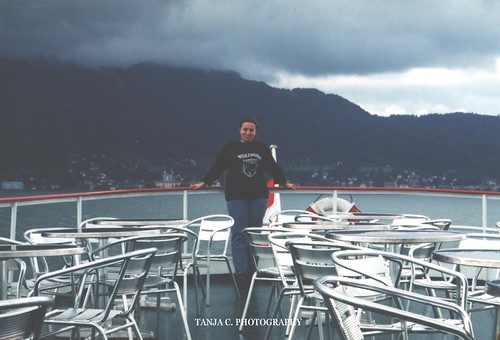
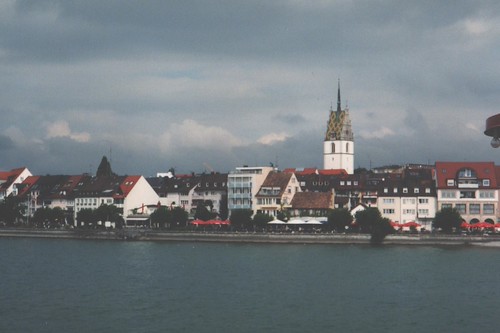
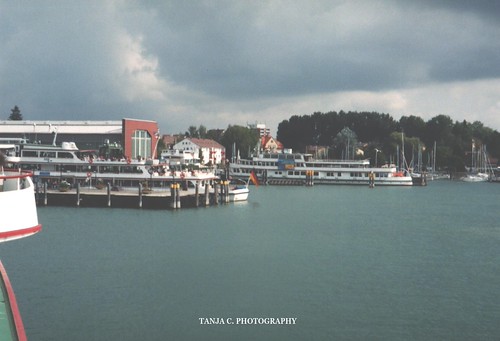
The following morning, Kevin and I got up early to have breakfast and make our way to the Bregenz Harbor. We had to make it back to Lindau and change boats to travel to Konstanz. We had a three-and-a-half-hour boat ride with several stops, including Friedrichshafen, Meersburg, and the island of Mainau in front of us. And Kevin wanted to explore Lindau for a little bit before it was time to go.
In Konstanz, we finally got off the boat. From the harbor, we had to walk less than a mile to get to our hotel. There we dropped off our luggage, put on a cap, and went to the festival. By that time, it had poured rain and we got wet. But it didn’t stop us from staying to see Alien Ant Farm, Papa Roach, and the German rock band “Die Ärzte”. Die Ärzte sing German songs, and so I had to translate the lyrics to Kevin. He thought these songs were awesome.
When Manson came on stage, we had clear skies. He was on stage only for an hour, which totally pissed me off because we spent all this time and money to go see him. However, I’m still a big fan of Marilyn Manson and have attended another two concerts in Germany. I know, he’s not everyone’s “cup of tea”. But that is what I like about him.
The following day, Kevin and I tried to cross the border to Switzerland. Since Konstanz lies on the German-Swiss border, it’s hard to tell when Germany ends and Switzerland begins as a tourist. (A year later, I finally crossed the border by the train station. I walked around a building and went back into Germany just so I could say, I’ve been on Swiss soil.) We went to the Konstanz train station and waited for the train to Stuttgart, where we switched trains and rode back to Würzburg.
On that weekend, we went through the whole state of Bavaria, traveled to Austria, made it back to Germany by boat, and traveled to Baden-Württemberg to go to a concert. And all these years, we are still not sure if Kevin made it to Switzerland on that day. What a trip!
Fasching originated in the German cities of Mainz and Speyer during the early 13th Century. By 1234, the festival had already become established in Cologne. In the past, Fasching was often characterized by extravagant, frivolous traditions, including handing the keys to the city to a council of fools. Activities involved noisy parades, plays, masked balls, satirical plays, and excessive or impertinent behavior. As a result of the Protestant Reformation in Europe during the 16th Century, most of these elaborate traditions died down.
However, the fun and entertaining nature of Fasching has been restored in recent times as it is marked by spectacular parades and parties worldwide. The women’s carnival is the first day of the street carnivals, known as ‘Weiberfastnacht’. On this day, women parade the streets in costumes and engage in harmless but mischievous behavior, such as cutting off men’s ties, leaving only the knot. This is followed by an apologetic peck on their cheek. Rose Monday is another day of the festival when a four-mile parade is held, with members of local carnival clubs dressing up as witches, clowns, or wizards. People line the streets to watch the procession and take part in the fun.
Fasching begins at exactly 11 minutes after 11 AM on November 11. The height of the Fasching celebrations is called Shrove Tuesday or Fat Tuesday. In Germany, the day is celebrated on a small scale. But in other parts of the world, it is celebrated spectacularly, and people attend parades in cities such as Venice, Rio de Janeiro, and New Orleans. On Ash Wednesday, the festival comes to an end, and the 40-day fasting season begins.
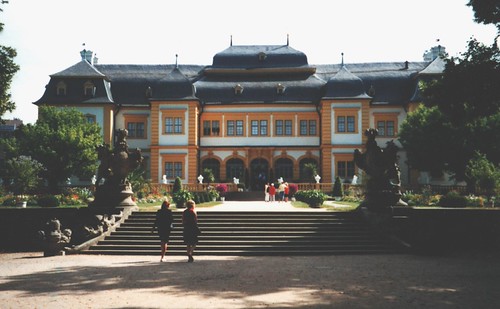
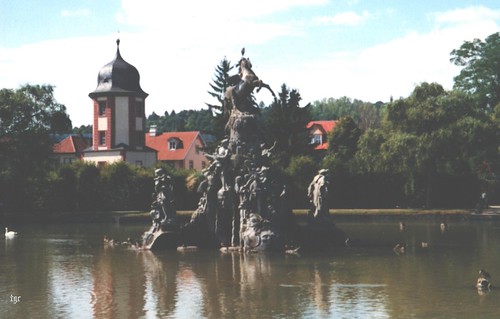
The Veitshöchheim Palace is situated on the grounds of one of the most important Rococo gardens in Germany. Until 1802, it was the Summer residence of the Prince-Bishop ofWürzburg. The summer residence was built on the site of a hunting lodge under Prince-Bishop Peter Philipp von Dernbach from 1680 to 1682 and was enlarged from 1749 to 1753 by Balthasar Neumann, who also redesigned the roof. The ceiling stucco work by Antonio Bossi also dates from this time, and the staircase sculptures were completed by Johann Peter Wagner in 1780. The castle has been owned by the Bavarian Crown since 1814 and was also used as a summer palace by the royal family in the 19th century.
◊◊◊◊◊
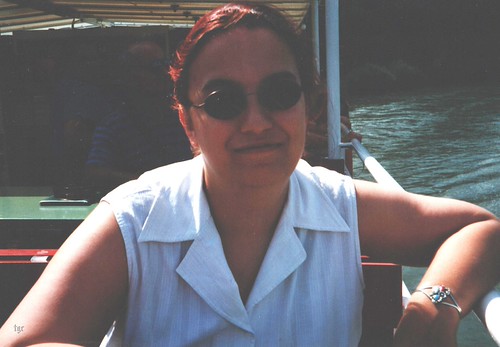
After the 4th of July, Kevin and I had a few vacation days. Since the weather was so nice, we decided to do something outdoors. So, we went to the Main River to take a boat ride from Wurzburg to Veithoechheim, approximately 5 miles (8 km) down the river.
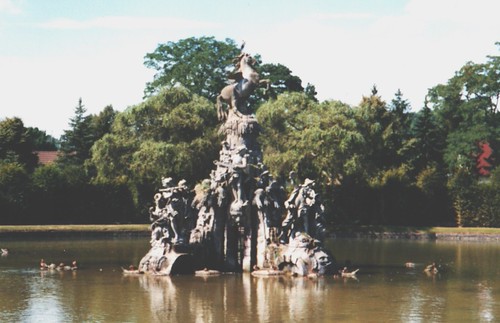
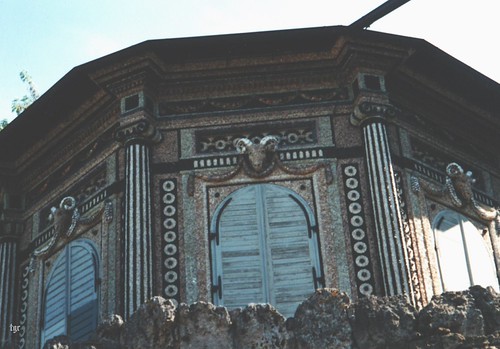
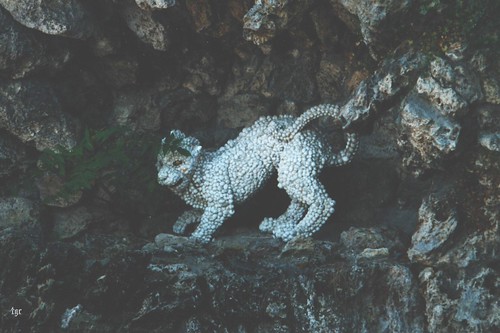
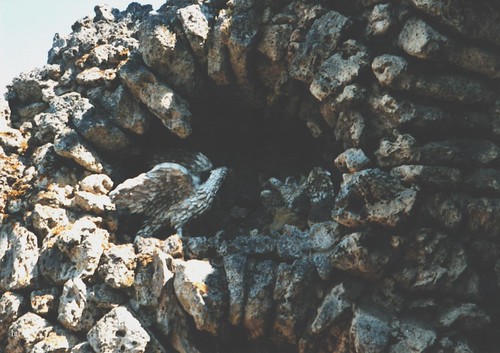
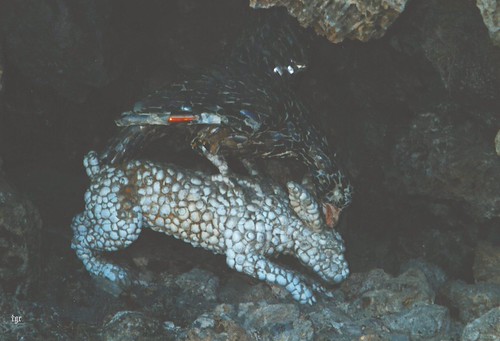
When we arrived in Veithshöchheim, I checked the boat schedule before we walked over to the Court Garden. Kevin and I were strolling around in the gardens until we arrived at the Grotto with Belvedere, where the bottom part has animal sculptures, which are made of shells and snail houses. I was always fascinated with the grotto when I was a child visiting the Court Garden. The gardens have a lot of historical sculptures of astronomical figures, poets, and many more.
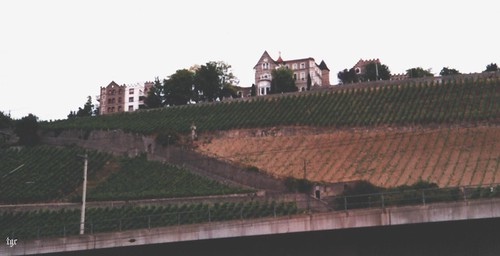
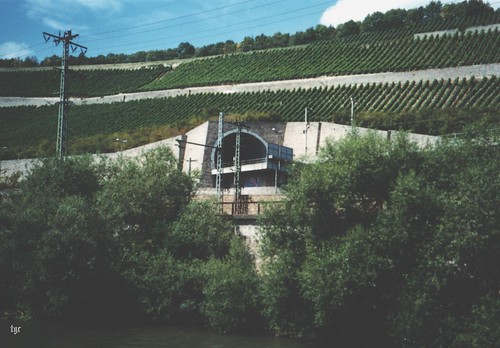
When it was time to leave, Kevin and I went to the ice cream parlor before we made our way down to the boat again. On the boat ride back to Würzburg, we had a nice view of the vineyards am Stein. This Franconian wine from these vineyards is famous all over Germany and Europe.
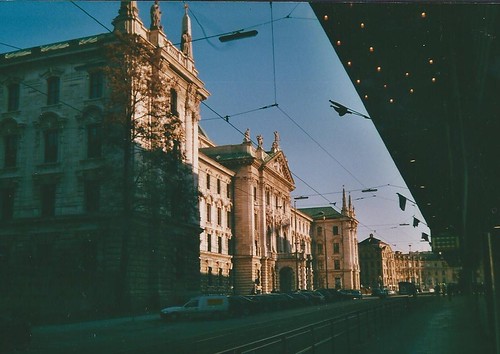
In January 2001, I dragged Kevin to Munich with me. Since he was stationed in Germany, I wanted to make sure that the boy did some sightseeing before he went back to the US. At that time, we had been together less than a month and didn’t know we would get married 15 months later. It was cold. And we both froze our tailbones off. But we still had a lot of fun.
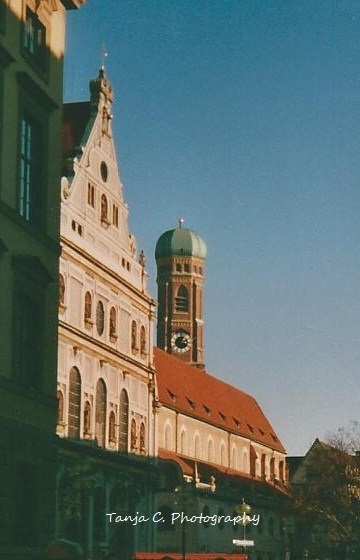
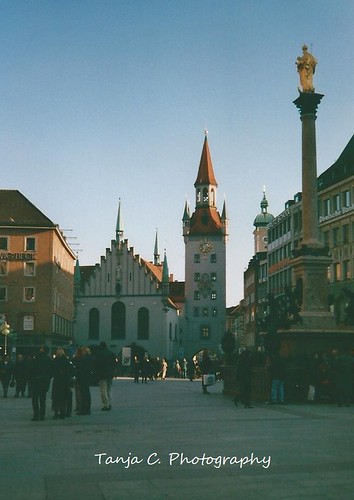
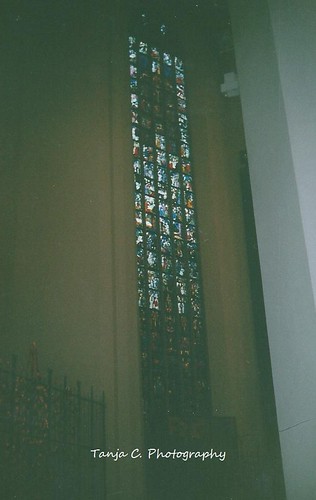
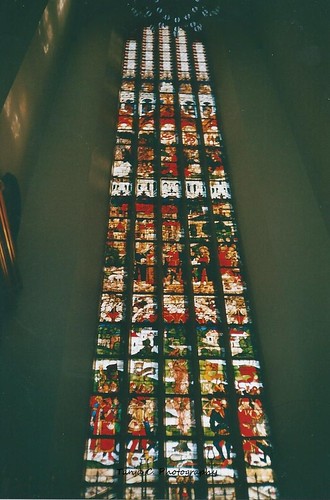
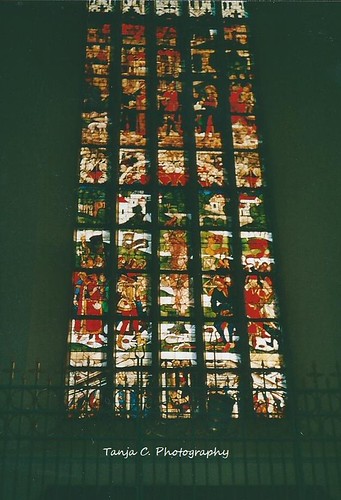
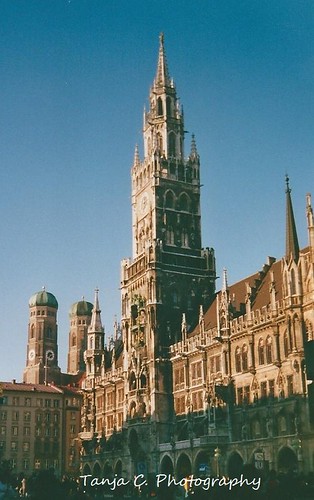
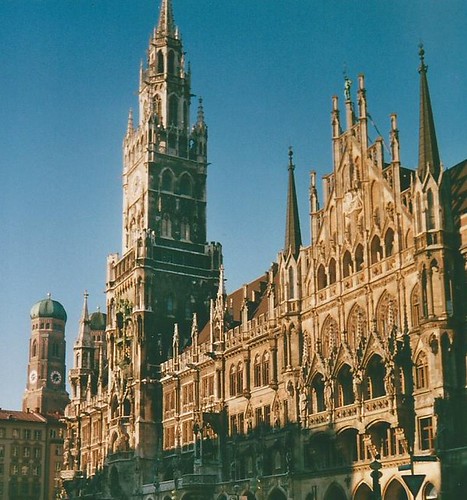
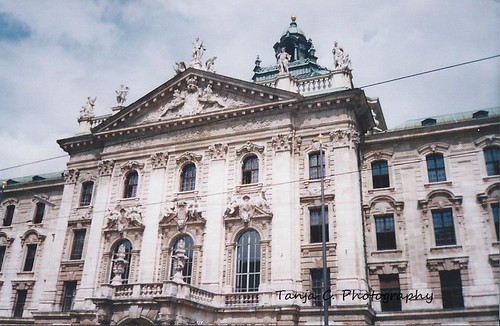
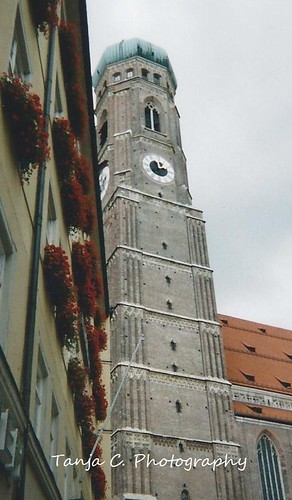
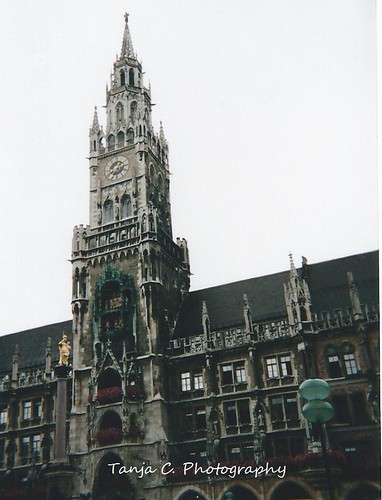
First, we went to the Frauenkirche, Munich’s Cathedral. Kevin was fascinated by how big this church is in real life. He also enjoyed looking at the stained glass window. Each of them was telling stories through pictures. At the Marienplatz, we saw the Old and the New Town Halls of Munich. https://under-the-harvest-moon.com/2025/10/21/the-old-town-in-munich-germany
The fun part was climbing the 306 stairs of the 298,5 feet (91 meters) tall “Alter Peter’s” clock tower. At 183,7 feet (56 meters) is a platform, where Munich’s old town can be viewed 360°. My knees were almost buckling due to the height. But this didn’t stop me from shooting photos across the roofs of Munich’s old town and Viktualienmarkt. The Alps can be seen from that point as well. (Unfortunately, I can’t find them anymore. I hope they are somewhere deep in a box and have not been tossed away during one of the moves in the last 20+ years.)
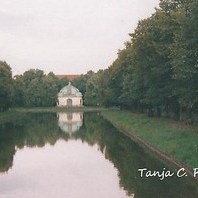
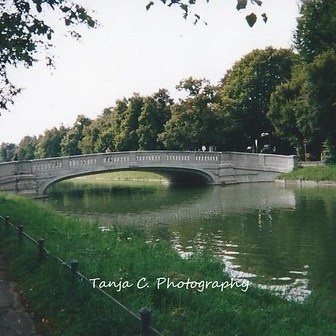
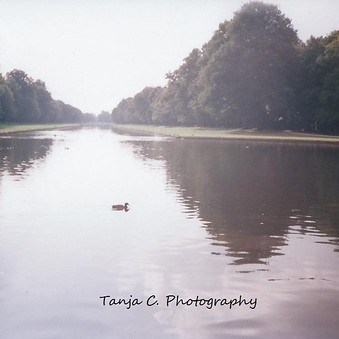
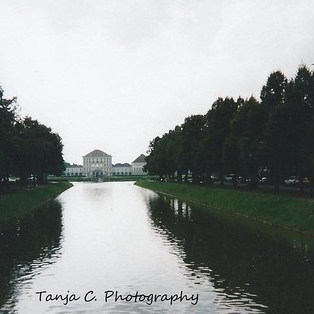
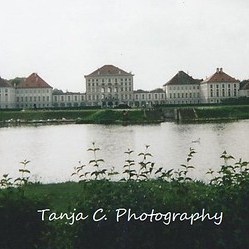
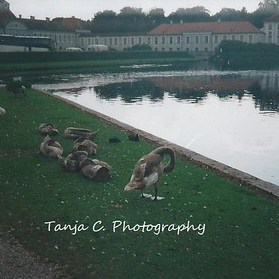
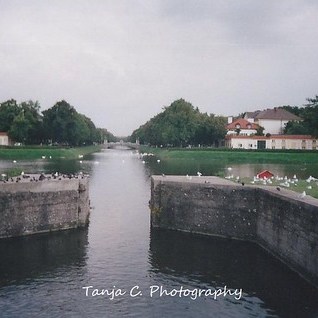
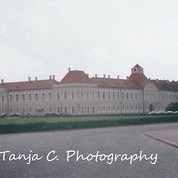
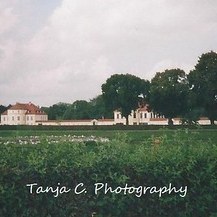
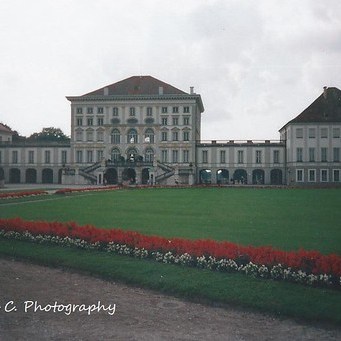
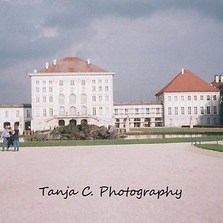
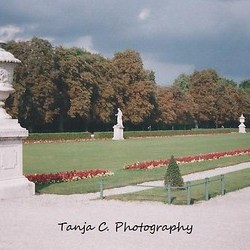
Later that day, I took the subway to the Nymphenburg Castle (Schloss Nymphenburg). I had a nice walk from the Palace Channel to the Palace itself. On my first visit, I just wanted to walk around the Palace’s garden and enjoy the nice weather and outdoors. While I was there, I got into a conversation with a local man, who pointed out the window of the room where King Ludwig II* was born in August 1845. He said Ludwig’s 155th birthday was three days ago. I laughed and answered that my birthday was three days after Ludwig’s. But I’m not that old. I turned 27 that day of my trip to Munich. It was an educational conversation about Bavaria. As a Franconian, it is nice to learn about our state’s culture and history.
*King Ludwig II of Bavaria is also referred to as the Swan King or the Fairy Tale King. During his reign, he built the Herrenchiemsee, Linderhof, and the famous Neuschwanstein Castles. Walt Disney got his idea for the Cinderella Castle from Neuschwanstein, which can be seen in every Disney Park around the world today.
In August of 2000, for my 27th birthday, I took a trip to Munich alone. Since we had the Bavarian Ticket, which could be purchased for less than 20 Deutsche Marks (about $11) from Monday to Friday (on the weekends, we just had to pay about $5 more to have the weekend ticket where we could travel with certain trains through all of Germany on Saturdays and Sundays) I began to make this a tradition to go to Munich more often.
On my first trip, I just enjoyed walking from the train station to the central square (Marienplatz). In that area, there are a lot of historical buildings to see. There is the Old Town Hall and the much bigger New Town Hall. If you come to visit at 11 am and 12 pm (local time), you can watch the Rathaus-Glockenspiel. From March to October, it can also be witnessed at 5 pm. The clock reenacts the scenes of Munich’s history twice daily. The first scene tells the story of the marriage of Duke Wilhelm V to Renata of Lorraine in 1568. And the second scene is the Cooper’s Dance (Schäfflertanz).
Frauenkirche (Munich’s Cathedral can be reached from Kaufinger Strasse to get to Frauenplatz, which sits northwest of the central square. At Frauenplatz is also a fountain with stairs where you can rest your feet in the hot Summer. You just have to share your space with the locals, the rock pigeons. And yes, it can get warm in Germany.
The German Hunting & Fishing Museum was very interesting as well. I was allowed to capture a photo of the taxidermied Eurasian Lynx. It was prohibited to capture photos in the museum. I believe they have changed the house rules since the use of smartphones. The museum is located in the former Augustiner Church on Neuhauser Strasse.
That day, I just strolled around and had some good ice cream before I took the subway to the Nymphenburg Palace, the birthplace of King Ludwig II.
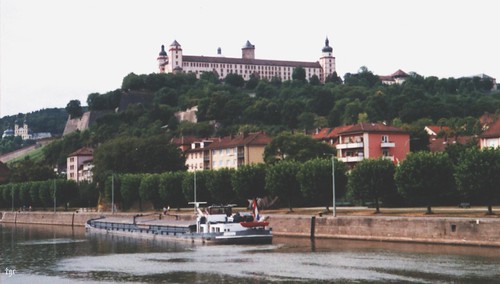
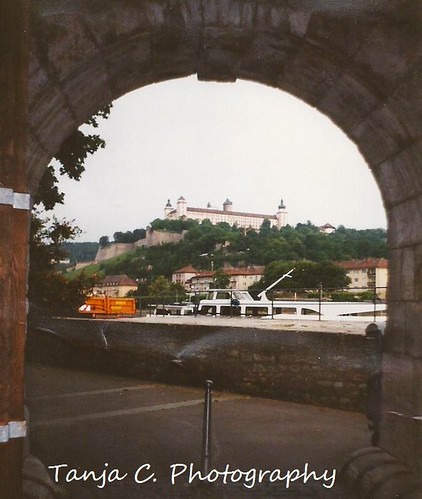
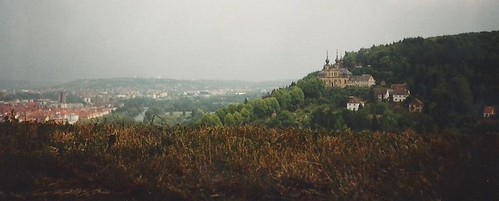
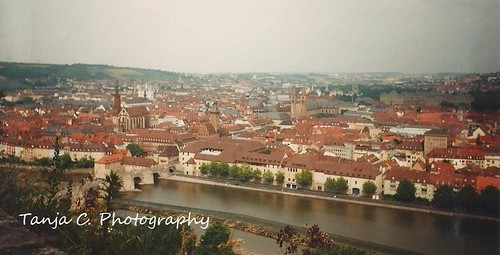
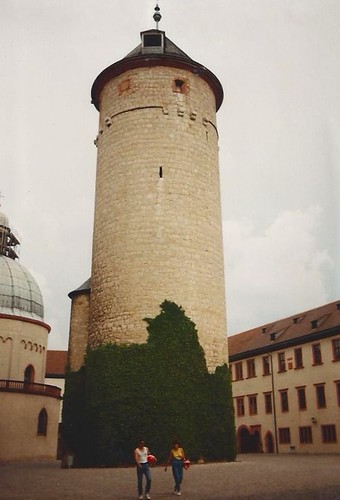
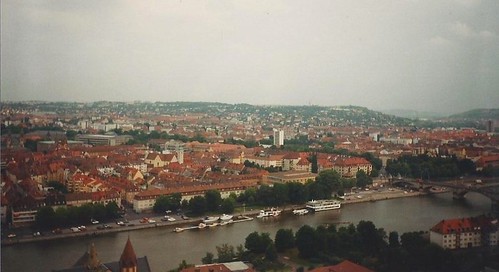
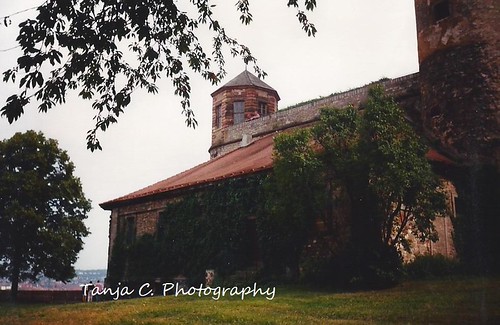
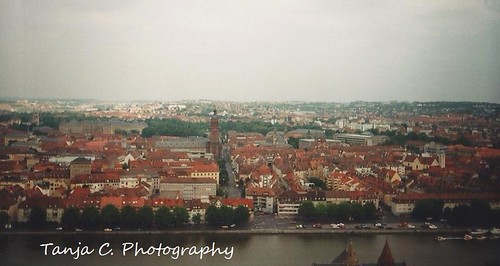
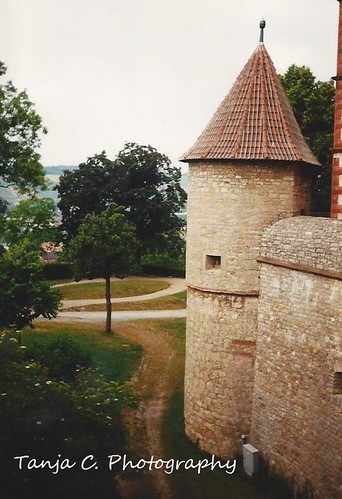
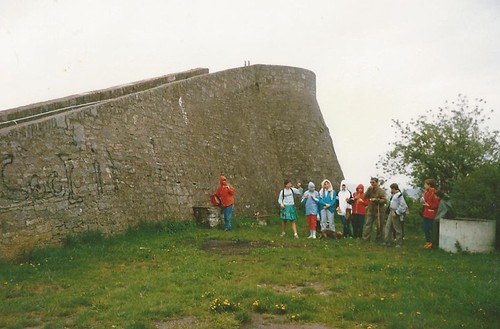
One afternoon in May 1993, I went up to our Fortress in Würzburg. Once, I walked up the hill, and I captured some photos of the Fortress Marienberg. There is also a large wall, from which visitors can overlook the city of Würzburg, my hometown, where I was born, raised, and lived for 30 years before moving to the United States.
Würzburg was also the filming location for “The Three Musketeers” in 2010. Other places included Bamberg, Burghausen, the Herrenchiemsee Palace, Munich, and Potsdam in Germany. The movie was released in 2011.
May this special day bring endless joy, unforgettable memories, and boundless opportunities. Always remember, we are here for you every step of the way.
After World War II, Germany was divided into four military sectors, each controlled by France, the United States, the United Kingdom, and the Soviet Union. In 1949, the Federal Republic of Germany was formed, and on October 7 of the same year, the German Democratic Republic (also known as the DDR — ‘Deutsche Demokratische Republik’) was formed.
The political tensions in post-war Europe did not allow much interaction between the people of the two countries. The DDR exercised strong resistance against the repression of its political opponents. Thousands of people were kept under surveillance by the German police.
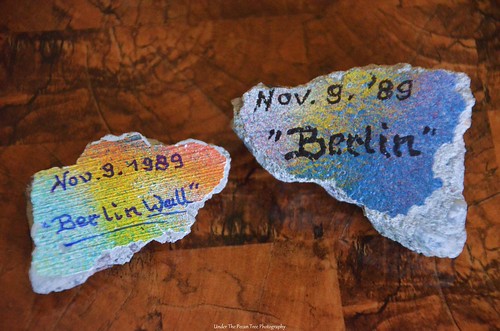
On September 4, 1989, a peaceful protest was carried out by the people of Leipzig against the DDR government. More such demonstrations in other DDR cities took place, calling for political reforms and the opening of the borders. On November 9 of that year, the checkpoints between the two German countries were opened, and people could travel freely once more. This date marked the ‘fall’ of the Berlin Wall.
Democratic elections further paved the way for the people to come together in the DDR. Finally, in August 1990, the leaders of both countries signed the Treaty of Unification, and Germany’s unification was made official on October 3, 1990. The Berlin Wall and the Brandenburg Gate are two significant symbols of Germany’s division and its subsequent unification in 1990. Images of both are put on display on German Unity Day throughout Germany. The day is celebrated as a three-day festival around the Brandenburg Gate and at the Reichstag around Platz der Republik.
In the Summer of 1990, I went to Spieka-Neufeld with my Dad. Spieka-Neufeld is nestled between Cuxhaven and Bremerhaven in Lower Saxony. We rented a whole house as a vacation home for three weeks. Some days, we just walked on the dam and watched the Fischkutter (fishing boats) coming in with their fresh catch in tow. It is a small, quiet place where we can see the tides change, and walk around the waddensea when the tides are low. Yeah, it can be a bit boring for a 16-year-old teenager.
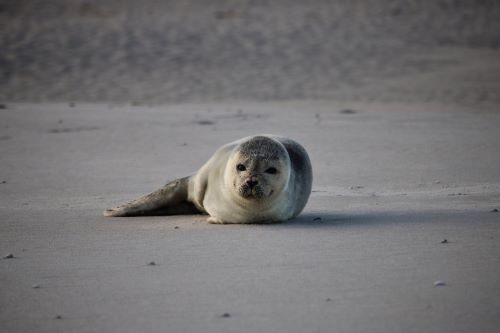
However, we also spent time in Cuxhaven to eat fresh fish dinners. We also went to the pool there. And one time, we went on a boat ride to see seals on the sandbank along the coast of the North Sea. These seals were so adorable. I fell in love with their pups. Dad went to the store and got me a plush seal. I don’t know if tourist boat companies have the seal attraction. But it is so worth it.
In Bremerhaven is the Deutsches Schifffahrtsmuseum (German Maritime Museum), where the German submarine U-2540 “Wilhelm Bauer” is moored in the Old Port. The submarine was originally designed for the Kriegsmarine (Nazi German Navy) and was completed shortly before the end of WWII. Since the submarine was never on patrol, it was scuttled at the end of the war. In 1957, it was raised from the seabed near the Flensburg Fjord and recommissioned for the West German Bundesmarine in 1960. On August 28, 1968, “Wilhelm Bauer” was decommissioned. In April 1984, it became a museum ship for tourists to visit and explore the submarine. It can get a little claustrophobic on the ship, especially when there are a lot of people and it is warm.
We had a lot of fun by the North Sea. But as every vacation does, it had to come to an end.
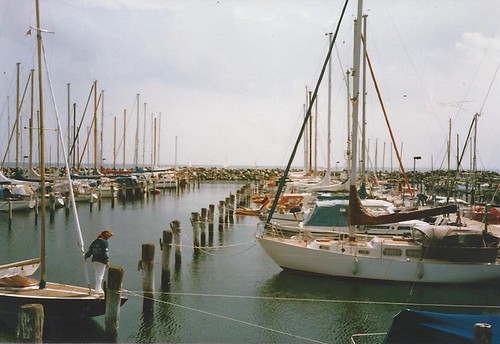
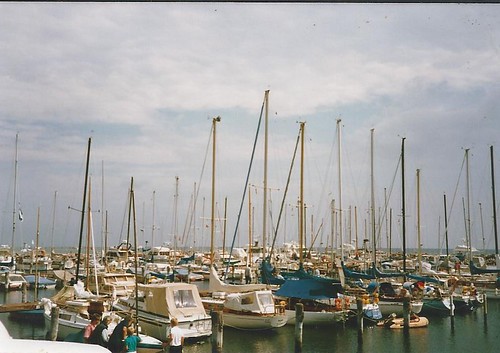
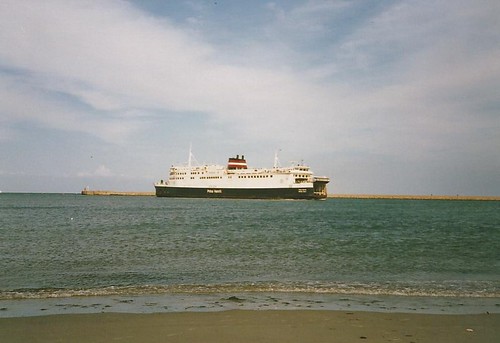
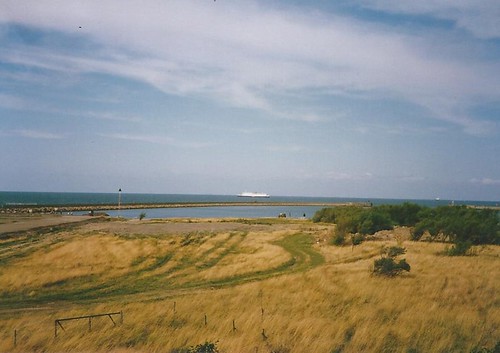
In the Summer of 1986, my Dad, his then-girlfriend, and I went on a vacation at the Baltic Sea (Ostsee). We spent two weeks in a vacation home in Niendorf. From there, we went to Timmendorf Beach and did a boat ride on the Trave River by Travemünde. One day, we drove to Lübeck. I wanted to see the famous Holsten Gate, but we didn’t make it there. When we spent some time in Travemünde, we saw the TT-Line, also known as Peter Pan. In 1986, the TT-Line Pty. Lfd. had only Peter Pan. The Nils Holgersson was renamed to Abel Tasman at that time. The line expanded with more ships. When we stepped outside the restaurant, we noticed how big the Peter Pan ferry was as it anchored right next to us. If we had our passports with us, we could have taken a day trip to Sweden and Finland while traveling in the Gulf of Bothnia. Oh well! We went to Puttgarden on Fehmarn and watched the Ferries on their journey to Denmark instead.
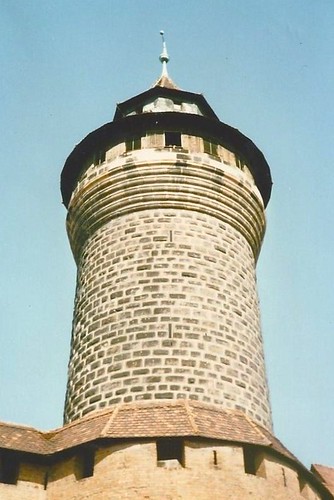
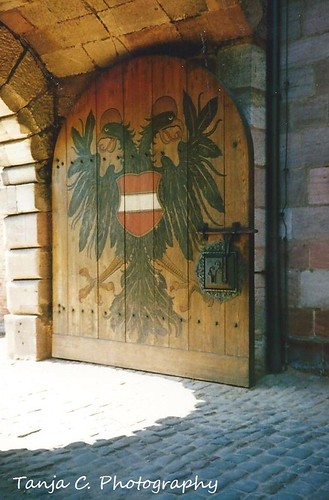
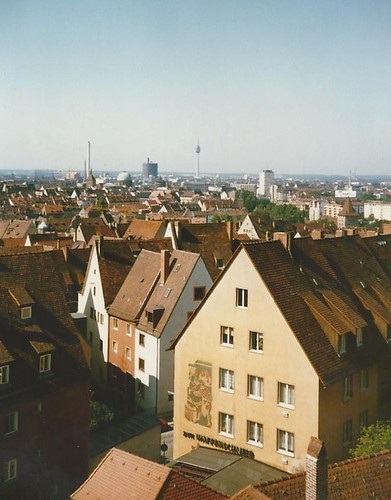
The Nuremberg Castle is a group of medieval fortified buildings situated on a sandstone ridge that dominates the historical center of Nuremberg in Bavaria, Germany. The castle, together with the city walls, is considered to be one of Europe’s most formidable medieval fortifications. It represented the power and importance of the Holy Roman Empire, as well as the outstanding role of the Imperial City of Nuremberg.
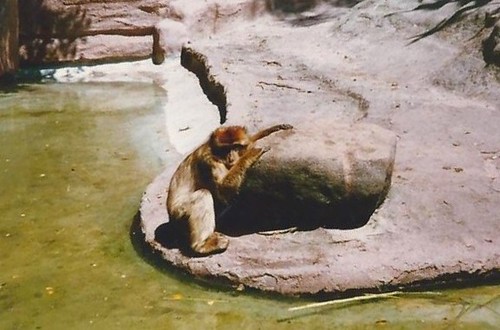
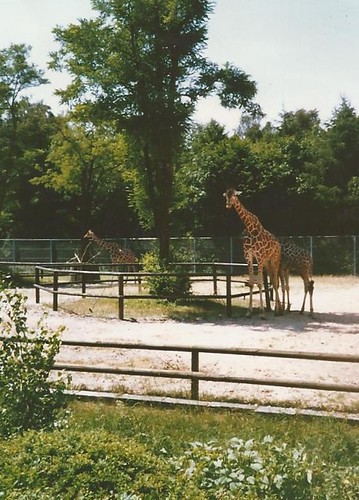
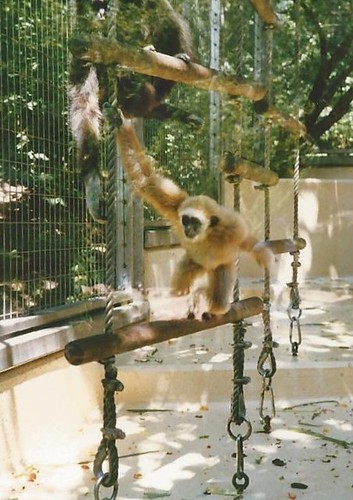
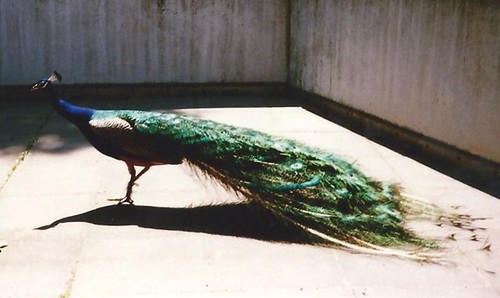
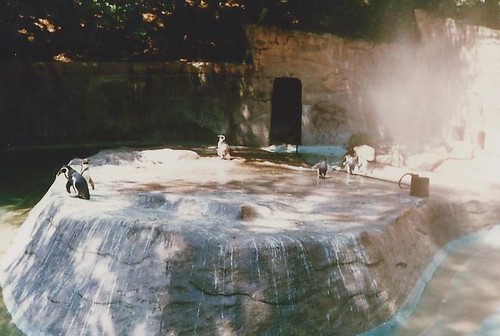
Nuremberg Zoo is a zoo located in the Imperial Forest, southeast of Nuremberg. With an area of 67 hectares (170 acres), approximately 300 animal species are kept by the zoo.
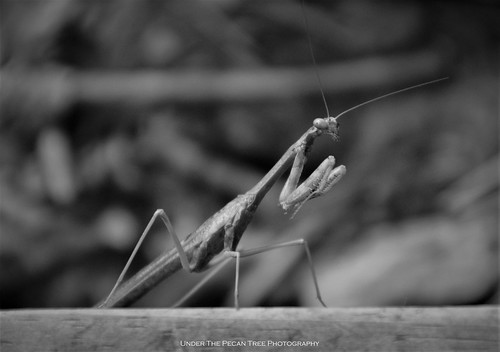
The European mantis is a large insect in the family of the Mantidae (‘mantids’), which is the largest family of the order Mantodea (mantises). Their common name, praying mantis, is derived from the distinctive posture of the first pair of legs that can be observed in animals in repose. It resembles a praying attitude. Both males and females have elongated bodies with two pairs of wings. The most striking features that all Mantodea share are a very mobile, triangular head with large compound eyes and their first pair of legs (the ‘raptorial legs’), which are highly modified for the efficient capture and restraint of fast-moving or flying prey. In Germany, the European Mantis is listed as Gefährdet [endangered] on the German Red List based on an assessment from 1998. It is not supposed to be caught or held as a pet. At a global level, it is assessed by the IUCN as of least concern.
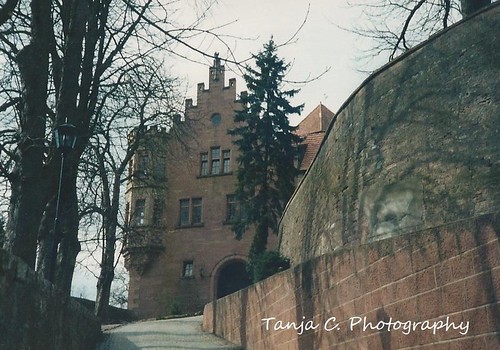
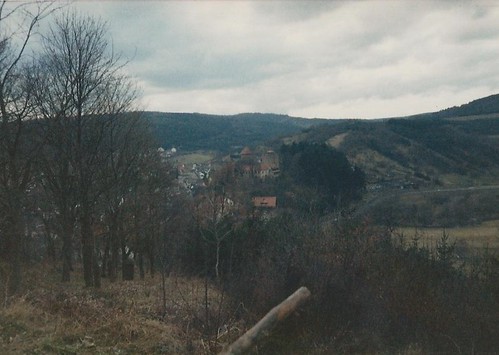
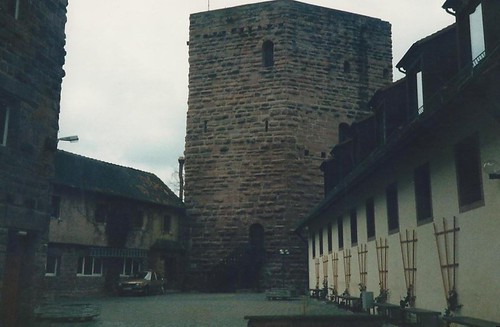
Rieneck Castle (German: Burg Rieneck) is a hill castle in the town of Rieneck, in Bavaria, southern Germany. It was built by Ludwig I, Count of Loon and Rieneck, around 1150. It is today used by the German Christian Guide and Scout Association. Rieneck Castle sits on a hill in the town of Rieneck, overlooking the Sinn River. It is located in the Spessart hills, in the Main-Spessart district of Bavaria, about 80 km east of Frankfurt.
In 1150, Ludwig I, Count of Loon and Rieneck, ordered the building of the castrum Rinecke on the northeastern boundary of his territory, intending to safeguard the lands of this aristocratic family against the neighboring lordships of Mainz, Würzburg, and Fulda. The little hill in the Sinn valley offered excellent conditions. There was only one direction where the castle required additional protection by a defensive ditch and offered as narrow a front as possible to attack. The latter can be clearly seen in the ground plan of the keep, the 19-meter-high “Thick Tower”, which is outwardly an irregular, seven-sided polygon, whose tip points towards the nearby hill. The castle complex initially consisted simply of a courtyard surrounded by defensive walls and the keep, with its 4 to 8-meter-thick walls. Inside the walls, half-timbered buildings were constructed as living quarters, store rooms, and stables. Of these, only what we now know as the “arched cellar” survives.
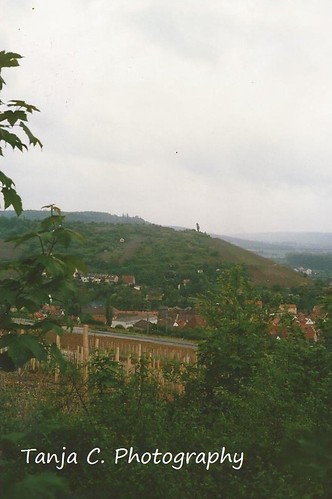
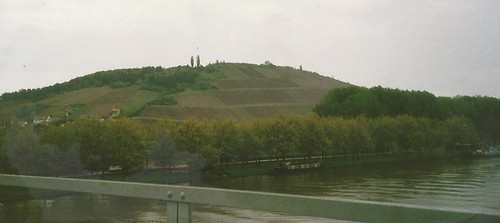
The Kartoffelturm (Potato Tower) was built before WWII to provide a great view over the Main River. The tower is located in the vineyards of Randersacker, which produce some of the best wine in Lower Franconia. The whole area is worth a hike. You can start in Würzburg and then either go alongside the Main river or directly walk through the vineyards. Wherever you look, you will see a beautiful, idyllic coexistence of nature and human life. Trees, shrubbery, and meadows are omnipresent between the river and the mountains. Once you go uphill, you can enjoy the fantastic, clean air of this region. And when you arrive at the Sonnenstuhlturm, you will have a magnificent panoramic view. In 1972, the name was changed to Sonnenstuhlturm (Sun Lounger Tower, or Sun Deck Chair Tower). However, Kartoffelturm is still the more common name for the residents of Würzburg and Randersacker.
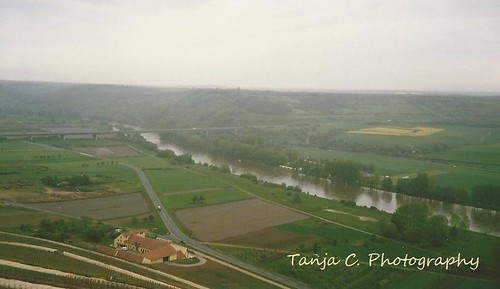
Randersacker is located in the south of Würzburg. This part of the Main is called Maindreieck. The term refers to the course of the river, it looks similar to a triangle. The city of Würzburg is about three miles away from the village center of Randersacker. There are two subdistricts: Lindelbach and the main part, Randersacker.
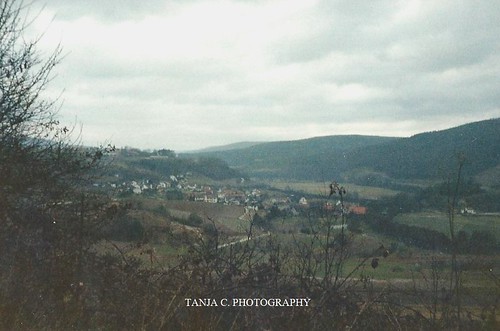
When I was 11, my schoolmates and I went to a school camp in Schaippach an der Sinn with our teacher. In the mornings, we had regular school. But school started at 9 AM and ended at noon. And in the afternoon, we hiked several miles to learn more about regional history and geography. There was still plenty of time to hang around the building or sit in the story area and write a letter or postcard for the family at home. We also had responsibilities like taking care of the dishes for breakfast, lunch, and dinner. Make our beds and go to bed on time. Sleeping was another story when being in a room with nine other girls. After five or six days, we rode the bus back home, where our parents, in my case, grandparents, were waiting in front of the school to pick us up. At home, we had a lot of stories to tell about that week at camp.
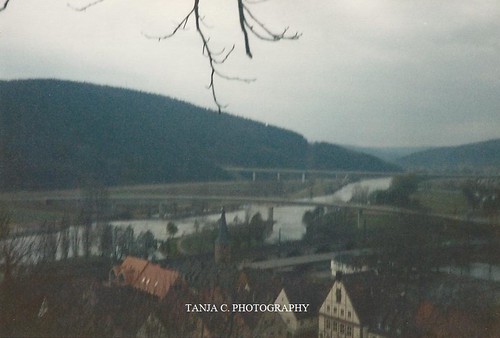
On one hike, we went from Schaippach to Gemünden. Our teacher was always talking about the merging of the rivers Sinn and Saale into the River Main (pronounced: mine). A river merging with another river into a larger river means “münden” in German. Therefore, the town at the three rivers is named Gemünden. So, we students wanted to see it and hiked to the exact place where the merging of the rivers can be viewed from that spot.
Gemünden is about 25 miles (40 km) NNE down the river from my hometown, Würzburg, and located in the region of Main-Spessart in Lower Franconia, Northern Bavaria, Germany.
When I began 5th grade, I had a teacher who loved to hike. So, a lot of times we had school outdoors by hiking to places from Würzburg to Randersacker, to Frankenwarte, and many other outdoor places. Rain or shine, we hiked instead of sitting in a stuffy classroom all year.
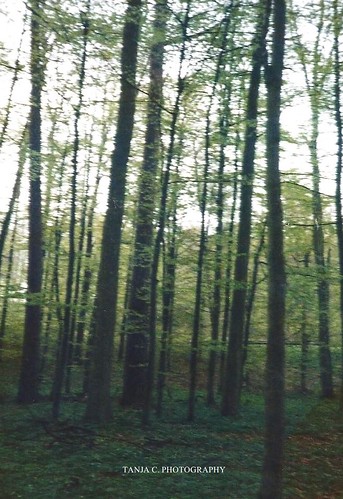
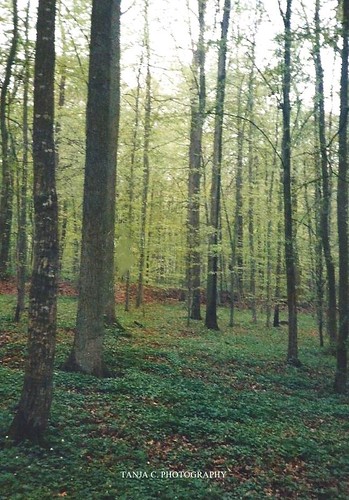
One place we went to was the Guttenberger Wald, which is an unincorporated forest near the Reichenberg/Höchberg area in the district of Würzburg, Germany. The Guttenberger Wald has an area of 18.05 km² (4480 acres) and is 362 meters (1188 feet) above sea level. It is a nice and quiet place away from the city.
The Easter weekend in 1984, my Mom and my stepfather got their RV ready to take a trip to the Neuschwanstein Castle in Füssen. But we changed our minds on the road and decided to go to Lake Constance instead. The first night we spent in Memmingen was in a parking lot. After breakfast, we went to our destination. And in the afternoon, we arrived in Lindau. Mom purchased a 35mm film for my first camera, which she handed down to me before our trip. It was a hand-me-down. Still being 10 years old, I didn’t need the newest, most expensive model to learn how to capture photos. So, a snap-and-shoot did the job.
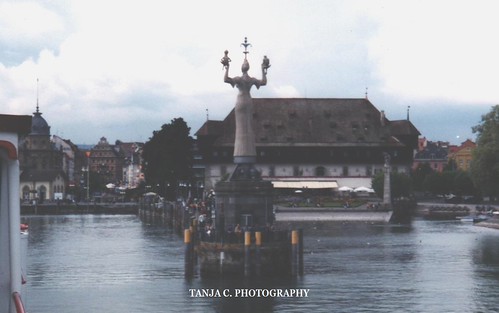
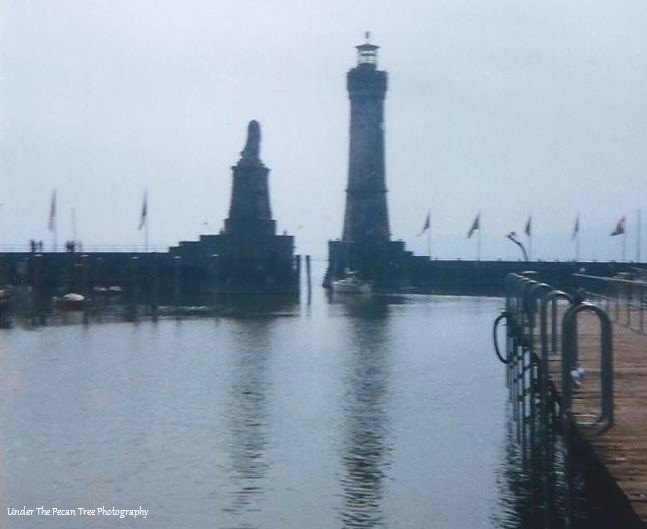
Once we had everything we needed, we went to the Lindau Harbor and looked at boats coming in from Meersburg, Friedrichshafen, Austria, and Switzerland. The harbor is a Landmark with its southernmost lighthouse in Germany. Lake Constance borders two German states (Bavaria and Baden-Würtemberg) and three countries Germany, Austria, and Switzerland). In the evening, we had dinner on the island while the RV was parked on the mainland.
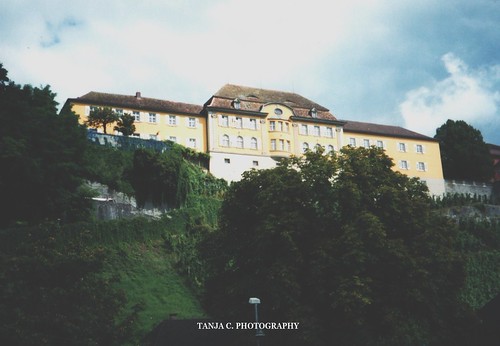
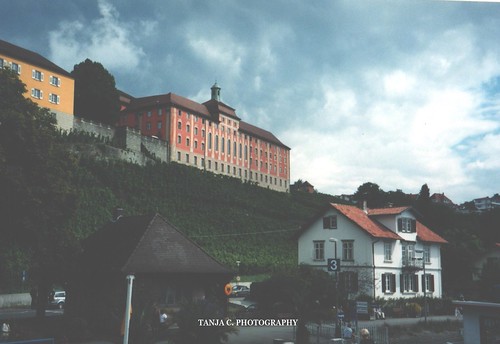
The following morning, we drove to Meersburg and took a boat to the Island of Mainau. Mainau is a Botanical Garden on the lake, not far from Constance (German: Konstanz). I was fascinated by all these tropical fruits inside the greenhouse. The banana plants were so high, and the fruits were hanging from them. That’s mainly what I can remember from Mainau.
After spending the night in Meersburg, we made a stop in Kempten and spent the night there before we drove home on Easter Monday. In Germany, Easter is on two days: Easter Sunday and Easter Monday. We had plenty of time to get back home. Mom was on vacation, and I was on Spring Break for the rest of the week. So, we could relax after this trip.
























 Under The Harvest Moon