☀❄☀❄☀❄☀❄☀❄☀❄☀❄☀❄☀❄☀❄☀❄☀❄☀❄☀❄☀❄☀❄☀❄☀❄
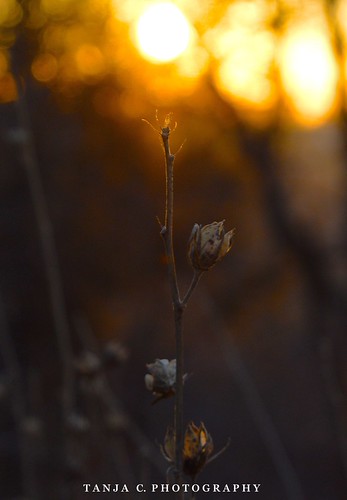
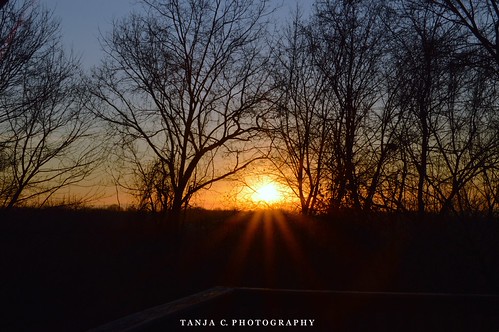
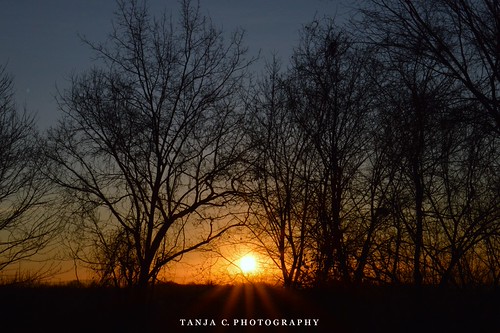
Happy Winter Solstice! ❄ Blessed Yule!
☀❄☀❄☀❄☀❄☀❄☀❄☀❄☀❄☀❄☀❄☀❄☀❄☀❄☀❄☀❄☀❄☀❄☀❄
A Texas city girl in a small New England town …

☀❄☀❄☀❄☀❄☀❄☀❄☀❄☀❄☀❄☀❄☀❄☀❄☀❄☀❄☀❄☀❄☀❄☀❄
☀❄☀❄☀❄☀❄☀❄☀❄☀❄☀❄☀❄☀❄☀❄☀❄☀❄☀❄☀❄☀❄☀❄☀❄
☀❄☀❄☀❄☀❄☀❄☀❄☀❄☀❄☀❄☀❄☀❄☀❄☀❄☀❄☀❄☀❄☀❄☀❄
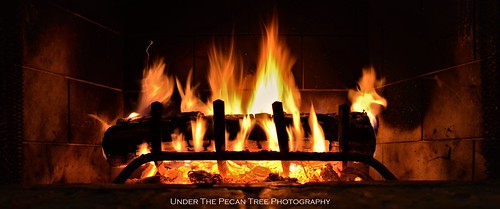
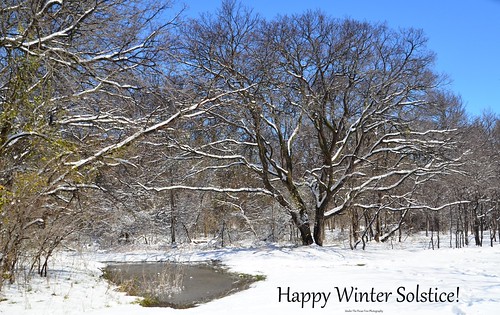

Our ancestors depended on the passage of time and seasons. And the best way to measure the seasons was by observing the Sun and the Earth’s orbit around it. The winter solstice is the time of the year when the Sun is reborn, announcing a new season.
On December 21, the day is shorter as the Sun seems to stand still at a lower elevation, making the night longer. But it is a transition period that ushers in a new season of more sunlight. Yule celebrations used to be tied with different pagan traditions, bordering on mythology and culture. Popular notions include the myth of the goddess giving birth to the Sun god. There is also the celebration of the surrender of power from the Holly King to the Oak King. Plus, the ancient festival of the Germanic people about the Wild Hunt and the god Odin is also around the same time.
All the above form the crust of the Yule celebration. But, as stated earlier, it is even more symbolic in that it helped our ancestors to determine times and seasons. Understanding times and seasons was usually the difference between life and death, food availability and famine, victory and defeat, and many other things. With the introduction of Christianity, the Yule celebration has been linked with Christmas traditions too. It’s thought that December 25 was chosen to celebrate the birth of Christ because it is the renewal period. Yule and Christmas both share certain similarities, and they often overlap as well.
:https://nationaltoday.com/yule/
☀❄☀❄☀❄☀❄☀❄☀❄☀❄☀❄☀❄☀❄☀❄☀❄☀❄☀❄☀❄☀❄☀❄☀❄
🎅🎄🎅🎄🎅🎄🎅🎄🎅🎄🎅🎄🎅🎄🎅🎄🎅🎄🎅🎄🎅🎄🎅🎄🎅🎄🎅🎄🎅🎄🎅🎄🎅🎄🎅🎄
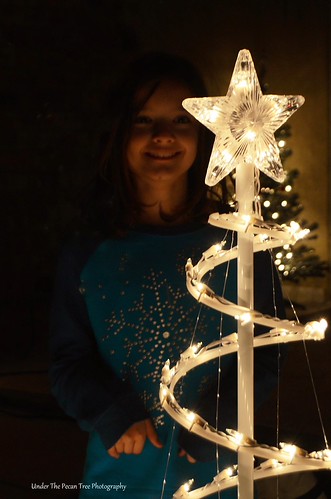
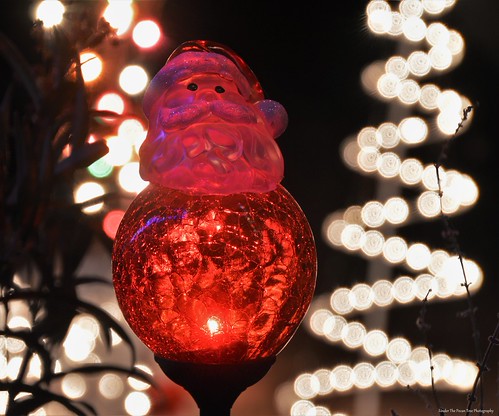
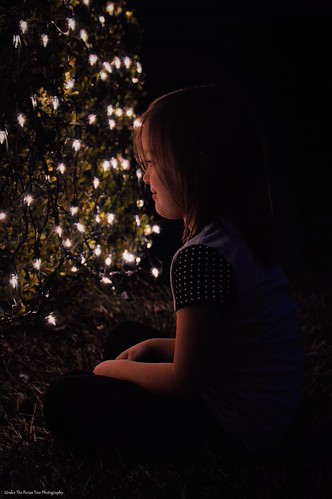
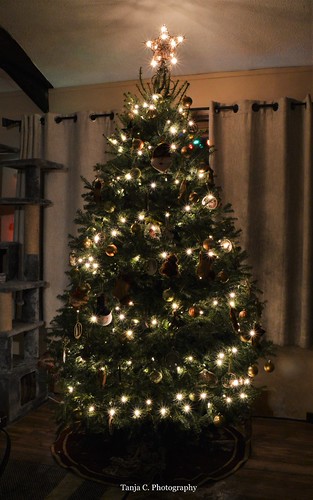
Before the invention of electric lights, families would balance candles on the branches of their Christmas trees—a risky practice that naturally led to several house fires. Electric Christmas lights were first invented in 1880 by Thomas Edison, who promptly strung them all over the outside of his Menlo Park laboratory. Because people were initially distrustful of electricity, it took another several decades for the invention to catch on. It wasn’t until 1903 when General Electric began selling pre-assembled kits of Christmas lights that electric lights became popular with people of all classes. Today, electric lights are an integral part of the winter holiday season, and certainly aren’t exclusive to Christmas. As we get ready for the end of the year, let’s string up our lights and celebrate. ‘Tis the Season’, after all.
:https://nationaltoday.com/national-christmas-lights-day/
🎅🎄🎅🎄🎅🎄🎅🎄🎅🎄🎅🎄🎅🎄🎅🎄🎅🎄🎅🎄🎅🎄🎅🎄🎅🎄🎅🎄🎅🎄🎅🎄🎅🎄🎅🎄
🎄🌲🎄🌲🎄🌲🎄🌲🎄🌲🎄🌲🎄🌲🎄🌲🎄🌲🎄🌲🎄🌲🎄🌲🎄🌲🎄🌲🎄🌲🎄🌲🎄🌲🎄🌲
🎄🌲🎄🌲🎄🌲🎄🌲🎄🌲🎄🌲🎄🌲🎄🌲🎄🌲🎄🌲🎄🌲🎄🌲🎄🌲🎄🌲🎄🌲🎄🌲🎄🌲🎄🌲
 Under The Harvest Moon