
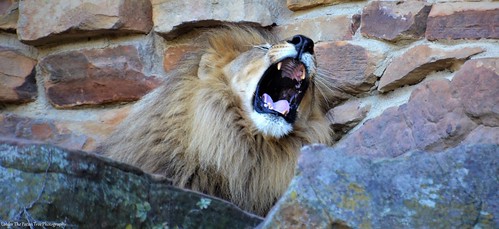
The first World Lion Day came into being in 2013. It was headed by Dereck and Beverly Joubert, a couple who are passionate about preservation and wild cats. After realizing that lion populations have drastically decreased worldwide, the Jouberts approached “National Geographic” for the brand’s help. Forming a partnership with them, the couple came up with the Big Cat Initiative (B.C.I.) in 2009. The B.C.I.’s main goal would be to protect and preserve the remaining lion species in the world. While aspects like deforestation, climate change, and human intervention may have impacted lion populations, studies have shown that their extremely low numbers may also have to do with ice ages and natural environmental disasters that have led them to become secluded in only a few countries of the world, namely India and South Africa. To date, the B.C.I. has made substantial leaps, from getting 150+ grant awards to reducing almost 3,000 threats to 3,000 wild cats to removing 13,000 life-threatening snares.
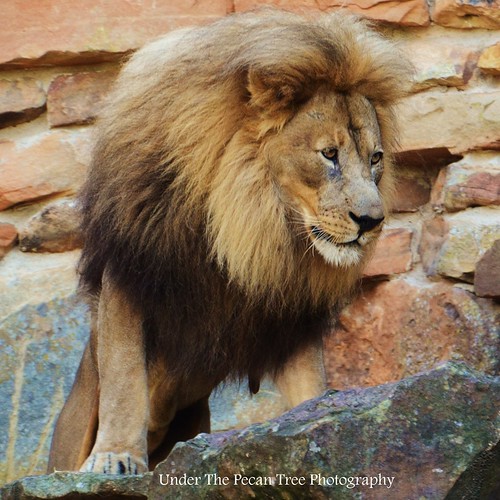
The lion comes from the ‘Felidae’ family of cats, and it is considered to be an apex predator. It is the second-largest cat, weighing around 300 to 600 pounds, with the first being its cousin, the tiger. An average lion’s body is muscular with a short, round head and ears, and a tufty tail. Its sex can be identified through its heavy and luscious mane, which is absent in lionesses. Lions also happen to be the only cats that roam around in large groups known as a pride. Scientists believe that lions do so because it is easier to catch prey in the wild. Their natural habitats are savannas and grasslands. You will most likely find a pride of lions near water bodies as they strategically wait for prey to come there for a drink and then pounce on them.
 Under The Harvest Moon