❄☃❄☃❄☃❄☃❄☃❄☃❄☃❄☃❄☃❄☃❄☃❄☃❄☃❄☃❄☃❄☃❄☃❄☃
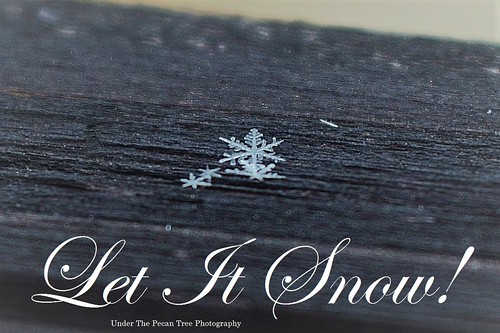
Snowflakes are a subject of thought and appreciation on Flake Appreciation Day. The event is celebrated around December when snow begins to fall in many parts of the Northern Hemisphere. Snowflakes can be classified into one of 35 different shape groups based on their size and shape. When water vapor in the clouds condenses into ice crystals, snowflakes spontaneously appear in nature. Snowflakes’ shapes are influenced by elements such as dust, temperature, humidity, and air currents.
There are different numbers of water molecules in snowflakes, which cause them to form a crystal pattern. Due to diffuse reflection, snowflakes appear white, even though they are composed of clear ice. Snowflakes are usually studied by putting a chemical compound on a glass plate and allowing a flake to land on the plate. The chemical compound covers the snowflake and hardens. The snowflake leaves its shape behind after it melts.
The history of snowflakes was greatly influenced by Wilson Bentley. He was born in 1865 in Jericho, Vermont. His work is significant as he helped discover that no two snowflakes are exactly alike. He used a type of photography that uses microscopes called photomicrography to take pictures of 5,000 snowflakes. Bentley published articles and books about his findings and donated some of his photographs to the Smithsonian Institution. He was the world’s leading snowflake expert and was referred to as ‘The Snowflake Man’ until he died in 1931.
:https://nationaltoday.com/flake-appreciation-day/
❄☃❄☃❄☃❄☃❄☃❄☃❄☃❄☃❄☃❄☃❄☃❄☃❄☃❄☃❄☃❄☃❄☃❄☃




 Under The Harvest Moon