2025 · Wildlife Wednesday

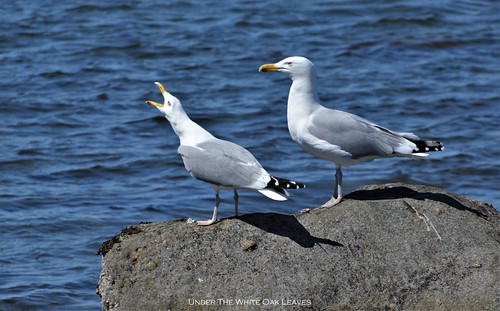
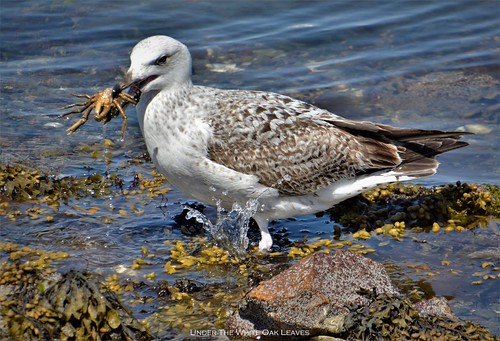
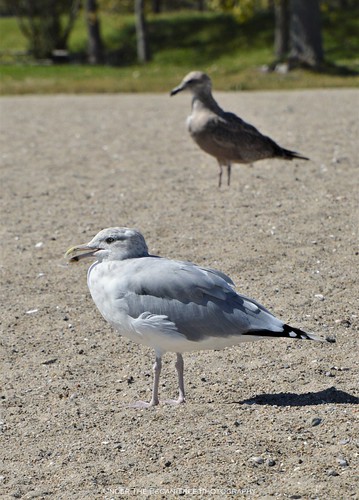
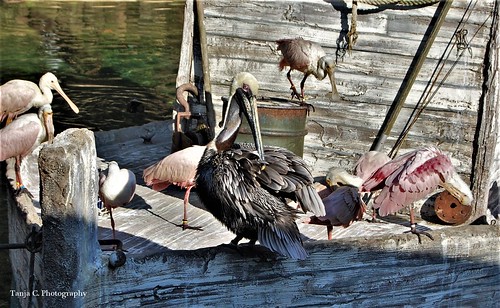
American Herring Gull (Larus smithsonianus)

The American Herring Gull or Smithsonian gull (Larus smithsonianus or Larus argentatus smithsonianus) is a large gull that breeds in North America, where it is treated by the American Ornithological Society as a subspecies of herring gull (Larus argentatus). Adults are white with gray back and wings, black wingtips with white spots, and pink legs. Immature birds are gray-brown and are darker and more uniform than European herring gulls, with a darker tail. As is common with other gulls, they are colloquially referred to simply as seagulls. It occurs in a variety of habitats, including coasts, lakes, rivers, parking lots, and garbage dumps. Its broad diet includes invertebrates, fish, and many other items. It usually nests near water, laying around three eggs in a scrape on the ground.

: https://en.wikipedia.org/wiki/American_herring_gull

2025 · National Day Calendar

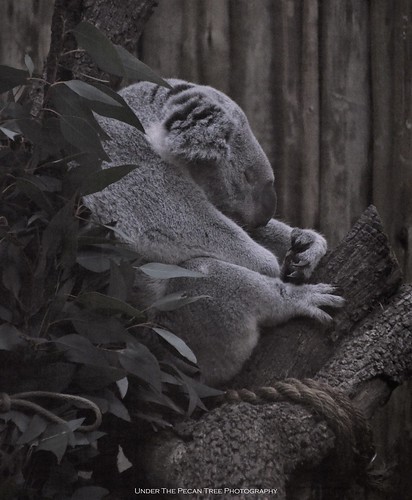
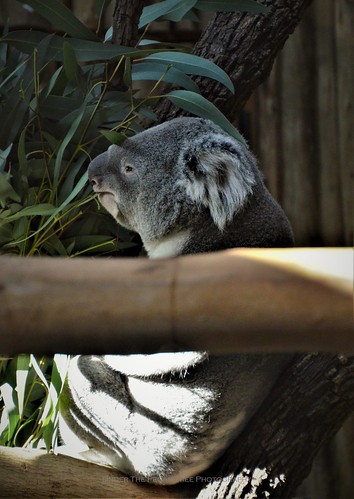
Save The Koala Day 2025 🐨

The Australian Koala Foundation, also known as AKF, started the Save The Koala Month celebrations as a part of its campaign dedicated to helping the koala population. The Australian Koala Foundation began its own noble journey in 1986 under the guidance of two veterinary doctors and the direction of Deborah Tabart. The foundation aims to save the wild koalas by protecting and managing their habitat. They organize an annual campaign to raise awareness of the threats to the koalas and raise funds to continue with their objective.

In 2012, the wild koala was listed as ‘vulnerable to extinction,‘ under the EPBC Act of the Australian Law. This happened only after the Australian Koala Foundation persistently lobbied for the grant of special status to the vulnerable koala population. A senate inquiry led the way, and Deborah Tabart attended each senate hearing and oversaw approximately a hundred submissions — the resultant report was a conclusive indictment of the government’s failure in protecting one of Australia’s most popular icons, the koalas. However, the listing did not prove to be enough. Sadly, for the koalas and for those who care, Australia continues to downplay the immediate attention that koala conservatorship needs. The Australian Koala Foundation is now demanding a Koala Protection Act, similar to the Bald Eagle Act (enacted in 1942). The aim is to implement the act into Australian law for guaranteed protection in the years to come. The Koala Army works tirelessly at all levels of the government to encourage the implementation of the Koala Protection Act.

:https://nationaltoday.com/save-the-koala-day/

2025 · National Day Calendar

National Zoo Awareness Day 2025

The history of zoos dates back to the pharaohs of ancient Egypt. The intent, of course, was different. Back then, many rulers kept exotic animals — to either gift other rulers or for vanity’s sake. There was little to no effort in caring for the animals. Humans still lacked the requisite knowledge or will.

Over millennia, our understanding of the animal kingdom has evolved. We saw animal trainers and zookeepers emerge. However, the general idea of animals as exotic entertainment persisted. Gradually, new knowledge and tools for caring for animals became widespread; zoos and aquariums were born. Around the same time, the idea of humans caring for wildlife first took root and stayed.

By the 19th century, zoology had become a popular field of science. Private animal collections were frowned upon, becoming less and less popular over time. The modern zoo, as we know it today, grew from this evolution of thought. Even so, not all of them are the same.

There are zoos open to the public, while others are purely for conservation purposes. Many private zoos run breeding programs to protect critically endangered species from extinction. Other programs take in rescued animals that can no longer survive in the wild for various reasons.

As conscientious citizens, we must critically examine the zoos in our areas. What is the intent? Are there programs that benefit the animals and conservation? Does the zoo educate the community on wildlife and ecosystems? Are the animal enclosures mimicking natural habitats? National Zoo Awareness Day hopes to instill fascination, love, and respect for animals, particularly when they are in human care.

:https://nationaltoday.com/national-zoo-awareness-day/

2025 · National Day Calendar

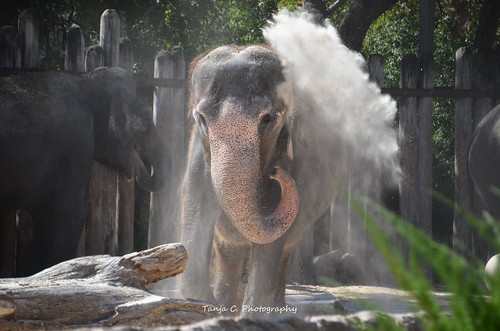
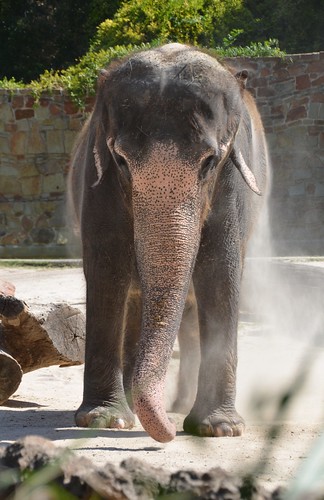
World Elephant Day 2025 🐘

Elephants and humans have come a long way together throughout the history of civilization. Thanks to the sheer expanse of the African elephant’s natural environment, as well as its size and threatening posture, it has largely managed to resist captivity and domestication. The Asian elephant, on the other hand, which has lived alongside humans for over 4,000 years, enjoys great respect and is associated with various cultural and spiritual customs. In Thailand, for example, the elephants are a national icon with a national holiday dedicated entirely to them, and they can even receive a royal title from the king.

Despite all of the above, we still don’t know much about elephants. They have the biggest brains of any land animal, making them clever, conscious, social, and empathetic — qualities humans strive for in themselves. Humans and elephants share many characteristics, and they are possibly more like us than any other animal. But we are putting their future in jeopardy and threatening their essential biodiverse habitats throughout Asia and Africa.

Elephants are a keystone species in their environments, as they promote healthy ecosystems and encourage biodiversity. As the World Elephant Day website says, “To lose the elephant is to lose an environmental caretaker and an animal from which we have much to learn.”

We can save elephants by enforcing stronger local- and international protection policies and legislation for wild elephants against poaching and the illegal trade of ivory, promoting better management of their natural habitats, educating people on the vital role of the elephant in ecosystems, improving the way elephants in captivity are treated, and, if necessary, reintroducing captive elephants into wildlife reserves to allow a natural replenishing of endangered populations. These are just some of the aims of various elephant conservation organizations around the world.

Elephants are running out of space and time. We have to work together to prevent senseless poaching and the trafficking of ivory, and establish protected natural sanctuaries in which elephants and other wildlife can thrive — before it’s too late and they’re all gone.

:https://nationaltoday.com/world-elephant-day/

2025 · National Day Calendar

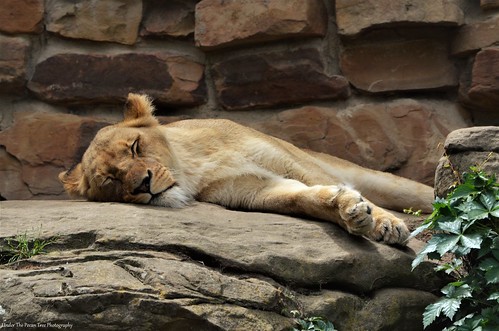
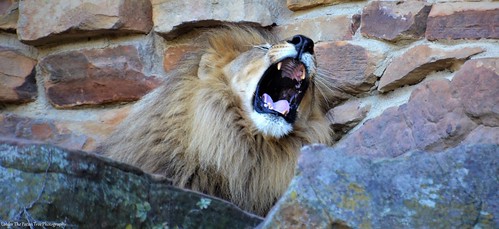
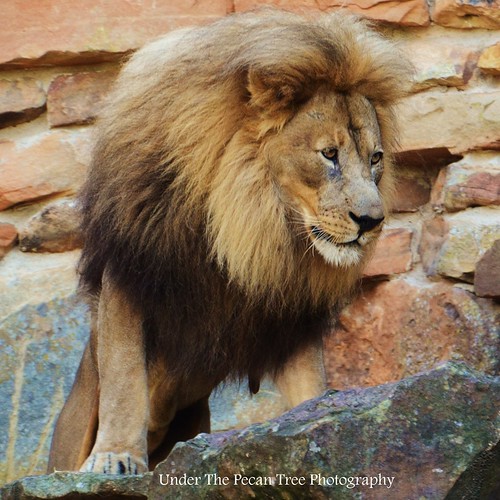
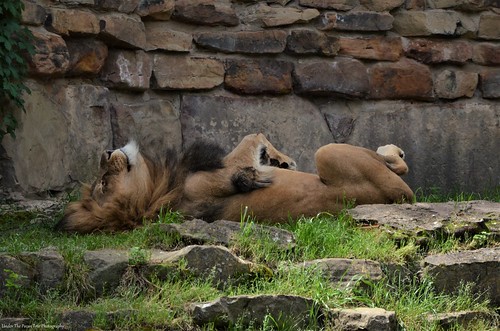
World Lion Day 2025

The first World Lion Day came into being in 2013. It was headed by Dereck and Beverly Joubert, a couple who are passionate about preservation and wild cats. After realizing that lion populations have drastically decreased worldwide, the Jouberts approached “National Geographic” for the brand’s help. Forming a partnership with them, the couple came up with the Big Cat Initiative (B.C.I.) in 2009. The B.C.I.’s main goal would be to protect and preserve the remaining lion species in the world. While aspects like deforestation, climate change, and human intervention may have impacted lion populations, studies have shown that their extremely low numbers may also have to do with ice ages and natural environmental disasters that have led them to become secluded in only a few countries of the world, namely India and South Africa. To date, the B.C.I. has made substantial leaps, from getting 150+ grant awards to reducing almost 3,000 threats to 3,000 wild cats to removing 13,000 life-threatening snares.

The lion comes from the ‘Felidae’ family of cats, and it is considered to be an apex predator. It is the second-largest cat, weighing around 300 to 600 pounds, with the first being its cousin, the tiger. An average lion’s body is muscular with a short, round head and ears, and a tufty tail. Its sex can be identified through its heavy and luscious mane, which is absent in lionesses. Lions also happen to be the only cats that roam around in large groups known as a pride. Scientists believe that lions do so because it is easier to catch prey in the wild. Their natural habitats are savannas and grasslands. You will most likely find a pride of lions near water bodies as they strategically wait for prey to come there for a drink and then pounce on them.

:https://nationaltoday.com/world-lion-day/