
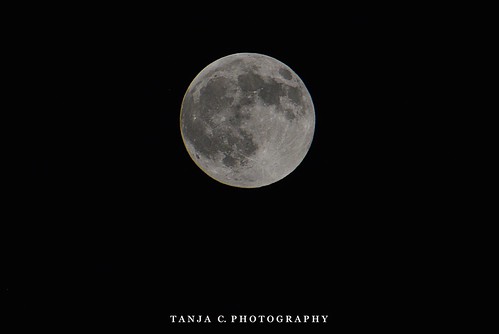
This isn’t just any Moon—it’s the first of three Supermoons in 2025, making it the largest and brightest full Moon of the year. Rising low on the horizon, it will appear bigger, brighter, and more golden than any other Moon this year, casting long, glowing light across autumn fields, landscapes, and evening skies. Gardeners, photographers, and stargazers alike will find it a sight to remember.
Because it is a Supermoon—occurring when the Moon is at perigee, its closest point to Earth—it will appear noticeably larger and brighter than a typical full Moon. The Harvest Moon is the full Moon closest to the autumnal equinox (September 22 or 23). Unlike other full Moons, it rises about the same time for several nights, providing extended evening light. Historically, this extra illumination helped farmers complete their harvests before fall frosts.
:https://www.almanac.com/content/full-moon-october
🌑🌒🌓🌔🌕🌖🌗🌘🌑
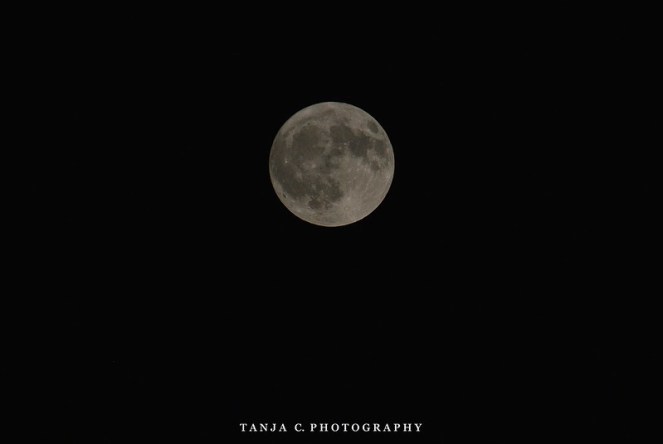

 Under The Harvest Moon