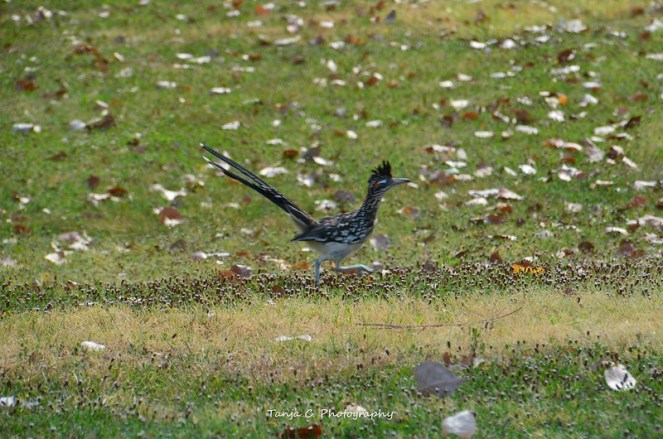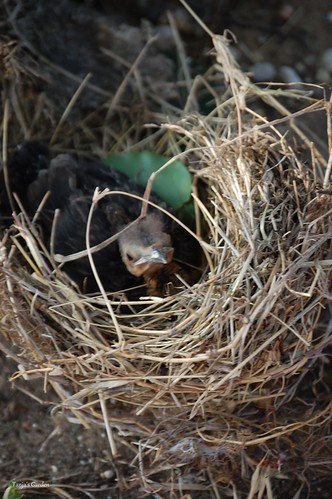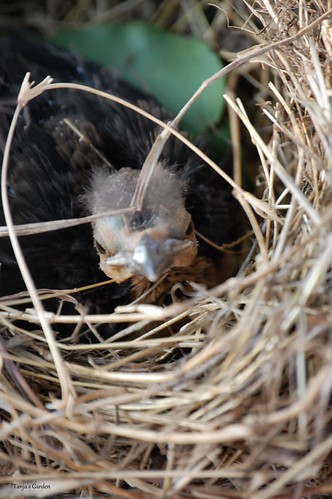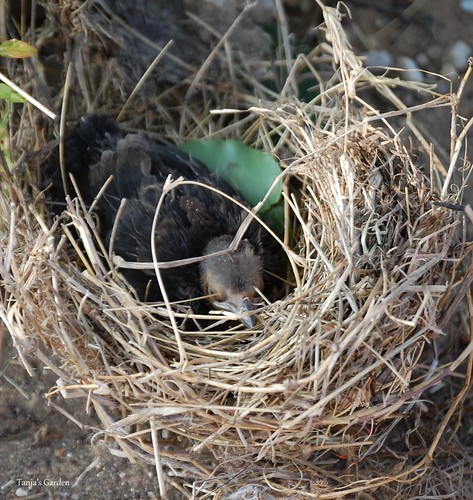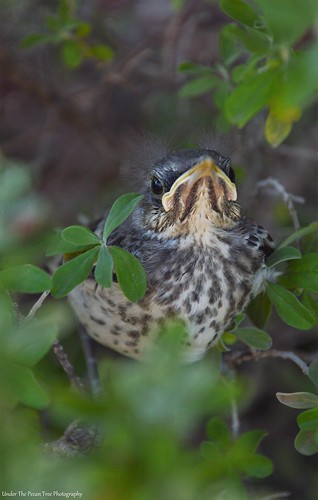
Although the Greater Roadrunner occurs throughout Texas, is well known, is the topic of much folklore, and is a very popular cartoon character, the only field research studies that have been conducted are in desert scrub or brush-grassland habitats in South Texas. As a popular, iconic, multicultural bird from prehistory to modern times, it is surprising that it was one of the last bird species to be given state protection because of the mistaken belief that roadrunners were a threat to declining quail populations.
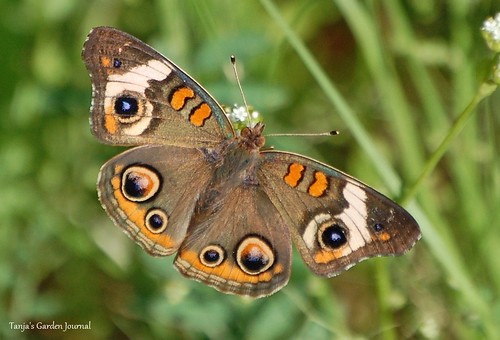
Junonia coenia, known as the common buckeye or buckeye, is a butterfly in the family Nymphalidae. Its range covers much of North America and some of Central America, including most of the eastern half of the US, the lower to middle Midwest, the Southwest (including most of California), southern Canada, and Mexico. Its habitat is open areas with low vegetation and some bare ground. Its original ancestry has been traced to Africa, which then experienced divergence in Asia. The species Junonia grisea, the gray buckeye, is found west of the Rocky Mountains and was formerly a subspecies of Junonia coenia.
Caterpillars of these butterflies appear to prefer plants that produce iridoid glycosides, which are bitter compounds that release a hormone called gastrin that activates the digestive system (i.e., hunger); therefore, iridoid glycoside-producing plants stimulate and attract their appetites, particularly when found in plants like Plantago lanceolata. In fact, these metabolites may trigger oviposition behaviors in female butterflies so that descendant larval bodies may better incorporate iridoid glycosides. Iridoid glycoside metabolites appear to have a growth-stimulating effect on caterpillars but a growth-reducing effect on predators. Predators like ants, wasps, birds, and small animals prefer to feed on iridoid glycoside-poor caterpillars rather than iridoid glycoside-rich larvae, potentially due to these effects. Therefore, the immunity of Junonia coenia larvae to predators like ants appears to be strongly related to the concentration of iridoid glycosides sequestered in their bodies. However, excessive intake of iridoid glycosides in the diet can impair these larvae’s immune response and increase susceptibility to parasitism.
Adult butterflies feed on flowers with certain pollinator cues: yellow flowers that are ‘pre-change’, or flowers whose color has not been changed due to insect visitation or other factors. Common buckeye caterpillars feed in isolation rather than relying upon grouping behaviors. Vulnerability to the Junonia coenia densovirus is another concern for the survivorship of common buckeye larvae.
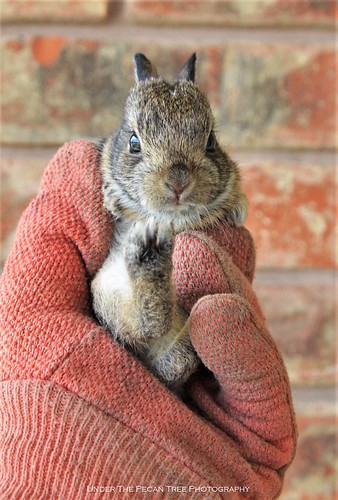
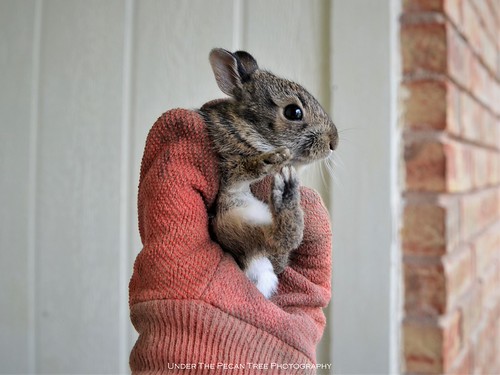
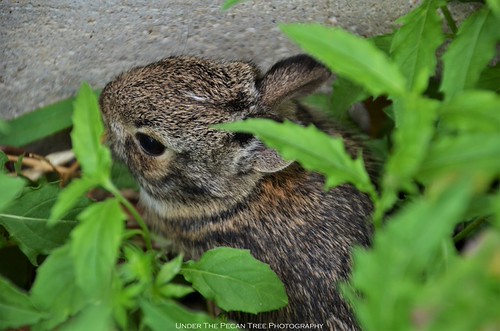
While I pulled some weeds, I found a little bunny hiding between the Evening Primroses in the frontyard. Since it was still little, I could catch it and examine it. Once I saw it was okay, I sat it back down in the primroses and let it move on. The plants were high enough to give the little bun-bun protection from predators.
The historical evolution of Hummingbirds has not been traced to any verifiable or scientifically researched source. Their first public sighting was published in a journal by a French explorer on his travels to Brazil. Their ability to have survived millions of years must have been difficult due to their size and structure. Hummingbirds, as beautiful and precious as they are, are only found in the Americas, especially in North and South America.
Hummingbirds are those small, colorful birds distinguished by their ability to hover mid-air, rapidly flapping their wings – which produces the humming sound they are characteristically known for. They are attracted to flowering plants, especially those with deep throats, and feed on the nectar for survival. Their reliance on nectar has helped the development of new hummingbird species influenced by the changes in the flowers. The number of species is still growing, but about 360 species of Hummingbirds currently exist. Even with their aggressive nature, as many as 25 different species of Hummingbirds can survive and co-exist in the same place. The hummingbird’s size makes them susceptible to being preyed upon or caught in dangerous situations that could be man-made or natural. Some of these threats include pesticides, adverse weather conditions, large insects or predators, habitat loss, and poor feeders, among others.
Even though these creatures have survived a long time without the direct and active intervention or help of man, this is currently changing as more information is being gathered on their vulnerability and threats to their survival. National Hummingbird Day exists to celebrate these beautiful flying creatures. It recognizes their importance in pollinating our flowers and identifies threats and situations that are harmful to them. It also encourages safer practices that will ensure their survival.
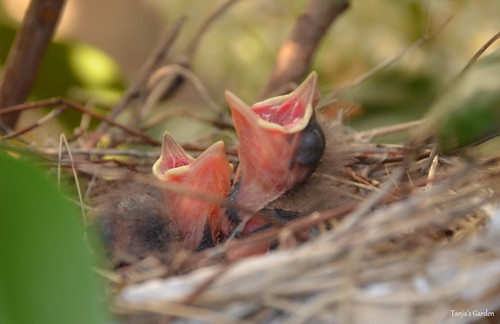
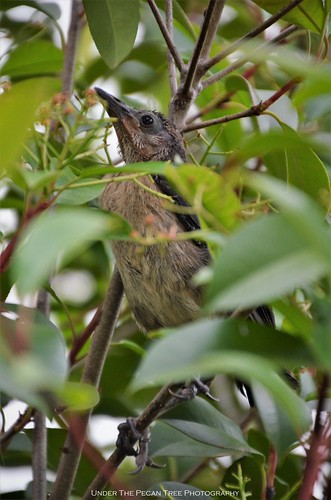
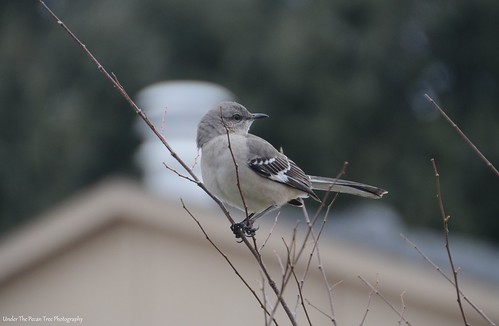
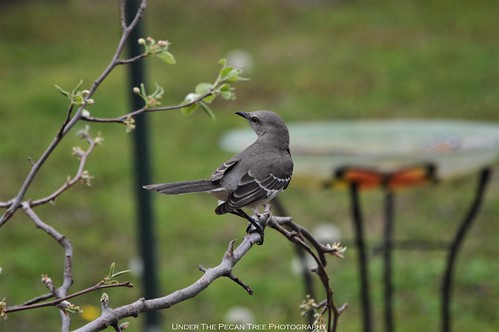
Mockingbirds are one of the most commonly noticed birds in the state of Texas. They are either applauded for their audaciousness or cursed for their persistence in nocturnal singing or in the defense of their territory. Insects, fruit, crustaceans, and small vertebrates make up the mockingbird’s diet. The fact that they enjoy fresh fruits and vegetables hasn’t exactly made them gardeners’ friends either, although they do eat lots of insects.
Mockingbirds are found in just about every habitat type in the state. The males’ territoriality and constant singing and displaying during the breeding season make them the most noticeable birds in Texas. Often, this territoriality takes the form of early morning singing sessions or diving attacks on other animals or people!
Unmated male mockingbirds sing more than mated ones, and only unmated males sing at night. Both sexes sing in the fall to claim winter feeding territories. These areas are often different than their spring breeding territories. Mockingbirds mimic 50 other bird songs. They have also been known to imitate other sounds they hear, such as rusty hinges, whistling, cackling hens, and dogs barking so expertly that even an electronic analysis could not tell the difference between the mockingbird and the original. Scientists have found that female mockingbirds are attracted to males that can make the most different sounds.