2025 · Wildlife Wednesday

Black-tailed Prairie Dog (Cynomys ludovicianus)

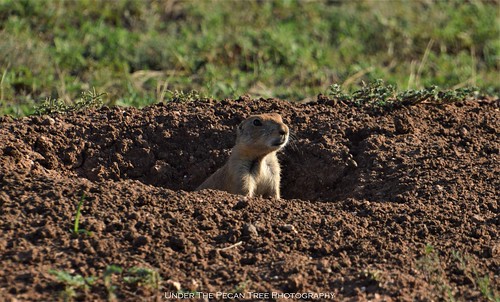
This little Prairie Dog is on the lookout at the Wichita Mountain Wildlife Refuge in Oklahoma.

The Black-tailed Prairie Dog is one of the most social ground squirrels, living communally in large underground networks called β€œtowns.” Named for the bark-like warning they give when predators are nearby, prairie dogs have an interesting social life, are ecologically important to the prairie ecosystem, and have seen drastic declines since 1900. 

Weighing in at two-and-a-half to three pounds, these gregariΒ­ous rodents are primarily light brown with a black-tipped tail. The tan coloration serves as a predator defense; blending into the habitat allows prairie dogs to escape from hawks circling overhead and coyotes hunting from the ground. Like most rodents, prairie dogs are herbivores that feed on grasses and annual forbs. This diet keeps the surrounding area clipped, encouraging desired forbs to grow while improving predator detection. 

Found in dry, upland shortgrass and mixed-grass prairies, these rodents have well-developed forefeet for digging and maintain their extensive burrows. Entrances to the burrows are typically volcano-shaped and provide ventilation to the system, serve as lookout posts, and even help keep water out of the town. Prairie dog towns are surprisingly complicated. Dropping 10-15 feet from the surface at the main entrance, the primary tunnel can extend 50 feet or more. Several chambers can be found at the end of secondary tunnels, used separately for caching food, nesting, and even defecation.

Β :https://www.wildlifedepartment.com/wildlife/field-guide/mammals/black-tailed-prairie-dog

2025 · Autumn · Naugatuck River Valley Backyard Wildlife

Naugatuck River Valley Backyard Wildlife (2)

πŸƒπŸ‚πŸπŸƒπŸ‚πŸπŸƒπŸ‚πŸπŸƒπŸ‚πŸπŸƒπŸ‚πŸπŸƒπŸ‚πŸπŸƒπŸ‚πŸπŸƒπŸ‚πŸπŸƒπŸ‚πŸπŸƒπŸ‚πŸπŸƒπŸ‚πŸπŸƒπŸ‚πŸ

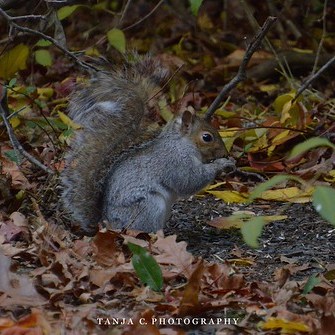
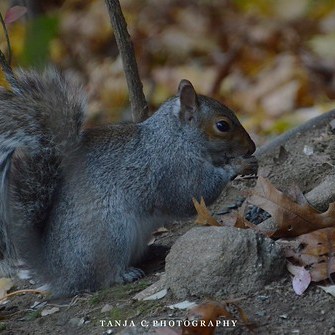
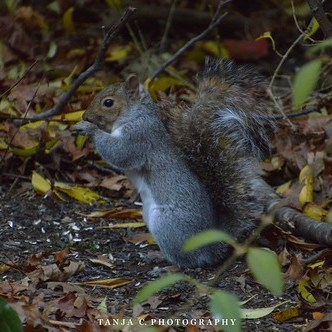
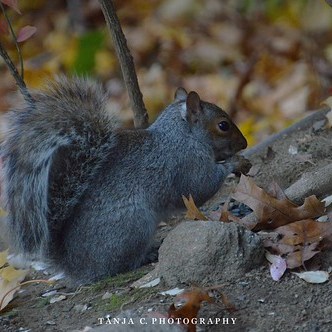
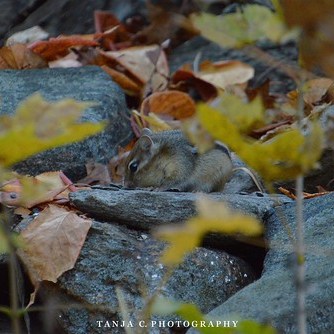
American Red Squirrel, Eastern Chipmunk & Eastern Gray Squirrel

πŸƒπŸ‚πŸπŸƒπŸ‚πŸπŸƒπŸ‚πŸπŸƒπŸ‚πŸπŸƒπŸ‚πŸπŸƒπŸ‚πŸπŸƒπŸ‚πŸπŸƒπŸ‚πŸπŸƒπŸ‚πŸπŸƒπŸ‚πŸπŸƒπŸ‚πŸπŸƒπŸ‚πŸ

2025 · Wildlife Wednesday

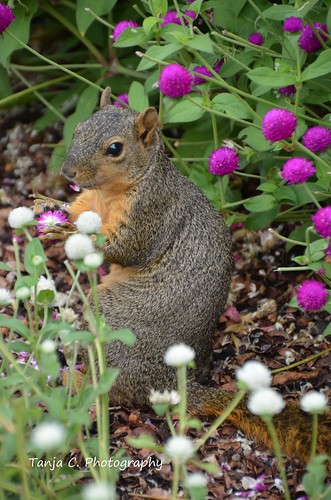
Eastern Fox Squirrel (Sciurus niger)

Fox squirrels are large tree squirrels. Due to their ability to adapt to a wide range of forest habitats, they are Texas’ most common squirrel. Their greatest numbers occur in open upland forests with a mixture of oak and nut trees. Fox squirrels are an important game animal, but their fondness for corn and pecans often causes them to be considered pests by farmers.

Squirrels are usually active early in the morning and late in the afternoon. Fox squirrels nest in holes in trees or build leaf and twig nests. They eat acorns and other nuts, buds, fruit, fungi, insects, amphibians, and the inner bark of trees. Squirrels bury nuts for winter food and relocate the nuts by smell. Squirrels find only a portion of the nuts they bury, and are important in planting many species of nut trees. A single squirrel can bury several thousand pecans over 3 months.

Squirrels’ long bushy tails are used for a variety of purposes. They can be wrapped around a squirrel’s face to keep them warm, used as an aid in balancing when they run along tree limbs, or spread and used as a parachute if the squirrel should fall. With a little practice, watching a squirrel’s tail movements gives you a clue to their mood. Quick jerks of the tail signal that they are nervous or upset.

Fox squirrels usually have two litters a year. Breeding season peaks in January and February and again in May and June. The young, usually 3 – 4 to a litter, are born naked, blind, and helpless. Just three months later, however, they can survive on their own. Squirrels can live up to 15 years.

: https://tpwd.texas.gov/huntwild/wild/species/easternfoxsquirrel/