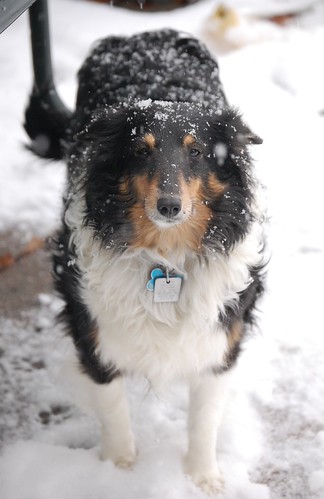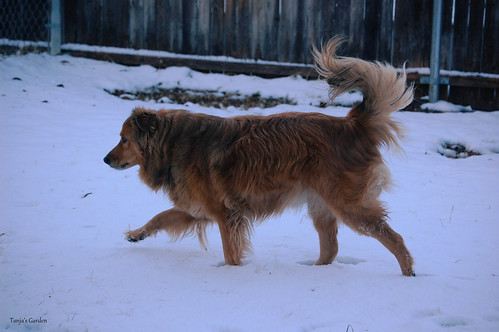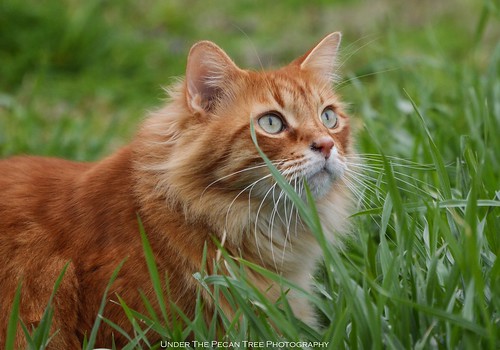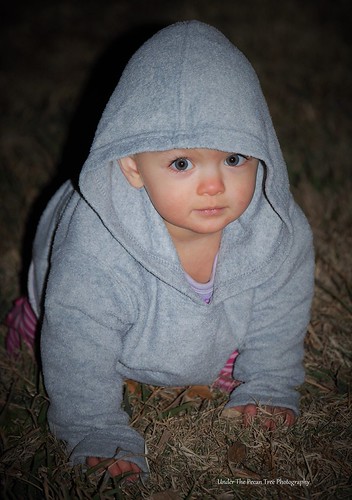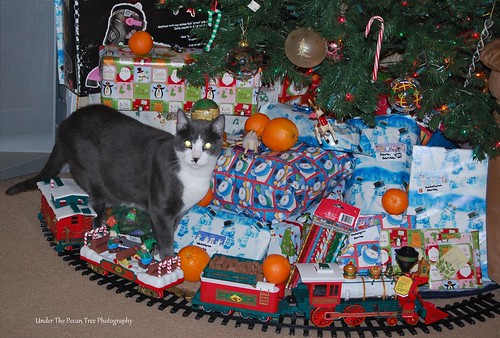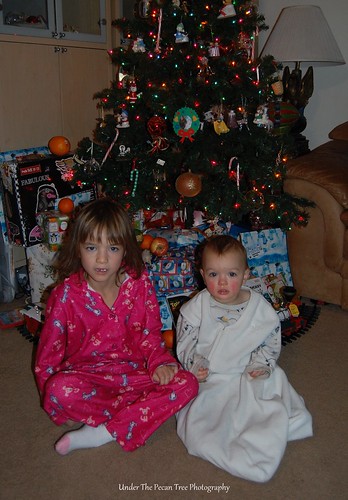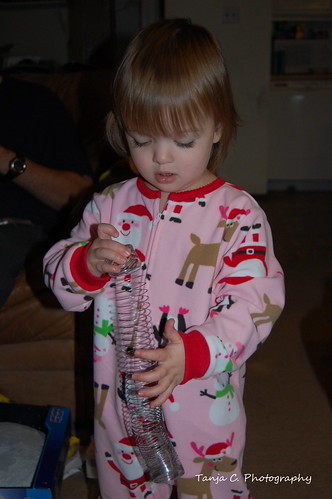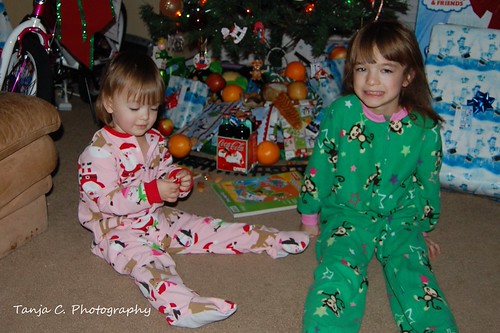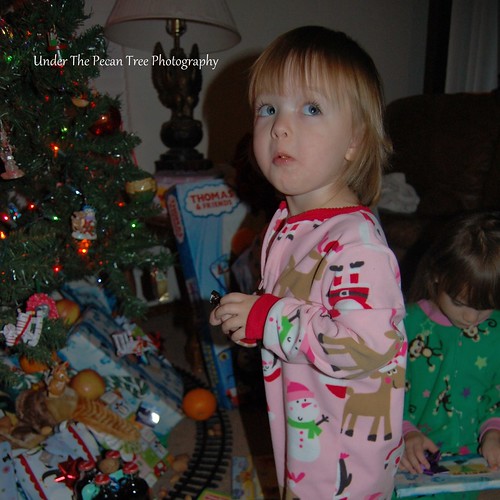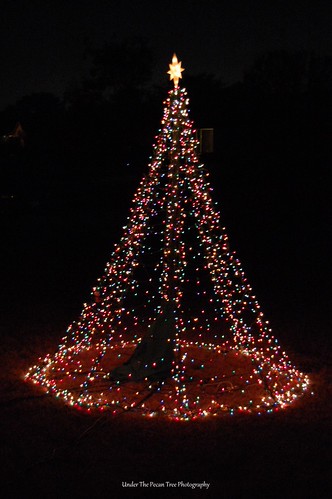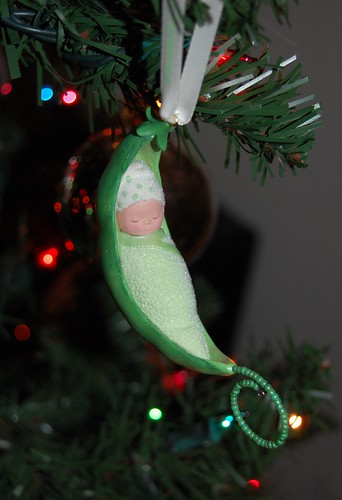
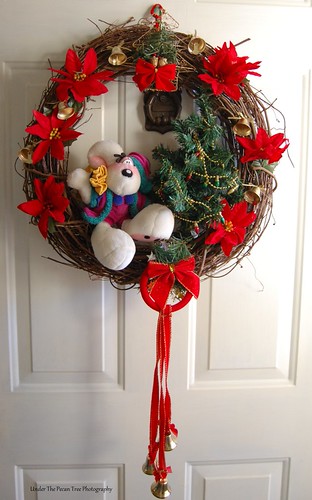
Since Kevinβs homemade Christmas tree got positive feedback, he installed it again in 2008. The same year, I decorated a Christmas wreath for our girls.
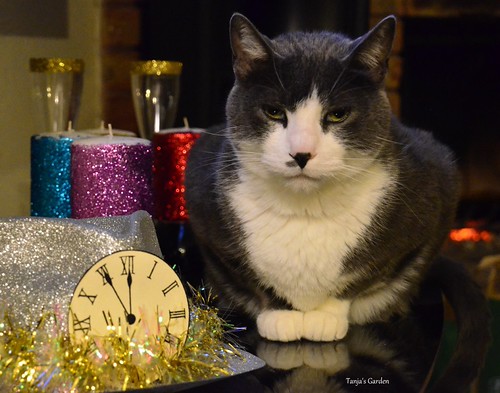
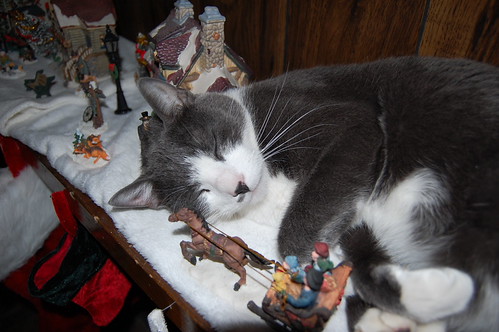
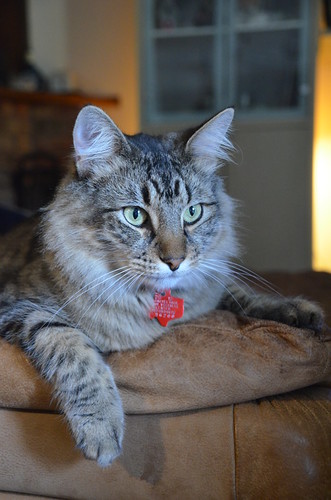
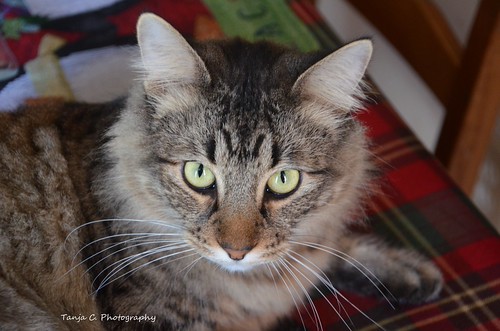
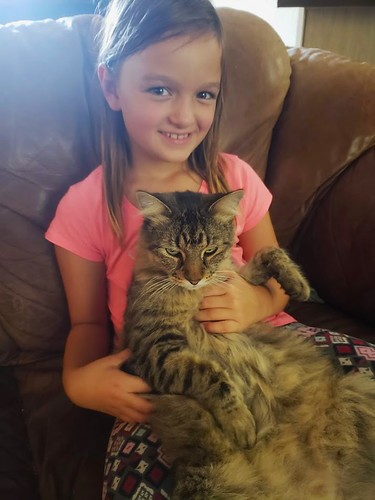
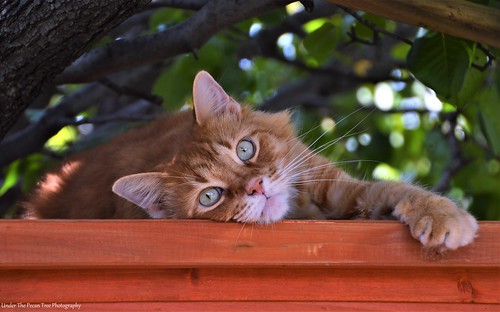
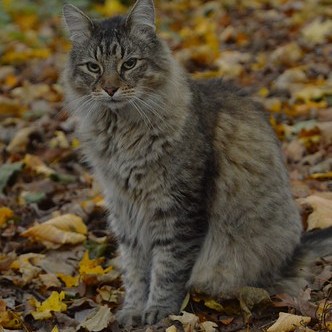
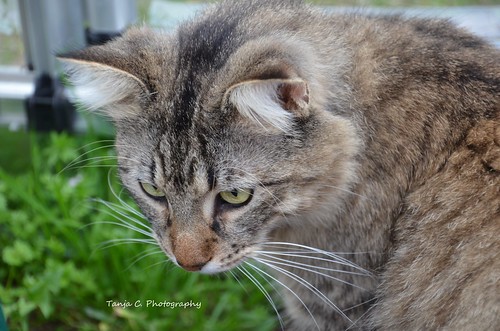
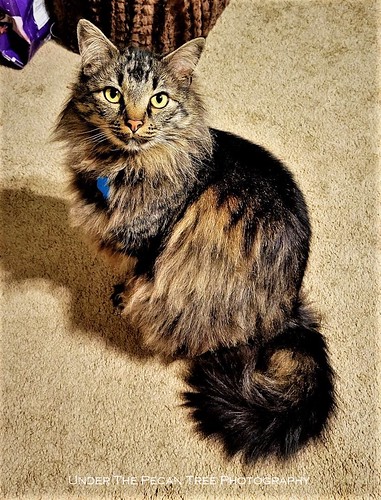
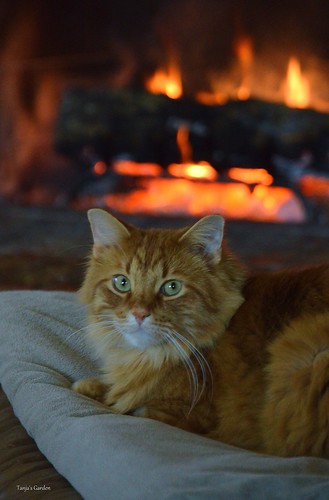
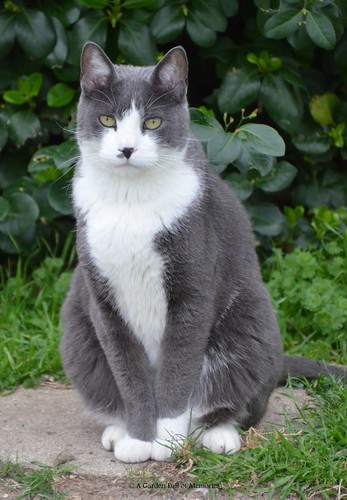
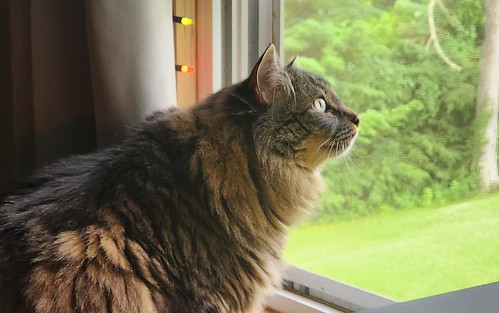
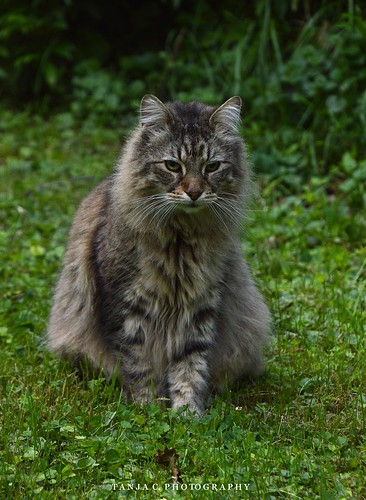
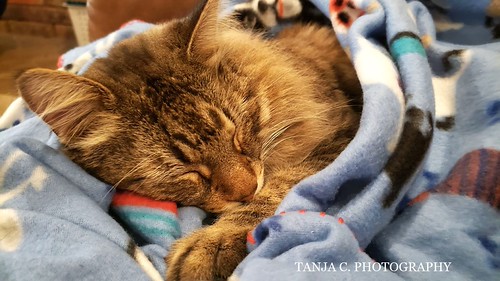
That cat β¦ THAT CAT gets on our last nerves! Heβs ornery; he does what he wants; he scatches every door frame to get into a room, even when we just βkickedβ him out; he doesnβt let Kevin sleep; he complains, when we push him in the middle of the bed, so Kevin and I can stretch out; he gets himself stuck under the car wheel (we are still surprised, he didnβt kill himself yet). β¦ Yeah, that boy ainβt that cute. We are still amazed that Josh made it to 19. … Well, we signed up for that 13 years ago. And now, we’re gonna deal with it until he decides to cross the Rainbow Bridge. That might take another five to ten years. But after all, we love him. So, we want to wish Joshua a very happy, crouchy Birthday!
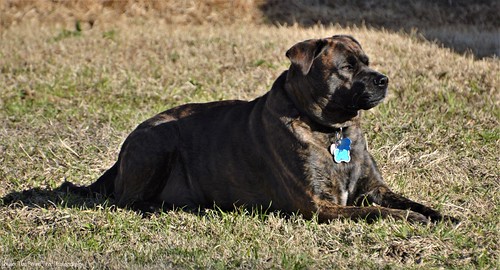
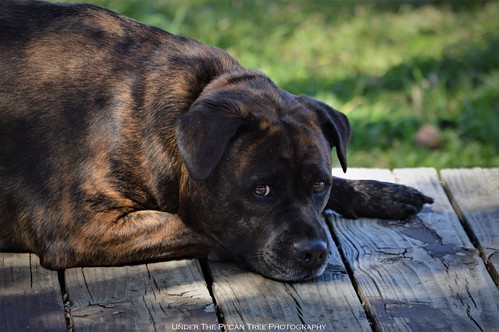
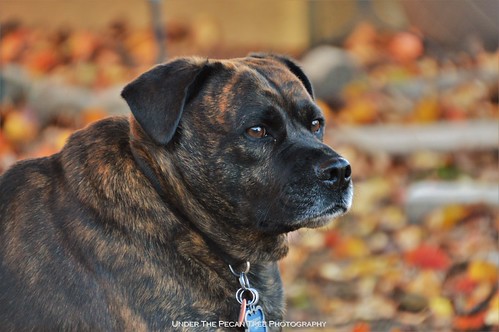
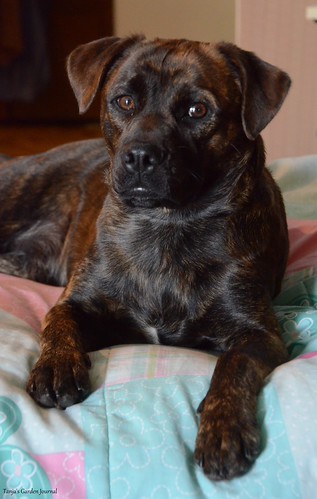
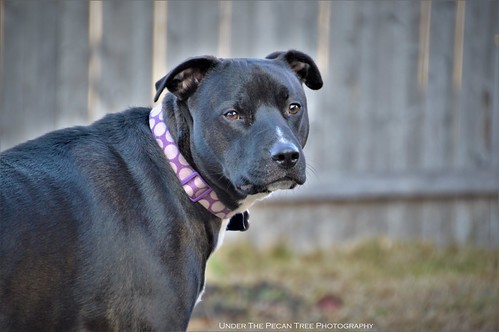
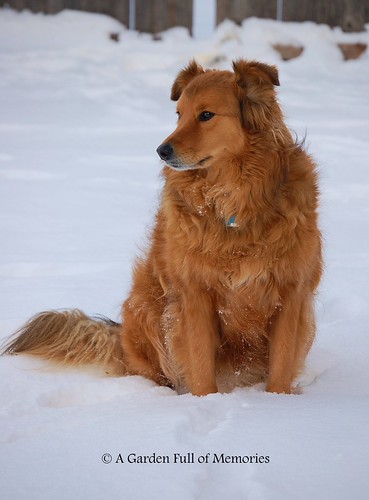
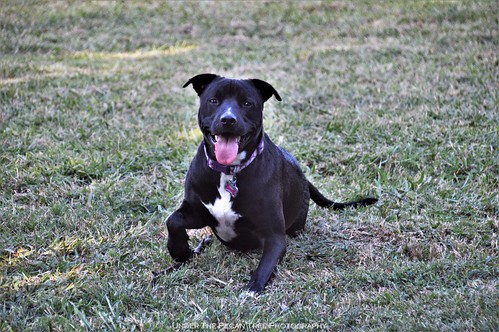
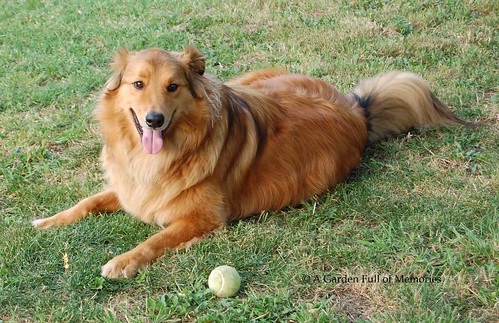
Letβs throw this day to the dogs! Not just any dog, though. Today, we toast to the mixed breeds of the world, so raise your water bowls high β¦ because this oneβs for the mutts! Thereβs no ifs, ands, or mutts about it β December 2 is National Mutt Day, and weβre here to celebrate. In fact, we love this day so much, we celebrate it twice a year. The next National Mutt Day isΒ July 31!


Cats were first seen in the early Pliocene Epoch, approximately 5 to 4 million years ago, and have evolved into modern times with remarkably little change. The earliest known association between cats and humans can, however, be traced as far back as the origins of agriculture in the Middle East around 9,500 years ago.
In recent years, the skeleton of a cat was found buried along with that of a human in southern Cyprus. Although some sources noted that this discovery suggested that cats had undergone some forms of domestication in that region, other sources argued that cats may have chosen to domesticate themselves by living in human-altered landscapes. They cited the evidence that the cat genome was not so different from that of the African wildcat at that particular period.
Fossil evidence unearthed in China, dating back to about 5,300 years, shows that cats of a size similar to modern domestic cats used to feed on small grain-eating animals such as rodents. In contrast, the cats in agricultural settings went for millet.
Thereβs also a common belief that cats were domesticated in ancient Egypt because of the Egyptiansβ great affinity for cats, and the animals had social and religious significance in their culture. Although cats were considered sacred animals in Egypt around 2465 B.C. to 2150 B.C., they had not yet been domesticated. It’s possible that the ancient Egyptians kept cats because they valued them for protecting their barns from rodents. Their respect and affection for this majestic predator resulted in the development of religious cat cults and the worship of cats in temples. There are no authentic records of domestication earlier than 1500 B.C.
Dogs are in the class of animals known as Caniformia, which is Latin for βdog-like.β This familyβs other members, including raccoons, bears, foxes, and skunks, share dog-like traits. Some theories suggest that dogs evolved from wolves, while others propose that they evolved alongside wolves. Regardless of the circumstances, dogs have managed to warm the hearts of humans worldwide.
Initially, humans allowed dogs to pick the bones clean after they had hunted and enjoyed their meals. Dogs likely followed humans as scavengers at first, providing a service that they still give us today β protection. They grew tamer with each generation until they became permanent companions. From here, humans certainly domesticated both dogs and gray wolves, keeping them as pets. For more than 12,000 years, dogs have lived with humans as protectors, hunting companions, objects of scorn or adoration, and buddies.


Today, dogs are regarded differently in various regions of the world. In Western society, people highly value dogs because of their characteristics of friendship, protectiveness, loyalty, and affection. The United States and Europe have seen the care of dogs grow into a multibillion-dollar industry.

Dogs are also widely used in animal-assisted therapy. This type of treatment helps to relieve anxiety, pain, and depression in people with a range of mental or physical health problems. However, in some of the developing nations and many regions of Asia, dogs are not treated with love. They are used for protection, as beasts of burden, or even for food.
Chewbacca had a limp on his right hind leg for the past weeks. First, we thought he reinjured himself. Usually, it heals on its own. But this time, it didn’t get any better. I was waiting for Kevin to come back from Europe before we went to the veterinarian. At the veterinarian, we got the diagnosis that Chewbacca had a tumor in his crotch/leg area. It was so big that there was no way to remove it. There was some nerve damage in the leg, and he frequently did his business outside the litterbox.
After the veterinarian specialist explained all the options, including cancer treatments, I called it. I love Chewbacca so much that I didn’t want him to suffer any longer than it was necessary. He was my favorite companion, because he was the closest to me when I was sick. He deserved the best. And relieving him from the pain was the humane thing to do. I feel such a deep void in my heart. We are all sad about his passing.
In Loving Memory of Chewbacca 11/18/2012 β 11/07/2025
Lifestyle writer Colleen Paige has taken credit for establishing National Cat Day in 2005. Her stated mission: βTo help galvanize the public to recognize the number of cats that need to be rescued each year and also to encourage cat lovers to celebrate the cat(s) in their lives for the unconditional love and companionship they bestow upon us. βWe categorically believe her. She appears to love all cats β domestic and feral β and weβre certainly in favor of that.
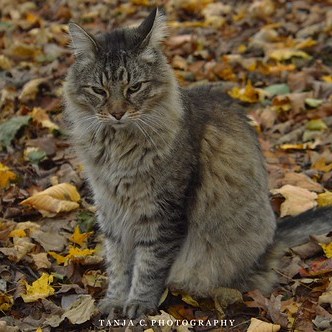
Science magazine reports that cat domestication goes back 12,000 years. That encompasses a lot of toys and even more naps. The process appears to have taken place in the Middle East β think Israel, Iraq, and Lebanon. Domestication did not happen overnight. Cats did not go from wild beasts to softly purring pets β just, sort of, one day. Per National Geographic: βDNA analysis suggests that cats lived for thousands of years alongside humans before they were domesticated. During that time, their genes have changed little from those of wildcats, apart from picking up one recent tweak: the distinctive stripes and dots of the tabby cat.β
Another study from the University of Rome scholar Claudio Ottoni reveals that ancient sailors would bring cats along to βhelp protect food storage on board by killing rodents. This allowed cats to spread across the world.βWeβre glad they spread. Like dogs, who get all the credit for being lovable, cats feel everything we do. They can gauge our moods and emotions β and act accordingly. They have also given up a lot of their natural cravings to live in homes and apartments. (Especially indoor cats.)
In 2007, National Pitbull Awareness Day was created to help raise awareness about the truth about Pitbulls. For nearly 100 years, these four-legged friends were considered loyal, docile, and loving! Parents would often leave their babies or toddlers with their pit bulls while they ran to the store (Note: no child should be left alone or unattended with any dog).Β
Over the decades, pitties have unfortunately garnered a reputation as being ferocious, malicious, and dangerous beasts. An image far from the truth and based on the actions of maligned humans, not the animals themselves.
Pit bulls were born out of a mixture of a bulldog and a terrier in England in the 18th century, partly to help with much-needed rodent and vermin regulation from the Industrial Revolution, but also because dog fighting was, unfortunately, popular at the time. That said, as the now-extinct Bull and Terrier breed evolved into the American Staffordshire Pit Bull we now know and love, these pups were always considered affectionate, loyal, and great family dogs by breeders and owners alike.
Global Cat Day on October 16th raises awareness surrounding non-lethal feline programs across the country. More than any other shelter animal, cats and kittens face euthanization at a much higher rate. However, programs such as trap, neuter, and release (TNR) make it possible for cats to live long and healthy lives in our neighborhoods.
TNR programs aim to reduce shelters and overall colony populations across the country. TNR programs trap feral and stray cats. They are then neutered and vaccinated under the care of a veterinarian. Their ears are tipped to identify that they have been spayed or neutered. The cat is released back into the neighborhood where they were captured. Long-term studies across the country show that not only does the population decline, but the cats live out their lives healthily. Additionally, these programs save taxpayers money over time.
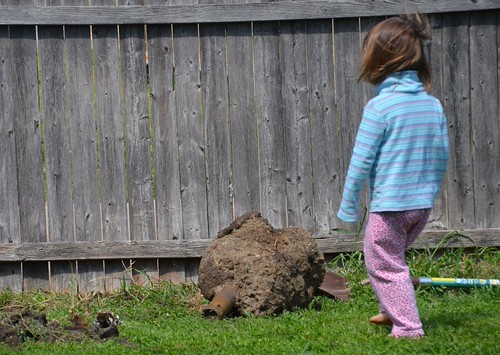
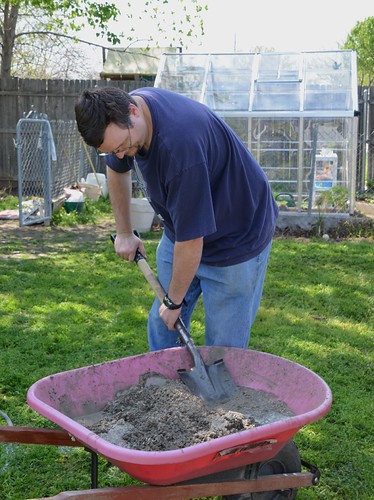
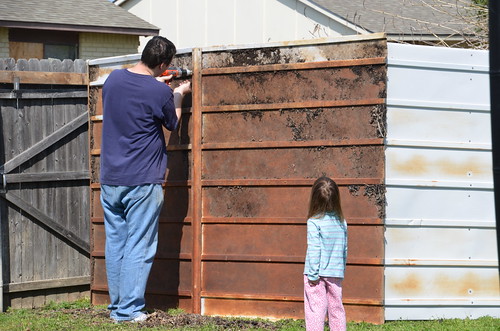
One of our fence poles didnβt have a cap to cover it. When it rained, the pole collected water. Over time, the metal started to rust through and didnβt hold up the fence. It also didnβt help that Ranger always peed on it. So, one Saturday afternoon, Kevin got the materials to fix the fence. He dug the concrete block up, which was huge. It took us both to lift it out of the ground. Once the new pole was in place, Kevin poured the concrete to keep the pole in place.
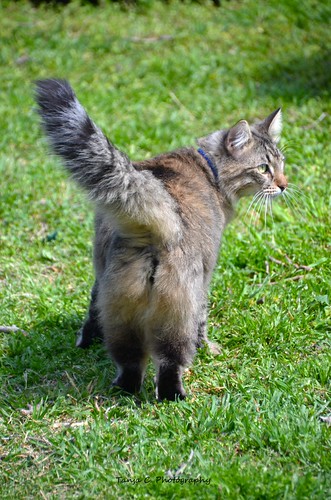
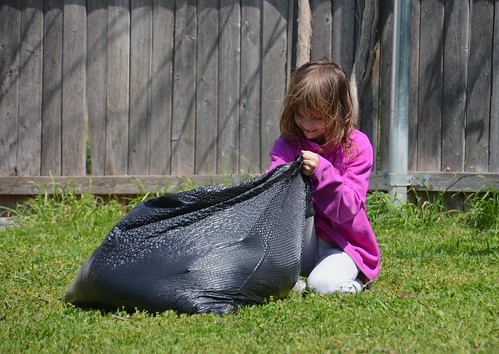
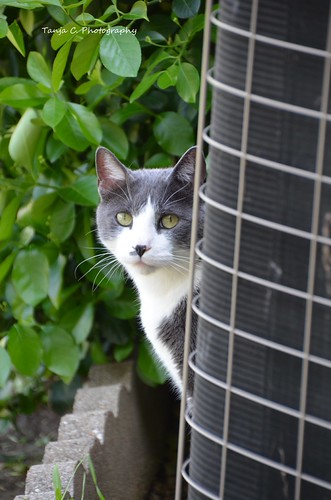
While the concrete set, Kevin dismantled the old rusty shed that was here before we moved into the house. All it did was attract rats. We had to get rid of it sooner or later. We had that extra space and enough room to trim the trumpet vines. In the meantime, Katelynn and Sara collected the rest of the twigs from the Mimosa, which was cut down three days prior. Our cats made sure that we all did our chores.
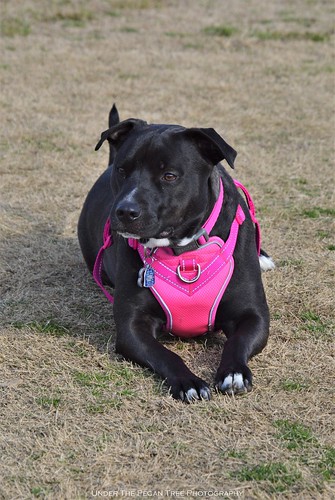
Pitbull Awareness Month was formed in 2007 to assist in increasing awareness of the truth about pit bulls. Pitbull rescue and education group Bless the Bullys in Tennessee came up with the concept of National Pitbull Awareness Month, which quickly caught on and spread throughout the country. Pitbulls have been referred to as βnanny dogsβ for almost a century because of their loyalty, docility, and love.
Pitbulls were once viewed as a representation of American pride. They can be therapy and service dogs too. You can depend on them for anything. The traits that make these dogs such great companions β like loyalty, strength, and a desire to please their family β however, they have been misused by a small number of people, leading to criticism of the entire breed throughout time. They are perceived as being nasty, malevolent, and possibly deadly creatures. a portrayal that is far from accurate and is based more on the conduct of the criticized people than that of animals.
Pitbulls were bred for dog fighting, which was regrettably common at the time, but they were developed in England in the 18th century as a hybrid between a bulldog and a terrier to help reduce pests and rats brought on by the Industrial Revolution. Even before the breed was dubbed the American Staffordshire Pitbull in the 1980s, many who breed and own the dogs have long believed them to be devoted family companions.
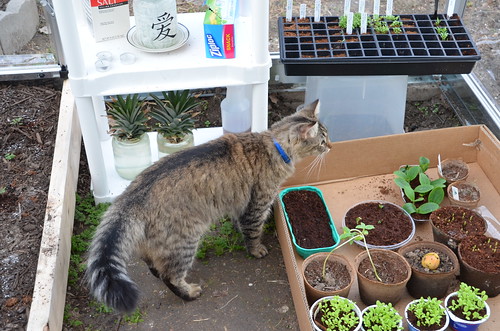
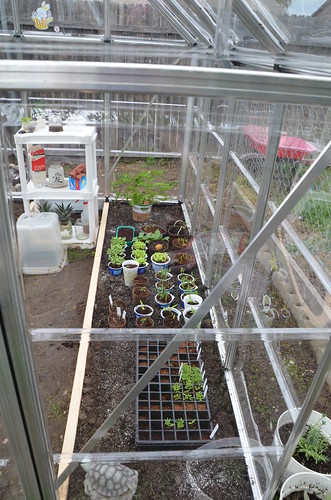
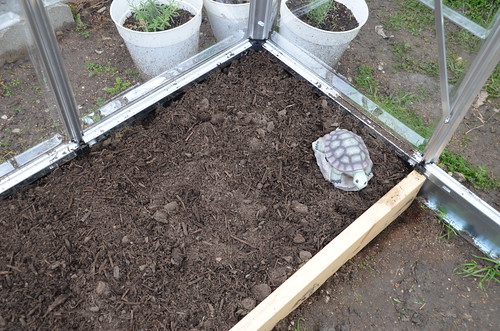
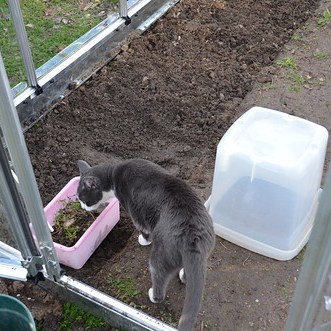
The rest of the raised beds were built and filled with soil. and ready for some planting. Joshua was my greenhouse inspector. He would make sure the beds were built to standard. The vegetable seedlings grew nicely and were ready to be planted into the beds.
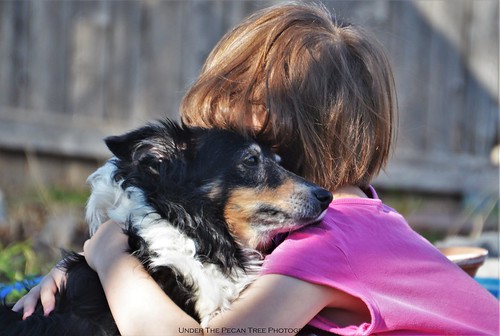
The true and unconditional love of a dog: “When you feel sad or hurt, you just give me a hug! I’ll always be there for you, Sara! Pinky-Paw Promise!”
National Hug Your Hound Day was started by Ami Moore, the βDog Whisperer of Chicago.β She created the day to celebrate the long and lasting bond between a dog and its owner. Ami Moore is best known for her exceptional qualifications that have led to her being one of the worldβs most famous dog experts. She was trained as a Native American Medicine Woman, and her expertise has been testified to by a series of degrees and honors. She works with the singular purpose of increasing the health and happiness of canines all over the world. Along with medical and behavioral help, she aims to achieve that through Hug Your Hound Day celebrations.
Ami has a long history of working in canine behavior and problem-solving. Sheβs best known for pioneering the concept of positive reinforcement using electronic dog training equipment to encourage a dogβs natural drive to follow a strong leader. Through the development and use of her techniques, Ami has helped better the rowdy behaviors in dogs all over the world, creating a better relationship between them and their owners. Some of the issues that Ami has successfully treated are a dogβs tendency to destroy furniture, jump on guests, experience separation anxiety, and socialize them so theyβre no longer aggressive to people and other dogs. Needless to say, her expertise has made the world a better and safer place for dogs and dog lovers. Hug Your Hound Day is about bettering your relationship with your pet by learning humane techniques and being patient with your dogs during their learning period.
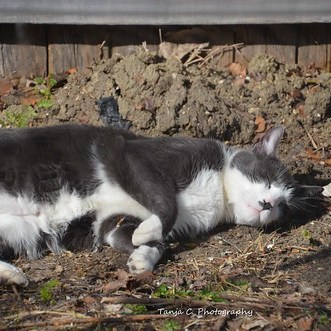
After the greenhouse was built, the next stage was to start a garden-raised bed. I still had plenty of weeds to pull on the greenhouse ground. When most of the weeds were gone, I loosened the clay and mixed it with the raised bed soil. Kevin and I put up an 8β² x 25β³ x 1.5β³ wood plank as a barrier before we filled in the rest of the soil. Finley inspected and watched my garden work before he took a nap behind the greenhouse. I guess watching people work can make a cat very tired. It was a sunny Spring afternoon. I canβt blame him.
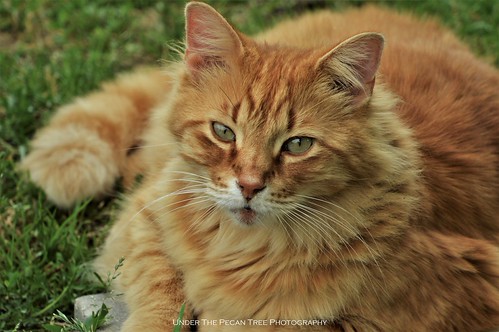
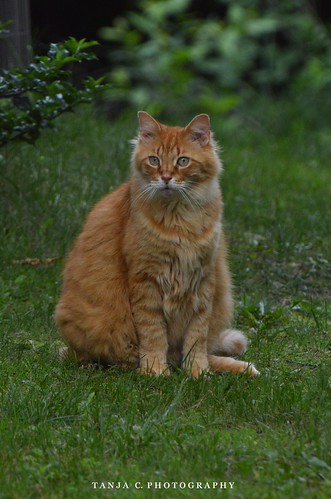
Oftentimes, the turn we are least expectant to take ends up changing our lives. Such is the story of Chris Roy, a software developer turned animal rights activist. In 1997, Roy found a stray cat near his home. Out of pity, he carried the stray home and decided to foster him for a while. Little did he know how that runt of the litter would change the purpose of his life. Within weeks, Roy formed a special bond with the feline and gave him a permanent place in his house. The 14-pound tabby filled Royβs day with warmth and belonging. Doobert, the name he gave to his ginger, lived for 17 years.
In 2014, Doobertβs death rocked the shores of Royβs life and sucked him into deep corners of uncharted grief. Grappling with the loss of his beloved ginger, Roy dedicated the arrival of September 1 as Ginger Cat Appreciation Day. He also launched Doobert, an online app that connects rescue homes and animal shelters with volunteers throughout the world. Since 2014, Roy has worked with over 1,200 organizations across North America and built a volunteer base of 27,000+ pet lovers and enthusiasts. By dedicating the day in memory of his cat, Roy aims to raise awareness about the divine duty of humans to look after our furry friends.
With the annual celebration of Ginger Cat Appreciation Day, we pledge to carry the loving spirit of Doobert with us and spread the message of animal welfare across the globe. Reach out to your local shelters, feed the strays of your community, and raise a toast to the amazing companionship that our pets provide us.
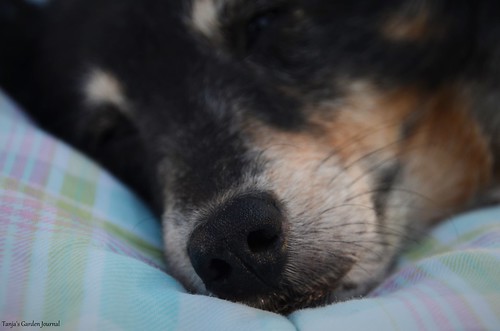
π In Memory of Ranger, Finley, Lexi, Zoey, and Ozzy π
The death of a pet, whether furry, feathered, or an uncommon variety, is felt deeply. They become family and a familiar part of our lives. Mourning their death is different for everyone, and the observance provides a way to help heal the ache of loss. The pain of loss is real. As each person travels through their grief, we remember the companionship and comfort they provided to us. Donβt forget that part of the relationship includes the care you provide. The empty space left by the loss of a beloved pet is sometimes a difficult void to overcome.
Dogs are manβs best friend for a reason, so why not celebrate them? These furry friends range in all different shapes, sizes, and breeds. There is a dog out there for everyone! Whether you like big dogs or small dogs, every pup should be celebrated on National Dog Day. This holiday was created in 2004 by Colleen Paige, a Pet & Family Lifestyle Expert and Animal Advocate. She created this day so that all dogs can be celebrated and also to draw attention to the number of dogs in shelters and to encourage adoption for those who have yet to find a place to call home. August 26 is significant to Colleen because it is the day her family adopted her Sheltie when she was 10 years old.
Since the first celebration in 2004, National Dog Day has grown and is now celebrated across the world. In 2013, the holiday was written into New York legislation and can be seen on the New York State Senateβs website. To spread the word further, those who oversee the holiday have joined forces with many rescue partners, including The Humane Society of the United States and West Coast Labrador Retriever Rescue. Together, they draw attention to the number of dogs that are without a home and try to actively encourage people searching for a dog to visit an adoption shelter instead of a pet store.
Since the first day back in 2004, it is estimated that approximately one million dogs have been saved through adoption in the U.S. For dog owners who arenβt looking to add to their family, National Dog Day has become a day for treating their friends like the legends they are and enjoying the connection that weβve built up with dogs over thousands of years. Colleen Paige, the founder of the holiday, also uses the day to draw attention to the multiple ways in which dogs contribute to our society. From putting their lives on the line to help law enforcement track down bombs or drug dealers to providing assistance for those who need it, dogs play an important role. Nowadays, dogs can even identify cancer in patients.
National Dog Day has also been using its platform to encourage dog ownership of all breeds, mixed and pure, and continuously pushes for all dogs to be allowed to live happy and abuse-free lives. National Dog Day is on an upward trajectory and continues to grow in popularity. It is widely covered in the media each year, and rescue homes are the all-important exposure they need to get their message across. Whether you choose to celebrate by volunteering at a rescue home, making a donation to a shelter, or giving your furry friend an extra big cuddle, make sure you spend this day acknowledging just how awesome dogs are.
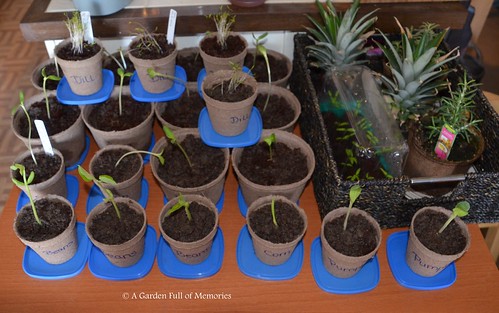
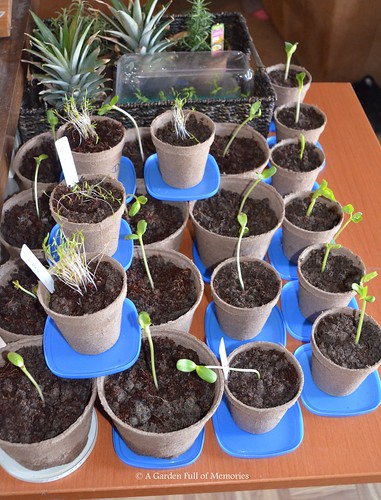
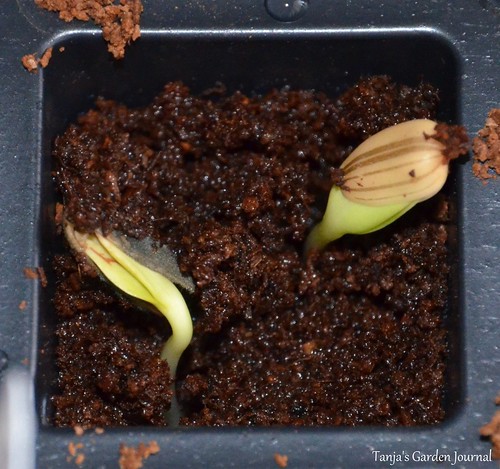
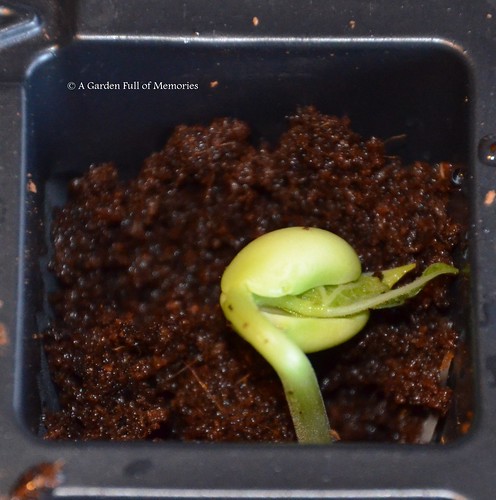
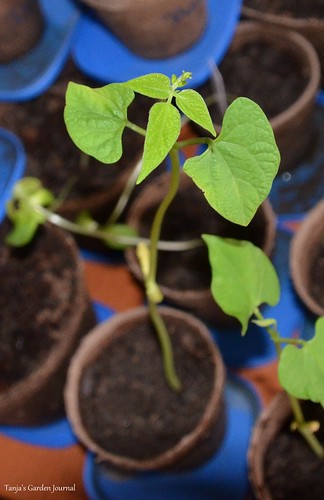
I started my garden in the early Spring of 2013 by sowing beans, bell peppers, corn, pumpkins, sunflowers, tomatoes, and other goodies. I also worked on some herbs. At least, I had something ready to grow in the greenhouse, once the parts arrived and I could finish building it. Joshua made sure that I watered the seedlings every day. And Sara enjoyed the milder days on the back porch.
Cats are carnivorous, small, furry mammals β for the most part β with four legs, a tail, and claws, that humans have domesticated as pets since ancient times. They have descended from the African Wildcat and were originally used to catch vermin.
The first historical human record of cats can be found in the culture of the ancient Egyptian civilization. We all seem to relate cats to Egyptians because of their adoration and consideration of cats as gods. Mafdet was the first known cat deity and was regarded as the protector against snakes, scorpions, and evil during the First Dynasty, so for them, cats were not just deities, but also protectors.
Later, after the Egyptian Dynasty collapsed, Cats became popular everywhere! Greeks and Romans used them as pest control, and in the East, cats were originally owned by the rich and wealthy people. But during the Middle Ages, in Europe, Cats became associated with superstition and were suspected of carrying the disease during the Black Death of 1348; that is the reason why too many cats were killed in that era, and it wasnβt until the 1600s that catsβ reputation started to recover.
In America, cats were part of the cargo on the colonization ships to minimize vermin and disease, so those cats went ashore and flourished. Nowadays, cats seem to be one of the pop icons in modern society β we have about half a billion among us. And, since 2002, thanks to the βInternational Fund for Animal Welfare,β cats have their own holiday!