🍁🍂☃❄🍁🍂☃❄🍁🍂☃❄🍁🍂☃❄🍁🍂☃❄🍁🍂☃❄🍁🍂☃❄🍁🍂☃❄🍁🍂☃❄

🍁🍂☃❄🍁🍂☃❄🍁🍂☃❄🍁🍂☃❄🍁🍂☃❄🍁🍂☃❄🍁🍂☃❄🍁🍂☃❄🍁🍂☃❄
A Texas city girl in a small New England town …

🍁🍂☃❄🍁🍂☃❄🍁🍂☃❄🍁🍂☃❄🍁🍂☃❄🍁🍂☃❄🍁🍂☃❄🍁🍂☃❄🍁🍂☃❄
🍁🍂☃❄🍁🍂☃❄🍁🍂☃❄🍁🍂☃❄🍁🍂☃❄🍁🍂☃❄🍁🍂☃❄🍁🍂☃❄🍁🍂☃❄
🎄🎅🎄🎅🎄🎅🎄🎅🎄🎅🎄🎅🎄🎅🎄🎅🎄🎅🎄🎅🎄🎅🎄🎅🎄🎅🎄🎅🎄🎅🎄🎅🎄🎅🎄

🎄🎅🎄🎅🎄🎅🎄🎅🎄🎅🎄🎅🎄🎅🎄🎅🎄🎅🎄🎅🎄🎅🎄🎅🎄🎅🎄🎅🎄🎅🎄🎅🎄🎅🎄

On June 12, 2011, the Dallas Mavericks won the Finals 4:2 against the Miami Heat in the Kaseya Center in Miami. Three days later, on June 16, 2011, Kevin and I went to Dallas and saw the Dallas Mavericks Parade. Unfortunately, we had too many people in front of us to capture decent photos of the players and the parade. The Dallas Mavericks team waited 31 years for this victory to become the World Champions in Basketball.
Later that month, Dirk went to our hometown, where he got his own parade and waved from the balcony of our Würzburg Residence. From 1984 to 1987, I went to the same school as Dirk. Here, Dirk was six when he started 1st grade. Who would have ever thought that this kid would win an NBA championship many years later?




🌽🌶🌻🌱🍅🥒🌽🌶🌻🌱🍅🥒🌽🌶🌻🌱🍅🥒🌽🌶🌻🌱🍅🥒🌽🌶🌻🌱🍅🥒🌽🌶🌻🌱🍅🥒




🌽🌶🌻🌱🍅🥒🌽🌶🌻🌱🍅🥒🌽🌶🌻🌱🍅🥒🌽🌶🌻🌱🍅🥒🌽🌶🌻🌱🍅🥒🌽🌶🌻🌱🍅🥒
🍃🍂🍁🍃🍂🍁🍃🍂🍁🍃🍂🍁🍃🍂🍁🍃🍂🍁🍃🍂🍁🍃🍂🍁🍃🍂🍁🍃🍂🍁🍃🍂🍁🍃🍂🍁

Rail Bridge
A fresh, masculine Fall fragrance starts with bergamot and orange peel and blends softly with exotic woody notes to complete the composition.
Top: Bergamot, Orange
Mid: Black Peppercorn, Apple, Floral
Base: Amber Wood, Patchouli, Musk
🍃🍂🍁🍃🍂🍁🍃🍂🍁🍃🍂🍁🍃🍂🍁🍃🍂🍁🍃🍂🍁🍃🍂🍁🍃🍂🍁🍃🍂🍁🍃🍂🍁🍃🍂🍁


Around 400 BC, the Babylonians began keeping records of celestial events. They called Mars “Nergal,” The King of Conflicts, ostensibly because of the association between the planet’s color and the bloodshed in armed encounters with enemies. The ancient Greeks and Romans must have made the association as well, because in both their pantheons, Ares and Mars, respectively, were known as the gods of war.
As time went on and it became a possibility that man might one day travel among the stars, authors and filmmakers availed themselves of the sense of wonder surrounding the Red Planet and created works of science fiction and just plain fancy, imagining walking on that rusty ground.
One big question was whether Mars held good old-fashioned water, the source of any life on a planet. Flyby missions detected polar ice caps. Ancient “canals” were shown to be optical illusions, but that didn’t stop many believers from presuming that there had previously been civilizations on the fourth planet from the sun.
It still stands to reason that imaginations have blossomed around the notion of life on Mars, from the classic novel “Stranger In a Strange Land” by 1950s author Robert Heinlein, to 2015’s Ridley Scott film starring Matt Damon, “The Martian.”
During this century, orbiter and rover missions sent back increasingly detailed information about Mars, until NASA and its international counterparts began to plan manned missions to Mars. Now, National Red Planet Day commemorates the launch of the Mariner 4 spacecraft on November 28, 1964. Mariner 4 performed the first successful flyby of Mars, returning the first pictures of the Martian surface.



🦃🌽🦃🌽🦃🌽🦃🌽🦃🌽🦃🌽🦃🌽🦃🌽🦃🌽🦃🌽🦃🌽🦃🌽🦃🌽🦃🌽🦃🌽🦃🌽🦃🌽🦃🌽

🦃🌽🦃🌽🦃🌽🦃🌽🦃🌽🦃🌽🦃🌽🦃🌽🦃🌽🦃🌽🦃🌽🦃🌽🦃🌽🦃🌽🦃🌽🦃🌽🦃🌽🦃🌽
🍃🍂🍁🍃🍂🍁🍃🍂🍁🍃🍂🍁🍃🍂🍁🍃🍂🍁🍃🍂🍁🍃🍂🍁🍃🍂🍁🍃🍂🍁🍃🍂🍁🍃🍂🍁


🍃🍂🍁🍃🍂🍁🍃🍂🍁🍃🍂🍁🍃🍂🍁🍃🍂🍁🍃🍂🍁🍃🍂🍁🍃🍂🍁🍃🍂🍁🍃🍂🍁🍃🍂🍁
~ 11/04/2011 ~

Named after the iconic Charlie Brown catchphrase, Good Grief Day celebrates the life and work of the immovable Charles M. Schulz. Schulz was born on November 26, 1922, in Minneapolis, Minnesota. His interest in the arts was evident during his upbringing, as he would spend his days taking in the works of Pablo Picasso, Edward Hopper, and Andrew Wyeth, while also developing a penchant for cartoons. As a child, he would draw dozens upon dozens of cartoons, inspired by either the cartoons he admired or the world around him.
Growing up, he aspired to be a cartoonist, and at 15, he sent one of his drawings to the “Ripley’s Believe it or Not!” weekly column, which became his first published cartoon — he knew from then on that this was his life.
After returning from military service in Europe in 1945, he would further develop his career as a cartoonist, scoring his weekly series in 1947. That cartoon was “Li’l Folks,” which would be the predecessor of his magnum opus. “Li’l Folks” would later draw the attention of mega publisher United Features Syndicate in 1950, who asked him to develop a new weekly comic strip. Thus, on October 2, 1950, “Peanuts” was born. The iconic series would later become the longest-running comic strip in history — running until Schulz died in 2000.
“Peanuts” is considered one of the greatest cartoon series in history, lauded for its simple yet complex humor and its philosophical and psychological social commentary. Multiple “Peanuts” television and film iterations were made, the most notable being the 1965 TV special “A Charlie Brown Christmas,” which continues to air in syndication today.
From the eccentric beagle, Snoopy, and his worrywart owner, Charlie Brown, to the colorful range of supporting cast, including the logical Woodstock, the antagonistic Lucy van Pelt, and the spunky Peppermint Patty, Schulz’s creations have brought laughter and joy to millions around the world.
🎂🎉🎂🎉🎂🎉🎂🎉🎂🎉🎂🎉🎂🎉🎂🎉🎂🎉🎂🎉🎂🎉🎂🎉🎂🎉🎂🎉🎂🎉🎂🎉🎂🎉🎂🎉

🎂🎉🎂🎉🎂🎉🎂🎉🎂🎉🎂🎉🎂🎉🎂🎉🎂🎉🎂🎉🎂🎉🎂🎉🎂🎉🎂🎉🎂🎉🎂🎉🎂🎉🎂🎉

The Black-tailed Prairie Dog is one of the most social ground squirrels, living communally in large underground networks called “towns.” Named for the bark-like warning they give when predators are nearby, prairie dogs have an interesting social life, are ecologically important to the prairie ecosystem, and have seen drastic declines since 1900.
Weighing in at two-and-a-half to three pounds, these gregarious rodents are primarily light brown with a black-tipped tail. The tan coloration serves as a predator defense; blending into the habitat allows prairie dogs to escape from hawks circling overhead and coyotes hunting from the ground. Like most rodents, prairie dogs are herbivores that feed on grasses and annual forbs. This diet keeps the surrounding area clipped, encouraging desired forbs to grow while improving predator detection.
Found in dry, upland shortgrass and mixed-grass prairies, these rodents have well-developed forefeet for digging and maintain their extensive burrows. Entrances to the burrows are typically volcano-shaped and provide ventilation to the system, serve as lookout posts, and even help keep water out of the town. Prairie dog towns are surprisingly complicated. Dropping 10-15 feet from the surface at the main entrance, the primary tunnel can extend 50 feet or more. Several chambers can be found at the end of secondary tunnels, used separately for caching food, nesting, and even defecation.
:https://www.wildlifedepartment.com/wildlife/field-guide/mammals/black-tailed-prairie-dog




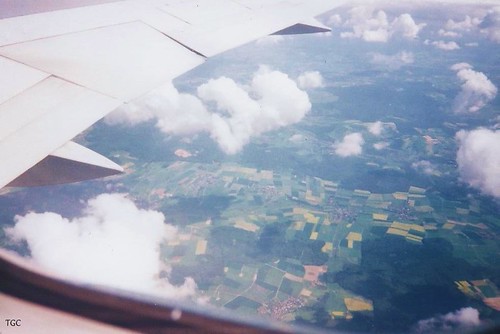

In 2002, Kevin and I married in Germany. Since he wanted to introduce me to his family, we got airplane tickets a month before our wedding. In May, we flew from Frankfurt to Charlotte, North Carolina. In Charlotte, we had to take another flight to Atlanta, Georgia. There, Kevin’s brother and our sister-in-law picked us up from the airport and drove us back to North Carolina. Staying in Charlotte would have been too expensive. So, we had to make a little tour through the South. Shortly before midnight (local time), we finally arrived at Kevin’s parents’ house. It was a long day. And after a little chat, we were all ready to go to sleep.
… to be continued …
🍃🍂🍁🍃🍂🍁🍃🍂🍁🍃🍂🍁🍃🍂🍁🍃🍂🍁🍃🍂🍁🍃🍂🍁🍃🍂🍁🍃🍂🍁🍃🍂🍁🍃🍂🍁
🍃🍂🍁🍃🍂🍁🍃🍂🍁🍃🍂🍁🍃🍂🍁🍃🍂🍁🍃🍂🍁🍃🍂🍁🍃🍂🍁🍃🍂🍁🍃🍂🍁🍃🍂🍁
🍃🍂🍁🍃🍂🍁🍃🍂🍁🍃🍂🍁🍃🍂🍁🍃🍂🍁🍃🍂🍁🍃🍂🍁🍃🍂🍁🍃🍂🍁🍃🍂🍁🍃🍂🍁









🍃🍂🍁🍃🍂🍁🍃🍂🍁🍃🍂🍁🍃🍂🍁🍃🍂🍁🍃🍂🍁🍃🍂🍁🍃🍂🍁🍃🍂🍁🍃🍂🍁🍃🍂🍁

Dogs are in the class of animals known as Caniformia, which is Latin for “dog-like.” This family’s other members, including raccoons, bears, foxes, and skunks, share dog-like traits. Some theories suggest that dogs evolved from wolves, while others propose that they evolved alongside wolves. Regardless of the circumstances, dogs have managed to warm the hearts of humans worldwide.
Initially, humans allowed dogs to pick the bones clean after they had hunted and enjoyed their meals. Dogs likely followed humans as scavengers at first, providing a service that they still give us today — protection. They grew tamer with each generation until they became permanent companions. From here, humans certainly domesticated both dogs and gray wolves, keeping them as pets. For more than 12,000 years, dogs have lived with humans as protectors, hunting companions, objects of scorn or adoration, and buddies.
Today, dogs are regarded differently in various regions of the world. In Western society, people highly value dogs because of their characteristics of friendship, protectiveness, loyalty, and affection. The United States and Europe have seen the care of dogs grow into a multibillion-dollar industry.
Dogs are also widely used in animal-assisted therapy. This type of treatment helps to relieve anxiety, pain, and depression in people with a range of mental or physical health problems. However, in some of the developing nations and many regions of Asia, dogs are not treated with love. They are used for protection, as beasts of burden, or even for food.
🦕🦖🦕🦖🦕🦖🦕🦖🦕🦖🦕🦖🦕🦖🦕🦖🦕🦖🦕🦖🦕🦖🦕🦖🦕🦖🦕🦖🦕🦖🦕🦖🦕🦖🦕🦖
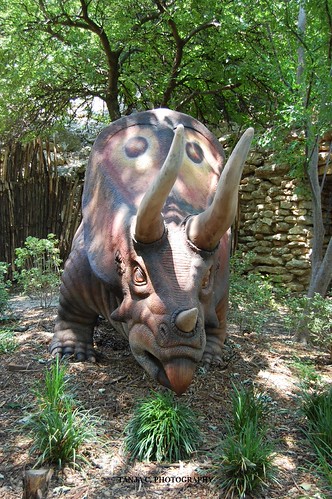
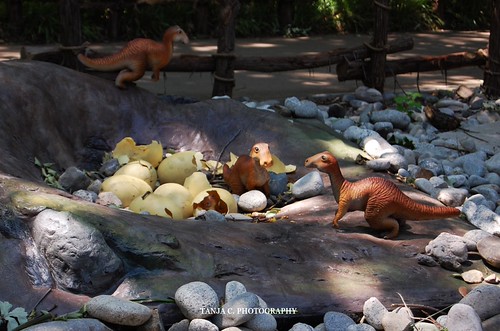
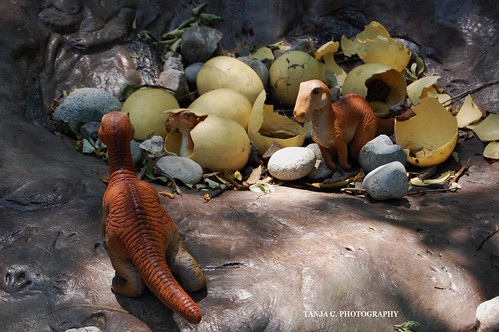


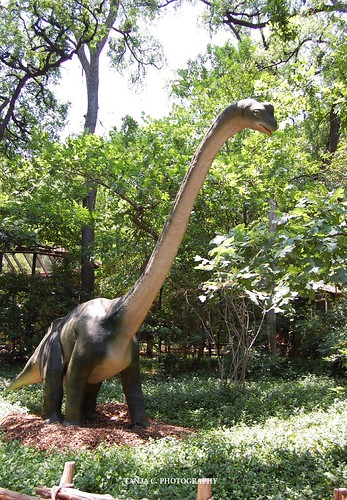
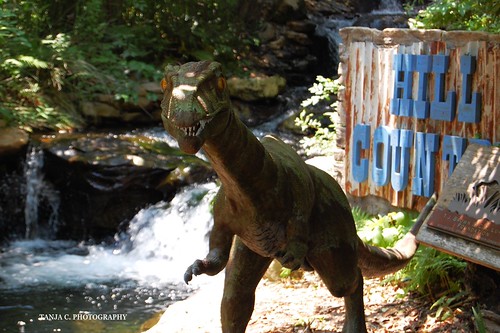
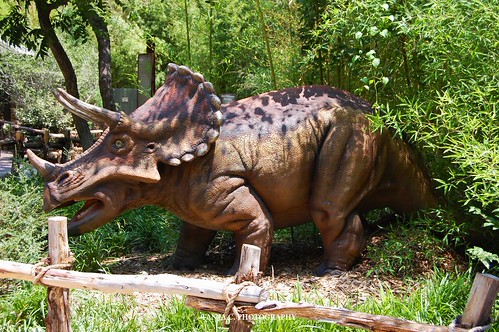
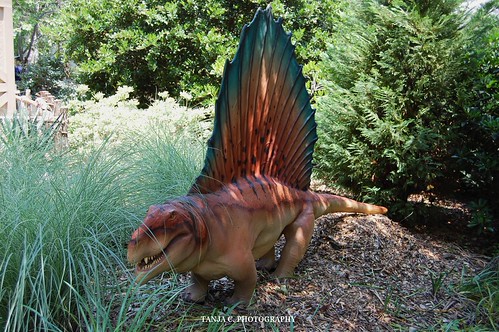

“Dinosaurs Unleashed” was a dinosaur expo at the Fort Worth Zoo in Spring/Summer 2011
🦕🦖🦕🦖🦕🦖🦕🦖🦕🦖🦕🦖🦕🦖🦕🦖🦕🦖🦕🦖🦕🦖🦕🦖🦕🦖🦕🦖🦕🦖🦕🦖🦕🦖🦕🦖
~ The End ~


🍃🍂🍁🍃🍂🍁🍃🍂🍁🍃🍂🍁🍃🍂🍁🍃🍂🍁🍃🍂🍁🍃🍂🍁🍃🍂🍁🍃🍂🍁🍃🍂🍁🍃🍂🍁








🍃🍂🍁🍃🍂🍁🍃🍂🍁🍃🍂🍁🍃🍂🍁🍃🍂🍁🍃🍂🍁🍃🍂🍁🍃🍂🍁🍃🍂🍁🍃🍂🍁🍃🍂🍁
🌽🌶🌻🌱🍅🥒🌽🌶🌻🌱🍅🥒🌽🌶🌻🌱🍅🥒🌽🌶🌻🌱🍅🥒🌽🌶🌻🌱🍅🥒🌽🌶🌻🌱🍅🥒
This is how I envisioned my greenhouse before I even purchased it.
🌽🌶🌻🌱🍅🥒🌽🌶🌻🌱🍅🥒🌽🌶🌻🌱🍅🥒🌽🌶🌻🌱🍅🥒🌽🌶🌻🌱🍅🥒🌽🌶🌻🌱🍅🥒
🍃🍂🍁🍃🍂🍁🍃🍂🍁🍃🍂🍁🍃🍂🍁🍃🍂🍁🍃🍂🍁🍃🍂🍁🍃🍂🍁🍃🍂🍁🍃🍂🍁🍃🍂🍁
Novembrrr
Novembrrr brings a colorful, leafy medley, and on those cool mornings, evokes the senses with comforting, earthy, aromatic notes, frozen and frosty blue lavender, and white amber dusted with cool mint, along with chilled, sparkling citrus.
Top: Chilled Citrus
Mid: Blue Lavender, Spearmint, Peppermint
Base: White Amber, White Birch
🍃🍂🍁🍃🍂🍁🍃🍂🍁🍃🍂🍁🍃🍂🍁🍃🍂🍁🍃🍂🍁🍃🍂🍁🍃🍂🍁🍃🍂🍁🍃🍂🍁🍃🍂🍁


🍃🍂🍁🍃🍂🍁🍃🍂🍁🍃🍂🍁🍃🍂🍁🍃🍂🍁🍃🍂🍁🍃🍂🍁🍃🍂🍁🍃🍂🍁🍃🍂🍁🍃🍂🍁

This morning, we experienced our first frost of the season in Connecticut. But this didn’t stop Kevin and me from driving to the Kent Falls State Park and doing a little mid-morning hike along the falls. We made sure we wore an extra layer of clothes. And up the trail, we went. The part of the Kent Falls, seen at the bottom of the trail, is only a small portion. The falls have a total drop of 250 feet. Since they wind around the corner, they can’t be seen simultaneously. Kevin and I had to hike up a steep trail to get an idea of how big and how long the falls were running through the hill. Unfortunately, we still haven’t reached the top. However, the part of the trail we’ve hiked was so worth it.









🍃🍂🍁🍃🍂🍁🍃🍂🍁🍃🍂🍁🍃🍂🍁🍃🍂🍁🍃🍂🍁🍃🍂🍁🍃🍂🍁🍃🍂🍁🍃🍂🍁🍃🍂🍁
– 11/03/2021 –

Koi fish are colorful, ornamental versions of the common carp. Although carp domestication is believed to have begun in China as early as the 4th century, modern Japanese koi are believed to date back to early 19th-century Japan, where wild, colorful carp were caught, kept, and bred by rice farmers. There are now dozens of different color varieties of koi. Wild koi are native to the fresh bodies of water around the Black, Caspian, and Aral Seas. Domesticated in the 19th century, carp have now been introduced throughout the world. Koi are omnivorous feeders who will eat food found at all depths of water. The Japanese koi at the Kids’ Farm are fed a floating pellet, though they will also eat aquatic insects and algae.


The first princess to come to our TV screens was Snow White in 1937’s Snow White and the Seven Dwarfs. Based on the fairy tale by the Brothers Grimm, this movie was also the first full-length traditional animation film as well as the earliest Disney animated feature film. When Xena: Warrior Princess debuted in 1995 and Mulan was released in 1998, they demonstrated that a princess can do more than wear a pretty dress. These two iconic women let children everywhere know that a princess can also be a strong and adventurous warrior. New wave princesses like Moana and Frozen’s Elsa show us that you can still be a princess while maintaining your independence.
We all grew up with animated and live-action princesses guiding us through life. When thinking of our favorite princesses, our minds instantly go to Disney. However, when it comes to National Princess Day, Disney had very little involvement in its inception. Nest Family Entertainment, a Texas-based entertainment company, teamed up with Rich Animation in 1994 to create the animated film The Swan Princess, a musical adaptation of Swan Lake. The studio wanted people of every age to have a day to celebrate like royalty, embodying the kindness and grace that we all associated with princesses at the time — and thus, National Princess Day was created.
The definition of a princess is constantly changing. From the 1930s until the 1990s, princesses were meant to be saved by a prince and live happily ever after. Nowadays, princesses create their own happily ever after, save the prince, and then put the prince squarely in the friend zone. Essentially, embodying a princess on National Princess Day is to represent what the kids call the G.O.A.T. (greatest of all time).

Mickey Mouse is more than just a character; he’s an iconic figure for the Disney brand. But he almost didn’t exist. Mickey Mouse was only created to replace Walt Disney’s original successful creation, Oswald the Rabbit. Oswald was made by the Disney studio for Charles Mintz, a film producer and distributor through Universal Studios. With so much success from Oswald, Disney asked Mintz to increase the studio’s budget, but instead, Mintz demanded Walt take a 20 percent cut. He then reminded Disney that Universal owned Oswald and that he had already signed most of Disney’s current employees to his new contract. Disney refused to sign the new contract, finished the final Oswald comic of his contract, and ended his work with Universal.
With just himself and two loyal animators, Ub Iwerks and Les Clark, Disney had to start from scratch. From this experience, he learned to ensure he owned all the rights to characters produced by his company. His inspiration for Mickey came from a tame mouse at his desk at Laugh-O-Gram Studio in Kansas City, Missouri. The original name for the character was Mortimer Mouse until his wife, Lillian, convinced him to change it, ultimately creating Mickey Mouse.
On May 14, 1928, Mickey appeared in a test screening of the cartoon short “Plane Crazy”, but failed to impress audiences and attract distributors. Walt then produced a second Mickey short called “The Gallopin’ Gaucho”, which also suffered from a lack of distributor interest. “Steamboat Willy”, first released on November 18, 1928, in New York, was co-directed by Walt Disney and Ub Iwerks. Intended as a parody of Buster Keaton’s “Steamboat Bill, Jr.”, it was the third Mickey film produced and the first to find a distributor, serving as Mickey’s debut.





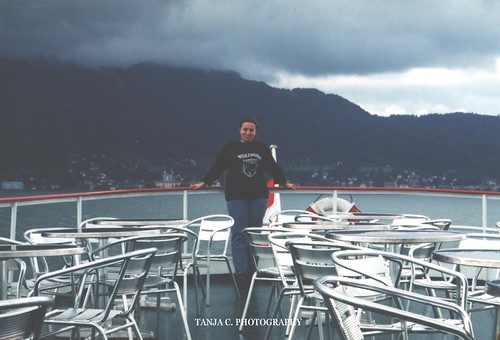


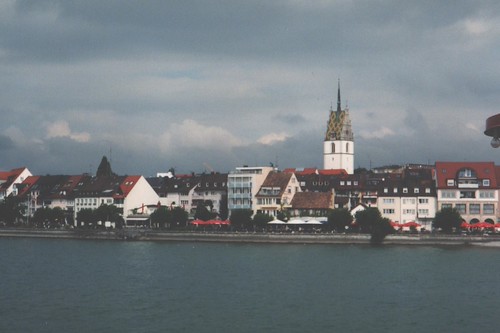


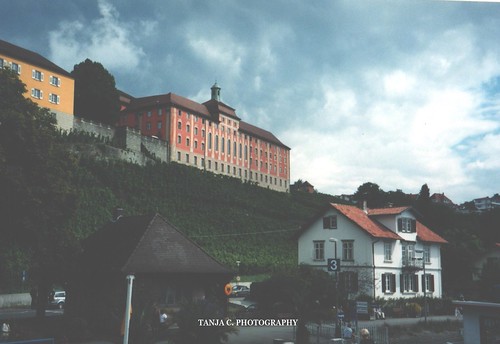


:https://www.britannica.com/place/Lake-Constance
◊◊◊◊◊
On September 1, 2001, Marilyn Manson was live in concert at the “Rock am See” Festival in Konstanz. Since the concert was on Labor Day weekend, I took a few days off work, got the tickets, and planned the trip down to Lake Constance.
The concert was on Saturday, and we made our way down to Lindau by train on Friday. It was a nice relaxing ride. Once we passed Munich, we rode through the Alps. After changing trains and a 9-hour train ride, Kevin and I ended at the Lindau train station. When we walked out of the building, we were standing in front of the Lindau Harbor. It has been 17 years since I visited Lindau for the first time. And I couldn’t recall how aqua-colored the water of Lake Constance was. That evening, we got a taxi and rode from Lindau, Germany, to Bregenz, Austria. In Bregenz, we stayed at the youth hostel for the night.
The following morning, Kevin and I got up early to have breakfast and make our way to the Bregenz Harbor. We had to make it back to Lindau and change boats to travel to Konstanz. We had a three-and-a-half-hour boat ride with several stops, including Friedrichshafen, Meersburg, and the island of Mainau in front of us. And Kevin wanted to explore Lindau for a little bit before it was time to go.
In Konstanz, we finally got off the boat. From the harbor, we had to walk less than a mile to get to our hotel. There we dropped off our luggage, put on a cap, and went to the festival. By that time, it had poured rain and we got wet. But it didn’t stop us from staying to see Alien Ant Farm, Papa Roach, and the German rock band “Die Ärzte”. Die Ärzte sing German songs, and so I had to translate the lyrics to Kevin. He thought these songs were awesome.
When Manson came on stage, we had clear skies. He was on stage only for an hour, which totally pissed me off because we spent all this time and money to go see him. However, I’m still a big fan of Marilyn Manson and have attended another two concerts in Germany. I know, he’s not everyone’s “cup of tea”. But that is what I like about him.
The following day, Kevin and I tried to cross the border to Switzerland. Since Konstanz lies on the German-Swiss border, it’s hard to tell when Germany ends and Switzerland begins as a tourist. (A year later, I finally crossed the border by the train station. I walked around a building and went back into Germany just so I could say, I’ve been on Swiss soil.) We went to the Konstanz train station and waited for the train to Stuttgart, where we switched trains and rode back to Würzburg.
On that weekend, we went through the whole state of Bavaria, traveled to Austria, made it back to Germany by boat, and traveled to Baden-Württemberg to go to a concert. And all these years, we are still not sure if Kevin made it to Switzerland on that day. What a trip!

🌾🥯🌾🥨🌾🥯🌾🥨🌾🥯🌾🥨🌾🥯🌾🥨🌾🥯🌾🥨🌾🥯🌾🥨🌾🥯🌾🥨🌾🥯🌾🥨🌾🥯🌾

Yeast bread calls for us to slow down. We need to spend time with each other as we work the dough, let it rest, and let it rise before baking. Quick breads allow a special treat to share and enjoy with coffee or tea. Other homemade breads, such as donuts, pretzels, muffins, and biscuits, add variety to our everyday meals. Making them with friends and family brings joy and an opportunity to exchange recipes.
Those who make homemade bread are committed to using good ingredients and investing in the time. They make it not only because they love the flavor, but also because they know the people they love to do it for. Homemade bread enriches the flavors of our meals but also the flavors of our conversations.
Bread is rich in symbolism around the world, across cultures and religions. In our lives, bread is valuable. We consider our livelihood to be our daily bread. We are making, breaking, and consuming it as part of our faith. Bread can be exciting if it’s sliced or boring if it’s white. There’s a bonus bread, too. However, it seems a bit messy if it’s buttered on both sides. Then again, when we roll in the dough, it’s messy, too. Bake it, and it becomes heavy bread, but it means the same thing.
🌾🥯🌾🥨🌾🥯🌾🥨🌾🥯🌾🥨🌾🥯🌾🥨🌾🥯🌾🥨🌾🥯🌾🥨🌾🥯🌾🥨🌾🥯🌾🥨🌾🥯🌾
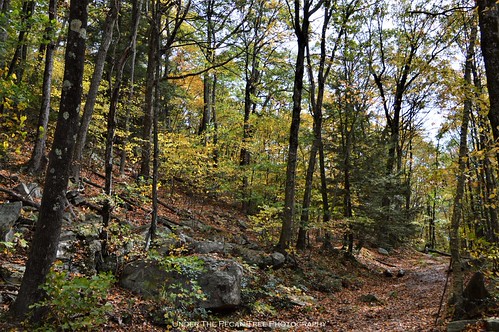
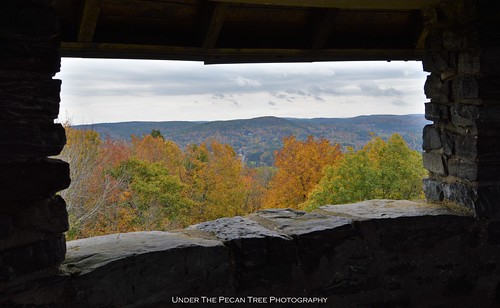

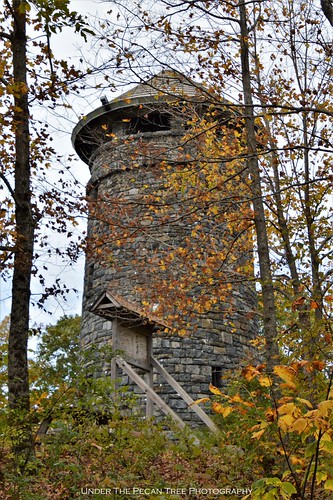
Hiking wasn’t always the fashionable pastime it is today. Before the Subarus and the Jeeps and the Patagonias built an industry around the activity, walking of any kind was considered an activity for the impoverished or the vagrant. The Romantic era of the Victorian years inspired the likes of Walden and Thoreau to reconnect with nature, and that, in turn, inspired the landscape architects to design parks with excellent walking trails (looking at you, Frederick Law Olmsted of Central Park fame). Walking then became something of the educated, the unhurried, the luxurious.
Until John Muir came along and walked his way through the Sierra Nevadas in California and demanded that not only hiking, walking, meandering, sojourning, whatever you want to call it, be accessible to every American citizen, but that the country should actively preserve natural areas of pristine ecology and beauty. In 1890, he petitioned to create the National Park System, and we were endowed with “America’s best idea” – Yosemite and Sequoia National Park. But even before Muir, on the east coast, a small group of people had banded together in 1876 to form the Appalachian Mountain Club, which aimed to protect and preserve all hiking trails along the historic mountain range and develop new ones.
🍃🍂🍁🍃🍂🍁🍃🍂🍁🍃🍂🍁🍃🍂🍁🍃🍂🍁🍃🍂🍁🍃🍂🍁🍃🍂🍁🍃🍂🍁🍃🍂🍁🍃🍂🍁



🍃🍂🍁🍃🍂🍁🍃🍂🍁🍃🍂🍁🍃🍂🍁🍃🍂🍁🍃🍂🍁🍃🍂🍁🍃🍂🍁🍃🍂🍁🍃🍂🍁🍃🍂🍁
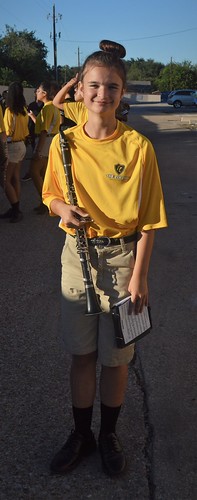

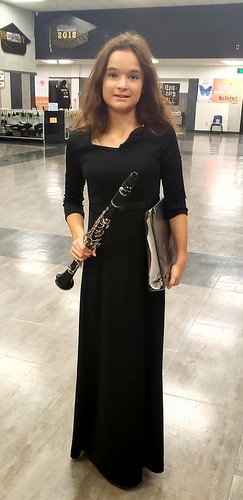
Several theories regarding the clarinet. It is said that the clarinet evolved from the ancient woodwind instrument named the ‘chalumeau.’ The chalumeau is also said to be the ancestor of the instrument ‘oboe.’ Even today, a clarinet’s lower register is referred to as chalumeau.
The first clarinet is said to have been developed in the 1700s by German musician Johann Christoph Denner. It was composed in the key of C. Clarinets are typically made in the key of B flat today. Other modifications in the clarinet followed in the 1800s. For example, the mouthpiece was designed to face backward, rather than forward, which allowed clarinetists to play the instrument more smoothly. This prototype was brought forward by German musician Heinrich Baermann.
Later on, thirteen keys were added to the clarinet, giving the clarinetists the ability to play the chromatic scale. Thereafter, many new versions and types of clarinets emerged depending on the key used, the size, or the range of registers. The clarinet was used as the voice for the wolf in the famous composition “Peter and the Wolf.”
The clarinet produces soothing music, which is why it is used in various genres of music, including rock, jazz, and folk. It is said that Mozart loved the sound of clarinets. Clarinets are also used widely in military orchestras. Clarinet Day was established to recognize this remarkable instrument, a favorite among musicians worldwide.

🦉🐧🦩🌺🦉🐧🦩🌺🦉🐧🦩🌺🦉🐧🦩🌺🦉🐧🦩🌺🦉🐧🦩🌺🦉🐧🦩🌺🦉🐧🦩🌺🦉🐧🦩🌺






🦉🐧🦩🌺🦉🐧🦩🌺🦉🐧🦩🌺🦉🐧🦩🌺🦉🐧🦩🌺🦉🐧🦩🌺🦉🐧🦩🌺🦉🐧🦩🌺🦉🐧🦩🌺
🐦🐣🌸🐦🐣🌸🐦🐣🌸🐦🐣🌸🐦🐣🌸🐦🐣🌸🐦🐣🌸🐦🐣🌸🐦🐣🌸🐦🐣🌸🐦🐣🌸🐦🐣🌸
🐦🐣🌸🐦🐣🌸🐦🐣🌸🐦🐣🌸🐦🐣🌸🐦🐣🌸🐦🐣🌸🐦🐣🌸🐦🐣🌸🐦🐣🌸🐦🐣🌸🐦🐣🌸
🍃🍂🍁🍃🍂🍁🍃🍂🍁🍃🍂🍁🍃🍂🍁🍃🍂🍁🍃🍂🍁🍃🍂🍁🍃🍂🍁🍃🍂🍁🍃🍂🍁🍃🍂🍁
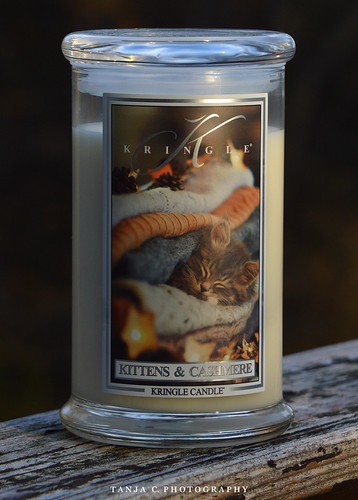
Kittens & Cashmere
Crisp, frosty air blankets aromatic greenery, vibrant fir needles, and ice-dusted eucalyptus blended with soft hints of ambered woods, shimmering spearmint, and snowy white musk.
Top: Ozone, Green, herbal
Mid: Fir Needle, Eucalyptus Mint
Base: Herbal, Amber Musk
🍃🍂🍁🍃🍂🍁🍃🍂🍁🍃🍂🍁🍃🍂🍁🍃🍂🍁🍃🍂🍁🍃🍂🍁🍃🍂🍁🍃🍂🍁🍃🍂🍁🍃🍂🍁
🍃🍂🍁🍃🍂🍁🍃🍂🍁🍃🍂🍁🍃🍂🍁🍃🍂🍁🍃🍂🍁🍃🍂🍁🍃🍂🍁🍃🍂🍁🍃🍂🍁🍃🍂🍁









🍃🍂🍁🍃🍂🍁🍃🍂🍁🍃🍂🍁🍃🍂🍁🍃🍂🍁🍃🍂🍁🍃🍂🍁🍃🍂🍁🍃🍂🍁🍃🍂🍁🍃🍂🍁
🍃🍂🍁🍃🍂🍁🍃🍂🍁🍃🍂🍁🍃🍂🍁🍃🍂🍁🍃🍂🍁🍃🍂🍁🍃🍂🍁🍃🍂🍁🍃🍂🍁🍃🍂🍁





🍃🍂🍁🍃🍂🍁🍃🍂🍁🍃🍂🍁🍃🍂🍁🍃🍂🍁🍃🍂🍁🍃🍂🍁🍃🍂🍁🍃🍂🍁🍃🍂🍁🍃🍂🍁


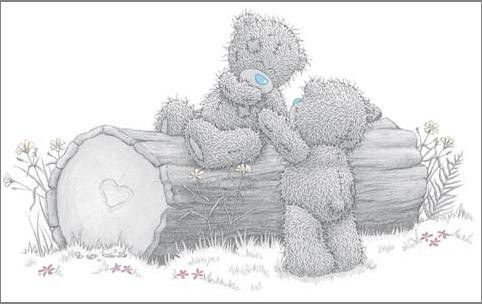
Cheers to all teddy bear lovers and owners! Let’s celebrate one of the best toys we’ve ever owned on National American Teddy Bear Day, on November 14. Teddy bears have been our comfort bed pals since our childhood. We give them names, hug them while we sleep, and take them everywhere with us. These soft furry friends are a reminder of childhood. Teddy bears come in different sizes, colors, and materials, and have been a popular toy choice since their creation in the early 20th century.



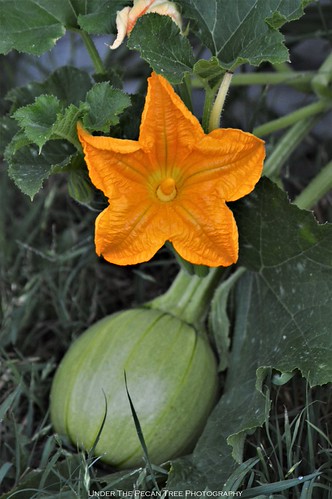
🍃🍂🍁🍃🍂🍁🍃🍂🍁🍃🍂🍁🍃🍂🍁🍃🍂🍁🍃🍂🍁🍃🍂🍁🍃🍂🍁🍃🍂🍁🍃🍂🍁🍃🍂🍁



Kevin told me two deer were in the forest when I returned home from picking up Sara at school. So, we went down to the upper tree line to check if they were still there. And sure enough, the two young ladies hung out on our property. Deer #1 kept her distance at the other end of the tree line while Deer #2 hid behind a tree. It took us a moment to see her. She was well camouflaged in the forest. Smart girl! After we watched them for a while, we guessed Deer# 2 got spooked and made a leap onto the neighbor’s property, where she was waiting for her sister to come along with her. Soon, they were gone in the underbrush of the forest. Kevin mentioned getting a deer blind. We can watch all kinds of wildlife visiting our property. We still haven’t seen Bruno the Bear yet.
🍃🍂🍁🍃🍂🍁🍃🍂🍁🍃🍂🍁🍃🍂🍁🍃🍂🍁🍃🍂🍁🍃🍂🍁🍃🍂🍁🍃🍂🍁🍃🍂🍁🍃🍂🍁
– 11/01/2021 –

Junonia coenia, known as the common buckeye or buckeye, is a butterfly in the family Nymphalidae. Its range covers much of North America and some of Central America, including most of the eastern half of the US, the lower to middle Midwest, the Southwest (including most of California), southern Canada, and Mexico. Its habitat is open areas with low vegetation and some bare ground. Its original ancestry has been traced to Africa, which then experienced divergence in Asia. The species Junonia grisea, the gray buckeye, is found west of the Rocky Mountains and was formerly a subspecies of Junonia coenia.
Caterpillars of these butterflies appear to prefer plants that produce iridoid glycosides, which are bitter compounds that release a hormone called gastrin that activates the digestive system (i.e., hunger); therefore, iridoid glycoside-producing plants stimulate and attract their appetites, particularly when found in plants like Plantago lanceolata. In fact, these metabolites may trigger oviposition behaviors in female butterflies so that descendant larval bodies may better incorporate iridoid glycosides. Iridoid glycoside metabolites appear to have a growth-stimulating effect on caterpillars but a growth-reducing effect on predators. Predators like ants, wasps, birds, and small animals prefer to feed on iridoid glycoside-poor caterpillars rather than iridoid glycoside-rich larvae, potentially due to these effects. Therefore, the immunity of Junonia coenia larvae to predators like ants appears to be strongly related to the concentration of iridoid glycosides sequestered in their bodies. However, excessive intake of iridoid glycosides in the diet can impair these larvae’s immune response and increase susceptibility to parasitism.
Adult butterflies feed on flowers with certain pollinator cues: yellow flowers that are ‘pre-change’, or flowers whose color has not been changed due to insect visitation or other factors. Common buckeye caterpillars feed in isolation rather than relying upon grouping behaviors. Vulnerability to the Junonia coenia densovirus is another concern for the survivorship of common buckeye larvae.


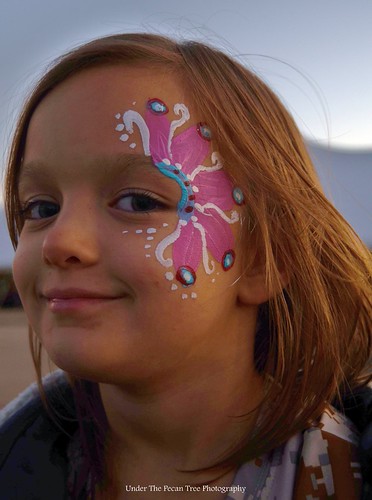
The American Heroes Festival is a FREE weekend celebration honoring America’s heroes with live music, remembrance ceremonies, carnival, fair food, car/truck/bike show, and the best patriotic fireworks display in North Texas! The photos are from the 2015 festival.



In Connecticut, I miss having a Veteran’s Festival close by. Watertown still celebrates our Veterans in the Veterans Memorial Park and at the Green Gazebo. Oakville has a ceremony at the Oakville Town Green. However, we don’t have 5K Runs, carnival, live music from famous artists, and fireworks.
Fasching originated in the German cities of Mainz and Speyer during the early 13th Century. By 1234, the festival had already become established in Cologne. In the past, Fasching was often characterized by extravagant, frivolous traditions, including handing the keys to the city to a council of fools. Activities involved noisy parades, plays, masked balls, satirical plays, and excessive or impertinent behavior. As a result of the Protestant Reformation in Europe during the 16th Century, most of these elaborate traditions died down.
However, the fun and entertaining nature of Fasching has been restored in recent times as it is marked by spectacular parades and parties worldwide. The women’s carnival is the first day of the street carnivals, known as ‘Weiberfastnacht’. On this day, women parade the streets in costumes and engage in harmless but mischievous behavior, such as cutting off men’s ties, leaving only the knot. This is followed by an apologetic peck on their cheek. Rose Monday is another day of the festival when a four-mile parade is held, with members of local carnival clubs dressing up as witches, clowns, or wizards. People line the streets to watch the procession and take part in the fun.
Fasching begins at exactly 11 minutes after 11 AM on November 11. The height of the Fasching celebrations is called Shrove Tuesday or Fat Tuesday. In Germany, the day is celebrated on a small scale. But in other parts of the world, it is celebrated spectacularly, and people attend parades in cities such as Venice, Rio de Janeiro, and New Orleans. On Ash Wednesday, the festival comes to an end, and the 40-day fasting season begins.
🍃🍂🍁🍃🍂🍁🍃🍂🍁🍃🍂🍁🍃🍂🍁🍃🍂🍁🍃🍂🍁🍃🍂🍁🍃🍂🍁🍃🍂🍁🍃🍂🍁🍃🍂🍁



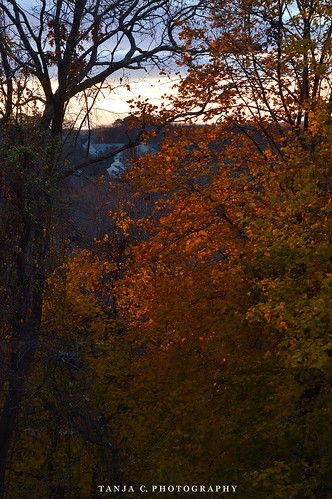
🍃🍂🍁🍃🍂🍁🍃🍂🍁🍃🍂🍁🍃🍂🍁🍃🍂🍁🍃🍂🍁🍃🍂🍁🍃🍂🍁🍃🍂🍁🍃🍂🍁🍃🍂🍁






◊◊◊◊◊
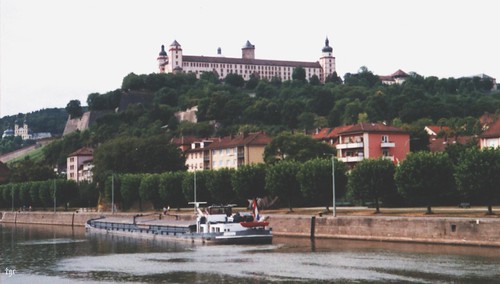
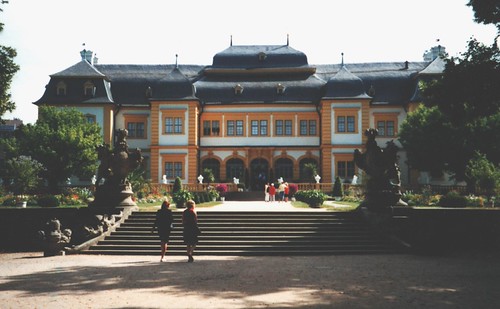
After the 4th of July, Kevin and I had a few vacation days. Since the weather was so nice, we decided to do something outdoors. So, we went to the Main River to take a boat ride from Wurzburg to Veithoechheim, approximately 5 miles (8 km) down the river.
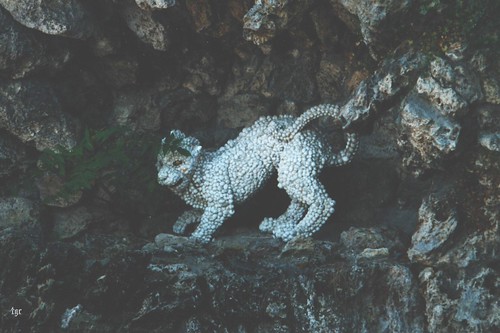
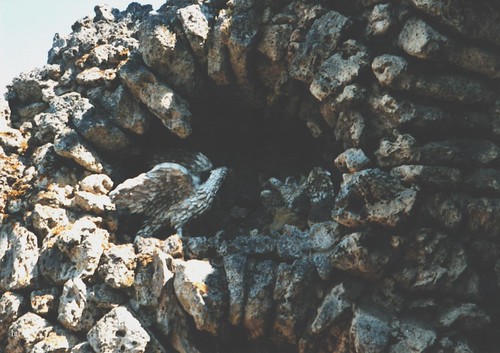
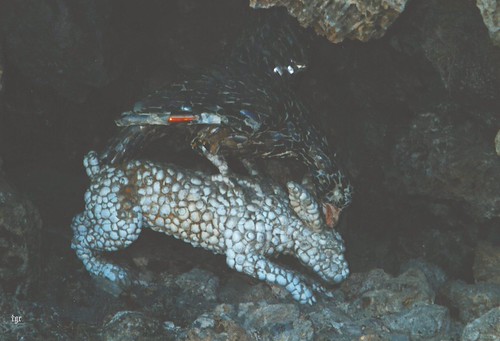
When we arrived in Veithshöchheim, I checked the boat schedule before we walked over to the Court Garden. Kevin and I were strolling around in the gardens until we arrived at the Grotto with Belvedere, where the bottom part has animal sculptures, which are made of shells and snail houses. I was always fascinated with the grotto when I was a child visiting the Court Garden. The gardens have a lot of historical sculptures of astronomical figures, poets, and many more.
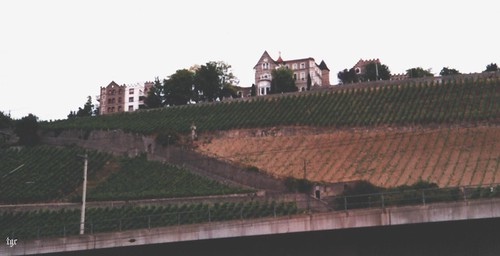
When it was time to leave, Kevin and I went to the ice cream parlor before we made our way down to the boat again. On the boat ride back to Würzburg, we had a nice view of the vineyards am Stein. This Franconian wine from these vineyards is famous all over Germany and Europe.
🍃🍂🍁🍃🍂🍁🍃🍂🍁🍃🍂🍁🍃🍂🍁🍃🍂🍁🍃🍂🍁🍃🍂🍁🍃🍂🍁🍃🍂🍁🍃🍂🍁🍃🍂🍁
🍃🍂🍁🍃🍂🍁🍃🍂🍁🍃🍂🍁🍃🍂🍁🍃🍂🍁🍃🍂🍁🍃🍂🍁🍃🍂🍁🍃🍂🍁🍃🍂🍁🍃🍂🍁

The seed of the idea that would become Sesame Street was first planted in talks between the television producer Joan Ganz Cooney and Lloyd Morrisett, the vice president of the Carnegie Foundation. During these conversations, Cooney spoke about her desire to leverage the ability of television shows to capture and keep children’s attention with the promotion of positive social values.
Following a period of extensive creative and scientific development, the show we all now know and love would begin to take shape. It was decided that Sesame Street would rely heavily on research processes to better inform various aspects of the program, spanning across the introduction of new characters, plotlines, and production design. This strategy would prove to be not only innovative but wildly successful as well; Sesame Street would premiere on November 10th, 1969, as an immediate sensation.
The show would dominate the cultural terrain of children’s television in the ensuing decades. As its audience grew, so did its capacity and willingness to address increasingly complicated social, emotional, and ethical issues. Though not without some instances of controversy, Sesame Street has remained a pillar of constructive, educational programming with a unique ability to appeal to children and adults alike. However, as the general media landscape has experienced exponential growth in the 21st century, the show has, in turn, found itself faced with stiffer competition from other children’s television productions.
As a result, Sesame Street no longer commands the same authority as in past decades, and it has even faced its fair share of financial troubles. Still, it is hard to imagine a world where children (and grown-ups) everywhere don’t carry fond memories of days spent learning and laughing with the whole gang on Sesame Street.

Forget-me-nots are the tiny blue meadow flowers that are incredibly symbolic. From the loss of loved ones to simply missing a childhood friend, the flowers have become synonymous with feelings of missing and longing. In New Zealand, Forget Me Not Day is dedicated to those afflicted with, or who have lost loved ones due to cognitive degenerative Alzheimer’s disease. And while there are some versions of Forget Me Not Day that celebrate this sort of loss or reconnecting with long-lost loved ones, this Forget Me Not Day focuses on something different, but also important.
Forget Me Not Day, as we know it, was established following World War I, when Judge Robert S. Marx, himself a WWI veteran, declared the holiday in honor of veterans who had suffered physical losses in the line of battle — those who had lost limbs, blood, and other integral body parts. Along with the holiday, Marx inaugurated the tradition of selling the popular forget-me-not flowers, repurposing them to raise money for wounded veterans.
🍃🍂🍁🍃🍂🍁🍃🍂🍁🍃🍂🍁🍃🍂🍁🍃🍂🍁🍃🍂🍁🍃🍂🍁🍃🍂🍁🍃🍂🍁🍃🍂🍁🍃🍂🍁






🍃🍂🍁🍃🍂🍁🍃🍂🍁🍃🍂🍁🍃🍂🍁🍃🍂🍁🍃🍂🍁🍃🍂🍁🍃🍂🍁🍃🍂🍁🍃🍂🍁🍃🍂🍁
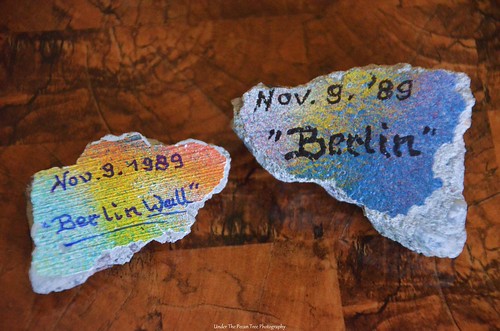
The Berlin Wall was a guarded concrete barrier that encircled West Berlin from 1961 to 1989, separating it from East Berlin and the German Democratic Republic (GDR; East Germany). The construction of the Berlin Wall was commenced by the government of the GDR on 13 August 1961. It included guard towers placed along large concrete walls, accompanied by a wide area (later known as the “death strip”) that contained anti-vehicle trenches, beds of nails, and other defenses. The primary intention for the Wall’s construction was to prevent East German citizens from fleeing to the West.
The Soviet Bloc propaganda portrayed the Wall as protecting its population from “fascist elements conspiring to prevent the will of the people” from building a communist state in the GDR. The authorities officially referred to the Berlin Wall as the Anti-Fascist Protection Rampart. Conversely, West Berlin’s city government sometimes referred to it as the “Wall of Shame”, a term coined by Mayor Willy Brandt about the Wall’s restriction on freedom of movement. Along with the separate and much longer inner German border, which demarcated the border between East and West Germany, it came to symbolize physically the Iron Curtain that separated the Western Bloc and Soviet satellite states of the Eastern Bloc during the Cold War.
Before the Wall’s erection, 3.5 million East Germans circumvented Eastern Bloc emigration restrictions and defected from the GDR, many by crossing over the border from East Berlin into West Berlin; from there they could then travel to West Germany and to other Western European countries. Between 1961 and 1989, the deadly force associated with the Wall prevented almost all such emigration. During this period, over 100,000 people attempted to escape, and over 5,000 people succeeded in escaping over the Wall, with an estimated death toll of those murdered by East German authorities ranging from 136 to more than 200 in and around Berlin.
In 1989, a series of revolutions in nearby Eastern Bloc countries (Poland and Hungary in particular) and the events of the “Pan-European Picnic” set in motion a peaceful development during which the Iron Curtain largely fell, and rulers in the East came under public pressure to cease their repressive policies. After several weeks of civil unrest, the East German government announced on 9 November 1989 that all GDR citizens could visit the FRG and West Berlin. Crowds of East Germans crossed and climbed onto the Wall, joined by West Germans on the other side, and souvenir hunters chipped away parts of the Wall over the next few weeks. The Brandenburg Gate, a few meters from the Berlin Wall, reopened on 22 December 1989, with the demolition of the Wall beginning on 13 June 1990 and concluding in 1994. The fall of the Berlin Wall paved the way for German reunification, which formally took place on 3 October 1990.
“… Mr. Gorbachev, tear down this wall!” – President Ronald Reagan ~ 06/12/1987
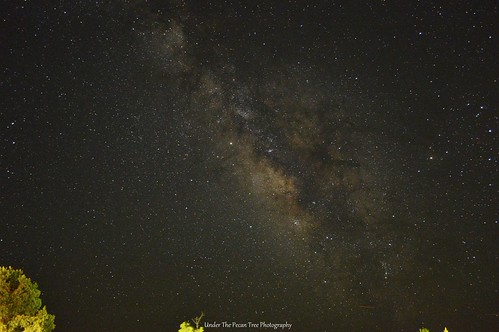
The day was created in 2009 by the Center for Inquiry in Fort Lauderdale, Florida, Atheists and Secular Humanists (FLASH), and other groups. Events held in Florida have helped spread the celebrations worldwide. Events such as star parties, where people come together and view the sky, astronomy lectures, science fairs, and workshops are held every year.
Sagan worked in many scientific fields, such as astronomy, cosmology, astrophysics, and astrobiology. He is best known for his ability to communicate scientific ideas to the general population without intimidating the common man. This is probably most exemplified by his 1980 PBS documentary series, “Cosmos: A Personal Voyage”, which was the most widely viewed PBS program of its time! It won two Emmys and a Peabody Award, and has been viewed by over a billion people in 60 countries. Sagan also published a book to accompany the series. In fact, Sagan wrote more than 20 books, including “The Dragons of Eden: Speculations on the Evolution of Human Intelligence”, which won a Pulitzer Prize, “Contact”, which was made into a film, and “The Demon-Haunted World”. For 12 years, he was the editor-in-chief of “Icarus”, and published 600 scientific papers and articles in publications such as “Skeptical Inquirer”. Beginning in the 1950s, Sagan was a consultant and adviser to NASA. He received numerous honors and awards and was a professor of astronomy and the director of the Laboratory for Planetary Studies at Cornell University.
🦁🐘🦒🦁🐘🦒🦁🐘🦒🦁🐘🦒🦁🐘🦒🦁🐘🦒🦁🐘🦒🦁🐘🦒🦁🐘🦒🦁🐘🦒🦁🐘🦒🦁🐘🦒










🦁🐘🦒🦁🐘🦒🦁🐘🦒🦁🐘🦒🦁🐘🦒🦁🐘🦒🦁🐘🦒🦁🐘🦒🦁🐘🦒🦁🐘🦒🦁🐘🦒🦁🐘🦒
… to be continued …
🌿🌱🌿🌱🌿🌱🌿🌱🌿🌱🌿🌱🌿🌱🌿🌱🌿🌱🌿🌱🌿🌱🌿🌱🌿🌱🌿🌱🌿🌱🌿🌱🌿🌱🌿🌱

🌿🌱🌿🌱🌿🌱🌿🌱🌿🌱🌿🌱🌿🌱🌿🌱🌿🌱🌿🌱🌿🌱🌿🌱🌿🌱🌿🌱🌿🌱🌿🌱🌿🌱🌿🌱
🍃🍂🍁🍃🍂🍁🍃🍂🍁🍃🍂🍁🍃🍂🍁🍃🍂🍁🍃🍂🍁🍃🍂🍁🍃🍂🍁🍃🍂🍁🍃🍂🍁🍃🍂🍁

Knitted Cashmere
All cozy in cashmere on those crisp, cool Fall days. Knitted cashmere is a fresh, yet soft, silky scent with warm suede, neroli, and lily of the valley woven with warm patchouli, chestnut, and white woods.
Top: Lemon, Neroli, Lily of the Valley
Mid: Warm Suede, Patchouli, Chestnut
Base: Vanilla, Birch Wood, Tonka Bean
🍃🍂🍁🍃🍂🍁🍃🍂🍁🍃🍂🍁🍃🍂🍁🍃🍂🍁🍃🍂🍁🍃🍂🍁🍃🍂🍁🍃🍂🍁🍃🍂🍁🍃🍂🍁
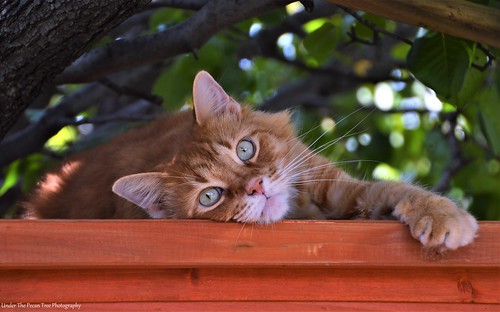
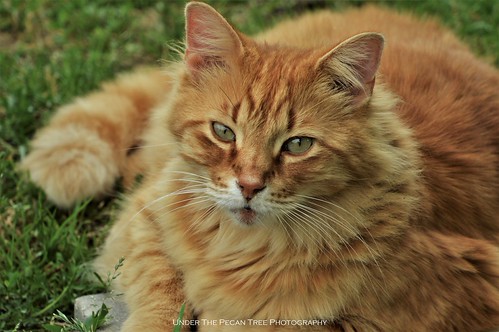

Chewbacca had a limp on his right hind leg for the past weeks. First, we thought he reinjured himself. Usually, it heals on its own. But this time, it didn’t get any better. I was waiting for Kevin to come back from Europe before we went to the veterinarian. At the veterinarian, we got the diagnosis that Chewbacca had a tumor in his crotch/leg area. It was so big that there was no way to remove it. There was some nerve damage in the leg, and he frequently did his business outside the litterbox.
After the veterinarian specialist explained all the options, including cancer treatments, I called it. I love Chewbacca so much that I didn’t want him to suffer any longer than it was necessary. He was my favorite companion, because he was the closest to me when I was sick. He deserved the best. And relieving him from the pain was the humane thing to do. I feel such a deep void in my heart. We are all sad about his passing.
🌳🌰🌲🦌🌳🌰🌲🦌🌳🌰🌲🦌🌳🌰🌲🦌🌳🌰🌲🦌🌳🌰🌲🦌🌳🌰🌲🦌🌳🌰🌲🦌🌳🌰🌲🦌
Arbor Day celebrates planting and nurturing trees, and all the ways trees enrich our lives and stabilize the environment. Historians trace Arbor Day’s origins back to the fifth century when Swiss villagers gathered to plant oak trees. Adults turned the event into a festival, and children were given treats as a reward for their help planting trees.
Arbor Day first appeared in the United States in 1872. J. Sterling Morton is credited with guiding this country’s first Arbor Day resolution through the Nebraska Legislature that year. Residents of the Great Plains recognized how much trees could do for them, and they enthusiastically embraced Morton’s vision.
President Theodore Roosevelt was a strong supporter of Arbor Day. Early in the 20th century, it became clear that the nation’s forests were being exhausted by cut-out-and-get-out timber harvesting. The science of forest management was emerging, and the government was moving to suppress wildfires and plant trees. Roosevelt sent a letter to the children of the United States in which he wrote, “A people without children would face a hopeless future; a country without trees is almost as hopeless.”
In Texas, Arbor Day first appeared in Temple on Feb. 22, 1889. W. Goodrich Jones led the citizens of Temple in a mass meeting to call for a tree-planting campaign along the city’s streets. One year later, the first statewide observance of Arbor Day was held in Austin. Through the efforts of Sen. George Tyler of Belton, Feb. 22 was designated by law as Arbor Day to encourage planting trees in the state.
After the original Texas Arbor Day law expired, the state continued to observe Arbor Day by proclamation of the governor, usually on George Washington’s birthday. In 1949, the Texas Legislature adopted a resolution designating the third Friday in January as Texas Arbor Day.
In 1989, the Legislature passed a resolution moving Texas Arbor Day to the last Friday in April to align with the traditionally observed national Arbor Day. Today, the official Texas Arbor Day is held on the first Friday in November. Still, thanks to the state’s diversity, Arbor Day can be celebrated in Texas communities at any time during the fall and winter planting season.
:https://www.fortworthtexas.gov/news/2022/10/arbor-day
🌳🌰🌲🦌🌳🌰🌲🦌🌳🌰🌲🦌🌳🌰🌲🦌🌳🌰🌲🦌🌳🌰🌲🦌🌳🌰🌲🦌🌳🌰🌲🦌🌳🌰🌲🦌
🍃🍂🍁🍃🍂🍁🍃🍂🍁🍃🍂🍁🍃🍂🍁🍃🍂🍁🍃🍂🍁🍃🍂🍁🍃🍂🍁🍃🍂🍁🍃🍂🍁🍃🍂🍁

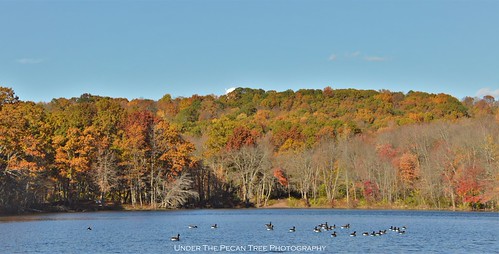



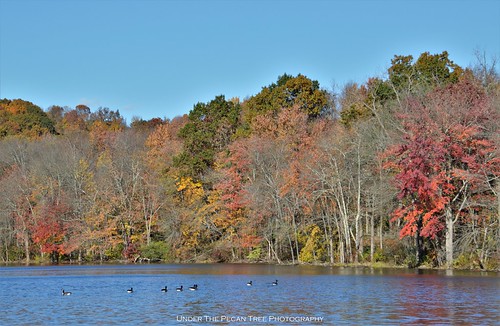
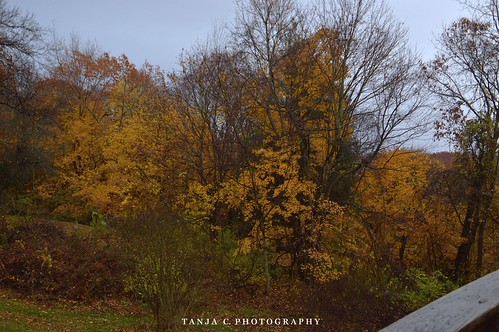
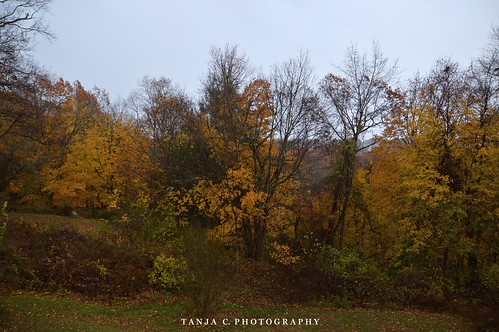
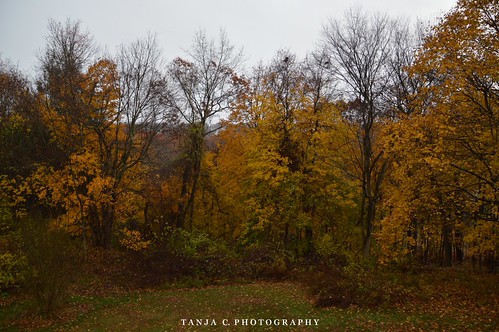
This afternoon, I took another peek at the leaves in Echo Lake Park. And with sadness, I have to say, the “Leaf Peeping Peak Season” is over. Here and there are trees still dressed in Autumn leaves. A lot of them are bare, now. I can tell that November has arrived in New England. Well, I will enjoy what is left for the rest of the season, before I experience my first real Winter in almost two decades.
🍃🍂🍁🍃🍂🍁🍃🍂🍁🍃🍂🍁🍃🍂🍁🍃🍂🍁🍃🍂🍁🍃🍂🍁🍃🍂🍁🍃🍂🍁🍃🍂🍁🍃🍂🍁
~ 11/01/2021 ~

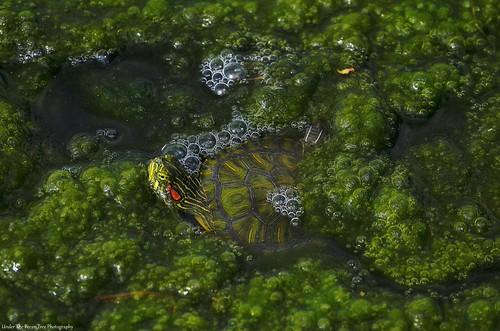
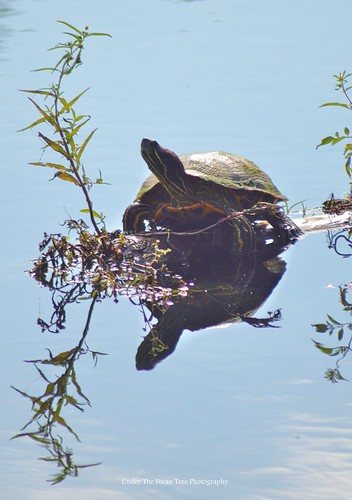
The red-eared slider (Trachemys scripta elegans) is a subspecies of the pond slider (Trachemys scripta), a semiaquatic turtle belonging to the family Emydidae. It is the most popular pet turtle in the United States, is also popular as a pet worldwide, and is the most invasive turtle. It is the most commonly traded turtle in the world. The red-eared slider is native from the Midwestern United States to northern Mexico, but has become established in other places because of pet releases, and has become invasive in many areas where it outcompetes native species. The red-eared slider is included in the list of the world’s 100 most invasive species.
The carapace of this species can reach more than 40 cm (16 in) in length, but the typical length ranges from 15 to 20 cm (6 to 8 in). The females of the species are usually larger than the males. They typically live between 20-30 years, although some individuals can live for more than 70 years. Their life expectancy is shorter when they are kept in captivity. The quality of their living environment has a strong influence on their lifespans and well-being.
The shell is divided into the upper or dorsal carapace and the lower, ventral carapace or plastron. The upper carapace consists of the vertebral scutes, which form the central, elevated portion; pleural scutes, which are located around the vertebral scutes; and then the marginal scutes around the edge of the carapace. The rear marginal scutes are notched. The scutes are bony keratinous elements. The carapace is oval and flattened (especially in the male) and has a weak keel that is more pronounced in the young. The color of the carapace changes depending on the age of the turtle. It usually has a dark green background with light and dark, highly variable markings. In young or recently hatched turtles, it is leaf green and gets slightly darker as a turtle gets older, until it is a very dark green, and then turns a shade between brown and olive green. The plastron is always a light yellow with dark, paired, irregular markings in the center of most scutes. The plastron is highly variable in pattern. The head, legs, and tail are green with fine, irregular, yellow lines. The whole shell is covered in these stripes and markings that aid in camouflaging an individual.
These turtles also have a complete skeletal system, with partially webbed feet that help them to swim and that can be withdrawn inside the carapace along with the head and tail. The red stripe on each side of the head distinguishes the red-eared slider from all other North American species and gives this species its name, as the stripe is located behind the eyes, where its (external) ears would be. These stripes may fade over time. The color and vibrance of ear stripes can indicate immune health, with bright red indicating a stronger immune response than yellow stripes. Some individuals can also have a small mark of the same color on the top of their heads. The red-eared slider does not have a visible outer ear or an external auditory canal; instead, it relies on a middle ear entirely covered by a cartilaginous tympanic disc.
Like other turtles, the species is poikilotherm and thus dependent on the temperature of its environment. For this reason, it needs to sunbathe frequently to warm up and maintain body temperature.

🌑🌒🌓🌔🌕🌖🌗🌘🌑
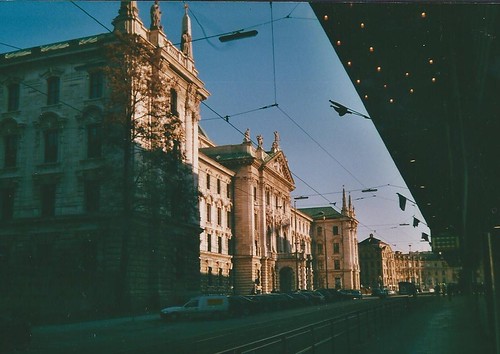
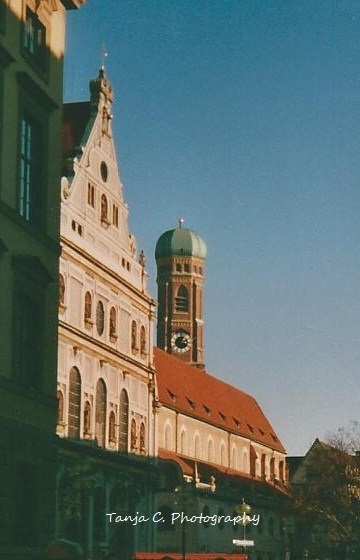
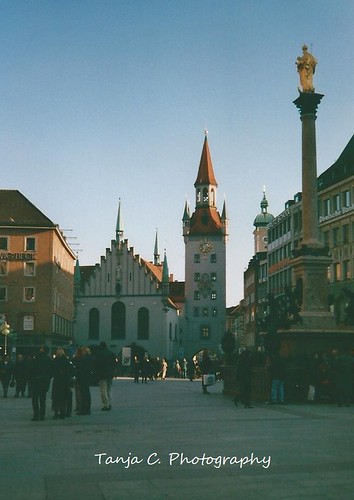




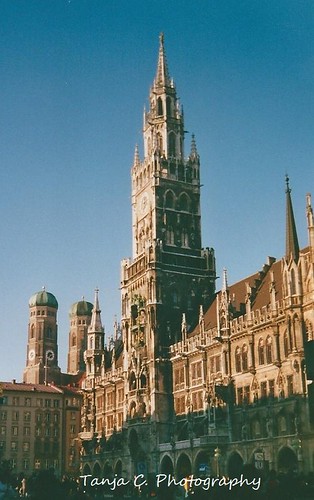
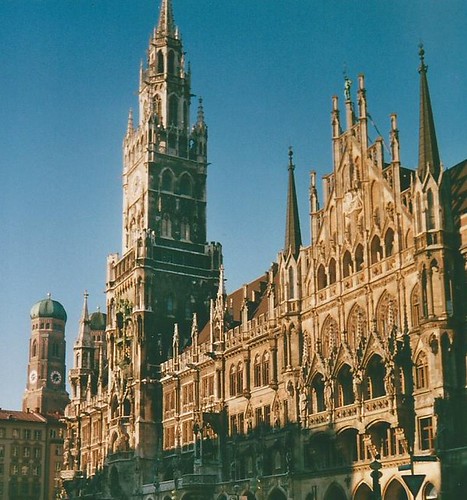
In January 2001, I dragged Kevin to Munich with me. Since he was stationed in Germany, I wanted to make sure that the boy did some sightseeing before he went back to the US. At that time, we had been together less than a month and didn’t know we would get married 15 months later. It was cold. And we both froze our tailbones off. But we still had a lot of fun.
First, we went to the Frauenkirche, Munich’s Cathedral. Kevin was fascinated by how big this church is in real life. He also enjoyed looking at the stained glass window. Each of them was telling stories through pictures. At the Marienplatz, we saw the Old and the New Town Halls of Munich. https://under-the-harvest-moon.com/2025/10/21/the-old-town-in-munich-germany
The fun part was climbing the 306 stairs of the 298,5 feet (91 meters) tall “Alter Peter’s” clock tower. At 183,7 feet (56 meters) is a platform, where Munich’s old town can be viewed 360°. My knees were almost buckling due to the height. But this didn’t stop me from shooting photos across the roofs of Munich’s old town and Viktualienmarkt. The Alps can be seen from that point as well. (Unfortunately, I can’t find them anymore. I hope they are somewhere deep in a box and have not been tossed away during one of the moves in the last 20+ years.)

Jellyfish, a class of marine invertebrate animals, have been around for a very long time, even longer than dinosaurs. Scientists always believed jellyfish originated some 500 million years ago, a theory confirmed by the 2007 discovery of perfectly preserved 505-million-year-old jellyfish fossils in Utah, U.S. This find was particularly mind-boggling because jellyfish, having no bones to speak of, rarely leave a trace of their existence like other animals do.
Jellyfish have always boggled minds, particularly with their distinctive structures. Their mostly transparent bodies, wiry tentacles, and lack of bodily organs confounded early scientists so much that they couldn’t even classify these guys — back when categories were only plants, animals, and humans. Jellyfish weren’t plants, but they didn’t fit the specified mold of animals either. The world simply dubbed (classified) them as ‘incomplete’ and didn’t bother investigating further, at least until the microscope was invented. Many such ‘incomplete’ organisms didn’t neatly fit into any category naturalists created, and they were forced to reexamine their categories and come up with new definitions for each.
However, it wasn’t until Charles Darwin proposed his theory of evolution in 1859 — “all living things show a variation in physical traits over time as a process of natural selection” — that the jellyfish got some recognition. Then, the German zoologist and naturalist Ernst Haeckel wrote a book, “Generelle Morphologie der Organismen,” in 1866, which translates to “General Morphology of Organisms.” In it, he illustrated the evolution of many organisms — jellyfish included — to show how primitive animal forms gradually came to be the versions we all know now. He theorized that jellyfish had split from the rest of the organisms at an earlier date — this is why they look so different from other species.
The world began researching the species and has never looked back. In the process, we are also reevaluating the use of ‘fish’ in the ‘jellyfish’ name. ‘Fish’ commonly refers to animals with a backbone, and scientists now sometimes call them ‘jellies’ too. This invasive species has survived and thrived almost all over the world because it needs very little oxygen. They can survive in any water, enjoy a broad diet, reproduce very quickly, and shrink when food reserves are reduced, only to revive themselves when food is available again.
🍃🍂🍁🍃🍂🍁🍃🍂🍁🍃🍂🍁🍃🍂🍁🍃🍂🍁🍃🍂🍁🍃🍂🍁🍃🍂🍁🍃🍂🍁🍃🍂🍁🍃🍂🍁


🍃🍂🍁🍃🍂🍁🍃🍂🍁🍃🍂🍁🍃🍂🍁🍃🍂🍁🍃🍂🍁🍃🍂🍁🍃🍂🍁🍃🍂🍁🍃🍂🍁🍃🍂🍁
🎀🩰🎀🩰🎀🩰🎀🩰🎀🩰🎀🩰🎀🩰🎀🩰🎀🩰🎀🩰🎀🩰🎀🩰🎀🩰🎀🩰🎀🩰🎀🩰🎀🩰🎀🩰
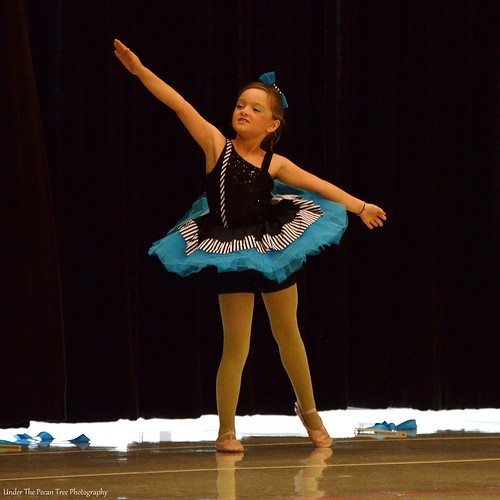
World Ballet Day was first celebrated on October 1, 2014. On this special day, top ballet companies worldwide stream live videos over six continents, showcasing their behind-the-scenes preparations, rehearsals, and dance classes. The main companies that contribute to the event are the Australian Ballet, Bolshoi Ballet, Royal Ballet, National Ballet of Canada, San Francisco Ballet, and Royal Swedish Ballet.
The history of ballet dates back to the 15th century in Italy and France. The dance was often performed by noblemen and women in the royal courts. However, the early form of ballet, known as ‘ballet de cour,’ included not only dancing but music, poetry, décor, and costume. Catherine de Medici, wife of King Henry II of France, developed this elaborate form of ballet.
The year 1681 witnessed the transition of ballet from the royal courts to the stage, where it was incorporated with operas, especially in France. In the 1700s, a French ballet master revolutionized this ballet-opera trend, advocating that ballet deserved to stand on its own as a recognized genre. This led to the creation of yet another form of ballet, known as the ‘ballet d’action’. This form involved expressive and dramatic movements used to tell stories through dance.
In the 19th century, ballet gradually evolved, as classical techniques such as pointe work, the precision of movement, and turnout developed in Russia. It was during this period that the classical “Swan Lake,” “Sleeping Beauty,” and “The Nutcracker” were created.
Today, ballet takes many forms and styles, with the rules a little less rigid than they were in the past. Costumes vary based on creativity, and classical music is no longer the mandatory genre of music it is performed to. It has also given life to new dance forms, such as contemporary, lyrical, modern, and neo-classical dance.
: https://nationaltoday.com/world-ballet-day/
🎀🩰🎀🩰🎀🩰🎀🩰🎀🩰🎀🩰🎀🩰🎀🩰🎀🩰🎀🩰🎀🩰🎀🩰🎀🩰🎀🩰🎀🩰🎀🩰🎀🩰🎀🩰
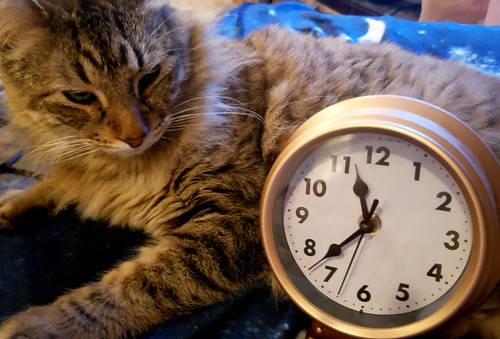
Joshua was not happy when I told the pack that they had breakfast and dinner one hour later, from now on until March: “WHAAAT? Do we have to wait until dawn? What is this sorcery? I don’t understand it. But if you say so, I guess it is what it is. Only humans get this crazy idea of changing their clocks back and forth. And they are supposed to be the most intelligent species on this planet. … ” … As we can tell, Joshua is on a rant about the end of daylight saving. In the USA, Canada, Greenland, Mexico, and some Caribbean Islands, we will change our clocks one hour BACK.
🏵💀🏵💀🏵💀🏵💀🏵💀🏵💀🏵💀🏵💀🏵💀🏵💀🏵💀🏵💀🏵💀🏵💀🏵💀🏵💀🏵💀


The ancient indigenous people of Mexico have practiced rituals celebrating the lives of past ancestors for around 3,000 years. The celebration now known as Day of the Dead originally fell on the ninth month of the Aztec calendar and was observed for the entire month. In the 20th century, the month-long festivities were condensed to three days called The Days of the Dead: Halloween on October 31, Day of the Innocents on November 1, and Day of the Dead on November 2.
La Catrina is one of the most recognizable figures of Day of the Dead, a towering female skeleton with vibrant makeup and a flamboyant, feathery hat. The Lady of Death, worshipped by the Aztecs, protected their departed loved ones, guiding them through the final stages of the life-and-death cycle. La Catrina that we know today was created in the early 1900s by the controversial and political cartoonist José Guadalupe Posada. The artist and husband of Frida Kahlo, Diego Rivera, included José’s La Catrina in one of his murals, depicting 400 years of Mexican history. His mural, “Dreams of a Sunday Afternoon in Alameda Park”, includes himself and a young child holding hands with La Catrina, who is dressed in sophisticated garb and a fancy feathered hat.
Plans for Day of the Dead are made throughout the year. Toys are offered to dead children, and bottles of alcohol or jars of alote get offered to dead adults. Most families decorate their loved ones’ graves with ofrendas, which often include marigolds. It’s said that these specific flowers attract the souls of the dead to the offerings, and the bright petals and strong scent guide the souls from the cemetery to their family’s home.
Since the 1960s, when the Mexican government declared it a public holiday as part of educational policy initiatives, Dia de Muertos has been observed throughout Mexico. The tradition was inscribed on the United Nations Educational, Scientific, and Cultural Organization’s Representative List of Humanity’s Intangible Cultural Heritage in 2008.
: https://nationaltoday.com/day-of-the-dead/
🏵💀🏵💀🏵💀🏵💀🏵💀🏵💀🏵💀🏵💀🏵💀🏵💀🏵💀🏵💀🏵💀🏵💀🏵💀🏵💀🏵💀

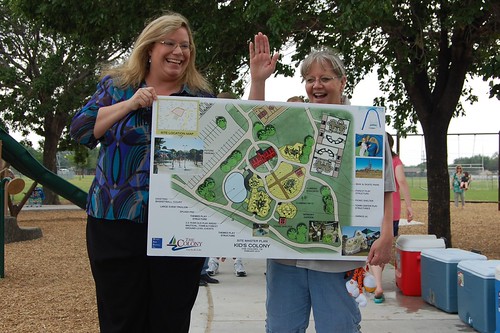

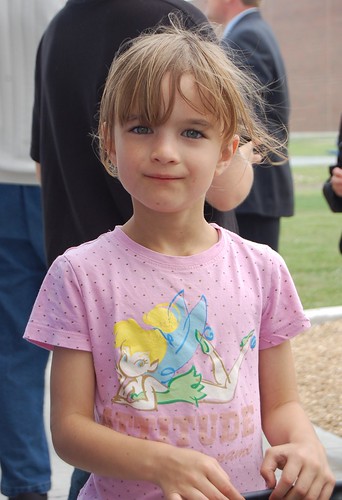
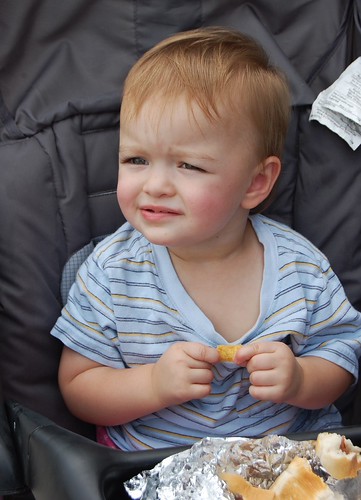


In 1993, residents and businesses in The Colony came together to build a playground. There was lots of planning, fundraising, scheduling, and building – all done by volunteers! This little town in Texas made a great effort, and the result was a community-built playground named Kids’ Colony. The years and hot Texas sun took their toll on the expansive wooden structures, and the process of replacing the beloved playground began. In 2011, Phase I of the rebuild of Kids’ Colony was completed, adding a nature-themed play structure, pavilion, picnic tables, and benches.
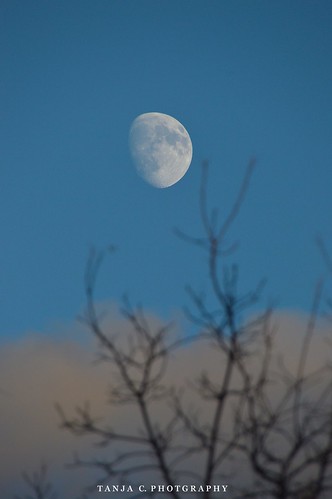

🌑🌒🌓🌔🌕🌖🌗🌘🌑
🍃🍂🍁🍃🍂🍁🍃🍂🍁🍃🍂🍁🍃🍂🍁🍃🍂🍁🍃🍂🍁🍃🍂🍁🍃🍂🍁🍃🍂🍁🍃🍂🍁🍃🍂🍁
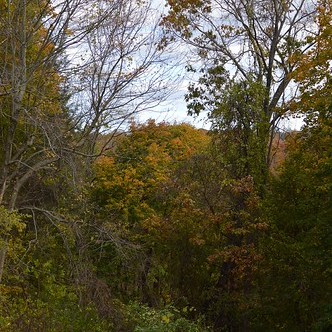
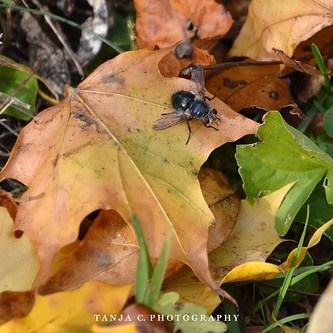





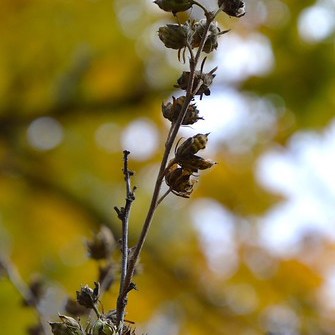

🍃🍂🍁🍃🍂🍁🍃🍂🍁🍃🍂🍁🍃🍂🍁🍃🍂🍁🍃🍂🍁🍃🍂🍁🍃🍂🍁🍃🍂🍁🍃🍂🍁🍃🍂🍁
There are hundreds of different ways to enjoy these crunchy, appetizing fruits. Yes, you heard me right. Peppers are fruits, not vegetables, because of the seeds they contain. Either way, though, they can be enjoyed with both sweet and salty meals and are incredibly healthy for you. Peppers are related to chili peppers (obviously), tomatoes, and breadfruit, all of which are native to Central and South America. They come in a variety of beautiful, vibrant colors like bright red, green, yellow, and orange, and have a crunchy, satisfying texture.
: https://www.nationaldaycalendar.com/november/national-pepper-month-november
🍁🍃🍄🍂🍁🍃🍄🍂🍁🍃🍄🍂🍁🍃🍄🍂🍁🍃🍄🍂🍁🍃🍄🍂🍁🍃🍄🍂🍁🍃🍄🍂🍁🍃🍄🍂

Candles have been around for thousands of years. There is no exact date to pinpoint the origin of candlemaking, but there is documentation of different civilizations creating candles for more than 5,000 years. The ancient Egyptians are documented to have made candles in 3000 B.C. from a combination of animal fat and reeds. The reed wasn’t like the wick we use today, but they used animal fat as the wax we use today. In around 500 B.C., the Romans made candles by dipping rolled papyrus made from the papyrus plant’s pith and repeatedly melting the tallow (made from melted beef or mutton fat) or beeswax to form the first candlewick.
Evidence shows that around the world, other civilizations also used wicked candles. The Chinese made wicks from rolled rice paper, and their wax was made from a combination of insects and seeds or whale fat. The Japanese are said to make their candles from wax extracted from tree nuts, and in India, people make wax by boiling the fruit of the cinnamon tree. These were probably the first scented candles, as they gave off a pleasant smell when burned.
Candles lost their popularity as essentially an illuminating material with the invention of the light bulb in 1879. Candles then became a decorative item, and the first scented candles became available. By the mid-1980s, candles were established as a great mood enhancer, gifts, and decorative items.
: https://nationaltoday.com/scented-candle-day/
🍁🍃🍄🍂🍁🍃🍄🍂🍁🍃🍄🍂🍁🍃🍄🍂🍁🍃🍄🍂🍁🍃🍄🍂🍁🍃🍄🍂🍁🍃🍄🍂🍁🍃🍄🍂

National Cinnamon Day celebrates one of the most popular holiday spices. It is quite impossible to think of the holidays without the aroma of cinnamon popping into one’s head. From cookies, rolls, and teas to pies and chocolates, cinnamon exists in almost every holiday snack, meal, and beverage.
McCormick Spices founded National Cinnamon Day in 2019. The holiday encourages us to make new memories and share the warmth cinnamon brings. It is dedicated to celebrating cinnamon’s versatility by highlighting its deliciousness and its plethora of health benefits.
Cinnamon is obtained from the dried inner bark of several tree species in the Laurel family (Lauraceae). We use cinnamon sticks or powder for everything consumable. Although initially hidden for market gains, cinnamon has been around for a very long time, and there are many myths and theories surrounding how it is sourced.
Indonesia and China are the major producers, making up 70% of the worldwide production. At the same time, the rest of the world focuses on creating new recipes, finding new uses, and exploring the health benefits of cinnamon. The world has generated many directions of cinnamon, from producing to consuming to selling — it is a commodity everywhere.
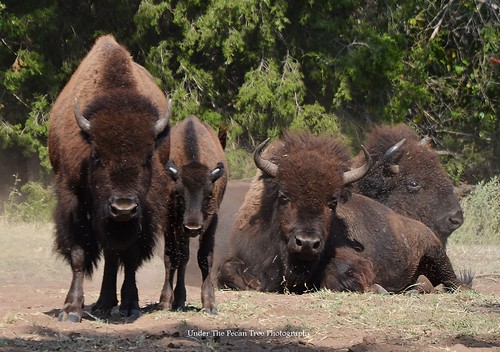
The official National Mammal of the United States, the iconic North American Bison, has played a cultural, economic, and environmental role in the country’s history. Central to the livelihood of Native Americans, they are also a healthy food source and vital to religious ceremonies. The bison is the largest land mammal in North America, with males weighing up to 2,000 pounds and standing up to 6 feet tall. While cows may be smaller at 1,000 pounds and up to 5 feet tall, they’re still mighty powerful. However, Bison only live up to 20 years. The dark brown to black, thick, shaggy coat of the full-grown bison keeps them warm during long, cold winters on the plains. When they’re born, the calves sport a reddish coat. While giant herds once covered the plains, hunters nearly decimated them by the 1800s. Now, bison populate all 50 states, living in national parks, refuges, and on tribal and private lands.




🍂🍁🧙♀️🍂🍁🧙♀️🍂🍁🧙♀️🍂🍁🧙♀️🍂🍁🧙♀️🍂🍁🧙♀️🍂🍁🧙♀️🍂🍁🧙♀️🍂🍁🧙♀️🍂🍁🧙♀️🍂🍁🧙♀️🍂🍁🧙♀️
🍂🍁🧙♀️🍂🍁🧙♀️🍂🍁🧙♀️🍂🍁🧙♀️🍂🍁🧙♀️🍂🍁🧙♀️🍂🍁🧙♀️🍂🍁🧙♀️🍂🍁🧙♀️🍂🍁🧙♀️🍂🍁🧙♀️🍂🍁🧙♀️
👻🎃🕸👻🎃🕸👻🎃🕸👻🎃🕸👻🎃🕸👻🎃🕸👻🎃🕸👻🎃🕸👻🎃🕸👻🎃🕸👻🎃🕸👻🎃🕸


👻🎃🕸👻🎃🕸👻🎃🕸👻🎃🕸👻🎃🕸👻🎃🕸👻🎃🕸👻🎃🕸👻🎃🕸👻🎃🕸👻🎃🕸👻🎃🕸
🍃🍂🍁🍃🍂🍁🍃🍂🍁🍃🍂🍁🍃🍂🍁🍃🍂🍁🍃🍂🍁🍃🍂🍁🍃🍂🍁🍃🍂🍁🍃🍂🍁🍃🍂🍁

Author: Clyde Watson
🍃🍂🍁🍃🍂🍁🍃🍂🍁🍃🍂🍁🍃🍂🍁🍃🍂🍁🍃🍂🍁🍃🍂🍁🍃🍂🍁🍃🍂🍁🍃🍂🍁🍃🍂🍁












 Under The Harvest Moon