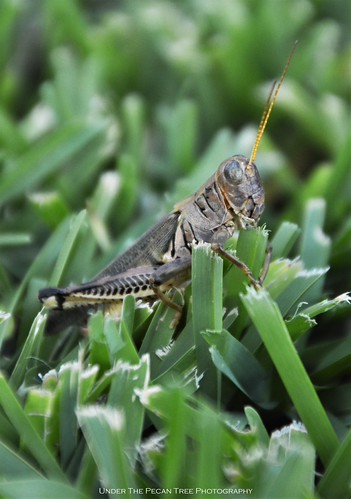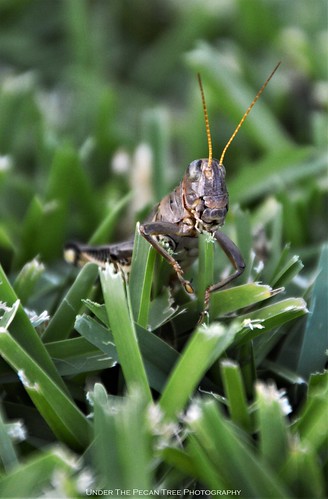
The differential grasshopper is found throughout most of the United States, except for the northwest. Within its range, it is most often found in heavily weeded areas and grasslands, and even in vacant lots and other urban areas. This species is not migratory but can travel a few miles to search for food.
Tag: North American Wildlife
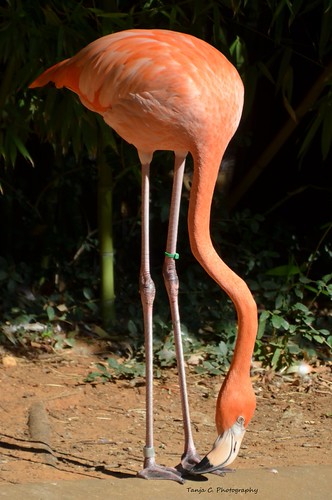
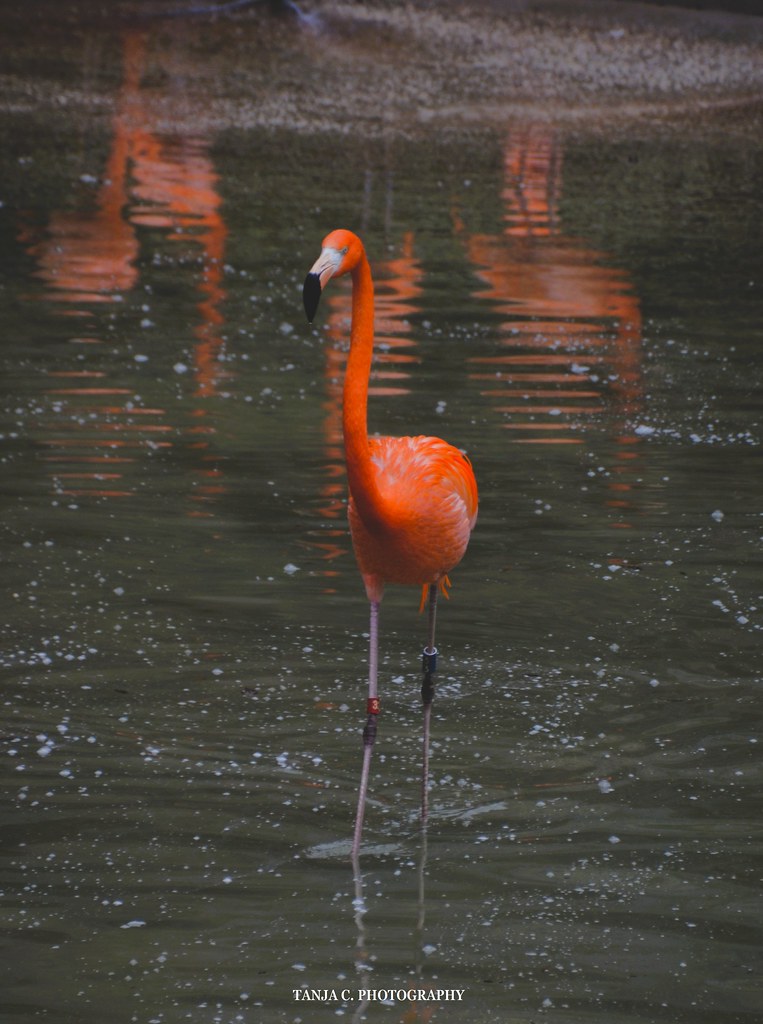
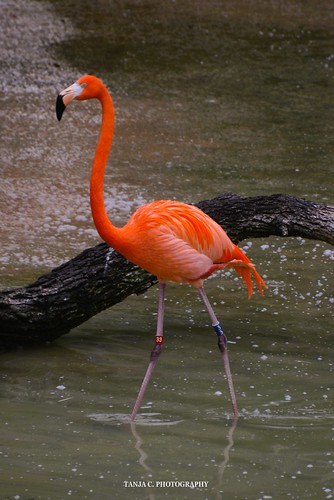
American Flamingo (Phoenicopterus ruber)


The American flamingo is a large bird with long pink legs and webbed feet. The plumage is a distinctive pink, with black on the flight feathers (the long feathers at the tips of the wings). The bill is pink and white with a black tip. The plumage coloring comes from the carotene that is found in the food that is eaten, such as brine shrimp. They live in large shallow lakes, lagoons, and mud flats in the Caribbean Islands, northern South America, the Yucatan Peninsula in Mexico, and the southern United States.
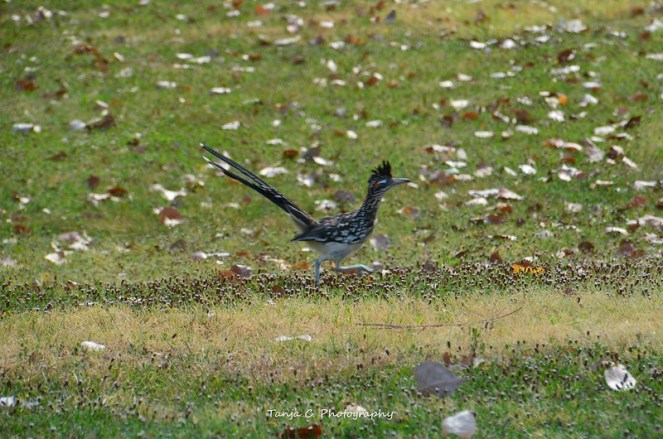
Greater Roadrunner (Geococcyx californianus)

Although the Greater Roadrunner occurs throughout Texas, is well known, is the topic of much folklore, and is a very popular cartoon character, the only field research studies that have been conducted are in desert scrub or brush-grassland habitats in South Texas. As a popular, iconic, multicultural bird from prehistory to modern times, it is surprising that it was one of the last bird species to be given state protection because of the mistaken belief that roadrunners were a threat to declining quail populations.
:https://txtbba.tamu.edu/species-accounts/greater-roadrunner/
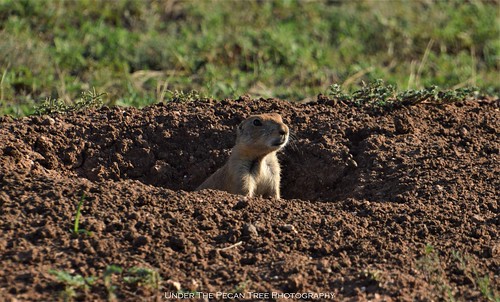
Black-tailed Prairie Dog (Cynomys ludovicianus)

The Black-tailed Prairie Dog is one of the most social ground squirrels, living communally in large underground networks called “towns.” Named for the bark-like warning they give when predators are nearby, prairie dogs have an interesting social life, are ecologically important to the prairie ecosystem, and have seen drastic declines since 1900.
Weighing in at two-and-a-half to three pounds, these gregarious rodents are primarily light brown with a black-tipped tail. The tan coloration serves as a predator defense; blending into the habitat allows prairie dogs to escape from hawks circling overhead and coyotes hunting from the ground. Like most rodents, prairie dogs are herbivores that feed on grasses and annual forbs. This diet keeps the surrounding area clipped, encouraging desired forbs to grow while improving predator detection.
Found in dry, upland shortgrass and mixed-grass prairies, these rodents have well-developed forefeet for digging and maintain their extensive burrows. Entrances to the burrows are typically volcano-shaped and provide ventilation to the system, serve as lookout posts, and even help keep water out of the town. Prairie dog towns are surprisingly complicated. Dropping 10-15 feet from the surface at the main entrance, the primary tunnel can extend 50 feet or more. Several chambers can be found at the end of secondary tunnels, used separately for caching food, nesting, and even defecation.
:https://www.wildlifedepartment.com/wildlife/field-guide/mammals/black-tailed-prairie-dog
Our Forest In November 2021 🦌
🍃🍂🍁🍃🍂🍁🍃🍂🍁🍃🍂🍁🍃🍂🍁🍃🍂🍁🍃🍂🍁🍃🍂🍁🍃🍂🍁🍃🍂🍁🍃🍂🍁🍃🍂🍁


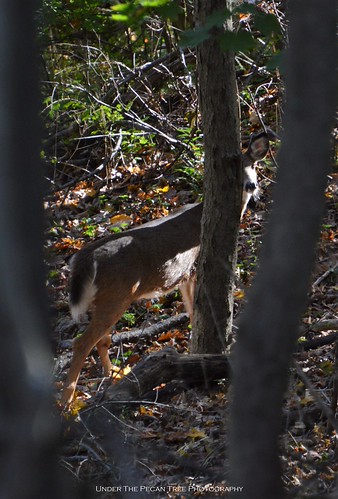
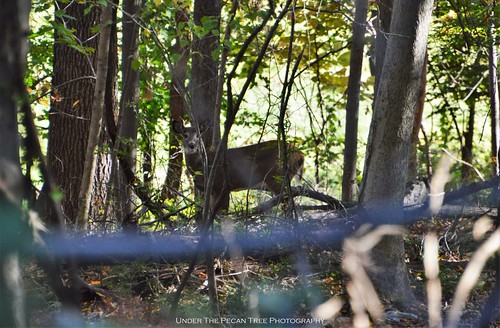
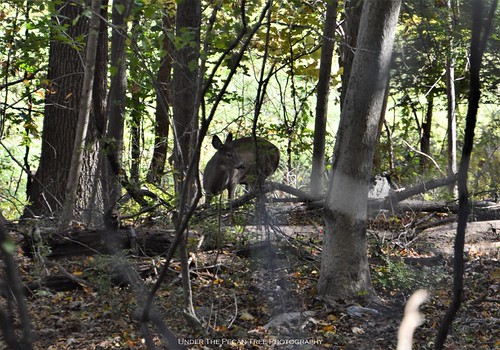
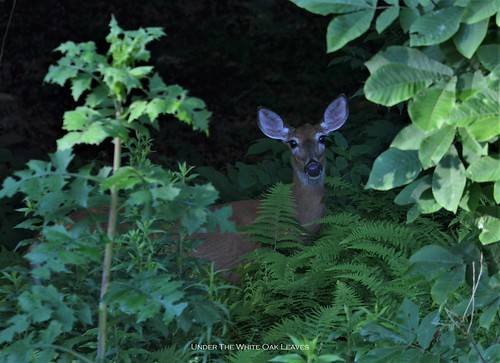
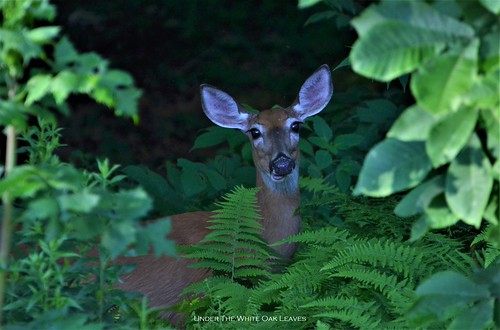
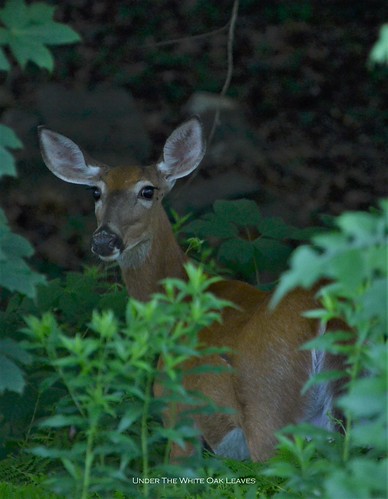
Kevin told me two deer were in the forest when I returned home from picking up Sara at school. So, we went down to the upper tree line to check if they were still there. And sure enough, the two young ladies hung out on our property. Deer #1 kept her distance at the other end of the tree line while Deer #2 hid behind a tree. It took us a moment to see her. She was well camouflaged in the forest. Smart girl! After we watched them for a while, we guessed Deer# 2 got spooked and made a leap onto the neighbor’s property, where she was waiting for her sister to come along with her. Soon, they were gone in the underbrush of the forest. Kevin mentioned getting a deer blind. We can watch all kinds of wildlife visiting our property. We still haven’t seen Bruno the Bear yet.
🍃🍂🍁🍃🍂🍁🍃🍂🍁🍃🍂🍁🍃🍂🍁🍃🍂🍁🍃🍂🍁🍃🍂🍁🍃🍂🍁🍃🍂🍁🍃🍂🍁🍃🍂🍁
– 11/01/2021 –
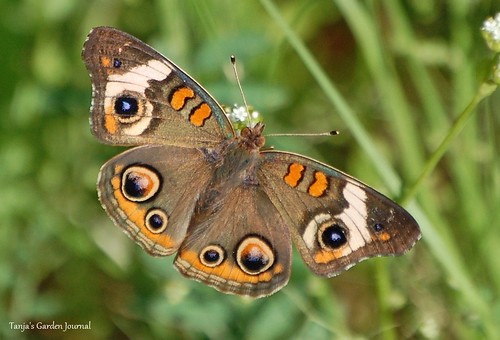
Common Buckeye Butterfly (Junonia coenia)

Junonia coenia, known as the common buckeye or buckeye, is a butterfly in the family Nymphalidae. Its range covers much of North America and some of Central America, including most of the eastern half of the US, the lower to middle Midwest, the Southwest (including most of California), southern Canada, and Mexico. Its habitat is open areas with low vegetation and some bare ground. Its original ancestry has been traced to Africa, which then experienced divergence in Asia. The species Junonia grisea, the gray buckeye, is found west of the Rocky Mountains and was formerly a subspecies of Junonia coenia.
Caterpillars of these butterflies appear to prefer plants that produce iridoid glycosides, which are bitter compounds that release a hormone called gastrin that activates the digestive system (i.e., hunger); therefore, iridoid glycoside-producing plants stimulate and attract their appetites, particularly when found in plants like Plantago lanceolata. In fact, these metabolites may trigger oviposition behaviors in female butterflies so that descendant larval bodies may better incorporate iridoid glycosides. Iridoid glycoside metabolites appear to have a growth-stimulating effect on caterpillars but a growth-reducing effect on predators. Predators like ants, wasps, birds, and small animals prefer to feed on iridoid glycoside-poor caterpillars rather than iridoid glycoside-rich larvae, potentially due to these effects. Therefore, the immunity of Junonia coenia larvae to predators like ants appears to be strongly related to the concentration of iridoid glycosides sequestered in their bodies. However, excessive intake of iridoid glycosides in the diet can impair these larvae’s immune response and increase susceptibility to parasitism.
Adult butterflies feed on flowers with certain pollinator cues: yellow flowers that are ‘pre-change’, or flowers whose color has not been changed due to insect visitation or other factors. Common buckeye caterpillars feed in isolation rather than relying upon grouping behaviors. Vulnerability to the Junonia coenia densovirus is another concern for the survivorship of common buckeye larvae.
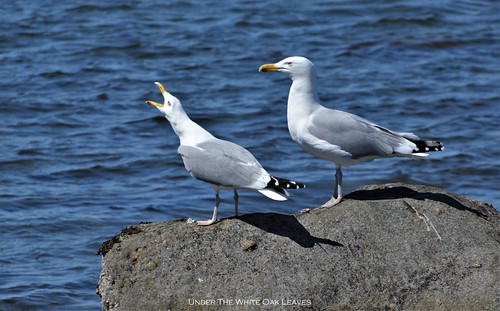
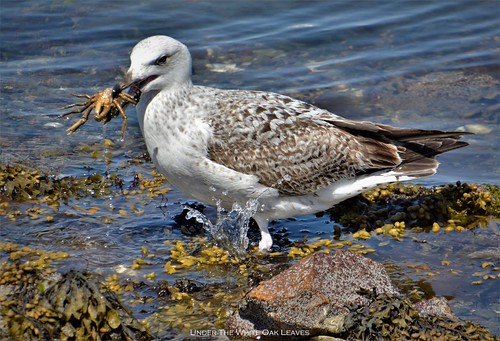
American Herring Gull (Larus smithsonianus)


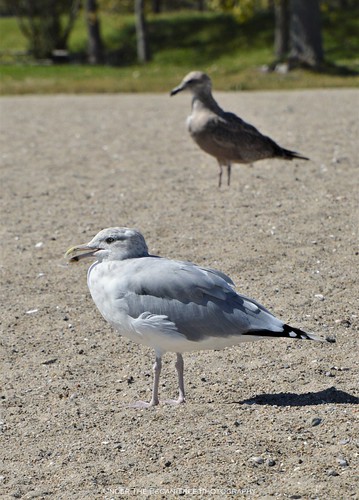
The American Herring Gull or Smithsonian gull (Larus smithsonianus or Larus argentatus smithsonianus) is a large gull that breeds in North America, where it is treated by the American Ornithological Society as a subspecies of herring gull (Larus argentatus). Adults are white with gray back and wings, black wingtips with white spots, and pink legs. Immature birds are gray-brown and are darker and more uniform than European herring gulls, with a darker tail. As is common with other gulls, they are colloquially referred to simply as seagulls. It occurs in a variety of habitats, including coasts, lakes, rivers, parking lots, and garbage dumps. Its broad diet includes invertebrates, fish, and many other items. It usually nests near water, laying around three eggs in a scrape on the ground.
White-tailed Deer (Odocoileus virginianus) 🦌


The white-tailed deer, also known commonly as the whitetail and the Virginia deer, is a medium-sized species of deer native to North America, Central America, and South America as far south as Peru and Bolivia, where it predominantly inhabits high mountain terrains of the Andes. It has also been introduced to New Zealand, all the Greater Antilles in the Caribbean (Cuba, Jamaica, Hispaniola, and Puerto Rico), and some countries in Europe, such as the Czech Republic, Finland, France, Germany, Romania, and Serbia. In the Americas, it is the most widely distributed wild ungulate.
In North America, the species is widely distributed east of the Rocky Mountains as well as in southwestern Arizona and most of Mexico, except Lower California. It is mostly displaced by the black-tailed or mule deer (Odocoileus hemionus) from that point west, except for mixed deciduous riparian corridors, river valley bottomlands, and lower foothills of the northern Rocky Mountain region from Wyoming west to eastern Washington and eastern Oregon, and north to northeastern British Columbia and southern Yukon, including in the Montana valley and foothill grasslands. The westernmost population of the species, known as the Columbian white-tailed deer, was once widespread in the mixed forests along the Willamette and Cowlitz River valleys of western Oregon and southwestern Washington, but current numbers are considerably reduced, and it is classified as near-threatened. This population is separated from other white-tailed deer populations.
Texas is home to the most white-tailed deer of any U.S. state or Canadian province, with an estimated population of 5.3 million. High populations of white-tailed deer exist in the Edwards Plateau of central Texas. Michigan, Minnesota, Iowa, Mississippi, Missouri, New Jersey, Illinois, Wisconsin, Maryland, New York, North Dakota, Ohio, and Indiana also boast high deer densities. The conversion of land adjacent to the Canadian Rockies to agricultural use and partial clear-cutting of coniferous trees, resulting in widespread deciduous vegetation, has been favorable to the white-tailed deer and has pushed its distribution to as far north as the Yukon. Populations of deer around the Great Lakes have expanded their range northwards, also due to the conversion of land to agricultural use, with local caribou, elk, and moose populations declining. White-tailed deer are crepuscular, meaning they are most active during the dawn and dusk hours.
National Hummingbird Day 2025

The historical evolution of Hummingbirds has not been traced to any verifiable or scientifically researched source. Their first public sighting was published in a journal by a French explorer on his travels to Brazil. Their ability to have survived millions of years must have been difficult due to their size and structure. Hummingbirds, as beautiful and precious as they are, are only found in the Americas, especially in North and South America.
Hummingbirds are those small, colorful birds distinguished by their ability to hover mid-air, rapidly flapping their wings – which produces the humming sound they are characteristically known for. They are attracted to flowering plants, especially those with deep throats, and feed on the nectar for survival. Their reliance on nectar has helped the development of new hummingbird species influenced by the changes in the flowers. The number of species is still growing, but about 360 species of Hummingbirds currently exist. Even with their aggressive nature, as many as 25 different species of Hummingbirds can survive and co-exist in the same place. The hummingbird’s size makes them susceptible to being preyed upon or caught in dangerous situations that could be man-made or natural. Some of these threats include pesticides, adverse weather conditions, large insects or predators, habitat loss, and poor feeders, among others.
Even though these creatures have survived a long time without the direct and active intervention or help of man, this is currently changing as more information is being gathered on their vulnerability and threats to their survival. National Hummingbird Day exists to celebrate these beautiful flying creatures. It recognizes their importance in pollinating our flowers and identifies threats and situations that are harmful to them. It also encourages safer practices that will ensure their survival.
:https://nationaltoday.com/national-hummingbird-day/

National Wildlife Day 2025


This National Day highlights endangered species, preservation, and conservation efforts worldwide. Zoos, aviaries, and marine sanctuaries provide a variety of ways to get involved. No matter where you live, opportunities abound to learn and participate in the day. Wildlife doesn’t only exist in the forest or outside the city limits. Look closely. The creatures and animals that share our world live beneath our feet and in the sky above us. Our rivers, lakes, and oceans are teeming with wildlife of all sizes. It’s essential to understand how we impact the habitats that animals need to survive. Their homes supply their food and shelter.
: https://www.nationaldaycalendar.com/national-day/national-wildlife-day
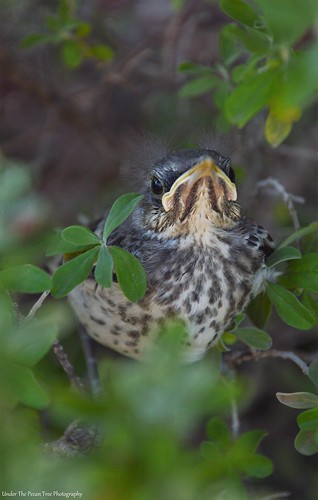
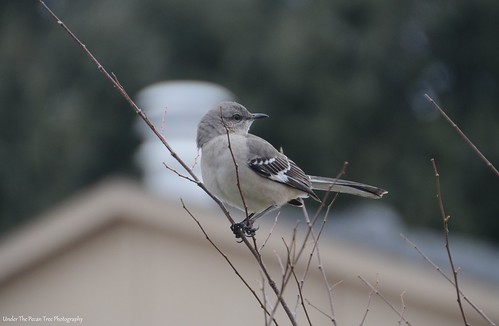
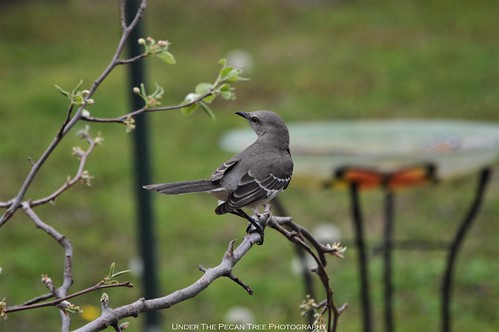
Northern Mockingbird (Mimus polyglottos)


Mockingbirds are one of the most commonly noticed birds in the state of Texas. They are either applauded for their audaciousness or cursed for their persistence in nocturnal singing or in the defense of their territory. Insects, fruit, crustaceans, and small vertebrates make up the mockingbird’s diet. The fact that they enjoy fresh fruits and vegetables hasn’t exactly made them gardeners’ friends either, although they do eat lots of insects.
Mockingbirds are found in just about every habitat type in the state. The males’ territoriality and constant singing and displaying during the breeding season make them the most noticeable birds in Texas. Often, this territoriality takes the form of early morning singing sessions or diving attacks on other animals or people!
Unmated male mockingbirds sing more than mated ones, and only unmated males sing at night. Both sexes sing in the fall to claim winter feeding territories. These areas are often different than their spring breeding territories. Mockingbirds mimic 50 other bird songs. They have also been known to imitate other sounds they hear, such as rusty hinges, whistling, cackling hens, and dogs barking so expertly that even an electronic analysis could not tell the difference between the mockingbird and the original. Scientists have found that female mockingbirds are attracted to males that can make the most different sounds.