❄☃❄☃❄☃❄☃❄☃❄☃❄☃❄☃❄☃❄☃❄☃❄☃❄☃❄☃❄☃❄☃❄☃❄☃
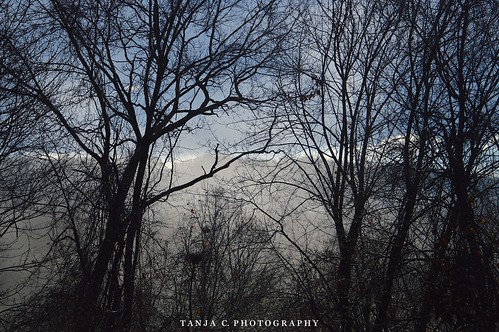
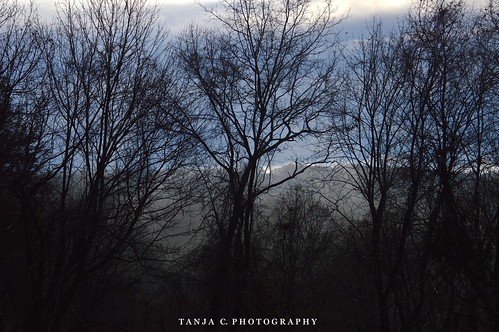
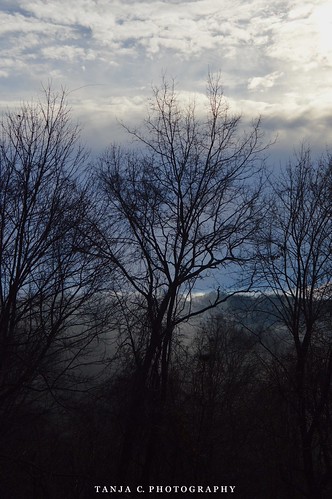
Winter In Connecticut 2026
❄☃❄☃❄☃❄☃❄☃❄☃❄☃❄☃❄☃❄☃❄☃❄☃❄☃❄☃❄☃❄☃❄☃❄☃
A Texas city girl in a small New England town …

❄☃❄☃❄☃❄☃❄☃❄☃❄☃❄☃❄☃❄☃❄☃❄☃❄☃❄☃❄☃❄☃❄☃❄☃
❄☃❄☃❄☃❄☃❄☃❄☃❄☃❄☃❄☃❄☃❄☃❄☃❄☃❄☃❄☃❄☃❄☃❄☃

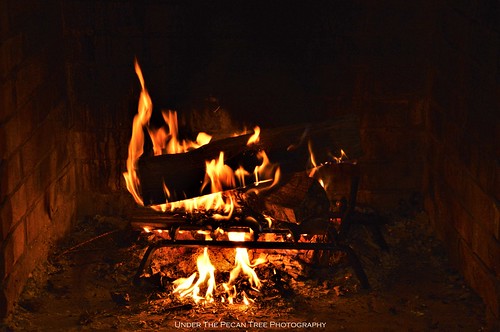
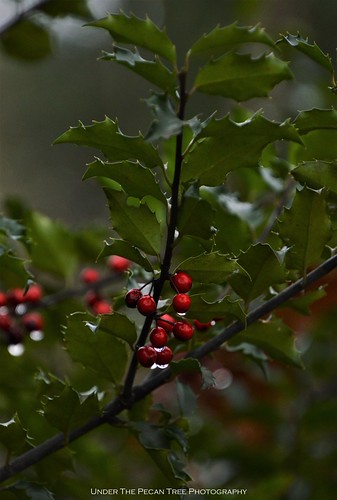
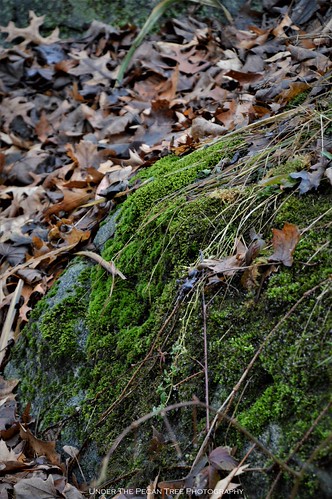
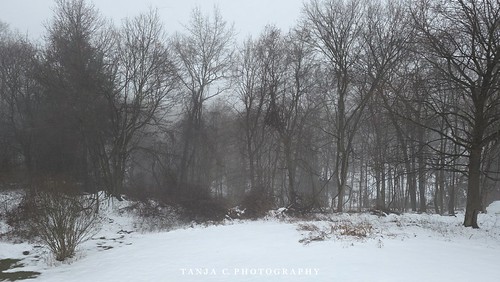
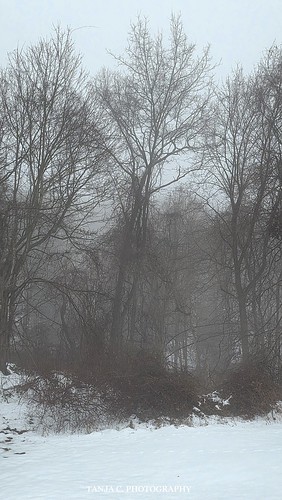
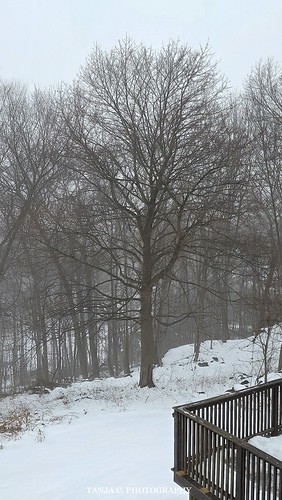
This morning was warm until the wind blew across the valley. It became much cooler in the afternoon. I made sure the birds, chipmunks, and squirrels would have plenty of food for the colder days and nights ahead. Meanwhile, we started our first fire of the new year. Now, one of my Kringle Winter candles is lit. And the room is warm and cozy.
~ 01/02/2022 ~
☀❄☀❄☀❄☀❄☀❄☀❄☀❄☀❄☀❄☀❄☀❄☀❄☀❄☀❄☀❄☀❄☀❄☀❄
☀❄☀❄☀❄☀❄☀❄☀❄☀❄☀❄☀❄☀❄☀❄☀❄☀❄☀❄☀❄☀❄☀❄☀❄
❄☃❄☃❄☃❄☃❄☃❄☃❄☃❄☃❄☃❄☃❄☃❄☃❄☃❄☃❄☃❄☃❄☃❄☃
❄☃❄☃❄☃❄☃❄☃❄☃❄☃❄☃❄☃❄☃❄☃❄☃❄☃❄☃❄☃❄☃❄☃❄☃
☀❄☀❄☀❄☀❄☀❄☀❄☀❄☀❄☀❄☀❄☀❄☀❄☀❄☀❄☀❄☀❄☀❄☀❄
☀❄☀❄☀❄☀❄☀❄☀❄☀❄☀❄☀❄☀❄☀❄☀❄☀❄☀❄☀❄☀❄☀❄☀❄
❄☃❄☃❄☃❄☃❄☃❄☃❄☃❄☃❄☃❄☃❄☃❄☃❄☃❄☃❄☃❄☃❄☃❄☃

❄☃❄☃❄☃❄☃❄☃❄☃❄☃❄☃❄☃❄☃❄☃❄☃❄☃❄☃❄☃❄☃❄☃❄☃
❄☃❄☃❄☃❄☃❄☃❄☃❄☃❄☃❄☃❄☃❄☃❄☃❄☃❄☃❄☃❄☃❄☃❄☃
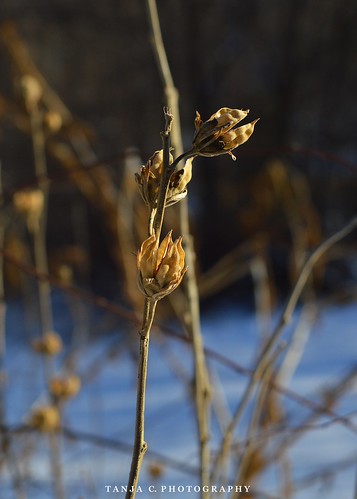
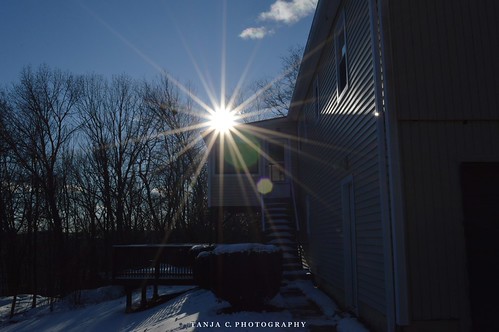
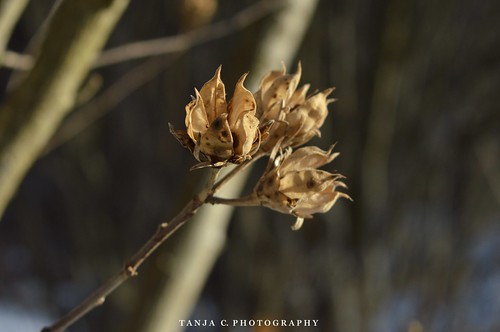

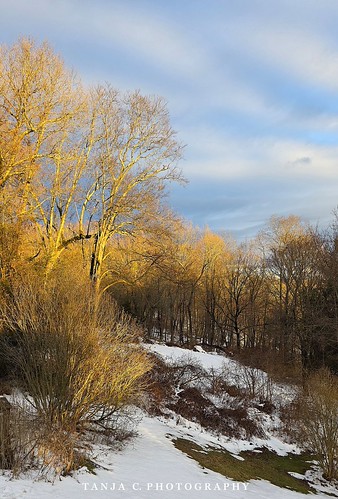
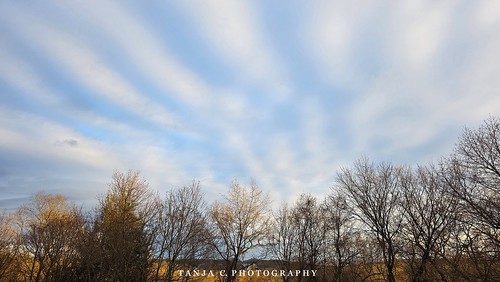
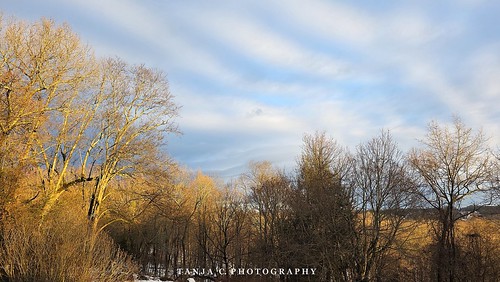
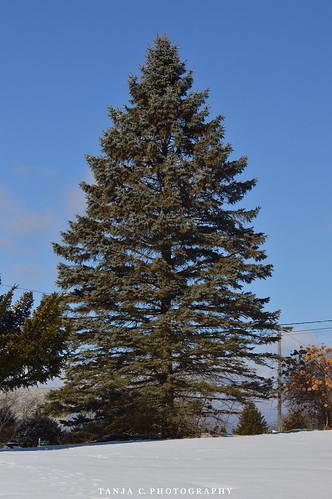
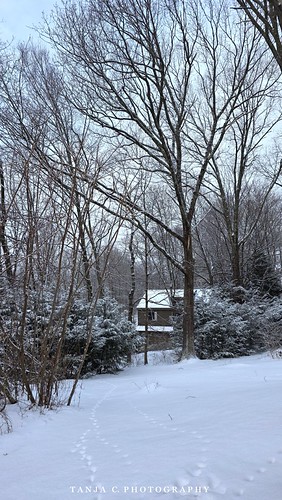
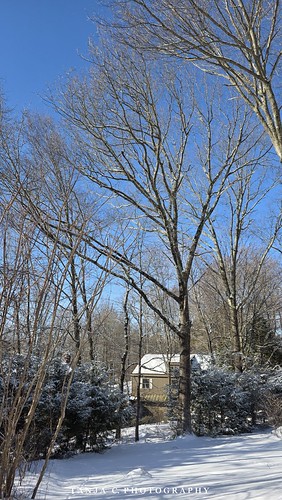
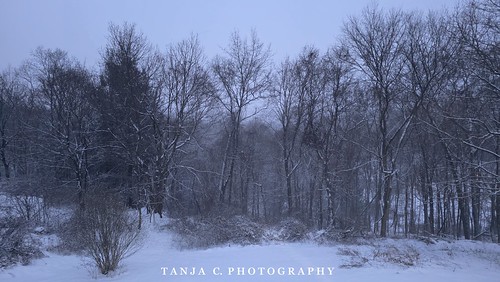
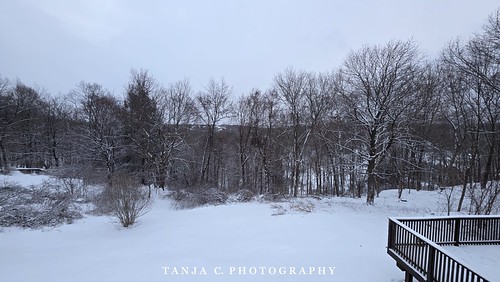
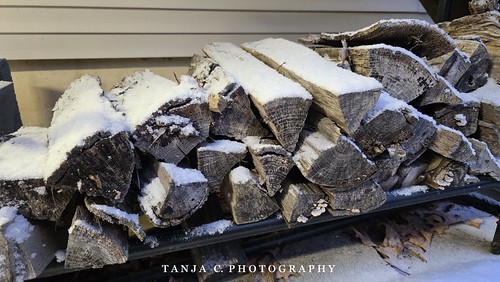
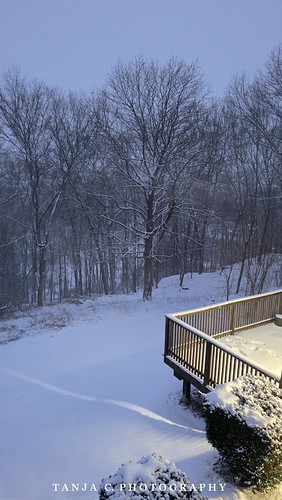
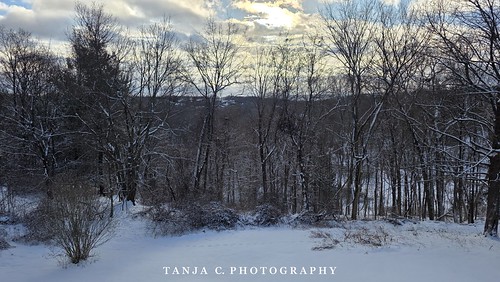
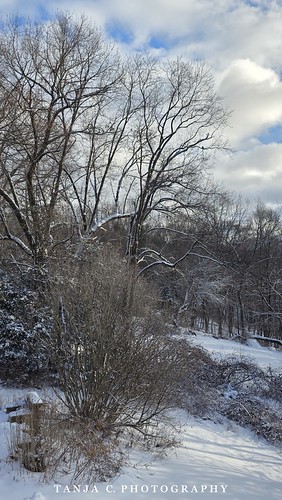
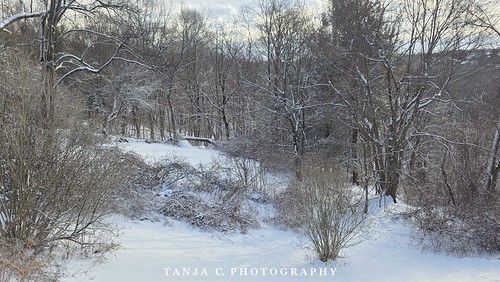
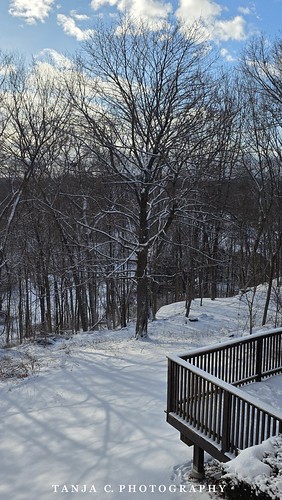
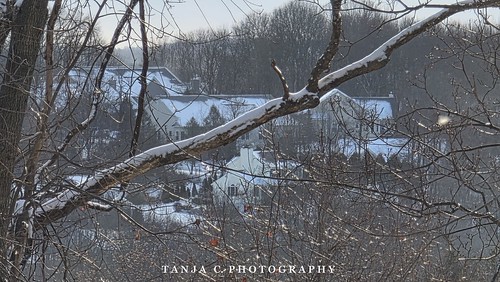
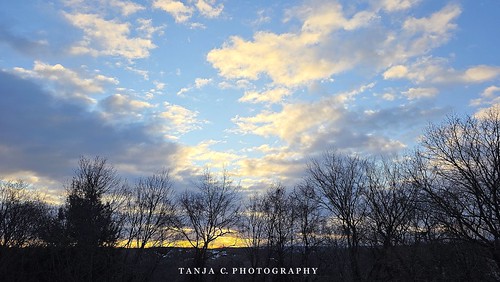
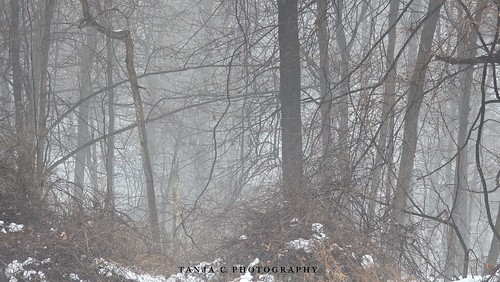
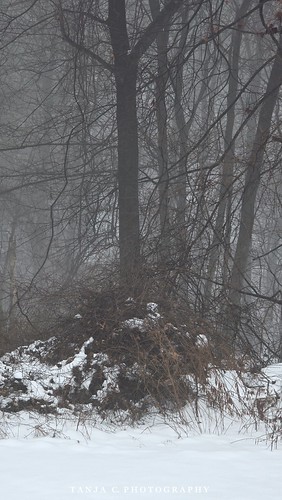
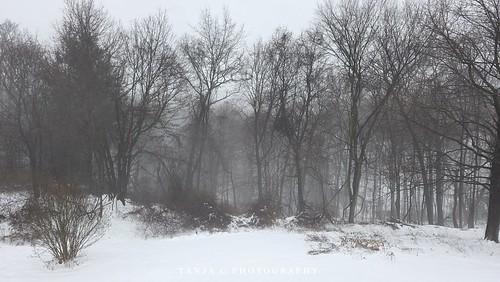
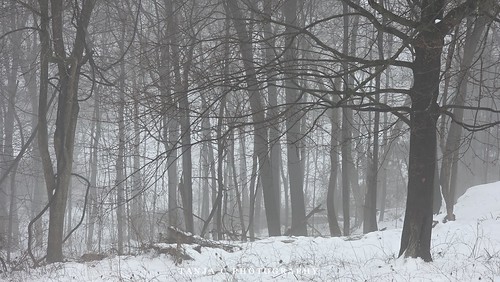
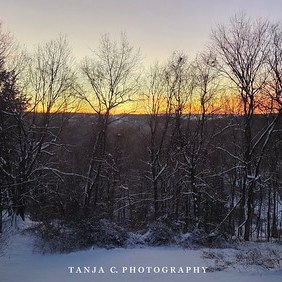
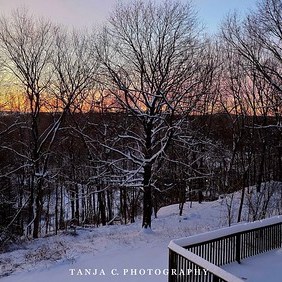
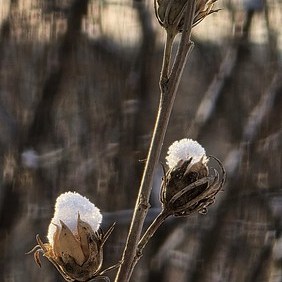
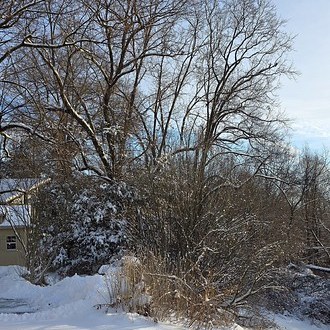
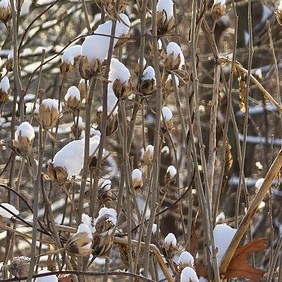
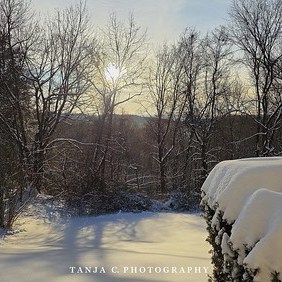
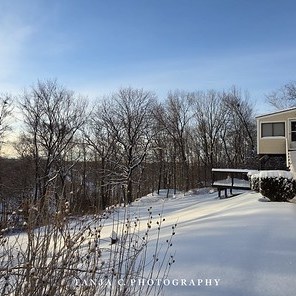
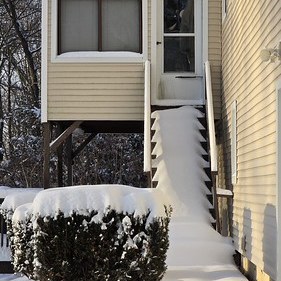
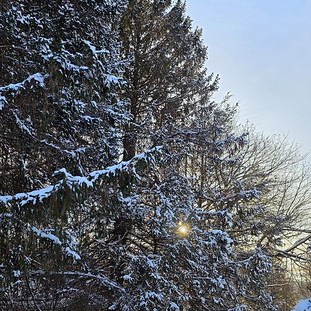
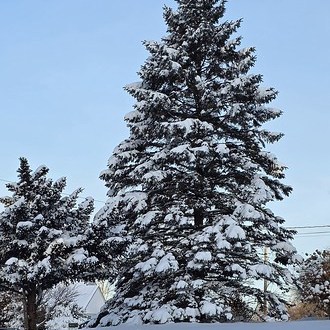
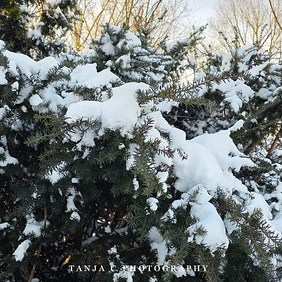
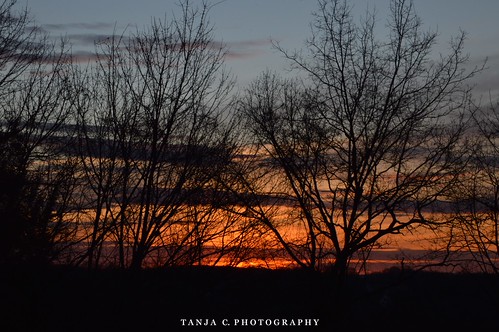
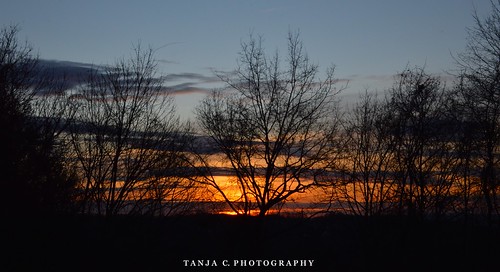
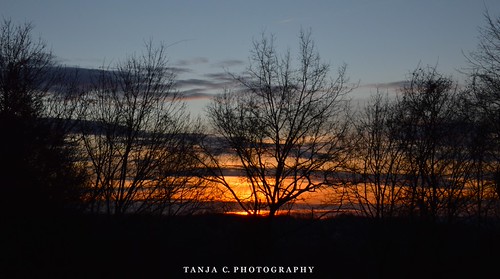
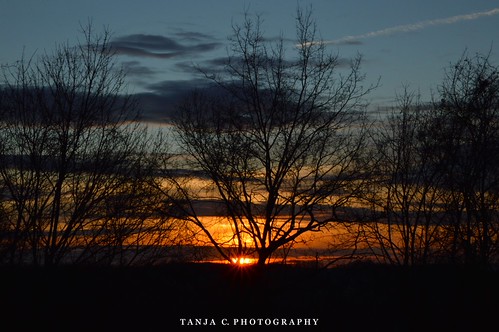
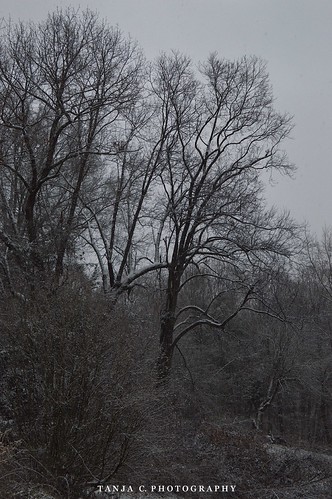
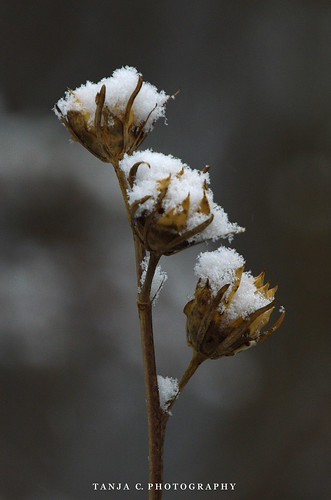
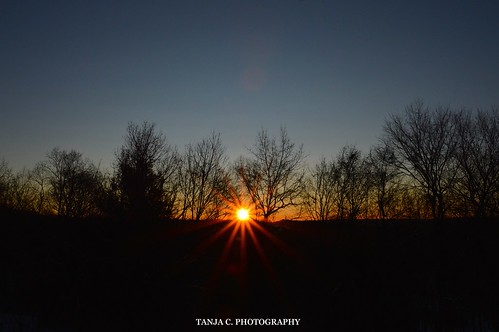
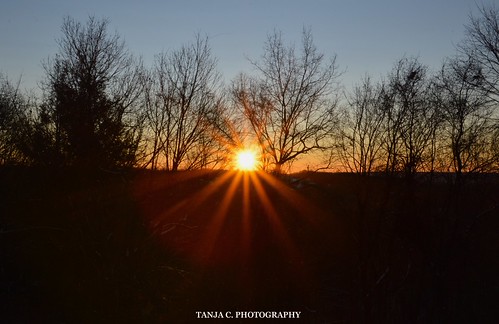
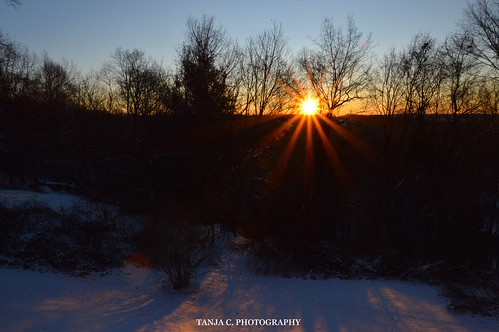
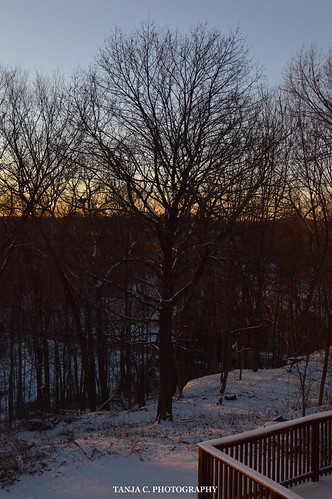
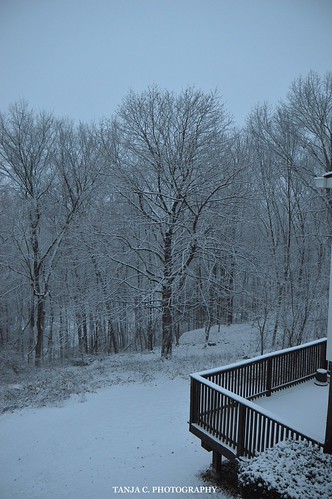
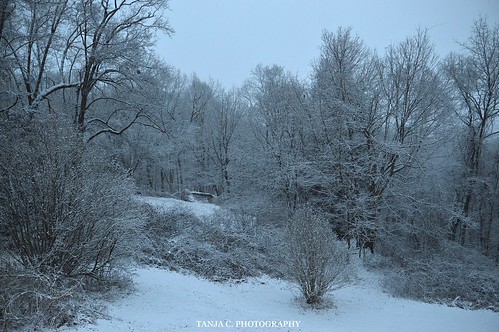
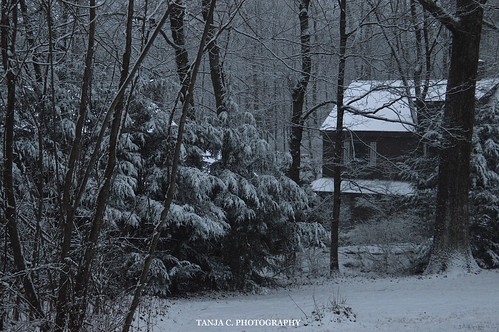
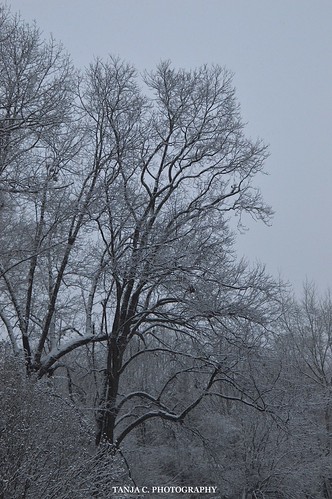
It snowed in the early morning hours. We got rewarded with sunshine for the rest of the day, and clear skies in the evening.
❄☃❄☃❄☃❄☃❄☃❄☃❄☃❄☃❄☃❄☃❄☃❄☃❄☃❄☃❄☃❄☃❄☃❄☃
❄☃❄☃❄☃❄☃❄☃❄☃❄☃❄☃❄☃❄☃❄☃❄☃❄☃❄☃❄☃❄☃❄☃❄☃
❄☃❄☃❄☃❄☃❄☃❄☃❄☃❄☃❄☃❄☃❄☃❄☃❄☃❄☃❄☃❄☃❄☃❄☃
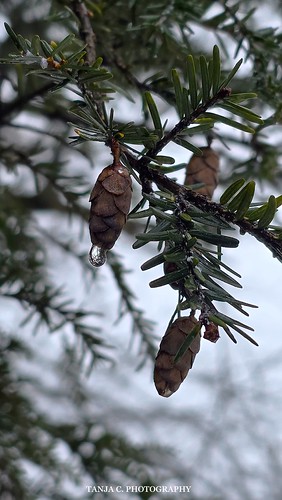
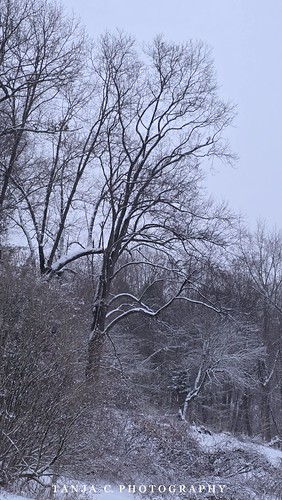
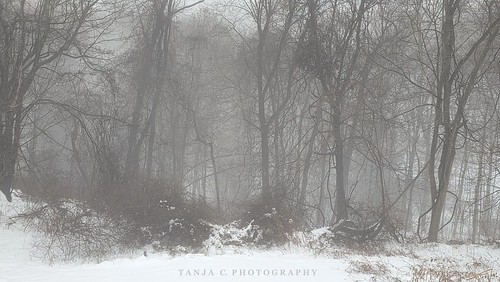
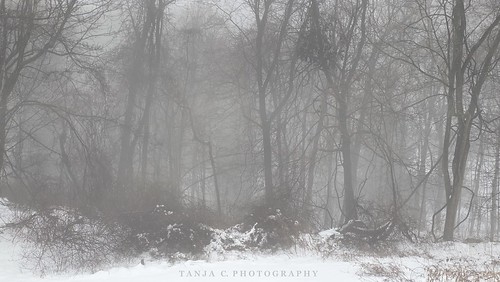
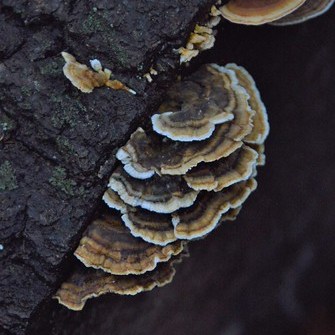
The new year began with fog, rain, and temperatures in the mid-50s (12℃) here in the Naugatuck River Valley. Since there was no wind, it felt warm outside. This allowed me to capture photos of some raindrops, seedpods, and small mushrooms. We’d better enjoy these temperatures. Tomorrow, it is supposed to freeze at night. And there might also be some snow in the forecast for this upcoming week.
– 01/01/2022 –
☀❄☀❄☀❄☀❄☀❄☀❄☀❄☀❄☀❄☀❄☀❄☀❄☀❄☀❄☀❄☀❄☀❄☀❄
☀❄☀❄☀❄☀❄☀❄☀❄☀❄☀❄☀❄☀❄☀❄☀❄☀❄☀❄☀❄☀❄☀❄☀❄
❄☃❄☃❄☃❄☃❄☃❄☃❄☃❄☃❄☃❄☃❄☃❄☃❄☃❄☃❄☃❄☃❄☃❄☃
❄☃❄☃❄☃❄☃❄☃❄☃❄☃❄☃❄☃❄☃❄☃❄☃❄☃❄☃❄☃❄☃❄☃❄☃
❄☃❄☃❄☃❄☃❄☃❄☃❄☃❄☃❄☃❄☃❄☃❄☃❄☃❄☃❄☃❄☃❄☃❄☃

❄☃❄☃❄☃❄☃❄☃❄☃❄☃❄☃❄☃❄☃❄☃❄☃❄☃❄☃❄☃❄☃❄☃❄☃
☀❄☀❄☀❄☀❄☀❄☀❄☀❄☀❄☀❄☀❄☀❄☀❄☀❄☀❄☀❄☀❄☀❄☀❄
☀❄☀❄☀❄☀❄☀❄☀❄☀❄☀❄☀❄☀❄☀❄☀❄☀❄☀❄☀❄☀❄☀❄☀❄
☀❄☀❄☀❄☀❄☀❄☀❄☀❄☀❄☀❄☀❄☀❄☀❄☀❄☀❄☀❄☀❄☀❄☀❄

☀❄☀❄☀❄☀❄☀❄☀❄☀❄☀❄☀❄☀❄☀❄☀❄☀❄☀❄☀❄☀❄☀❄☀❄
❄☃❄☃❄☃❄☃❄☃❄☃❄☃❄☃❄☃❄☃❄☃❄☃❄☃❄☃❄☃❄☃❄☃❄☃



❄☃❄☃❄☃❄☃❄☃❄☃❄☃❄☃❄☃❄☃❄☃❄☃❄☃❄☃❄☃❄☃❄☃❄☃

☀❄☀❄☀❄☀❄☀❄☀❄☀❄☀❄☀❄☀❄☀❄☀❄☀❄☀❄☀❄☀❄☀❄☀❄
☀❄☀❄☀❄☀❄☀❄☀❄☀❄☀❄☀❄☀❄☀❄☀❄☀❄☀❄☀❄☀❄☀❄☀❄
❄☃❄☃❄☃❄☃❄☃❄☃❄☃❄☃❄☃❄☃❄☃❄☃❄☃❄☃❄☃❄☃❄☃❄☃
❄☃❄☃❄☃❄☃❄☃❄☃❄☃❄☃❄☃❄☃❄☃❄☃❄☃❄☃❄☃❄☃❄☃❄☃
☀❄☀❄☀❄☀❄☀❄☀❄☀❄☀❄☀❄☀❄☀❄☀❄☀❄☀❄☀❄☀❄☀❄☀❄
☀❄☀❄☀❄☀❄☀❄☀❄☀❄☀❄☀❄☀❄☀❄☀❄☀❄☀❄☀❄☀❄☀❄☀❄

Though they were likely originally dwellers of both North and South America, llamas are believed to have gone extinct in North America during the last ice age, leaving them only in South America.
A cousin to alpacas, llamas were domesticated by humans around 4,000 or even 5,000 years ago, starting in Peru and the Andes mountains. Able to navigate tricky trails, llamas were often used as pack animals in these mountainous areas to carry loads of goods, while their fur was used to make textiles and fabrics.
In modern times, llamas are also often kept domestically on farms, sometimes as guard animals for other flocks such as sheep or even alpacas. Since they can live an average of 20 years, or even up to 30 years, owning a llama is a long-term commitment. And they love to be in herds, so it’s best to never have only one llama but at least two, or even several.
☀❄☀❄☀❄☀❄☀❄☀❄☀❄☀❄☀❄☀❄☀❄☀❄☀❄☀❄☀❄☀❄☀❄☀❄
☀❄☀❄☀❄☀❄☀❄☀❄☀❄☀❄☀❄☀❄☀❄☀❄☀❄☀❄☀❄☀❄☀❄☀❄
❄☃❄☃❄☃❄☃❄☃❄☃❄☃❄☃❄☃❄☃❄☃❄☃❄☃❄☃❄☃❄☃❄☃❄☃
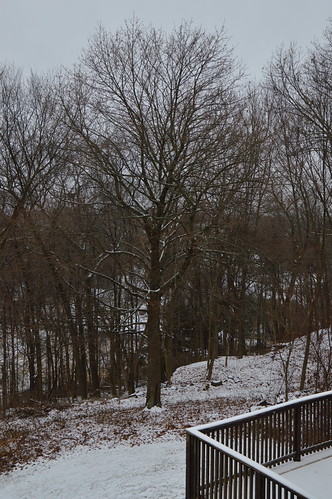
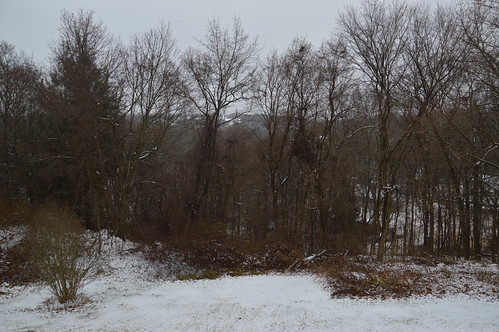
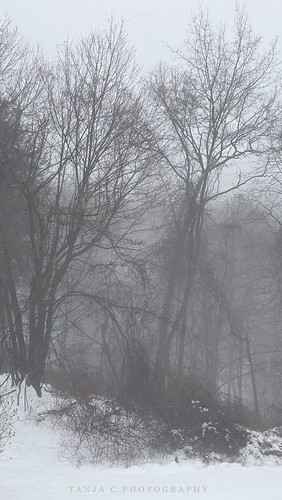
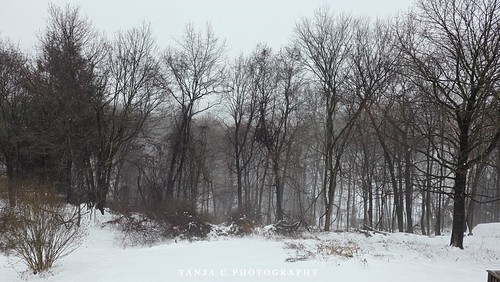
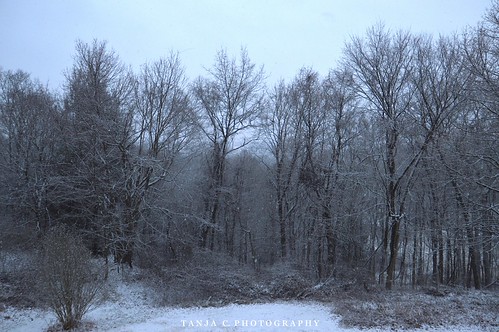
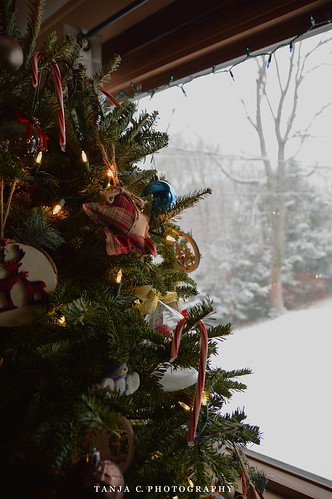
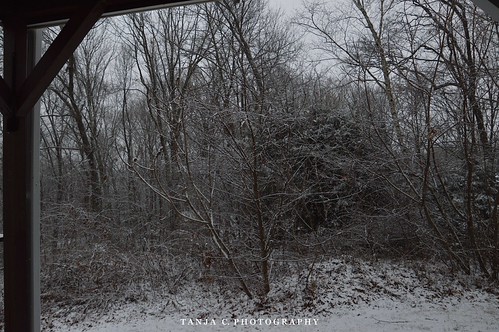
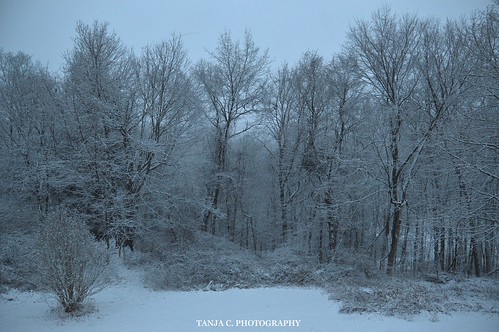
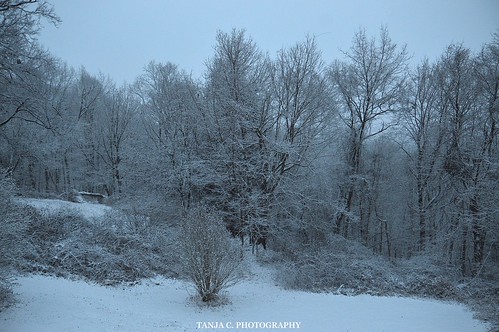
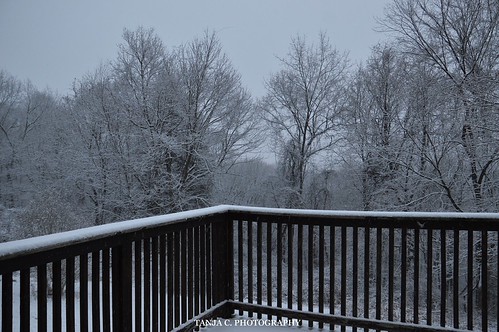
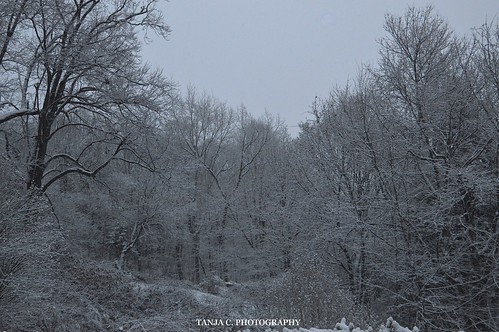
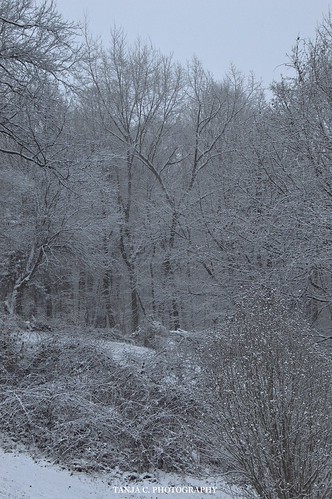
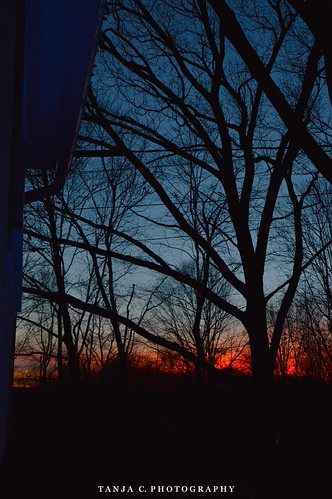
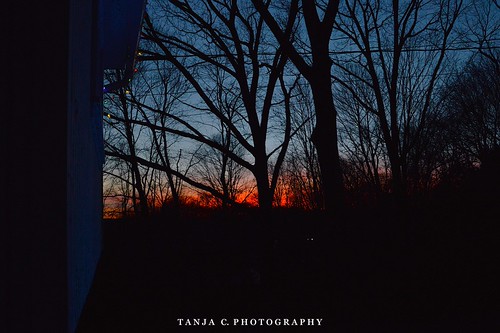
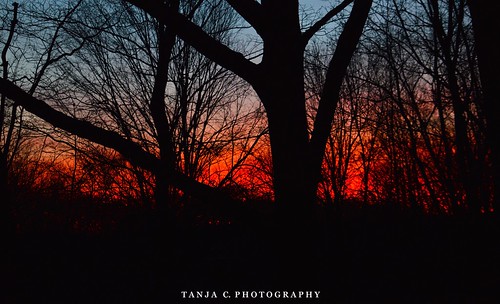
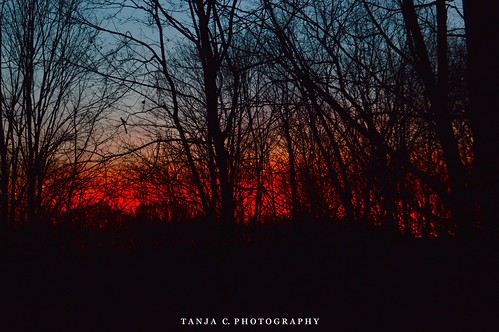
First, the meteorologists mentioned 3-6 inches of snow for our area. But the weather system stayed further north. We were lucky; we got about an inch.
❄☃❄☃❄☃❄☃❄☃❄☃❄☃❄☃❄☃❄☃❄☃❄☃❄☃❄☃❄☃❄☃❄☃❄☃
❄🌞❄🌞❄🌞❄🌞❄🌞❄🌞❄🌞❄🌞❄🌞❄🌞❄🌞❄🌞❄🌞❄🌞❄🌞❄🌞❄🌞❄
❄🌞❄🌞❄🌞❄🌞❄🌞❄🌞❄🌞❄🌞❄🌞❄🌞❄🌞❄🌞❄🌞❄🌞❄🌞❄🌞❄🌞❄
🎄🌲🎄🌲🎄🌲🎄🌲🎄🌲🎄🌲🎄🌲🎄🌲🎄🌲🎄🌲🎄🌲🎄🌲🎄🌲🎄🌲🎄🌲🎄🌲🎄🌲🎄🌲




🎄🌲🎄🌲🎄🌲🎄🌲🎄🌲🎄🌲🎄🌲🎄🌲🎄🌲🎄🌲🎄🌲🎄🌲🎄🌲🎄🌲🎄🌲🎄🌲🎄🌲🎄🌲
🍃🍂🍁🍃🍂🍁🍃🍂🍁🍃🍂🍁🍃🍂🍁🍃🍂🍁🍃🍂🍁🍃🍂🍁🍃🍂🍁🍃🍂🍁🍃🍂🍁🍃🍂🍁

🍃🍂🍁🍃🍂🍁🍃🍂🍁🍃🍂🍁🍃🍂🍁🍃🍂🍁🍃🍂🍁🍃🍂🍁🍃🍂🍁🍃🍂🍁🍃🍂🍁🍃🍂🍁
~ 11/04/2011 ~
🍃🍂🍁🍃🍂🍁🍃🍂🍁🍃🍂🍁🍃🍂🍁🍃🍂🍁🍃🍂🍁🍃🍂🍁🍃🍂🍁🍃🍂🍁🍃🍂🍁🍃🍂🍁
🍃🍂🍁🍃🍂🍁🍃🍂🍁🍃🍂🍁🍃🍂🍁🍃🍂🍁🍃🍂🍁🍃🍂🍁🍃🍂🍁🍃🍂🍁🍃🍂🍁🍃🍂🍁
🍃🍂🍁🍃🍂🍁🍃🍂🍁🍃🍂🍁🍃🍂🍁🍃🍂🍁🍃🍂🍁🍃🍂🍁🍃🍂🍁🍃🍂🍁🍃🍂🍁🍃🍂🍁


🍃🍂🍁🍃🍂🍁🍃🍂🍁🍃🍂🍁🍃🍂🍁🍃🍂🍁🍃🍂🍁🍃🍂🍁🍃🍂🍁🍃🍂🍁🍃🍂🍁🍃🍂🍁
🍃🍂🍁🍃🍂🍁🍃🍂🍁🍃🍂🍁🍃🍂🍁🍃🍂🍁🍃🍂🍁🍃🍂🍁🍃🍂🍁🍃🍂🍁🍃🍂🍁🍃🍂🍁
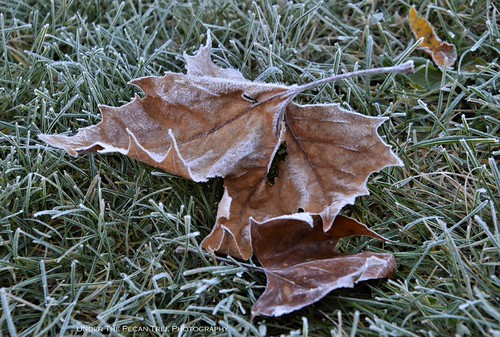
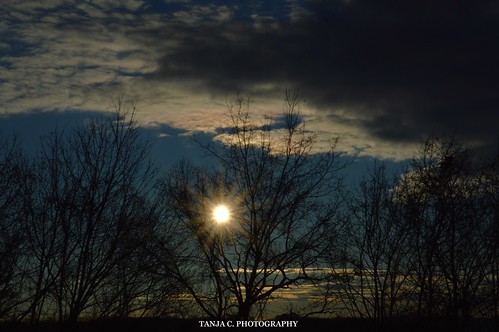
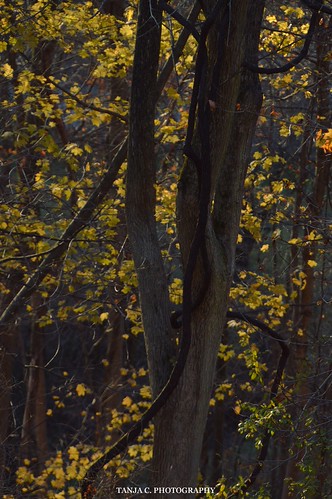
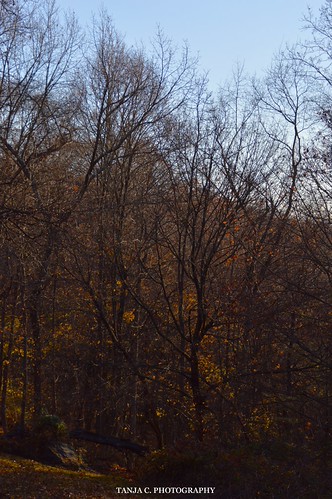
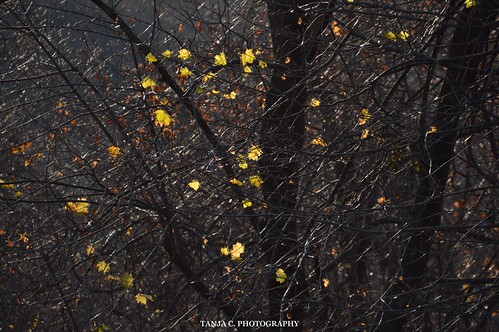
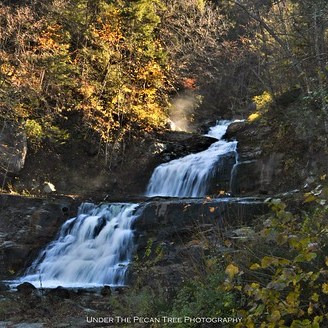
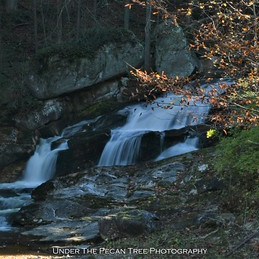
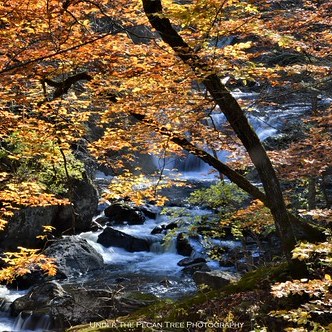
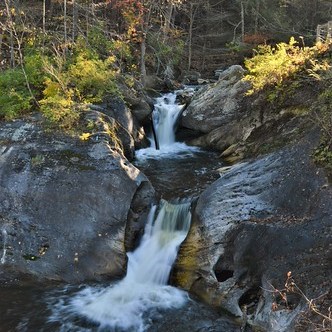
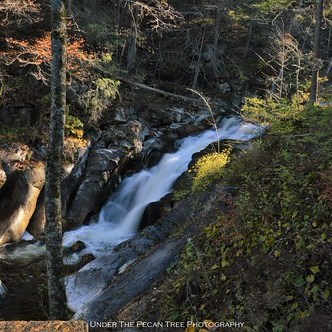
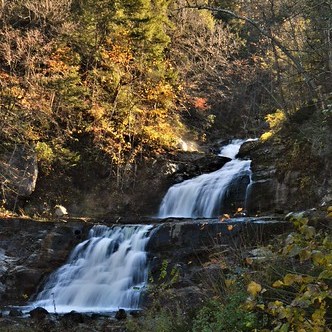
This morning, we experienced our first frost of the season in Connecticut. But this didn’t stop Kevin and me from driving to the Kent Falls State Park and doing a little mid-morning hike along the falls. We made sure we wore an extra layer of clothes. And up the trail, we went. The part of the Kent Falls, seen at the bottom of the trail, is only a small portion. The falls have a total drop of 250 feet. Since they wind around the corner, they can’t be seen simultaneously. Kevin and I had to hike up a steep trail to get an idea of how big and how long the falls were running through the hill. Unfortunately, we still haven’t reached the top. However, the part of the trail we’ve hiked was so worth it.



🍃🍂🍁🍃🍂🍁🍃🍂🍁🍃🍂🍁🍃🍂🍁🍃🍂🍁🍃🍂🍁🍃🍂🍁🍃🍂🍁🍃🍂🍁🍃🍂🍁🍃🍂🍁
– 11/03/2021 –
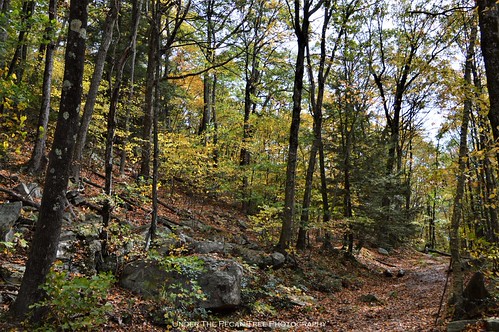
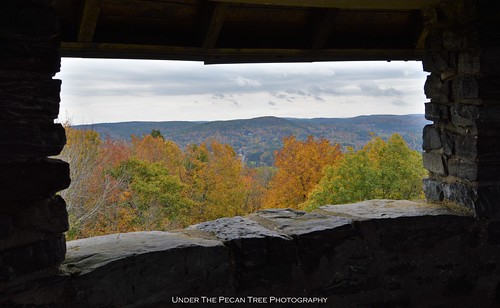
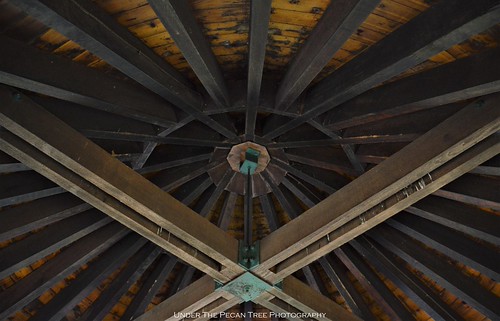
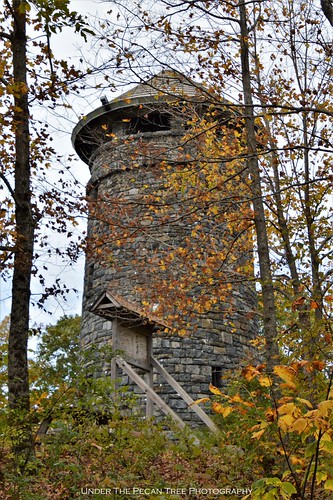
Hiking wasn’t always the fashionable pastime it is today. Before the Subarus and the Jeeps and the Patagonias built an industry around the activity, walking of any kind was considered an activity for the impoverished or the vagrant. The Romantic era of the Victorian years inspired the likes of Walden and Thoreau to reconnect with nature, and that, in turn, inspired the landscape architects to design parks with excellent walking trails (looking at you, Frederick Law Olmsted of Central Park fame). Walking then became something of the educated, the unhurried, the luxurious.
Until John Muir came along and walked his way through the Sierra Nevadas in California and demanded that not only hiking, walking, meandering, sojourning, whatever you want to call it, be accessible to every American citizen, but that the country should actively preserve natural areas of pristine ecology and beauty. In 1890, he petitioned to create the National Park System, and we were endowed with “America’s best idea” – Yosemite and Sequoia National Park. But even before Muir, on the east coast, a small group of people had banded together in 1876 to form the Appalachian Mountain Club, which aimed to protect and preserve all hiking trails along the historic mountain range and develop new ones.
🍃🍂🍁🍃🍂🍁🍃🍂🍁🍃🍂🍁🍃🍂🍁🍃🍂🍁🍃🍂🍁🍃🍂🍁🍃🍂🍁🍃🍂🍁🍃🍂🍁🍃🍂🍁




🍃🍂🍁🍃🍂🍁🍃🍂🍁🍃🍂🍁🍃🍂🍁🍃🍂🍁🍃🍂🍁🍃🍂🍁🍃🍂🍁🍃🍂🍁🍃🍂🍁🍃🍂🍁
🍃🍂🍁🍃🍂🍁🍃🍂🍁🍃🍂🍁🍃🍂🍁🍃🍂🍁🍃🍂🍁🍃🍂🍁🍃🍂🍁🍃🍂🍁🍃🍂🍁🍃🍂🍁


🍃🍂🍁🍃🍂🍁🍃🍂🍁🍃🍂🍁🍃🍂🍁🍃🍂🍁🍃🍂🍁🍃🍂🍁🍃🍂🍁🍃🍂🍁🍃🍂🍁🍃🍂🍁
🍃🍂🍁🍃🍂🍁🍃🍂🍁🍃🍂🍁🍃🍂🍁🍃🍂🍁🍃🍂🍁🍃🍂🍁🍃🍂🍁🍃🍂🍁🍃🍂🍁🍃🍂🍁
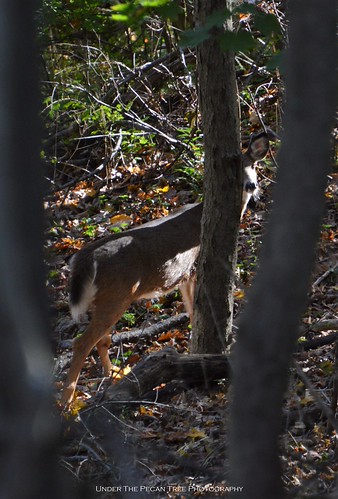
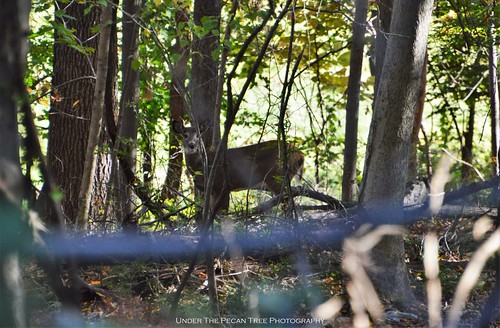
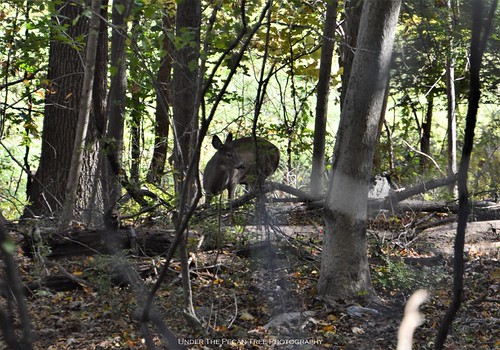
Kevin told me two deer were in the forest when I returned home from picking up Sara at school. So, we went down to the upper tree line to check if they were still there. And sure enough, the two young ladies hung out on our property. Deer #1 kept her distance at the other end of the tree line while Deer #2 hid behind a tree. It took us a moment to see her. She was well camouflaged in the forest. Smart girl! After we watched them for a while, we guessed Deer# 2 got spooked and made a leap onto the neighbor’s property, where she was waiting for her sister to come along with her. Soon, they were gone in the underbrush of the forest. Kevin mentioned getting a deer blind. We can watch all kinds of wildlife visiting our property. We still haven’t seen Bruno the Bear yet.
🍃🍂🍁🍃🍂🍁🍃🍂🍁🍃🍂🍁🍃🍂🍁🍃🍂🍁🍃🍂🍁🍃🍂🍁🍃🍂🍁🍃🍂🍁🍃🍂🍁🍃🍂🍁
– 11/01/2021 –
🍃🍂🍁🍃🍂🍁🍃🍂🍁🍃🍂🍁🍃🍂🍁🍃🍂🍁🍃🍂🍁🍃🍂🍁🍃🍂🍁🍃🍂🍁🍃🍂🍁🍃🍂🍁


🍃🍂🍁🍃🍂🍁🍃🍂🍁🍃🍂🍁🍃🍂🍁🍃🍂🍁🍃🍂🍁🍃🍂🍁🍃🍂🍁🍃🍂🍁🍃🍂🍁🍃🍂🍁
🍃🍂🍁🍃🍂🍁🍃🍂🍁🍃🍂🍁🍃🍂🍁🍃🍂🍁🍃🍂🍁🍃🍂🍁🍃🍂🍁🍃🍂🍁🍃🍂🍁🍃🍂🍁
🍃🍂🍁🍃🍂🍁🍃🍂🍁🍃🍂🍁🍃🍂🍁🍃🍂🍁🍃🍂🍁🍃🍂🍁🍃🍂🍁🍃🍂🍁🍃🍂🍁🍃🍂🍁
🍃🍂🍁🍃🍂🍁🍃🍂🍁🍃🍂🍁🍃🍂🍁🍃🍂🍁🍃🍂🍁🍃🍂🍁🍃🍂🍁🍃🍂🍁🍃🍂🍁🍃🍂🍁
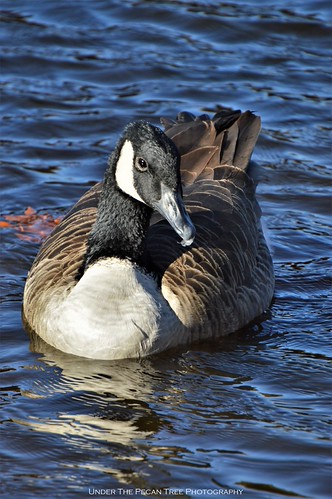
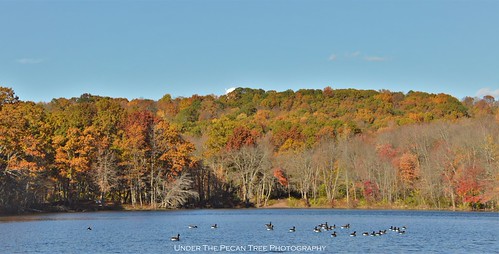
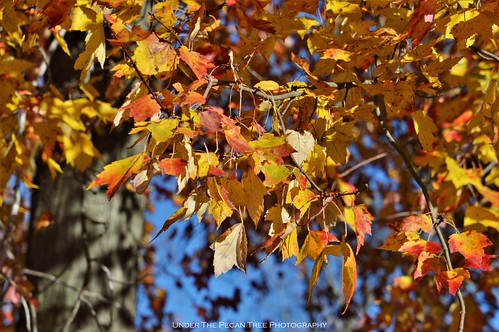
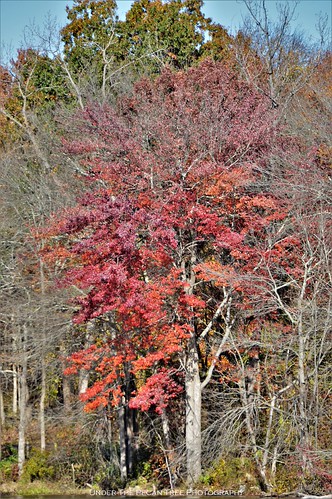
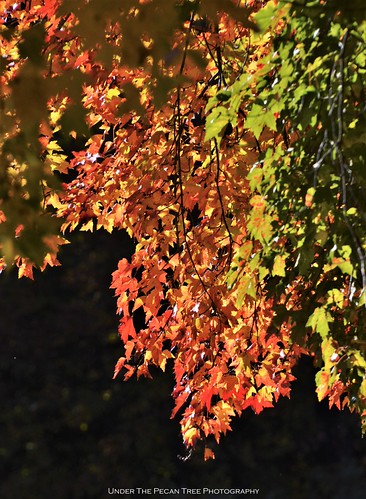
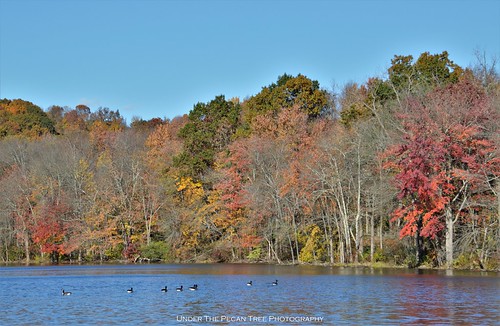
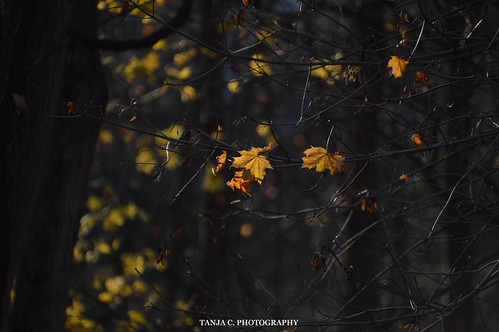
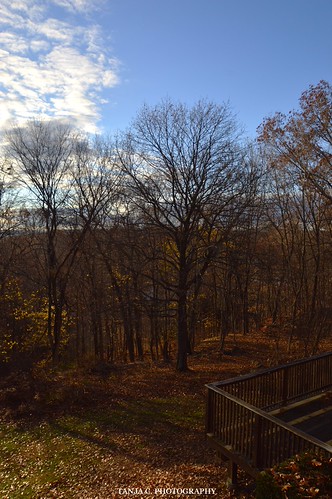
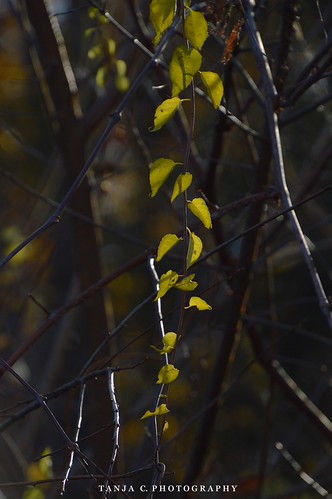
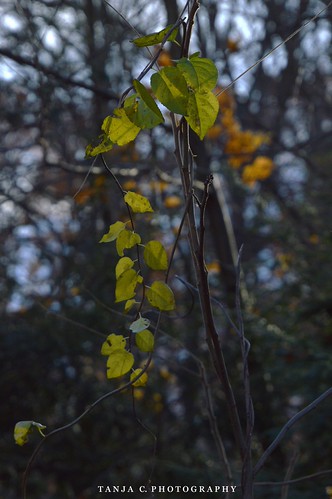
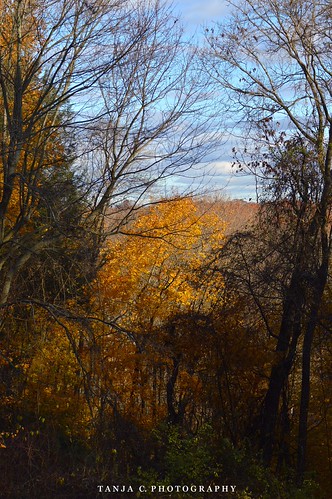
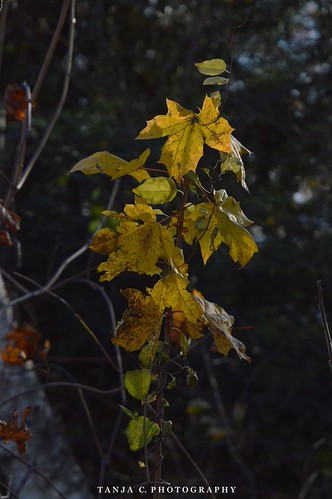
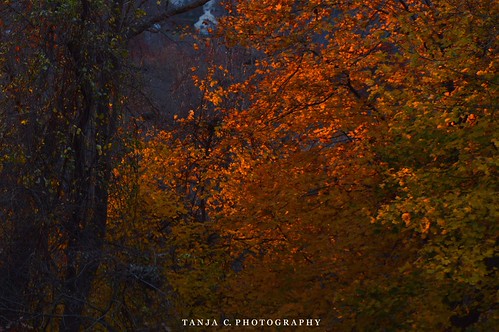
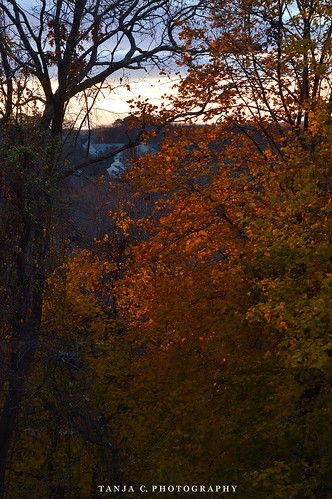
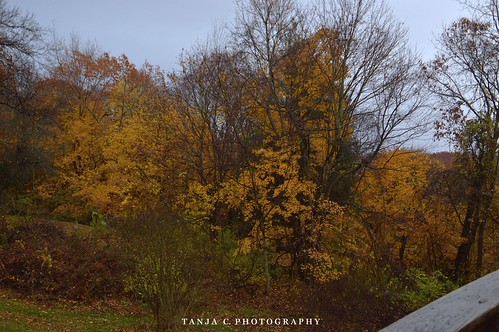
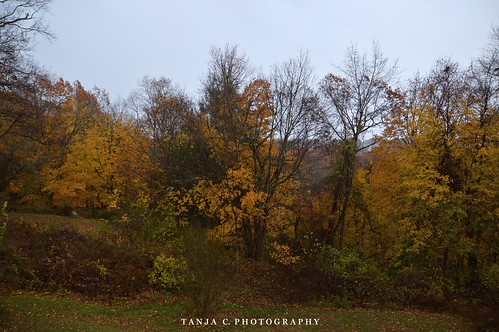
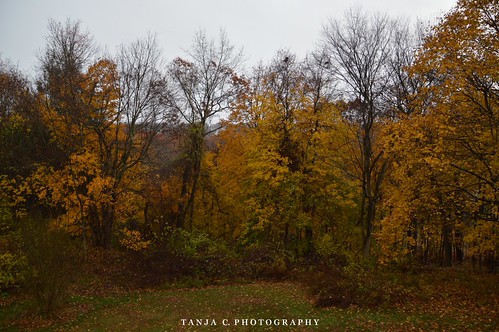
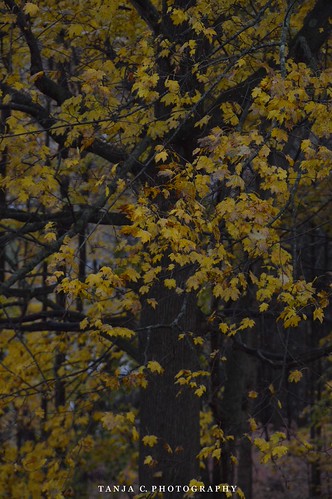
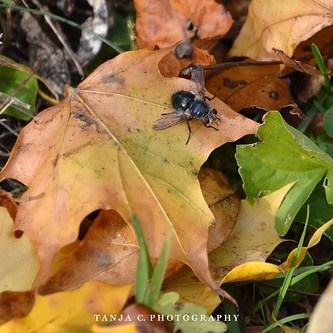
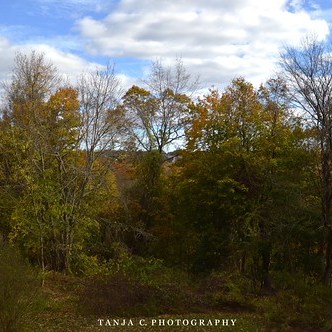
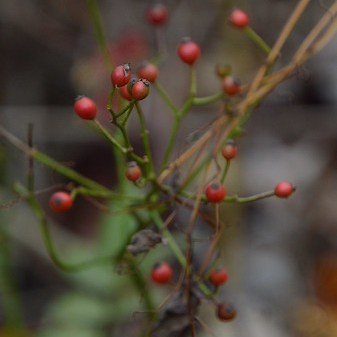
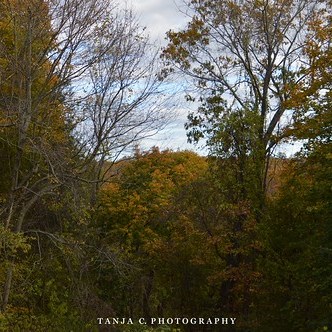
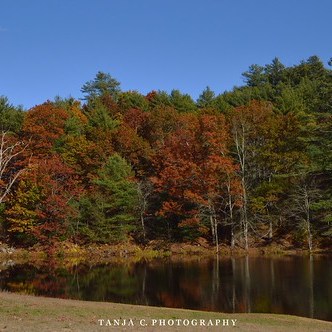
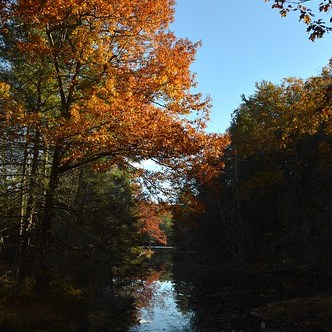
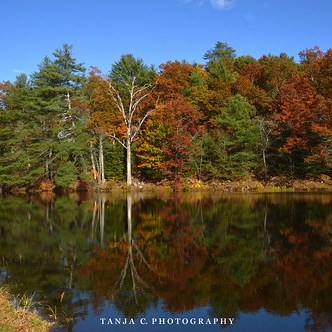
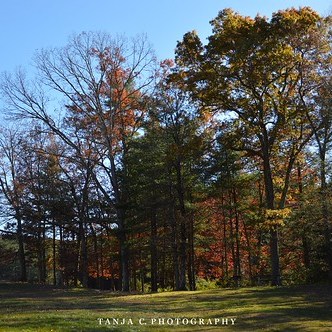
This afternoon, I took another peek at the leaves in Echo Lake Park. And with sadness, I have to say, the “Leaf Peeping Peak Season” is over. Here and there are trees still dressed in Autumn leaves. A lot of them are bare, now. I can tell that November has arrived in New England. Well, I will enjoy what is left for the rest of the season, before I experience my first real Winter in almost two decades.
🍃🍂🍁🍃🍂🍁🍃🍂🍁🍃🍂🍁🍃🍂🍁🍃🍂🍁🍃🍂🍁🍃🍂🍁🍃🍂🍁🍃🍂🍁🍃🍂🍁🍃🍂🍁
~ 11/01/2021 ~
🍃🍂🍁🍃🍂🍁🍃🍂🍁🍃🍂🍁🍃🍂🍁🍃🍂🍁🍃🍂🍁🍃🍂🍁🍃🍂🍁🍃🍂🍁🍃🍂🍁🍃🍂🍁



🍃🍂🍁🍃🍂🍁🍃🍂🍁🍃🍂🍁🍃🍂🍁🍃🍂🍁🍃🍂🍁🍃🍂🍁🍃🍂🍁🍃🍂🍁🍃🍂🍁🍃🍂🍁
☂🍁🌩☂🍁🌩☂🍁🌩☂🍁🌩☂🍁🌩☂🍁🌩☂🍁🌩☂🍁🌩☂🍁🌩☂🍁🌩☂🍁🌩☂🍁🌩
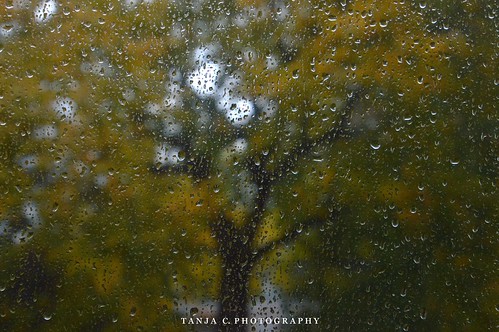
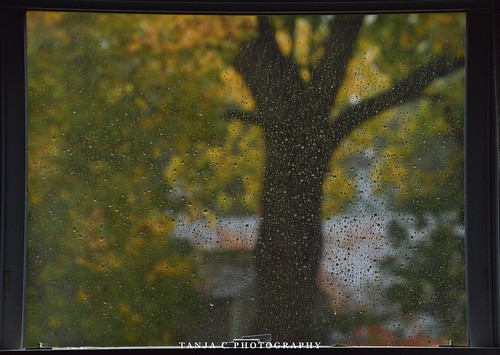
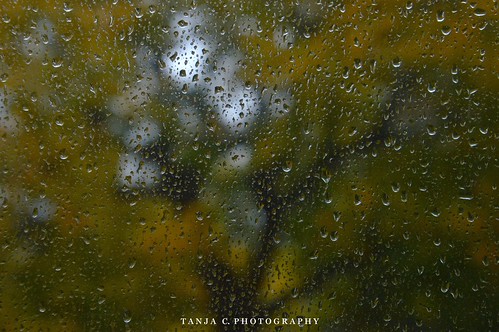
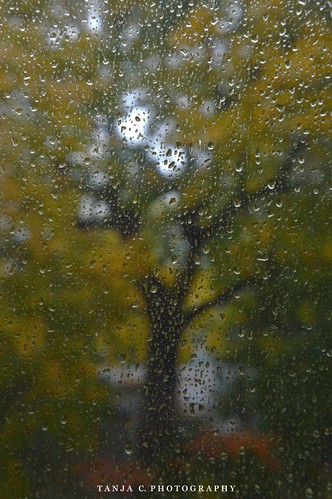
The wind is strong, the rain is a soaker, and the leaves are falling. It’s a perfect day to stay indoors and drink some hot chocolate.
☂🍁🌩☂🍁🌩☂🍁🌩☂🍁🌩☂🍁🌩☂🍁🌩☂🍁🌩☂🍁🌩☂🍁🌩☂🍁🌩☂🍁🌩☂🍁🌩
🍃🍂🍁🍃🍂🍁🍃🍂🍁🍃🍂🍁🍃🍂🍁🍃🍂🍁🍃🍂🍁🍃🍂🍁🍃🍂🍁🍃🍂🍁🍃🍂🍁🍃🍂🍁
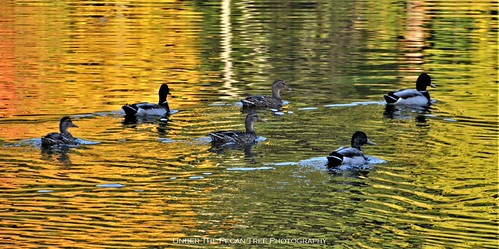
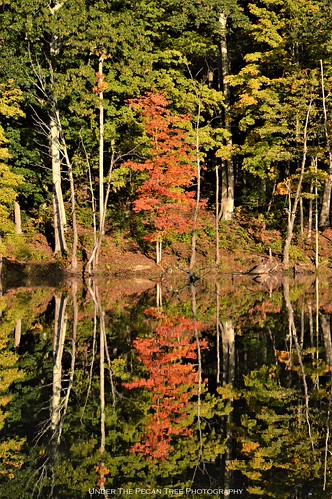
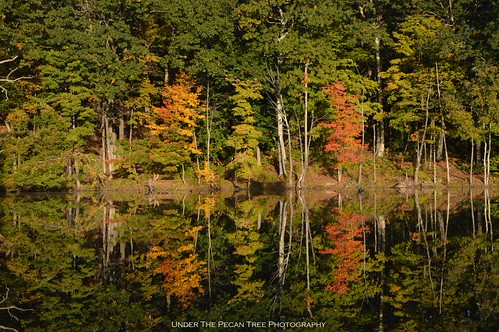

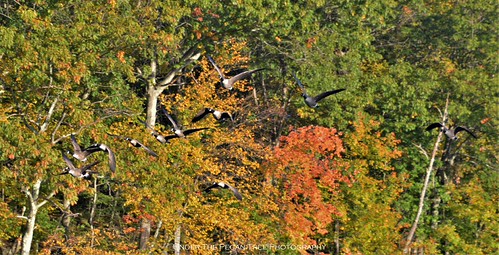

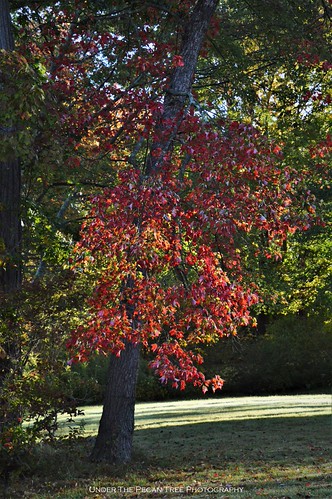
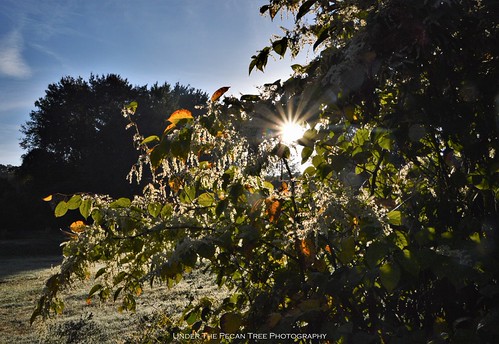
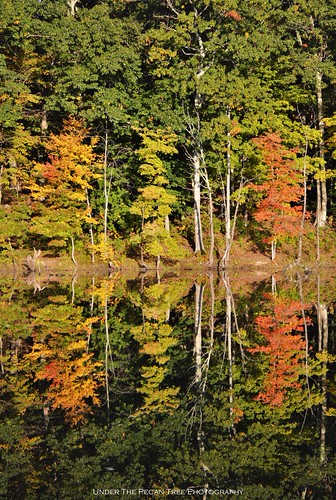
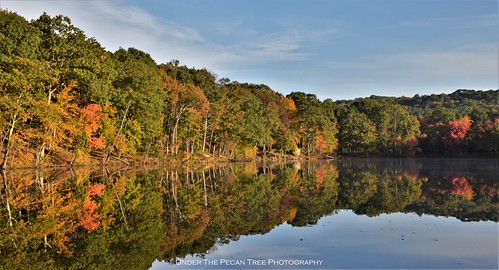
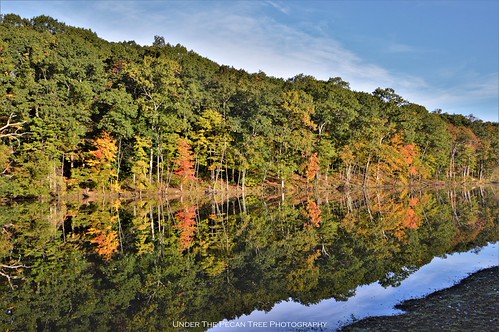
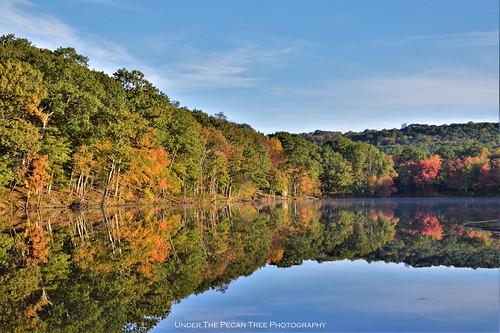
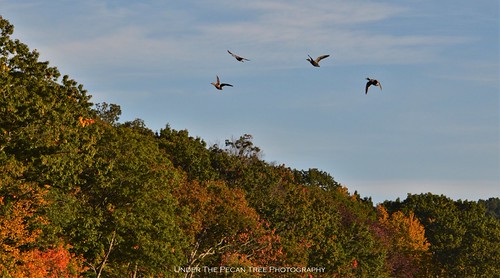
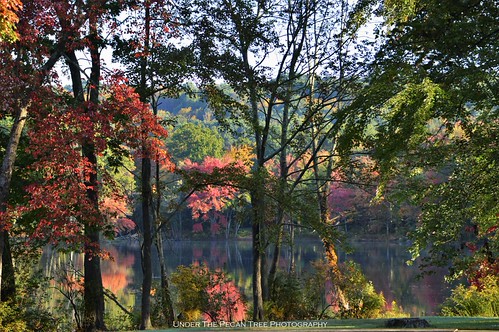
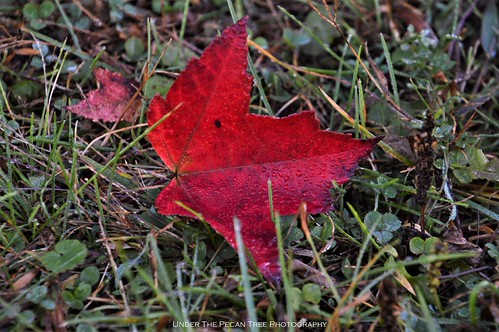
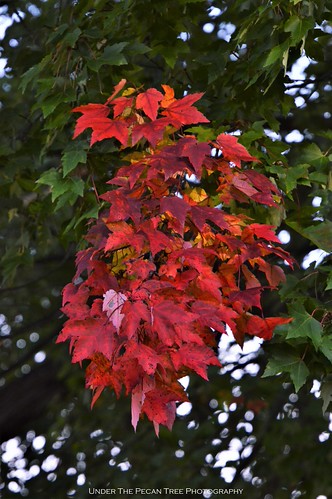
After I dropped off Sara at school, I drove to Echo Lake Park. I wanted to see how far Autumn had come along. Two weeks ago, there were barely any signs. Now, it looks quite different. Let’s give it another week or two, and the green might be completely gone. The dew and the fog helped to give it an Autumn feeling at the lake. A half a dozen ducks and a bunch of Canada Geese enjoyed this sunny morning as well.
🍃🍂🍁🍃🍂🍁🍃🍂🍁🍃🍂🍁🍃🍂🍁🍃🍂🍁🍃🍂🍁🍃🍂🍁🍃🍂🍁🍃🍂🍁🍃🍂🍁🍃🍂🍁
– 10/12/2021 –
🍃🍂🍁🍃🍂🍁🍃🍂🍁🍃🍂🍁🍃🍂🍁🍃🍂🍁🍃🍂🍁🍃🍂🍁🍃🍂🍁🍃🍂🍁🍃🍂🍁🍃🍂🍁
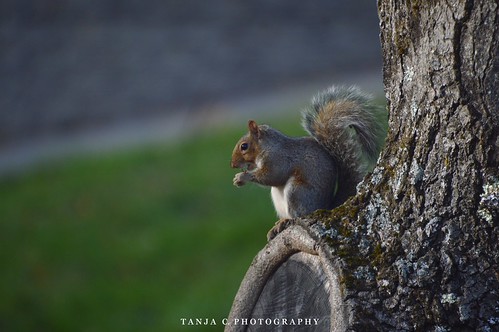
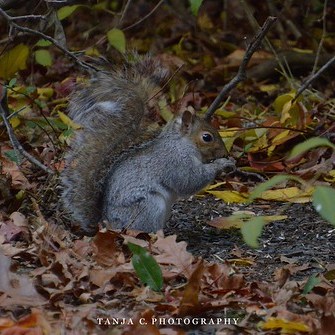
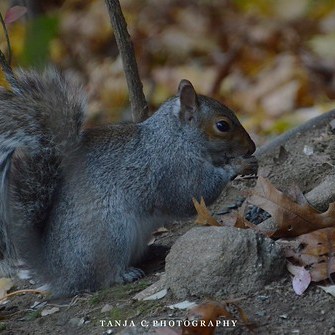
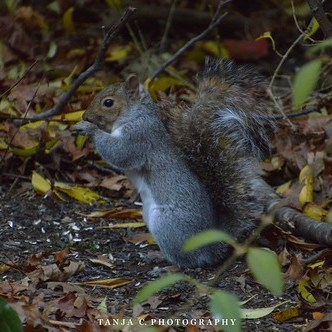
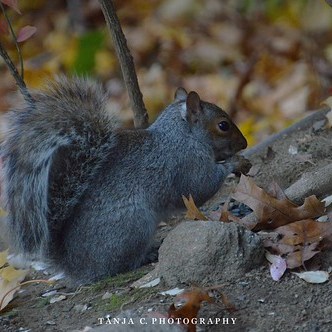
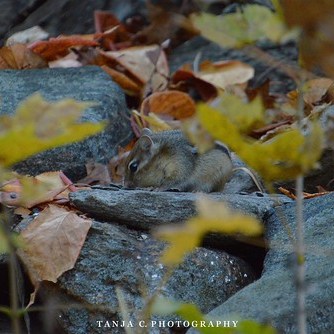
Since most of the acorns are on the ground, we have a lot more squirrels roaming in our yard and on our pin oaks. This afternoon, I counted at least four squirrels and a couple of chipmunks just in our frontyard. Happy gathering, munching, and burying, little critters!
🍃🍂🍁🍃🍂🍁🍃🍂🍁🍃🍂🍁🍃🍂🍁🍃🍂🍁🍃🍂🍁🍃🍂🍁🍃🍂🍁🍃🍂🍁🍃🍂🍁🍃🍂🍁
🍃🍂🍁🍃🍂🍁🍃🍂🍁🍃🍂🍁🍃🍂🍁🍃🍂🍁🍃🍂🍁🍃🍂🍁🍃🍂🍁🍃🍂🍁🍃🍂🍁🍃🍂🍁


🍃🍂🍁🍃🍂🍁🍃🍂🍁🍃🍂🍁🍃🍂🍁🍃🍂🍁🍃🍂🍁🍃🍂🍁🍃🍂🍁🍃🍂🍁🍃🍂🍁🍃🍂🍁
🍃🍂🍁🍃🍂🍁🍃🍂🍁🍃🍂🍁🍃🍂🍁🍃🍂🍁🍃🍂🍁🍃🍂🍁🍃🍂🍁🍃🍂🍁🍃🍂🍁🍃🍂🍁



🍃🍂🍁🍃🍂🍁🍃🍂🍁🍃🍂🍁🍃🍂🍁🍃🍂🍁🍃🍂🍁🍃🍂🍁🍃🍂🍁🍃🍂🍁🍃🍂🍁🍃🍂🍁
🍃🍂🍁🍃🍂🍁🍃🍂🍁🍃🍂🍁🍃🍂🍁🍃🍂🍁🍃🍂🍁🍃🍂🍁🍃🍂🍁🍃🍂🍁🍃🍂🍁🍃🍂🍁



🍃🍂🍁🍃🍂🍁🍃🍂🍁🍃🍂🍁🍃🍂🍁🍃🍂🍁🍃🍂🍁🍃🍂🍁🍃🍂🍁🍃🍂🍁🍃🍂🍁🍃🍂🍁
🍃🍂🍁🍃🍂🍁🍃🍂🍁🍃🍂🍁🍃🍂🍁🍃🍂🍁🍃🍂🍁🍃🍂🍁🍃🍂🍁🍃🍂🍁🍃🍂🍁🍃🍂🍁


🍃🍂🍁🍃🍂🍁🍃🍂🍁🍃🍂🍁🍃🍂🍁🍃🍂🍁🍃🍂🍁🍃🍂🍁🍃🍂🍁🍃🍂🍁🍃🍂🍁🍃🍂🍁
🍃🍂🍁🍃🍂🍁🍃🍂🍁🍃🍂🍁🍃🍂🍁🍃🍂🍁🍃🍂🍁🍃🍂🍁🍃🍂🍁🍃🍂🍁🍃🍂🍁🍃🍂🍁




🍃🍂🍁🍃🍂🍁🍃🍂🍁🍃🍂🍁🍃🍂🍁🍃🍂🍁🍃🍂🍁🍃🍂🍁🍃🍂🍁🍃🍂🍁🍃🍂🍁🍃🍂🍁
🍃🍂🍁🍃🍂🍁🍃🍂🍁🍃🍂🍁🍃🍂🍁🍃🍂🍁🍃🍂🍁🍃🍂🍁🍃🍂🍁🍃🍂🍁🍃🍂🍁🍃🍂🍁

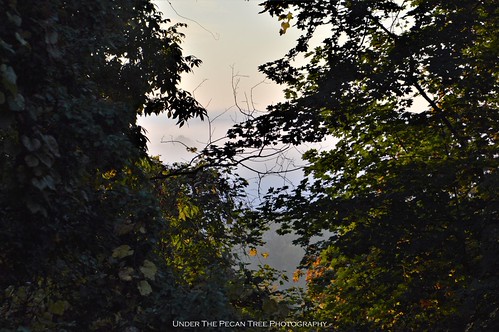

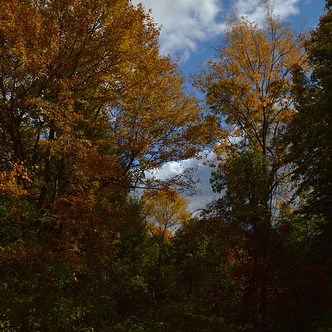
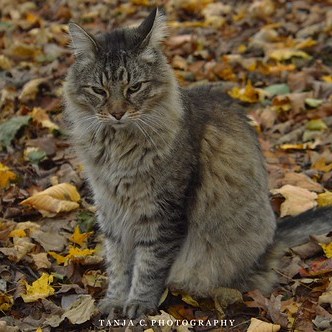
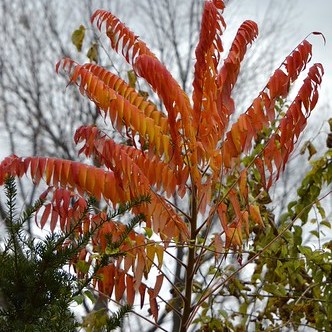
Before I drove Sara to school, I warmed up the car and captured some photos with my Nikon. The sun just rose above the horizon when I could see the fog past the trees in the valley. While we had no fog up on the hill in Watertown, Oakville was covered in a blanket. Sara’s school is about 300 ft lower in altitude than our home. The Autumn fog looked so pretty this morning.
🍃🍂🍁🍃🍂🍁🍃🍂🍁🍃🍂🍁🍃🍂🍁🍃🍂🍁🍃🍂🍁🍃🍂🍁🍃🍂🍁🍃🍂🍁🍃🍂🍁🍃🍂🍁
~ 10/12/2021 ~
🍃🍂🍁🍃🍂🍁🍃🍂🍁🍃🍂🍁🍃🍂🍁🍃🍂🍁🍃🍂🍁🍃🍂🍁🍃🍂🍁🍃🍂🍁🍃🍂🍁🍃🍂🍁


: https://www.plymouthct.gov/interesting-places-in-plymouth
🍃🍂🍁🍃🍂🍁🍃🍂🍁🍃🍂🍁🍃🍂🍁🍃🍂🍁🍃🍂🍁🍃🍂🍁🍃🍂🍁🍃🍂🍁🍃🍂🍁🍃🍂🍁
🍃🍂🍁🍃🍂🍁🍃🍂🍁🍃🍂🍁🍃🍂🍁🍃🍂🍁🍃🍂🍁🍃🍂🍁🍃🍂🍁🍃🍂🍁🍃🍂🍁🍃🍂🍁

🍃🍂🍁🍃🍂🍁🍃🍂🍁🍃🍂🍁🍃🍂🍁🍃🍂🍁🍃🍂🍁🍃🍂🍁🍃🍂🍁🍃🍂🍁🍃🍂🍁🍃🍂🍁
🍃🍂🍁🍃🍂🍁🍃🍂🍁🍃🍂🍁🍃🍂🍁🍃🍂🍁🍃🍂🍁🍃🍂🍁🍃🍂🍁🍃🍂🍁🍃🍂🍁🍃🍂🍁

: https://en.wikipedia.org/wiki/Norfolk_Historic_District
🍃🍂🍁🍃🍂🍁🍃🍂🍁🍃🍂🍁🍃🍂🍁🍃🍂🍁🍃🍂🍁🍃🍂🍁🍃🍂🍁🍃🍂🍁🍃🍂🍁🍃🍂🍁
🍃🍂🍁🍃🍂🍁🍃🍂🍁🍃🍂🍁🍃🍂🍁🍃🍂🍁🍃🍂🍁🍃🍂🍁🍃🍂🍁🍃🍂🍁🍃🍂🍁🍃🍂🍁



🍃🍂🍁🍃🍂🍁🍃🍂🍁🍃🍂🍁🍃🍂🍁🍃🍂🍁🍃🍂🍁🍃🍂🍁🍃🍂🍁🍃🍂🍁🍃🍂🍁🍃🍂🍁
🍃🍂🍁🍃🍂🍁🍃🍂🍁🍃🍂🍁🍃🍂🍁🍃🍂🍁🍃🍂🍁🍃🍂🍁🍃🍂🍁🍃🍂🍁🍃🍂🍁🍃🍂🍁

🍃🍂🍁🍃🍂🍁🍃🍂🍁🍃🍂🍁🍃🍂🍁🍃🍂🍁🍃🍂🍁🍃🍂🍁🍃🍂🍁🍃🍂🍁🍃🍂🍁🍃🍂🍁
🍃🍂🍁🍃🍂🍁🍃🍂🍁🍃🍂🍁🍃🍂🍁🍃🍂🍁🍃🍂🍁🍃🍂🍁🍃🍂🍁🍃🍂🍁🍃🍂🍁🍃🍂🍁

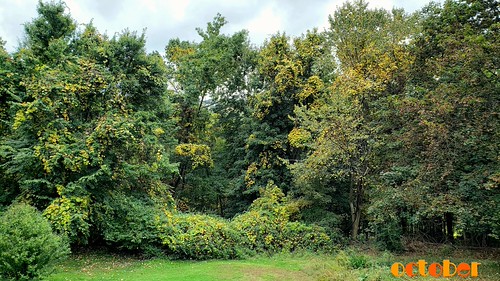
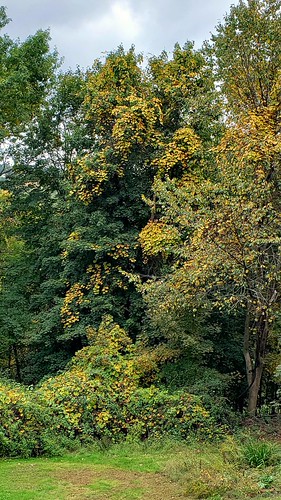
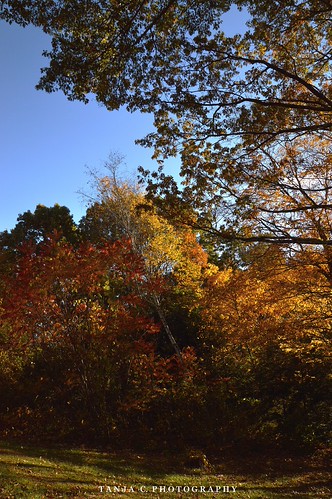
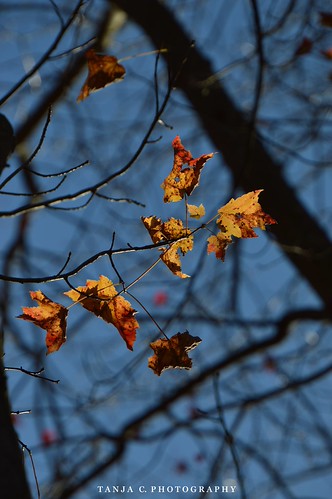
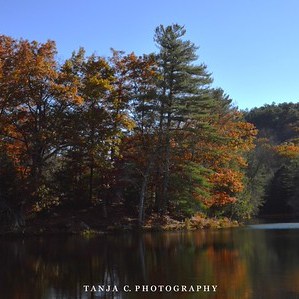
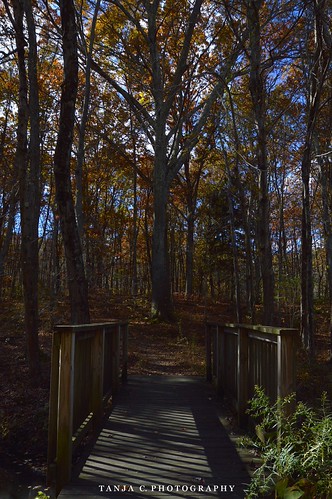
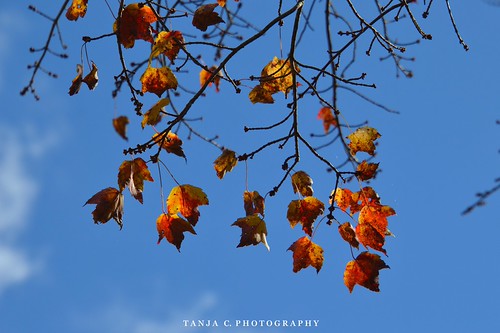
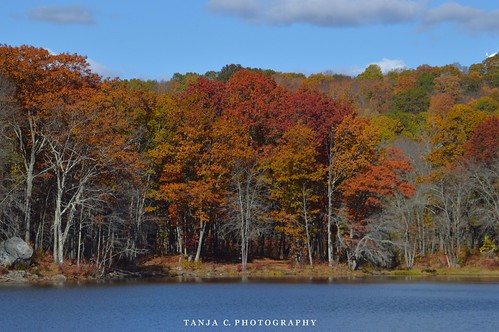
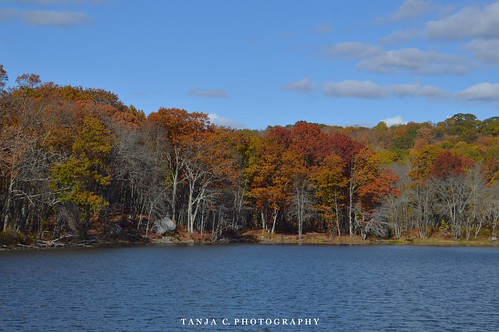
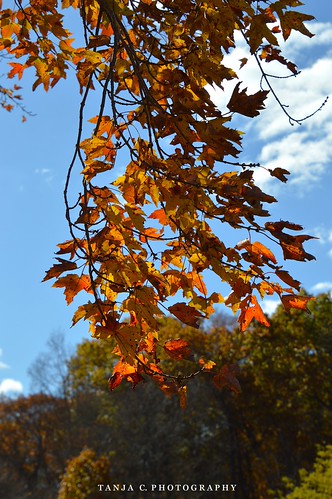
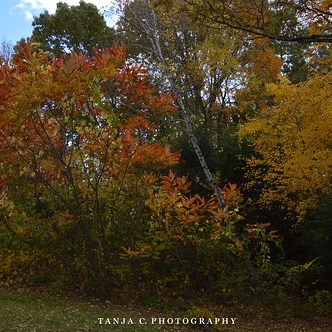
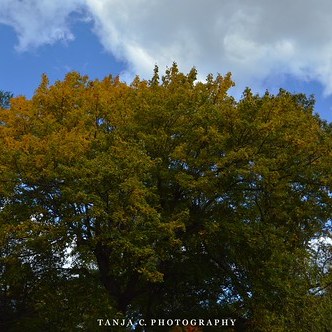
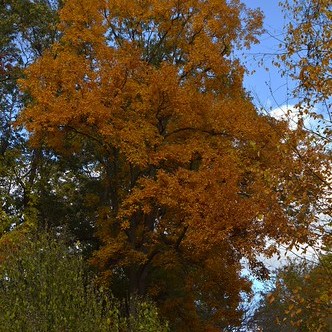
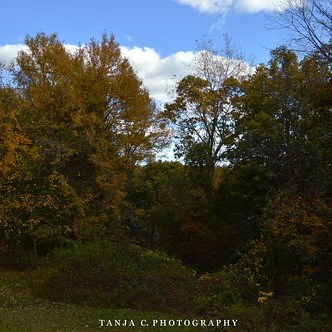
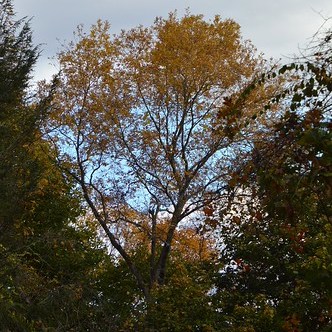
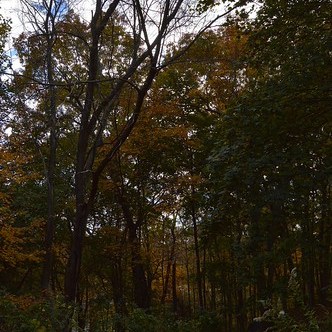
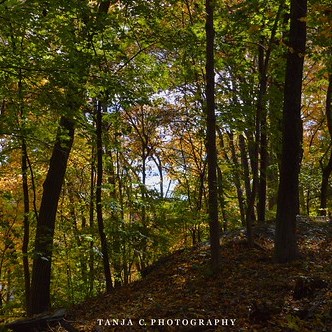
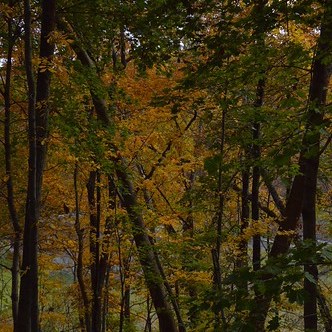
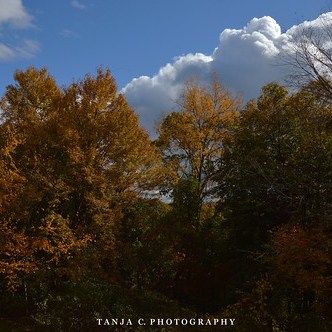
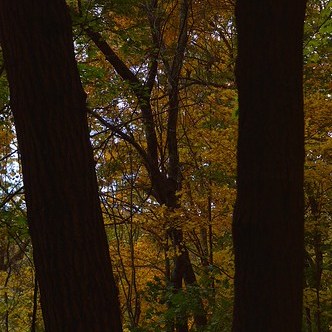
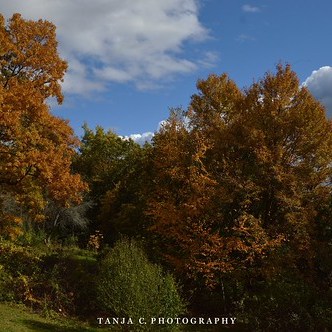
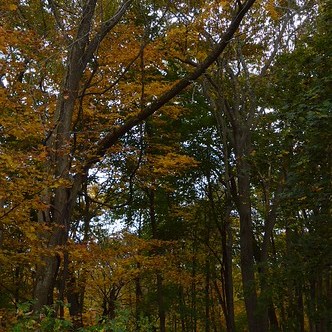
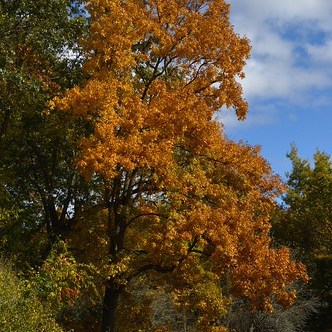
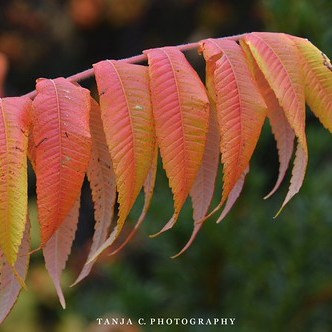
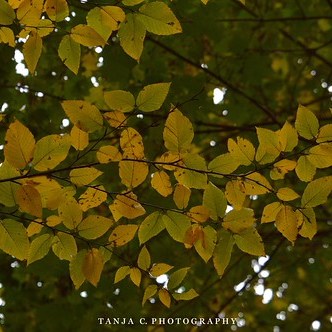
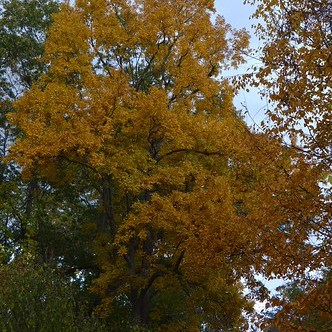
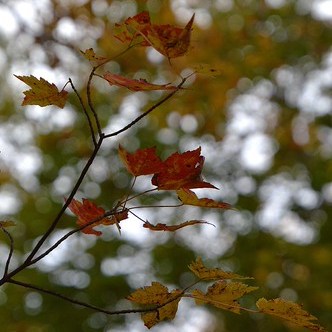
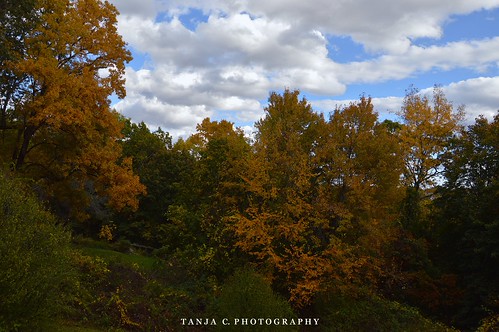
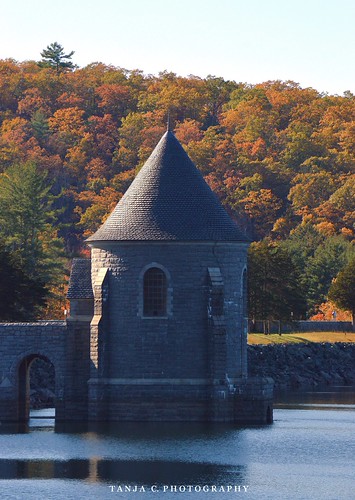
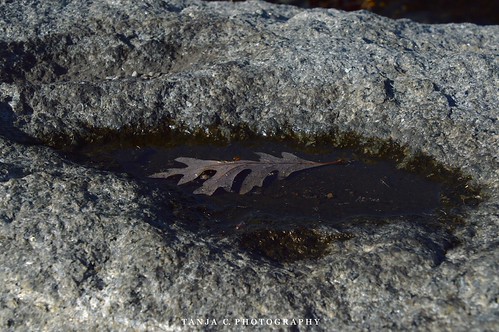
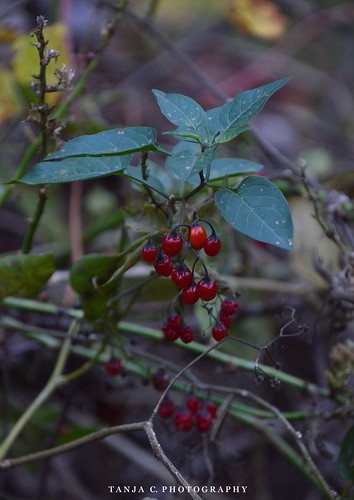
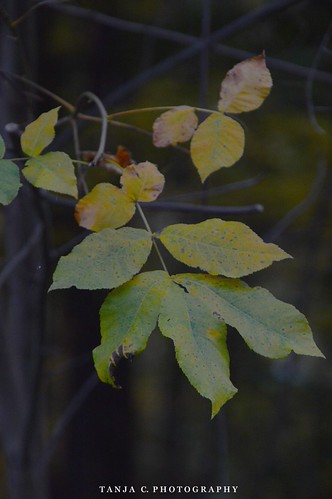
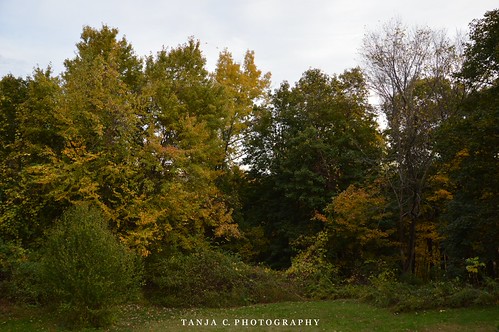
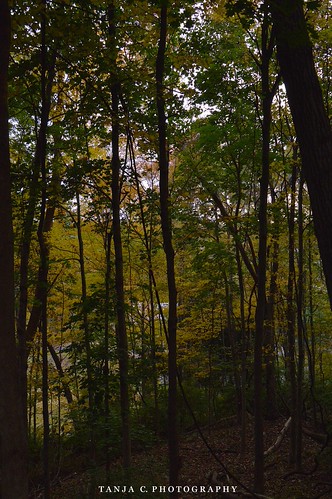
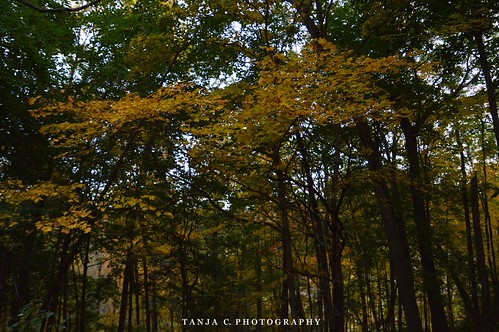
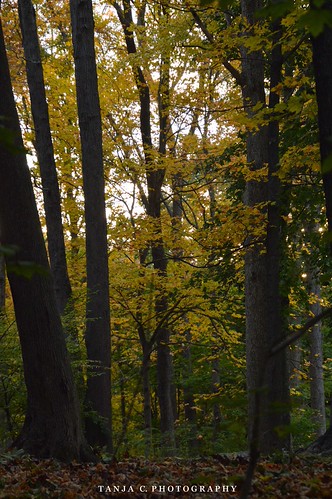
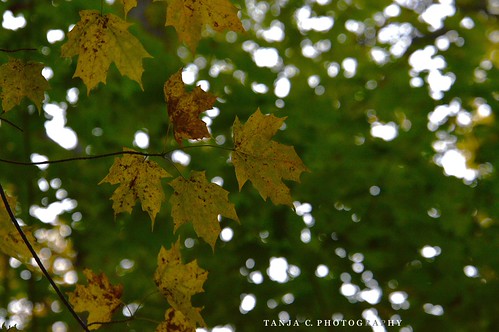
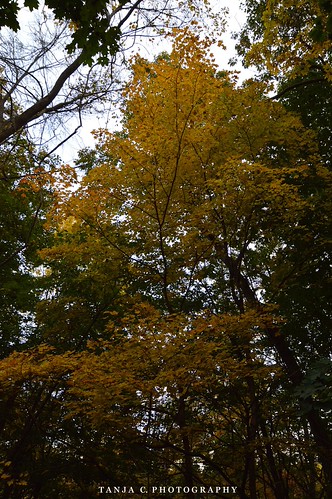
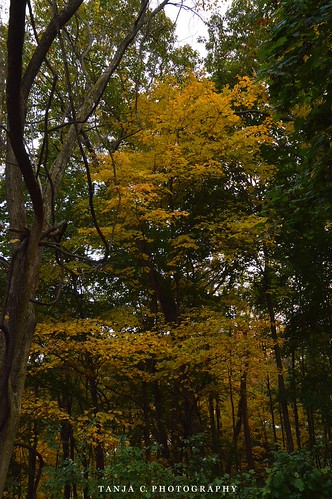
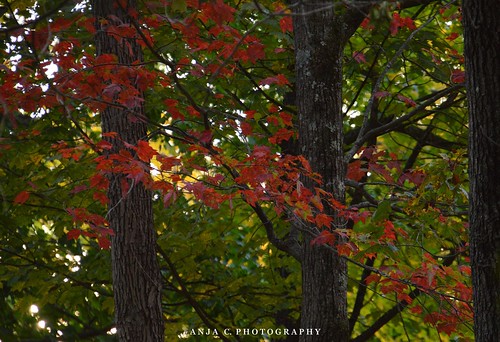
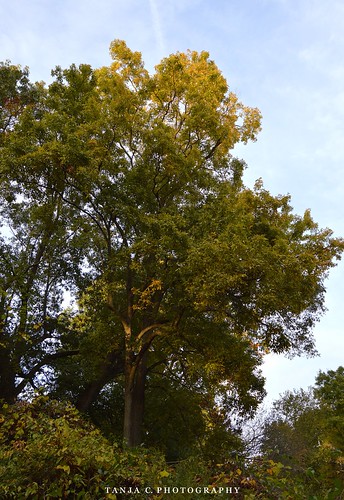
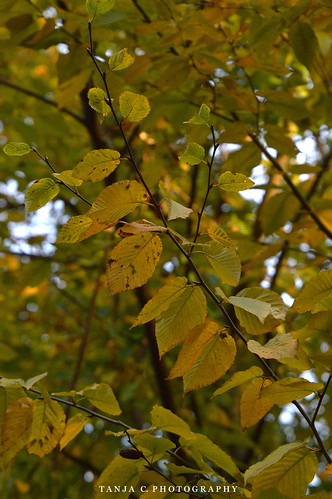
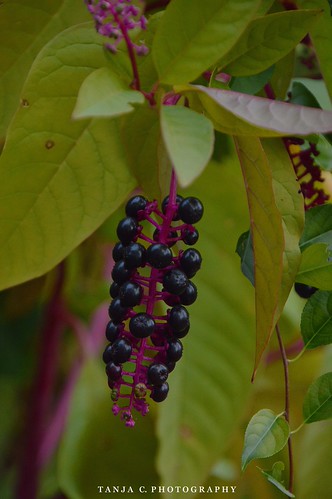
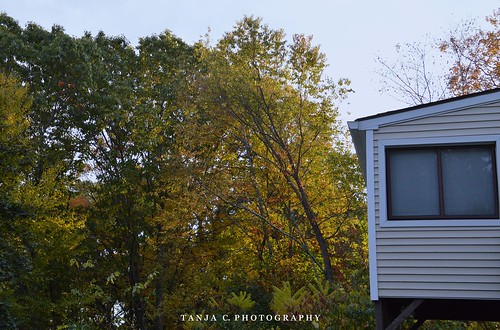
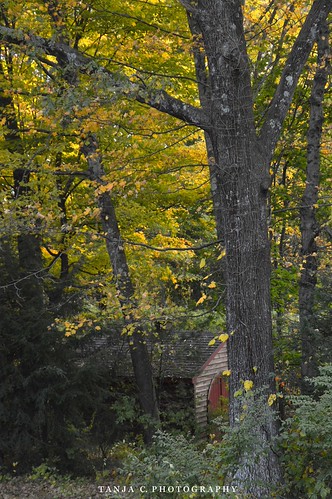
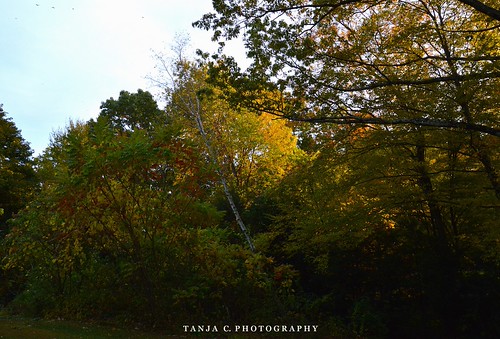
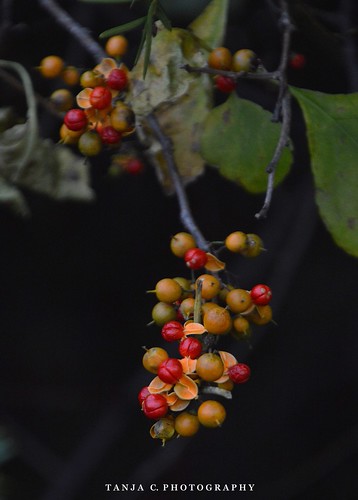
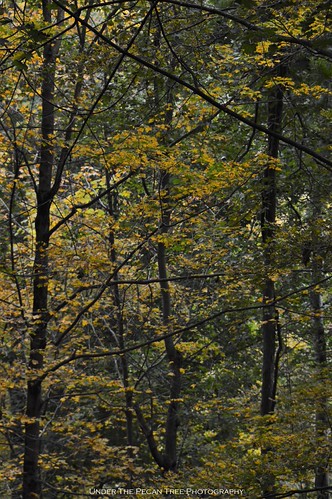
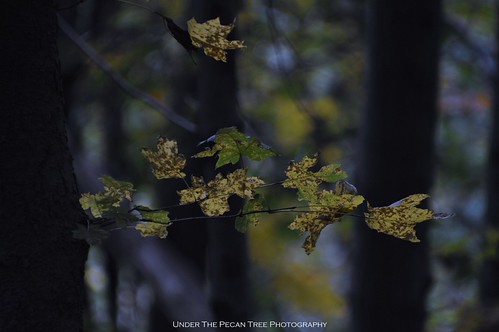
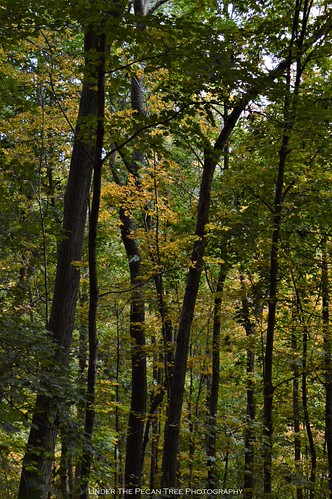
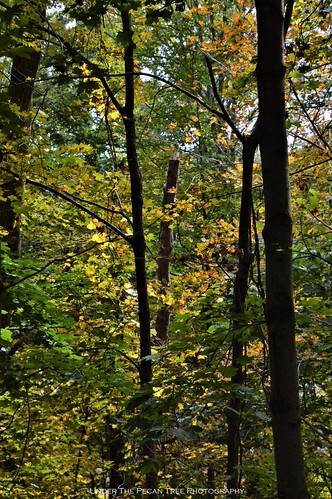
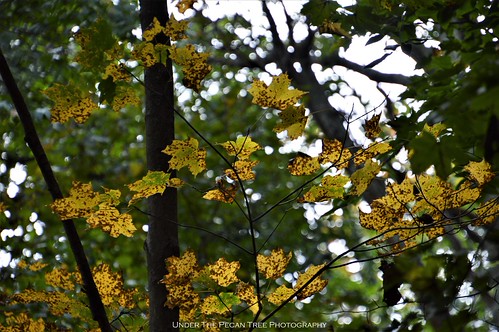
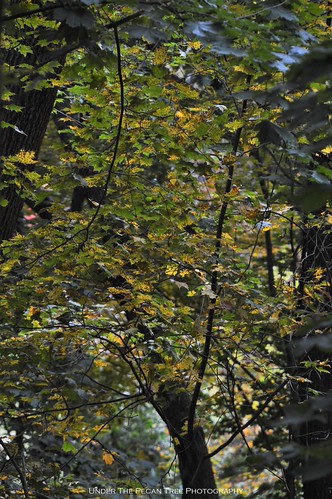
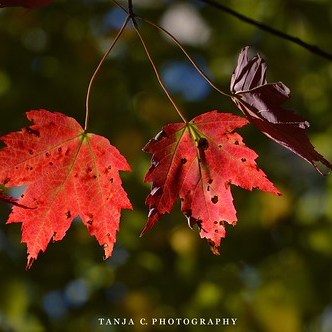
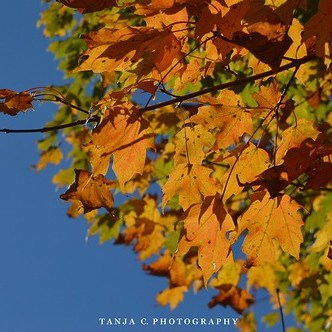
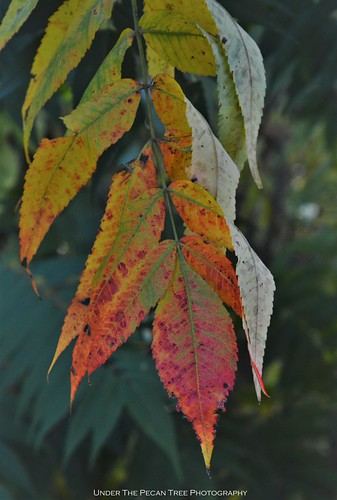
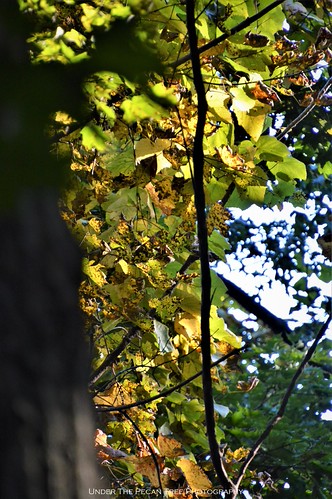
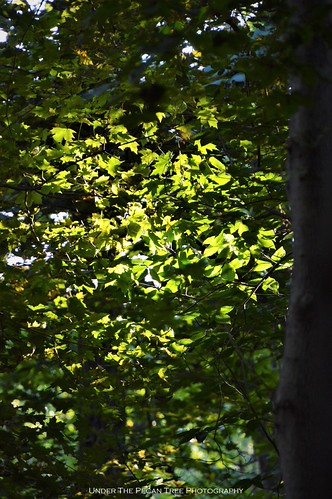
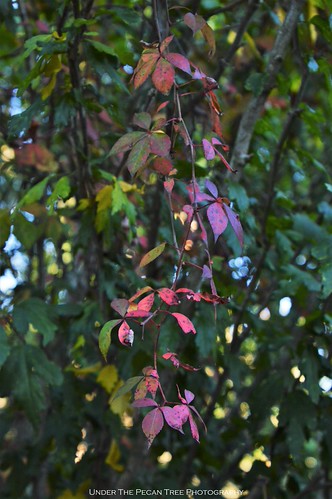
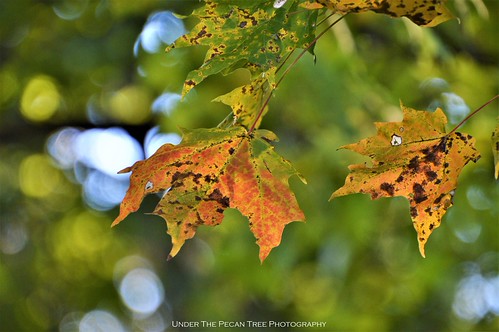
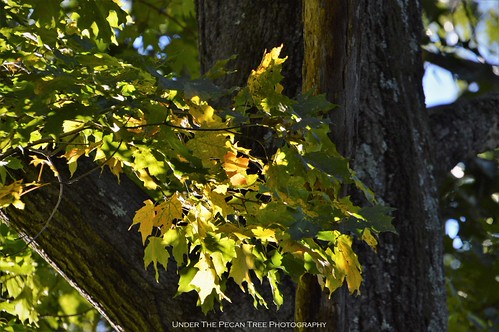
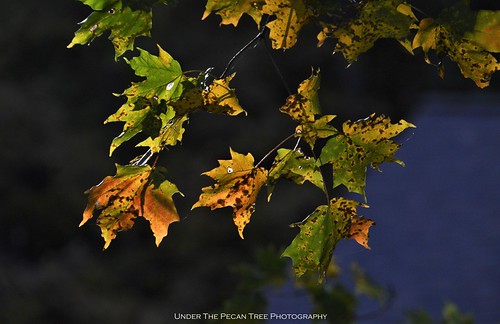
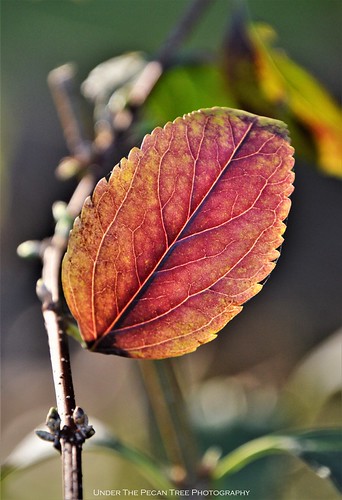
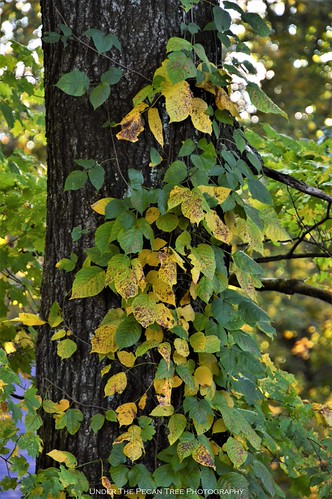
There are still many emerald-colored trees in the forest. However, the golden colors become vibrant as October continues. I just hope we will get some crimson mixed in as well. Nothing in sight, yet. But I don’t give up hope. It’s still too early to say how the leaves will be at their peak in another week or so.


🍃🍂🍁🍃🍂🍁🍃🍂🍁🍃🍂🍁🍃🍂🍁🍃🍂🍁🍃🍂🍁🍃🍂🍁🍃🍂🍁🍃🍂🍁🍃🍂🍁🍃🍂🍁
– 10/11/2021 –
🍃🍂🍁🍃🍂🍁🍃🍂🍁🍃🍂🍁🍃🍂🍁🍃🍂🍁🍃🍂🍁🍃🍂🍁🍃🍂🍁🍃🍂🍁🍃🍂🍁🍃🍂🍁


🍃🍂🍁🍃🍂🍁🍃🍂🍁🍃🍂🍁🍃🍂🍁🍃🍂🍁🍃🍂🍁🍃🍂🍁🍃🍂🍁🍃🍂🍁🍃🍂🍁🍃🍂🍁
🍃🍂🍁🍃🍂🍁🍃🍂🍁🍃🍂🍁🍃🍂🍁🍃🍂🍁🍃🍂🍁🍃🍂🍁🍃🍂🍁🍃🍂🍁🍃🍂🍁🍃🍂🍁
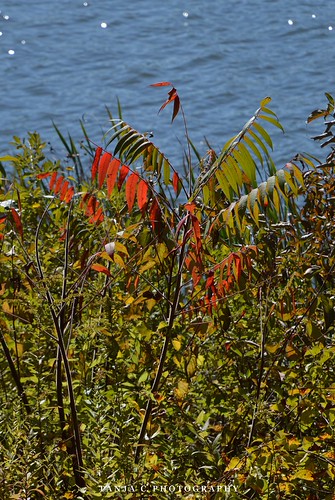
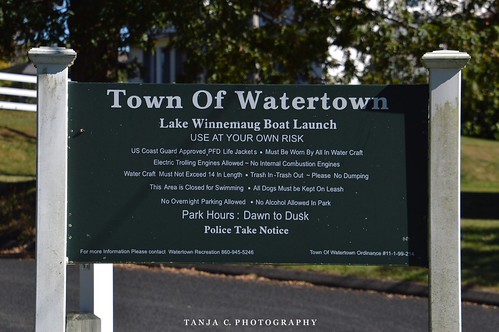
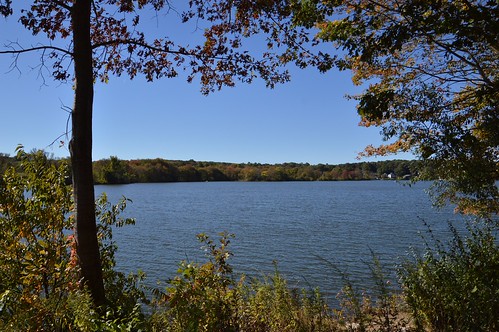
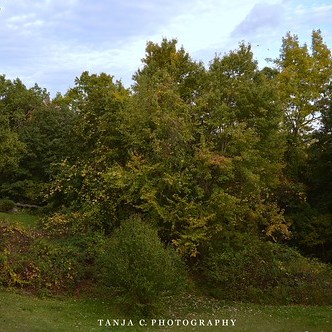
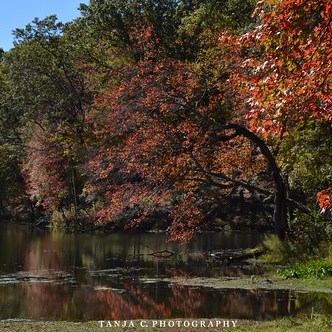
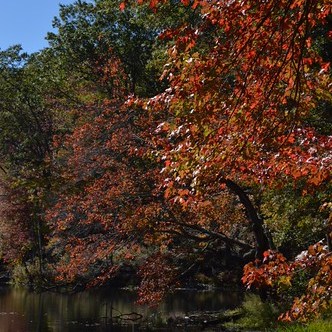
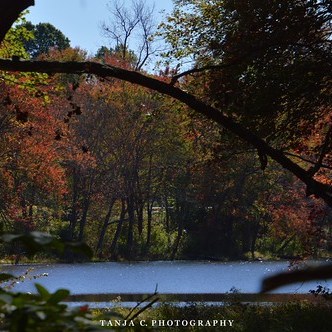
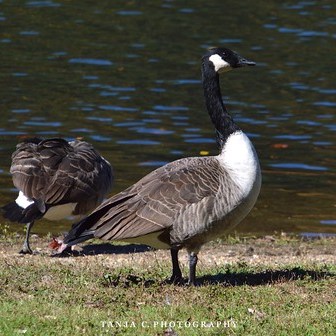
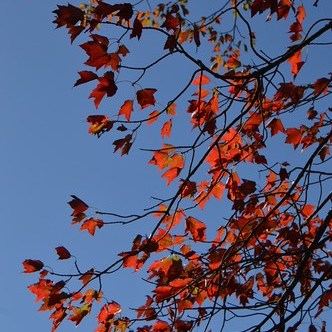
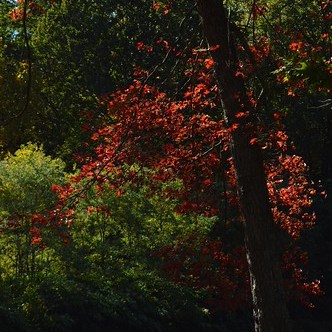
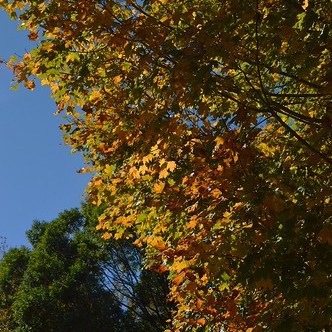
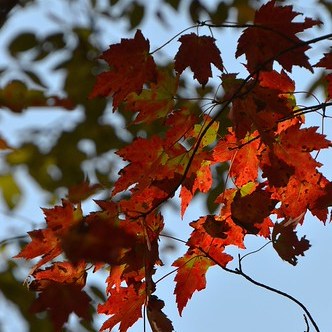
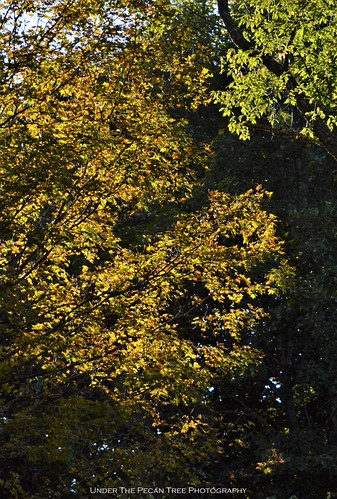
I live in Watertown for the last four and a half years. However, today was the first time I went to Lake Winnimaug which is only three miles away from our house.
🍃🍂🍁🍃🍂🍁🍃🍂🍁🍃🍂🍁🍃🍂🍁🍃🍂🍁🍃🍂🍁🍃🍂🍁🍃🍂🍁🍃🍂🍁🍃🍂🍁🍃🍂🍁
🍃🍂🍁🍃🍂🍁🍃🍂🍁🍃🍂🍁🍃🍂🍁🍃🍂🍁🍃🍂🍁🍃🍂🍁🍃🍂🍁🍃🍂🍁🍃🍂🍁🍃🍂🍁








🍃🍂🍁🍃🍂🍁🍃🍂🍁🍃🍂🍁🍃🍂🍁🍃🍂🍁🍃🍂🍁🍃🍂🍁🍃🍂🍁🍃🍂🍁🍃🍂🍁🍃🍂🍁
🍃🍂🍁🍃🍂🍁🍃🍂🍁🍃🍂🍁🍃🍂🍁🍃🍂🍁🍃🍂🍁🍃🍂🍁🍃🍂🍁🍃🍂🍁🍃🍂🍁🍃🍂🍁
🍃🍂🍁🍃🍂🍁🍃🍂🍁🍃🍂🍁🍃🍂🍁🍃🍂🍁🍃🍂🍁🍃🍂🍁🍃🍂🍁🍃🍂🍁🍃🍂🍁🍃🍂🍁
🍃🍂🍁🍃🍂🍁🍃🍂🍁🍃🍂🍁🍃🍂🍁🍃🍂🍁🍃🍂🍁🍃🍂🍁🍃🍂🍁🍃🍂🍁🍃🍂🍁🍃🍂🍁
🍃🍂🍁🍃🍂🍁🍃🍂🍁🍃🍂🍁🍃🍂🍁🍃🍂🍁🍃🍂🍁🍃🍂🍁🍃🍂🍁🍃🍂🍁🍃🍂🍁🍃🍂🍁
– 10/07/2021 –
🍃🍂🍁🍃🍂🍁🍃🍂🍁🍃🍂🍁🍃🍂🍁🍃🍂🍁🍃🍂🍁🍃🍂🍁🍃🍂🍁🍃🍂🍁🍃🍂🍁🍃🍂🍁
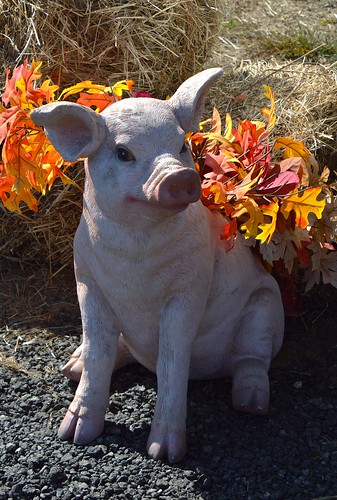


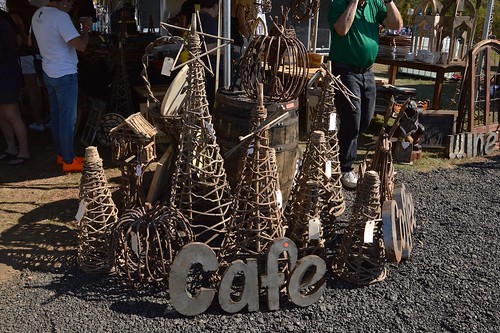
After the Fall Festival in Watertown, we made our way to the Harwinton Fall Fair. Sara was thirsty and had a lemonade. A little further down the walkway, we had some bratwurst, and Sara had a chicken sandwich. We walked around for a little bit. Honestly, when you have seen one fair, you have seen them all. Since Sara was tired from her morning XC practice, we left early.
🍃🍂🍁🍃🍂🍁🍃🍂🍁🍃🍂🍁🍃🍂🍁🍃🍂🍁🍃🍂🍁🍃🍂🍁🍃🍂🍁🍃🍂🍁🍃🍂🍁🍃🍂🍁
🍃🍂🍁🍃🍂🍁🍃🍂🍁🍃🍂🍁🍃🍂🍁🍃🍂🍁🍃🍂🍁🍃🍂🍁🍃🍂🍁🍃🍂🍁🍃🍂🍁🍃🍂🍁
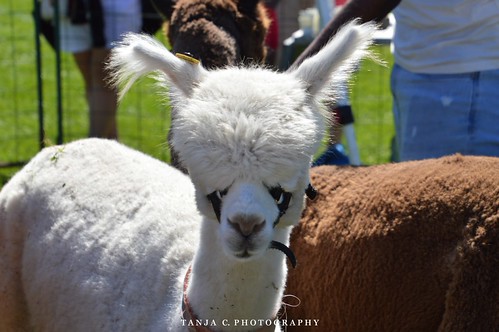



Kevin and I walked through the vendors’ aisles, while Sara hung out with a friend at the Fall Festival in Veterans Memorial Park. The festival had vendors with homemade items, food trucks, and an alpaca petting zoo. At 3 pm, The Rakes were supposed to be on stage. Since we planned to drive to another local fall festival, we missed the band again.
🍃🍂🍁🍃🍂🍁🍃🍂🍁🍃🍂🍁🍃🍂🍁🍃🍂🍁🍃🍂🍁🍃🍂🍁🍃🍂🍁🍃🍂🍁🍃🍂🍁🍃🍂🍁
🍃🍂🍁🍃🍂🍁🍃🍂🍁🍃🍂🍁🍃🍂🍁🍃🍂🍁🍃🍂🍁🍃🍂🍁🍃🍂🍁🍃🍂🍁🍃🍂🍁🍃🍂🍁
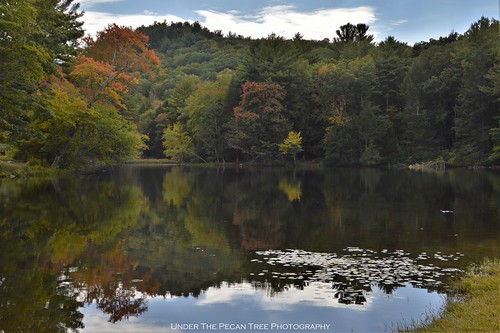
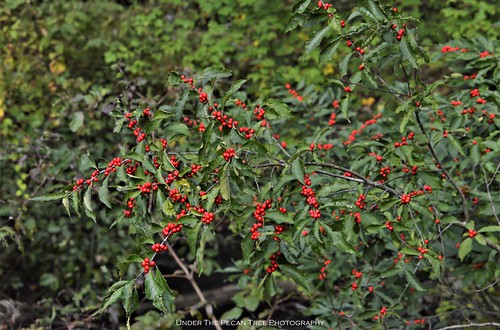
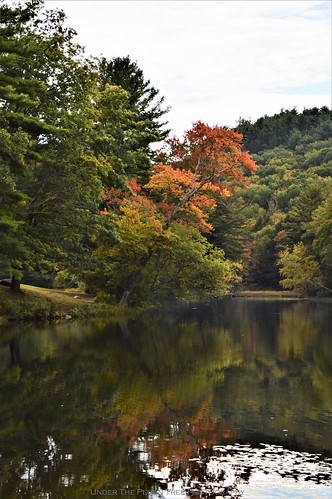
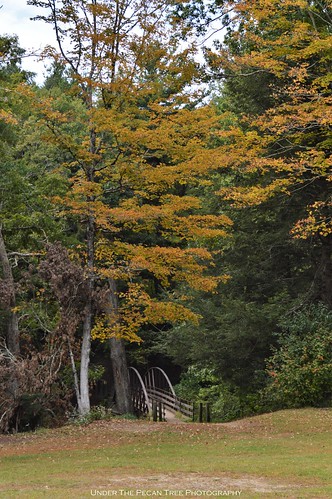
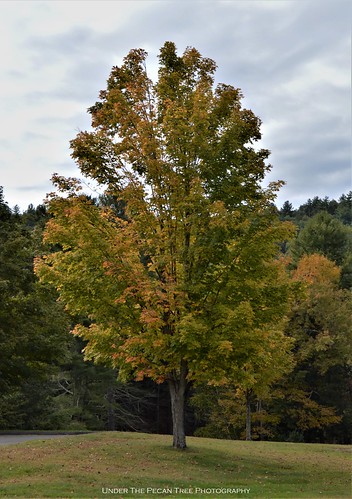

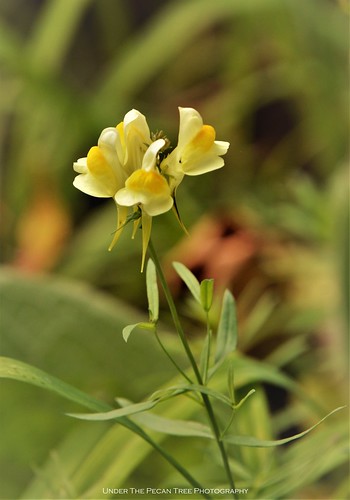
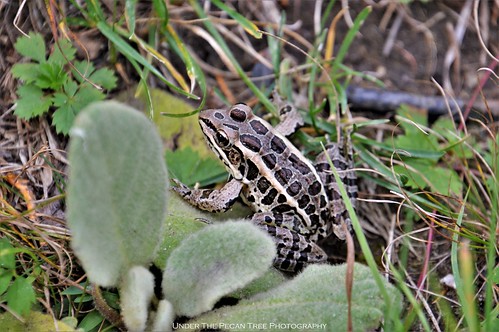
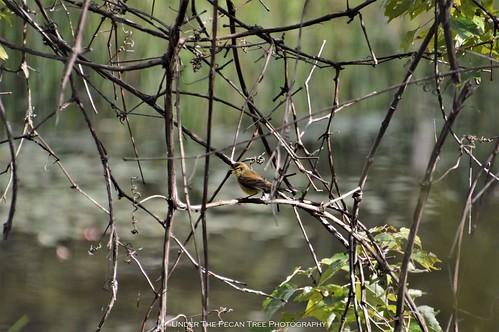
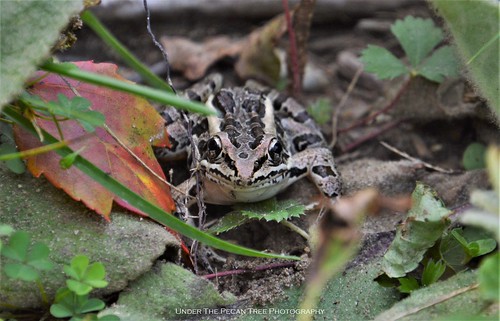
Kevin and I hiked in the park for a little bit. Unfortunately, I had the wrong shoes on. We didn’t make it far on the trail before we turned around. But we enjoyed the slow change of leaves. When we walked past a fish pond, Kevin saw a chipmunk and wanted to see where it hid after he went up a small hill. He found an entrance to a den. When he walked down, something jumped against his leg. Kevin looked closer and saw it was a frog. The little Pickerel Frog was patient enough for me to take some photos before it leaped across the trail to get back to the pond. Beautiful critters, we see when we go outdoors.
🍃🍂🍁🍃🍂🍁🍃🍂🍁🍃🍂🍁🍃🍂🍁🍃🍂🍁🍃🍂🍁🍃🍂🍁🍃🍂🍁🍃🍂🍁🍃🍂🍁🍃🍂🍁
~ 10/03/2021 ~
🍃🍂🍁🍃🍂🍁🍃🍂🍁🍃🍂🍁🍃🍂🍁🍃🍂🍁🍃🍂🍁🍃🍂🍁🍃🍂🍁🍃🍂🍁🍃🍂🍁🍃🍂🍁
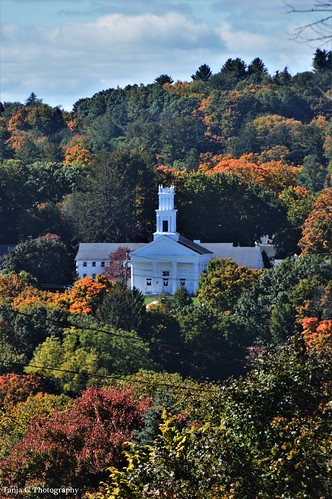

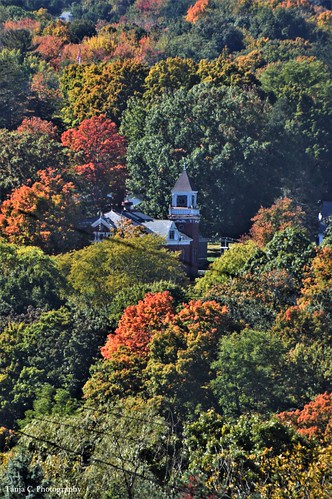
Colonization of the area today called Watertown began around 1657. At that time, the colony was called “Mattatock”, though it had several variations in spelling through the years. The land where Watertown is now located, having originally belonged to Mattatock, officially changed its name to Watterbury (now Waterbury) by record on March 20, 1695, by consensus of a council. The original Colony of Mattatuck, which became Watterbury, then Waterbury in name, comprised a much greater land area than Waterbury does today. Thomas Judd and other families were among the first investors to buy the land as a group. The Town of Watertown was officially incorporated in 1780.
Resource:https://en.wikipedia.org/wiki/Watertown,_Connecticut
🍃🍂🍁🍃🍂🍁🍃🍂🍁🍃🍂🍁🍃🍂🍁🍃🍂🍁🍃🍂🍁🍃🍂🍁🍃🍂🍁🍃🍂🍁🍃🍂🍁🍃🍂🍁
🌳🍃🌲🍁🌳🍃🌲🍁🌳🍃🌲🍁🌳🍃🌲🍁🌳🍃🌲🍁🌳🍃🌲🍁🌳🍃🌲🍁🌳🍃🌲🍁🌳🍃🌲🍁

🌳🍃🌲🍁🌳🍃🌲🍁🌳🍃🌲🍁🌳🍃🌲🍁🌳🍃🌲🍁🌳🍃🌲🍁🌳🍃🌲🍁🌳🍃🌲🍁🌳🍃🌲🍁

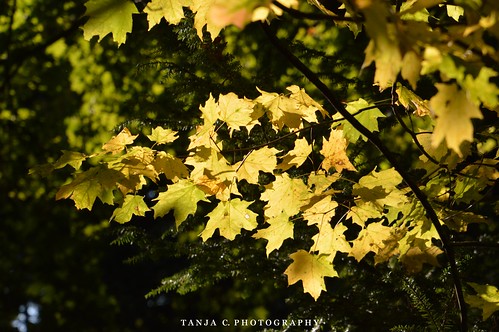
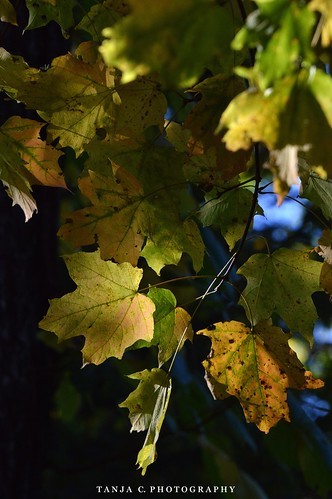
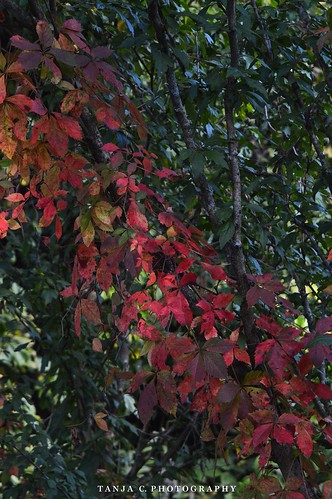
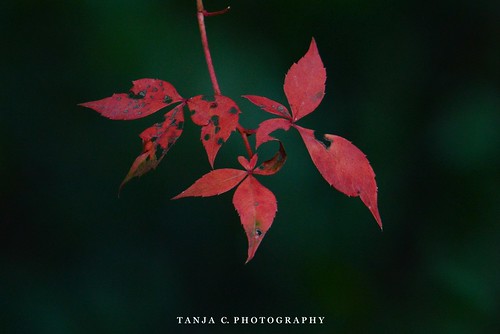
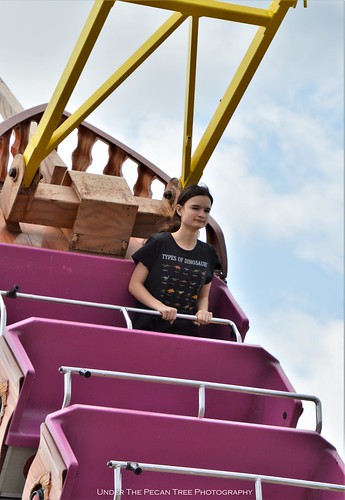
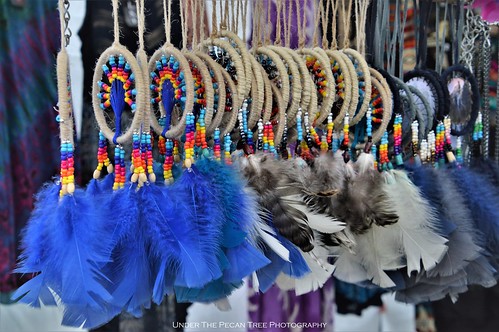
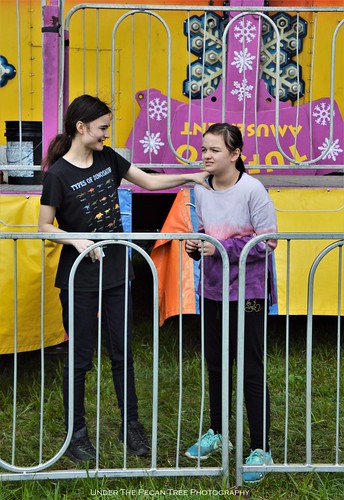
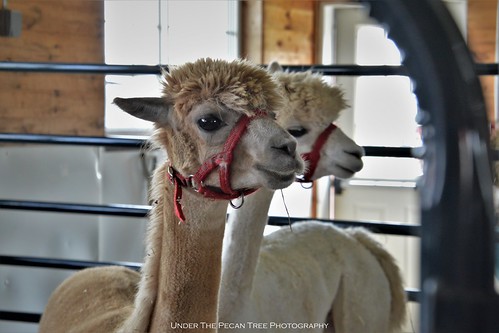
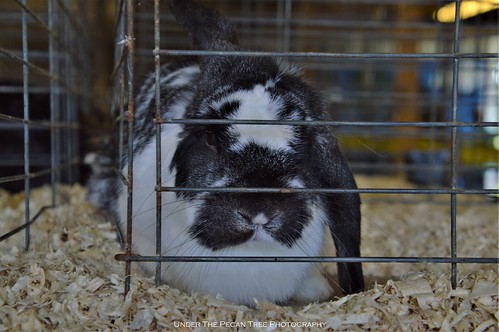
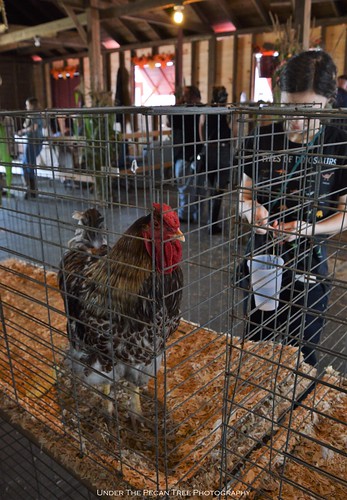
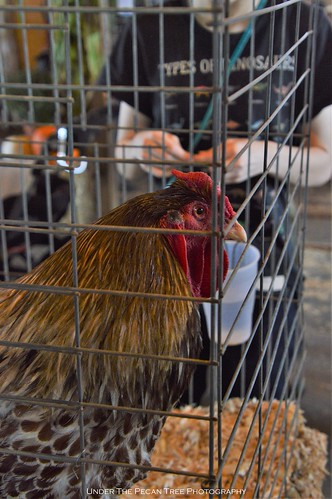
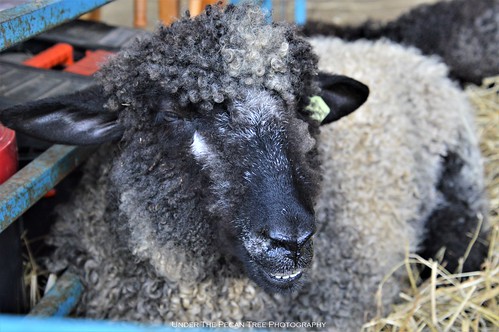
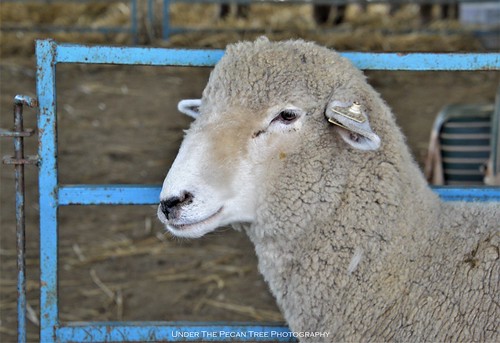
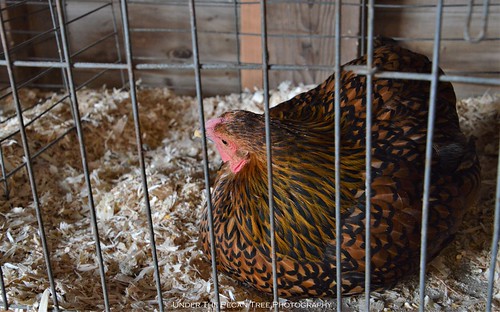
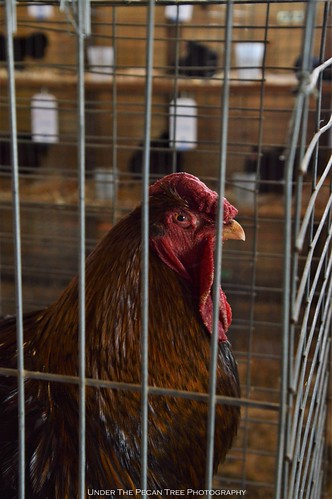
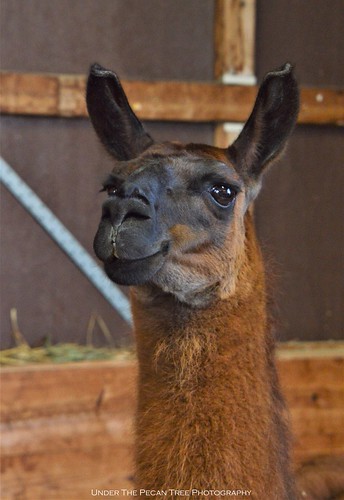
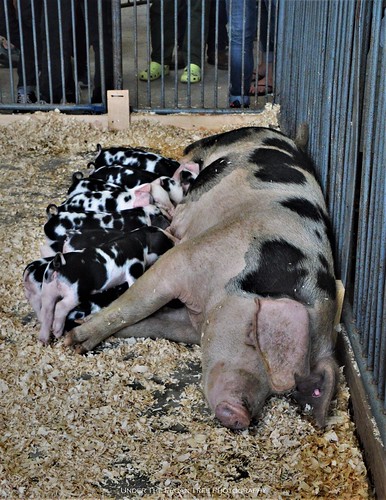
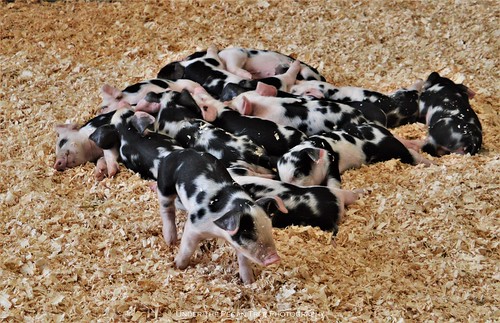
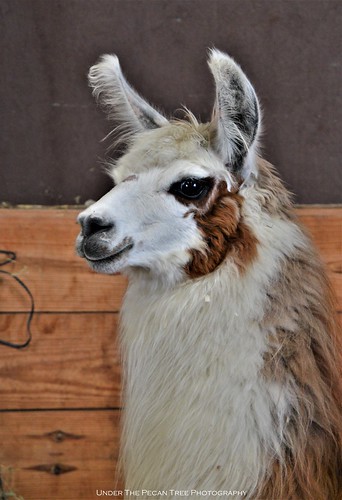
Kevin, Katelynn, Sara, and I visited the Goshen Fair yesterday morning. The Goshen Fair happens annually on Labor Day weekend. With Fair rides, prize-winning livestock, vendors, and food trucks, there is much to see and taste. The girls were excited to go on all these rides. Due to COVID-19, it seemed like an Eon for them to enjoy a day at a fair. We ate some fair food. It was nice to get something, not necessarily fried, like at the State Fair of Texas. Kevin got some popcorn and munched on that while we walked around. The livestock was so adorable. One of the roosters’ cock-a-doodle-dood every time someone entered the barn. I guess it was his way of greeting everyone. The piglets were so cute. And the Llamas reminded me of Disney’s “The Emperor’s New Groove”. There were also cows, alpacas, bunnies, sheep, and many more animals.
We also wanted to support some local businesses. I’ve got some honey and found out that the lady who owns the beehive is from Watertown as well. How much more local can it be, getting fresh honey from a backyard beekeeper only two miles down the road?! Katelynn got herself a nice alpaca poncho. Sara couldn’t get enough of those fidget poppers. And before we left, I bought a felt pumpkin guy. I’m such a sucker for Harvest, Autumn, and Halloween decorations. All of us enjoyed the few hours at the Goshen Fair. With the beautiful weather and perfect temperatures, the fairground got crowded quickly. It was time to leave.









◊◊◊◊◊
◊◊◊◊◊
~ 09/05/2021 ~
🍃🍂🍁🍃🍂🍁🍃🍂🍁🍃🍂🍁🍃🍂🍁🍃🍂🍁🍃🍂🍁🍃🍂🍁🍃🍂🍁🍃🍂🍁🍃🍂🍁🍃🍂🍁

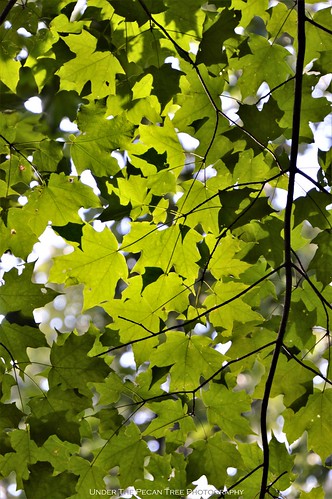
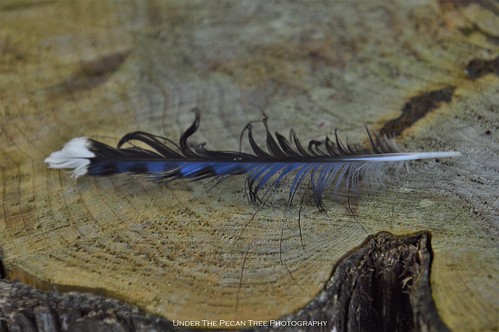
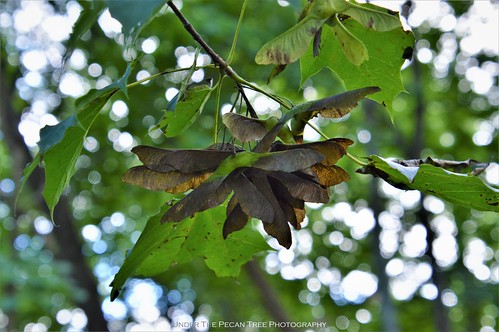
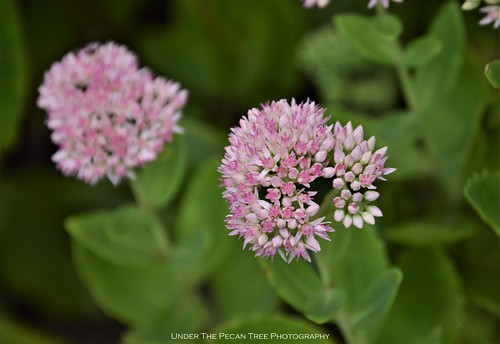


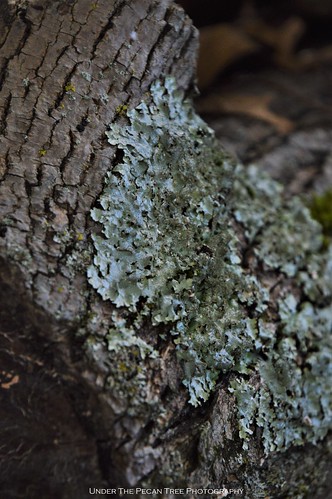
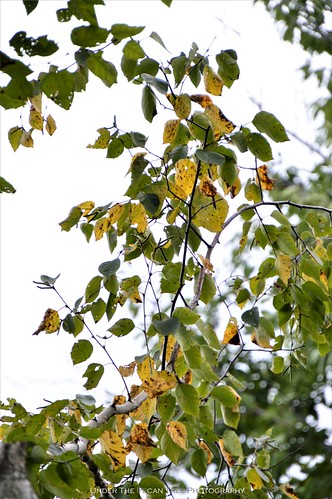
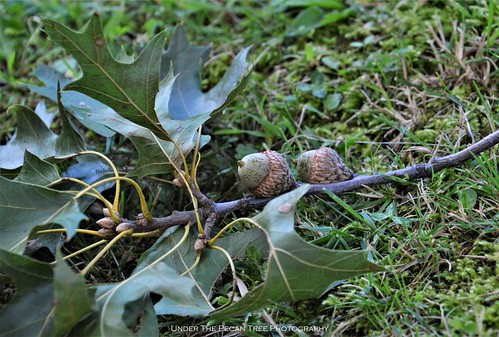
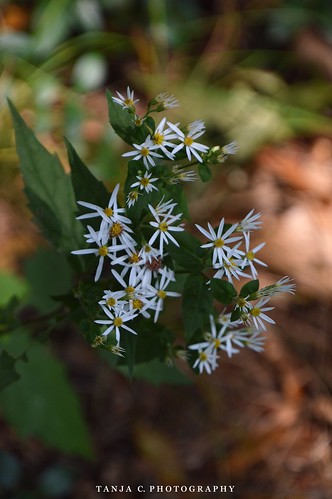
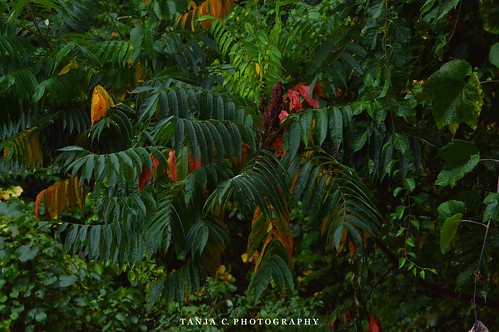
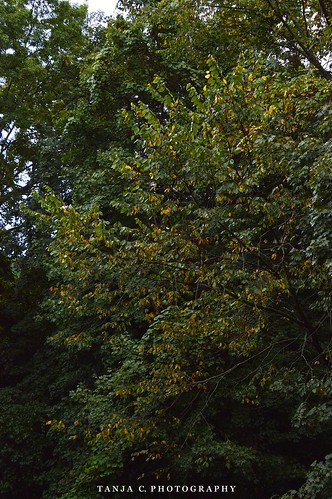
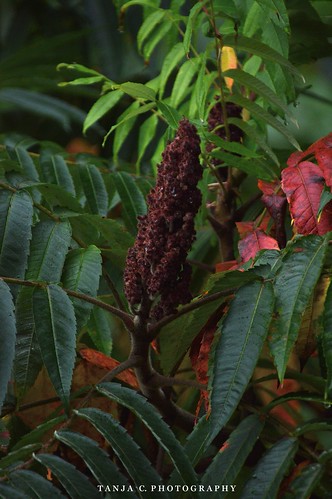
This evening I walked around in the yard, looking for photo material. And I was not disappointed. From Acorns to Sedum, I found quite interesting September material. Autumn makes its entrance very slowly. Today I saw that our birch tree began changing its dress from Summer green into Autumn gold. The acorns and samaras begin to drop to the ground more frequently. The hostas display their last blooms. And the sedum has a beautiful pink to show off in our wildscape garden. Since Ida’s visit, we have cooled down considerably. Autumn shouldn’t be too far away anymore.
🍃🍂🍁🍃🍂🍁🍃🍂🍁🍃🍂🍁🍃🍂🍁🍃🍂🍁🍃🍂🍁🍃🍂🍁🍃🍂🍁🍃🍂🍁🍃🍂🍁🍃🍂🍁
~ 09/03/2021 ~
🌳🍃🌲🍁🌳🍃🌲🍁🌳🍃🌲🍁🌳🍃🌲🍁🌳🍃🌲🍁🌳🍃🌲🍁🌳🍃🌲🍁🌳🍃🌲🍁🌳🍃🌲🍁


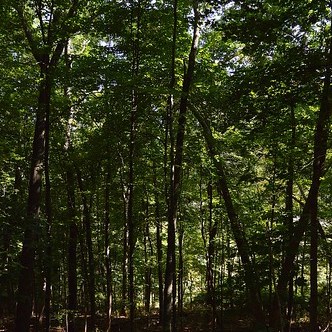
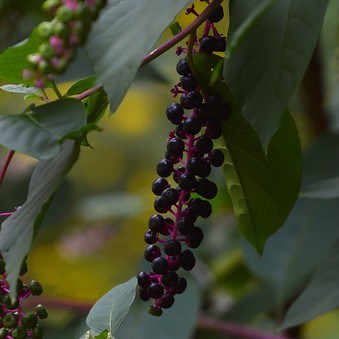
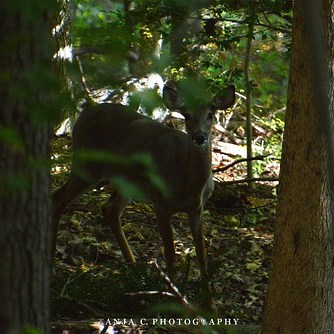
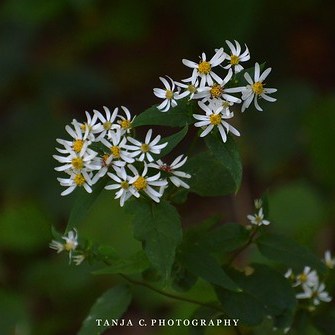
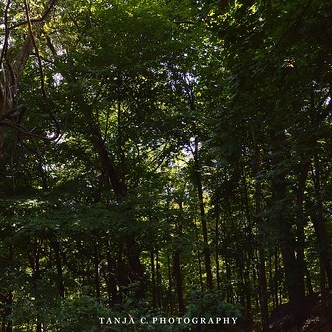
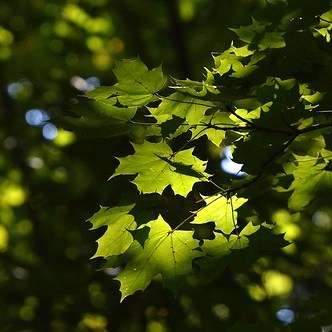

Since it was warm, I made my way to the trail between our yard and the forest on our property. The trees keep the area much cooler. On my way down, I didn’t see the white-tailed doe in the forest. She got startled and snorted, which startled me, and I almost screamed. But I kept my bearings and realized that I sneaked up on her. We looked at each other. And once she felt safe, she kept eating before she disappeared into the thickest part of the forest. That was interesting. This could have turned out completely differently. Thank goodness, she was far enough away and decided not to approach me. *phew*
🌳🍃🌲🍁🌳🍃🌲🍁🌳🍃🌲🍁🌳🍃🌲🍁🌳🍃🌲🍁🌳🍃🌲🍁🌳🍃🌲🍁🌳🍃🌲🍁🌳🍃🌲🍁
🌾🍅🍂🌾🍅🍂🌾🍅🍂🌾🍅🍂🌾🍅🍂🌾🍅🍂🌾🍅🍂🌾🍅🍂🌾🍅🍂🌾🍅🍂🌾🍅🍂🌾🍅🍂
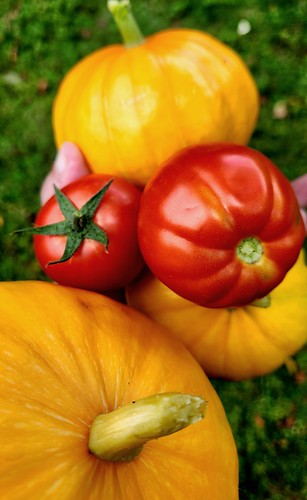
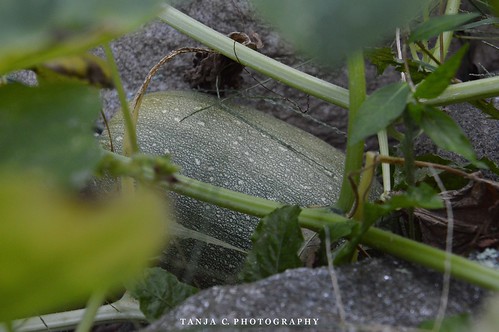
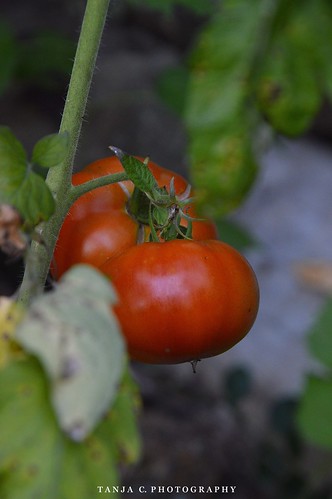
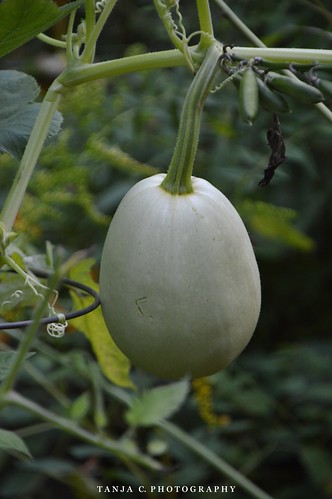
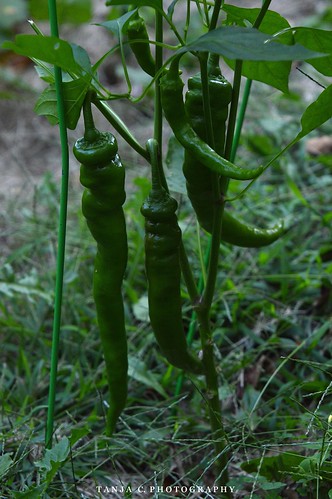
Compared to previous years, we haven’t been as lucky with our crops this year. However, we still have some basil, corn, cucumbers, green beans, parsley, pumpkins, and tomatoes. Today I picked more tomatoes and pumpkins.
🌾🍅🍂🌾🍅🍂🌾🍅🍂🌾🍅🍂🌾🍅🍂🌾🍅🍂🌾🍅🍂🌾🍅🍂🌾🍅🍂🌾🍅🍂🌾🍅🍂🌾🍅🍂
President George HW Bush declared September 13 as Uncle Sam Day in 1989. This was in honor of Samuel Wilson’s birth anniversary. The day also coincided with the bicentennial celebration of the City of Troy, New York, where Wilson lived and worked. Sam Wilson, a meat packer from New York, supplied barrels of meat to soldiers during the War of 1812. Wilson would stamp “U.S.” on the barrels to identify the meat for shipment. It wasn’t long before the soldiers associated the stamp of the US with Sam Wilson himself and cheerfully started addressing him as Uncle Sam. This nickname soon became popular.
However, the first illustration of Uncle Sam is not the one we know today. Published by Harper’s Weekly in 1861, the young Uncle Sam wore a bandana on his head and a striped vest and is depicted dividing up Virginia like a butcher. Through the years, the image of Uncle Sam has been renovated according to the political climate of the country. But it wasn’t an American who designed the Uncle Sam logo- the credit belongs to German-born illustrator and cartoonist Thomas Nast, who designed the long-legged Uncle Sam we know today. Today, Uncle Sam can be distinguished by a starred top hat and striped pants. Interestingly, Uncle Sam also made his debut in Harper’s Weekly. During the modern era, Uncle Sam has been recreated in color. The United States Army used the artwork for the “I Want You For The U.S. Army” campaign during World War I. It first appeared on the cover of Leslie’s Weekly.
🌶🧄🍅🌱🌶🧄🍅🌱🌶🧄🍅🌱🌶🧄🍅🌱🌶🧄🍅🌱🌶🧄🍅🌱🌶🧄🍅🌱🌶🧄🍅🌱🌶🧄🍅🌱

🌶🧄🍅🌱🌶🧄🍅🌱🌶🧄🍅🌱🌶🧄🍅🌱🌶🧄🍅🌱🌶🧄🍅🌱🌶🧄🍅🌱🌶🧄🍅🌱🌶🧄🍅🌱
🌳🍃🌲🍁🌳🍃🌲🍁🌳🍃🌲🍁🌳🍃🌲🍁🌳🍃🌲🍁🌳🍃🌲🍁🌳🍃🌲🍁🌳🍃🌲🍁🌳🍃🌲🍁
🌳🍃🌲🍁🌳🍃🌲🍁🌳🍃🌲🍁🌳🍃🌲🍁🌳🍃🌲🍁🌳🍃🌲🍁🌳🍃🌲🍁🌳🍃🌲🍁🌳🍃🌲🍁
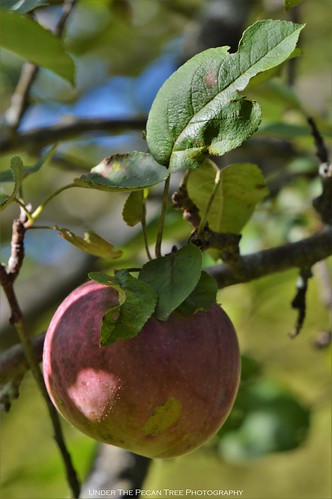
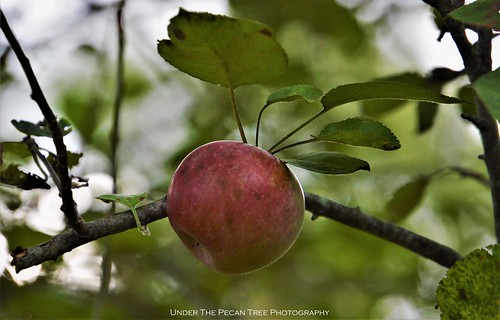
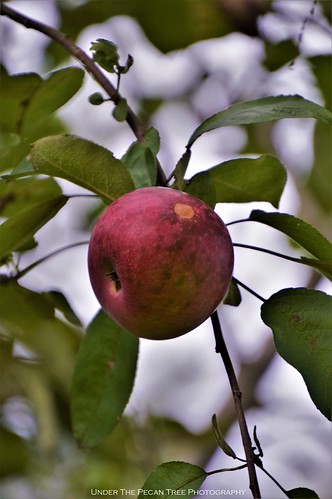
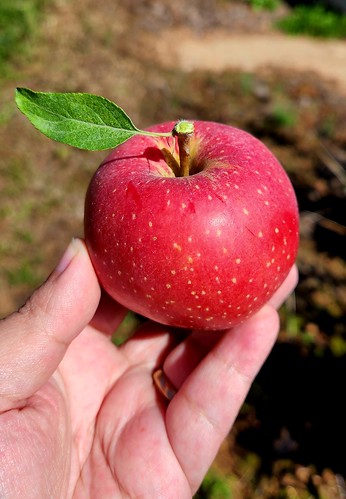
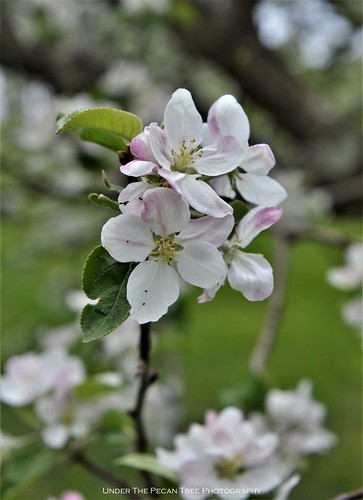
It seems I got myself confused over the last few months. I’m still unsure what kind of apples we are growing in our front yard. I’m leaning toward “McIntosh” instead of “Crapapple”. We still might be guessing for a little while. All we know is that these apples are delicious. Kevin, the girls, and I usually eat them right there, where we pick them. There is nothing better than a freshly picked apple.
~ 09/03/2021 ~
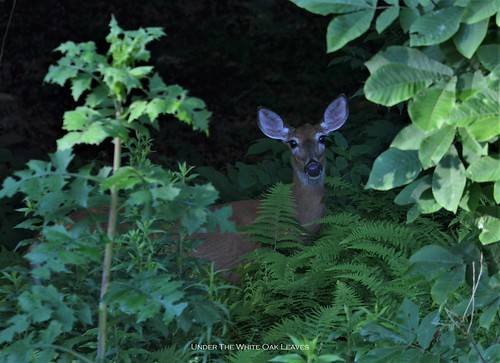
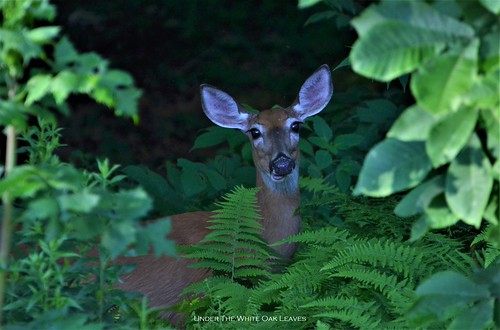

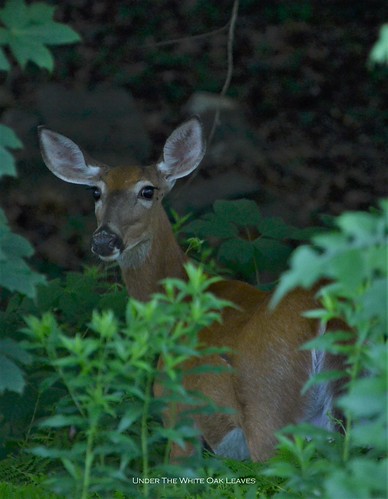
The white-tailed deer, also known commonly as the whitetail and the Virginia deer, is a medium-sized species of deer native to North America, Central America, and South America as far south as Peru and Bolivia, where it predominantly inhabits high mountain terrains of the Andes. It has also been introduced to New Zealand, all the Greater Antilles in the Caribbean (Cuba, Jamaica, Hispaniola, and Puerto Rico), and some countries in Europe, such as the Czech Republic, Finland, France, Germany, Romania, and Serbia. In the Americas, it is the most widely distributed wild ungulate.
In North America, the species is widely distributed east of the Rocky Mountains as well as in southwestern Arizona and most of Mexico, except Lower California. It is mostly displaced by the black-tailed or mule deer (Odocoileus hemionus) from that point west, except for mixed deciduous riparian corridors, river valley bottomlands, and lower foothills of the northern Rocky Mountain region from Wyoming west to eastern Washington and eastern Oregon, and north to northeastern British Columbia and southern Yukon, including in the Montana valley and foothill grasslands. The westernmost population of the species, known as the Columbian white-tailed deer, was once widespread in the mixed forests along the Willamette and Cowlitz River valleys of western Oregon and southwestern Washington, but current numbers are considerably reduced, and it is classified as near-threatened. This population is separated from other white-tailed deer populations.
Texas is home to the most white-tailed deer of any U.S. state or Canadian province, with an estimated population of 5.3 million. High populations of white-tailed deer exist in the Edwards Plateau of central Texas. Michigan, Minnesota, Iowa, Mississippi, Missouri, New Jersey, Illinois, Wisconsin, Maryland, New York, North Dakota, Ohio, and Indiana also boast high deer densities. The conversion of land adjacent to the Canadian Rockies to agricultural use and partial clear-cutting of coniferous trees, resulting in widespread deciduous vegetation, has been favorable to the white-tailed deer and has pushed its distribution to as far north as the Yukon. Populations of deer around the Great Lakes have expanded their range northwards, also due to the conversion of land to agricultural use, with local caribou, elk, and moose populations declining. White-tailed deer are crepuscular, meaning they are most active during the dawn and dusk hours.
🌳🍃🌲🍁🌳🍃🌲🍁🌳🍃🌲🍁🌳🍃🌲🍁🌳🍃🌲🍁🌳🍃🌲🍁🌳🍃🌲🍁🌳🍃🌲🍁🌳🍃🌲🍁


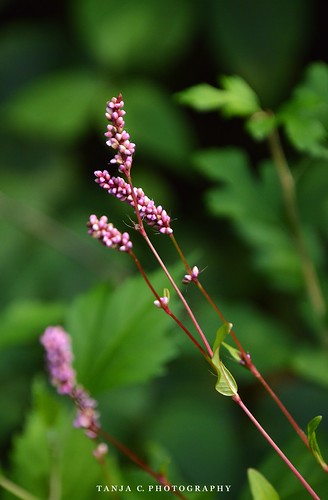
🌳🍃🌲🍁🌳🍃🌲🍁🌳🍃🌲🍁🌳🍃🌲🍁🌳🍃🌲🍁🌳🍃🌲🍁🌳🍃🌲🍁🌳🍃🌲🍁🌳🍃🌲🍁
☔🌀💧🌪🌊🌧☔🌀💧🌪🌊🌧☔🌀💧🌪🌊🌧☔🌀💧🌪🌊🌧☔🌀💧🌪🌊🌧☔🌀💧🌪🌊🌧


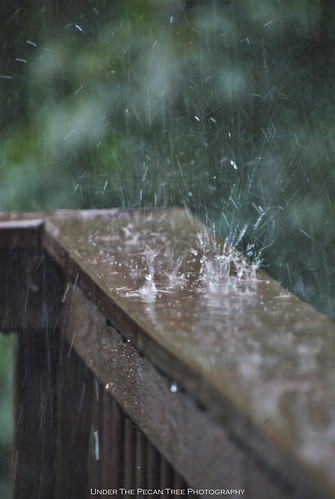
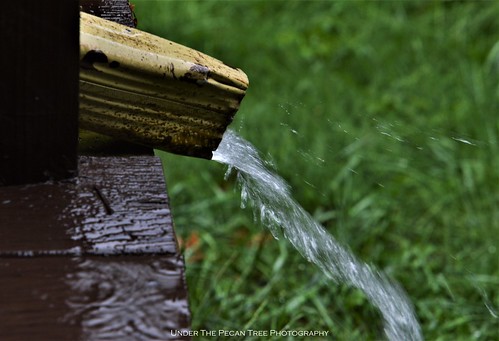

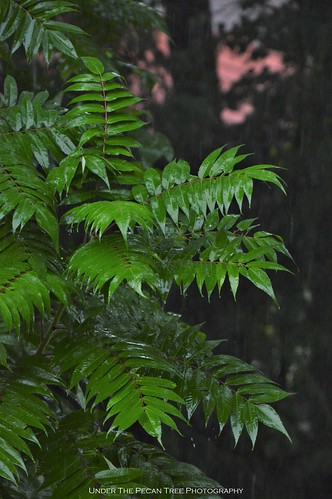
A few days ago, “Ida” was a Category 4 Hurricane making landfall in Louisiana. It has weakened to a Tropical Depression and is causing a lot of rain in New England. So far, we have been on the path of “Elsa”, “Fred”, “Henri”, and “Ida” during this storm season. And we still have three months to go before the Hurricane Season 2021 is over. Well, we “enjoy” the ride Mother Nature has in store for us.
~ 09-01-2021 ~
☔🌀💧🌪🌊🌧☔🌀💧🌪🌊🌧☔🌀💧🌪🌊🌧☔🌀💧🌪🌊🌧☔🌀💧🌪🌊🌧☔🌀💧🌪🌊🌧
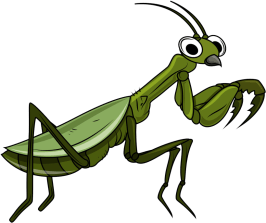
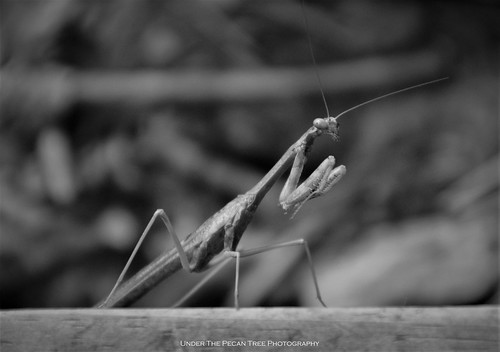
The European mantis is a large insect in the family of the Mantidae (‘mantids’), which is the largest family of the order Mantodea (mantises). Their common name, praying mantis, is derived from the distinctive posture of the first pair of legs that can be observed in animals in repose. It resembles a praying attitude. Both males and females have elongated bodies with two pairs of wings. The most striking features that all Mantodea share are a very mobile, triangular head with large compound eyes and their first pair of legs (the ‘raptorial legs’), which are highly modified for the efficient capture and restraint of fast-moving or flying prey. In Germany, the European Mantis is listed as Gefährdet [endangered] on the German Red List based on an assessment from 1998. It is not supposed to be caught or held as a pet. At a global level, it is assessed by the IUCN as of least concern.


Today is the first day of “Back To School”. Our youngest, Sara, is the only child left participating in regular school. It is also her first day as a Sophomore in High School. 📚🍎🦉
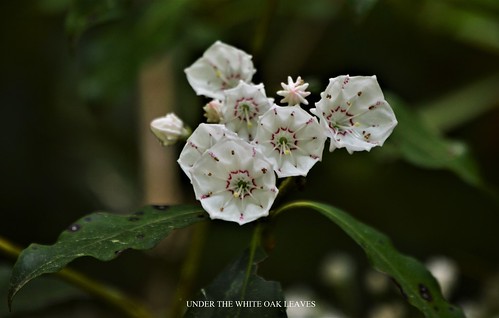
Designated as the State Flower by the General Assembly in 1907, the Mountain Laurel is perhaps the most beautiful of native American shrubs. Its fragrance and the massed richness of its white and pink blossoms so vividly contrast with the darker colors of the forests and the fields that they have continually attracted the attention of travelers since the earliest days of our colonization. First mentioned in John Smith’s “General History,” in 1624, specimens were sent to Linnaeus, the famous botanist, by the Swedish explorer Peter Kalm in 1750. Linnaeus gave it the name of Kalmia latifolia, honoring the name of his correspondent and at the same time describing the “wide-leafed” characteristic of the plant. In addition to being called the “Mountain Laurel,” the plant has also been spoken of as “Calico Bush” and “Spoonwood.”
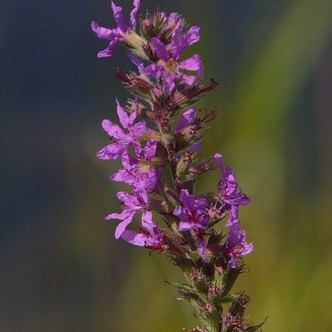
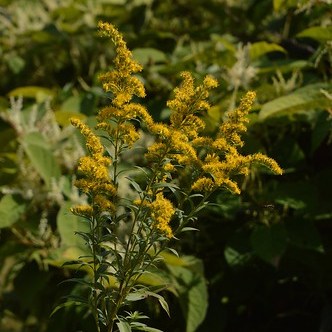
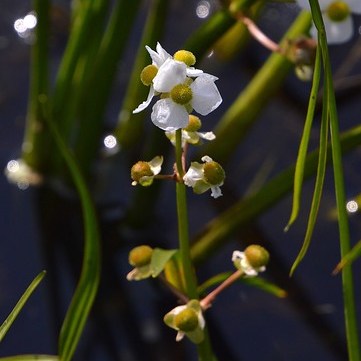
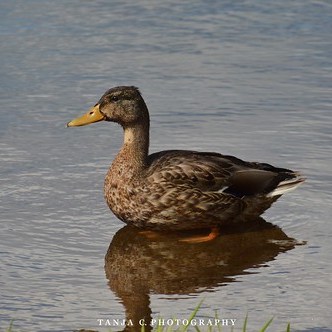
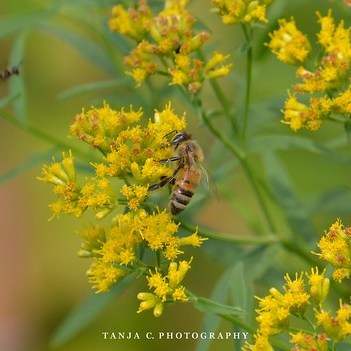
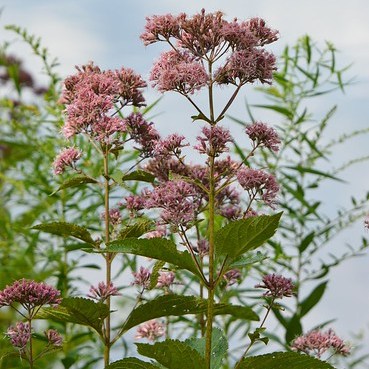

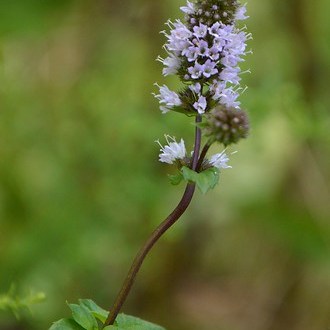
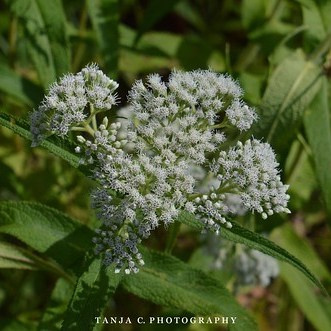

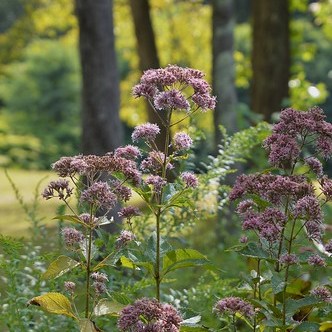
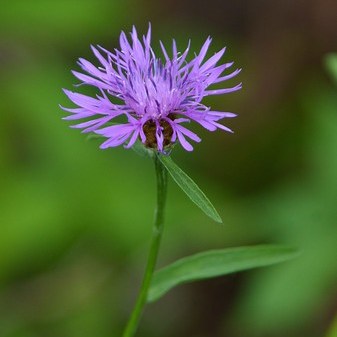
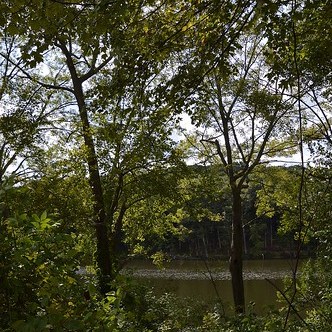
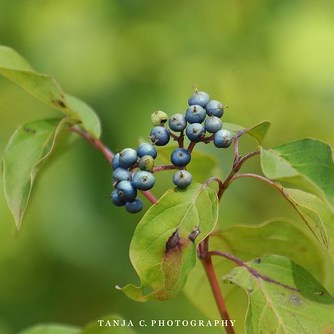
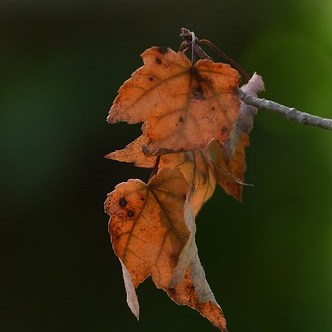
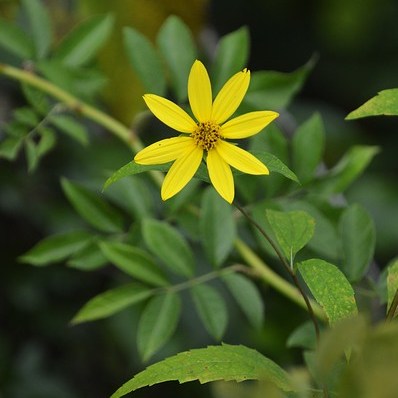


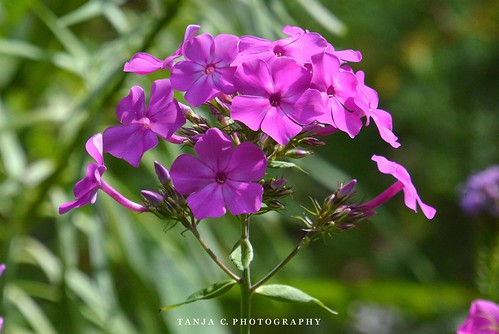

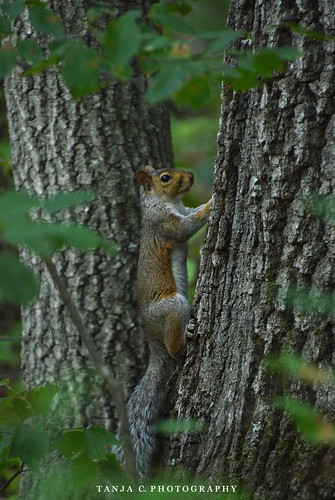
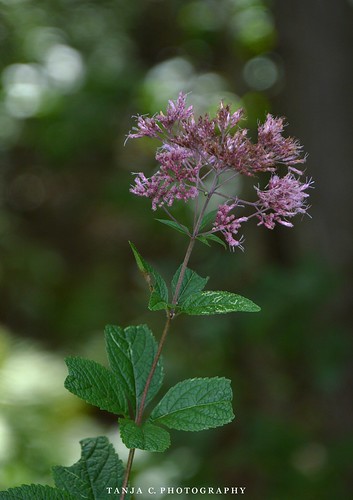
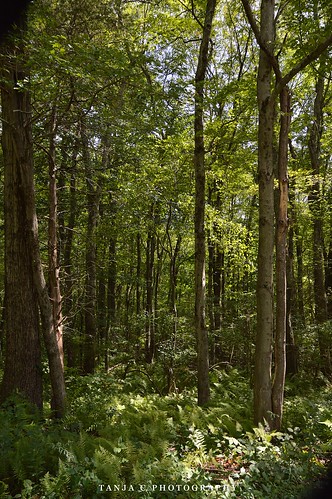
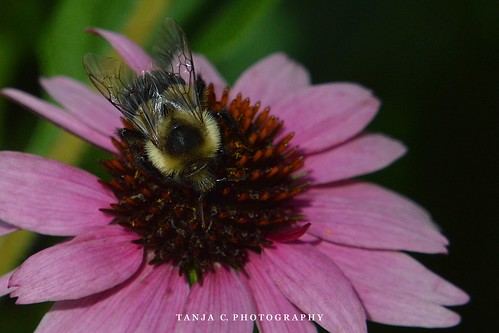
Since it is my birthday and the weather is beautiful, I walked the loop at Veterans Memorial Park. Summer still has a good grip on Nature. But there are signs that Autumn is near. The temperatures are supposed to be in the 70s for the rest of August and into the first week of September.
When I visited the park, I also got a view of one of the six Seward Johnson statues, which are placed all over Watertown. The town is currently hosting an art exhibition of six life-size Seward Johnson sculptures from August to October 2025 as part of the Watertown Foundation’s centennial celebration.
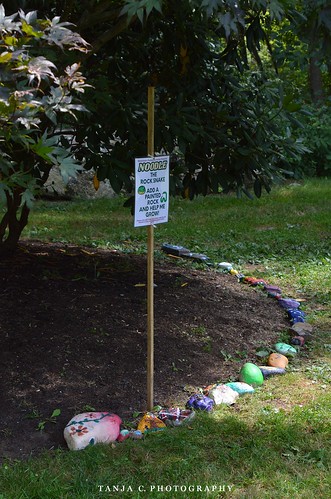
Another new feature is Noodle, the rock snake. Everyone in town can participate by bringing a painted rock and adding it to the tail end. I’m curious how big Noodle will grow over the next years. Maybe I will capture photos every couple of months and see how far it has come.
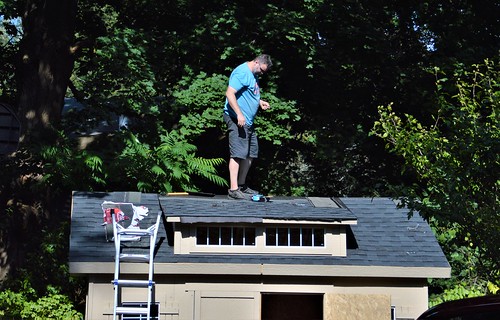
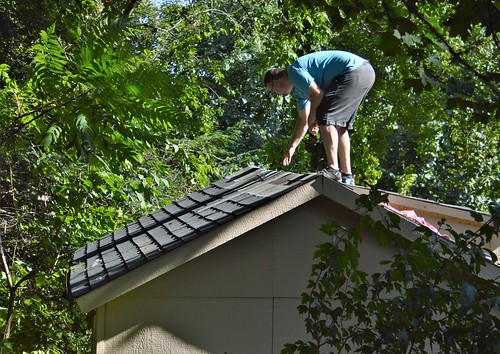
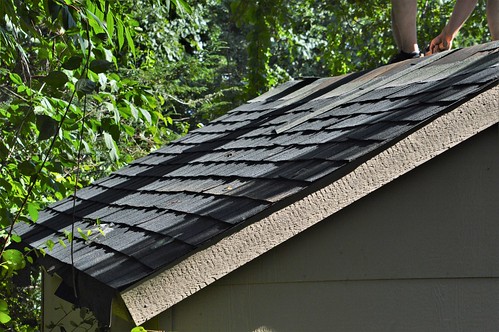
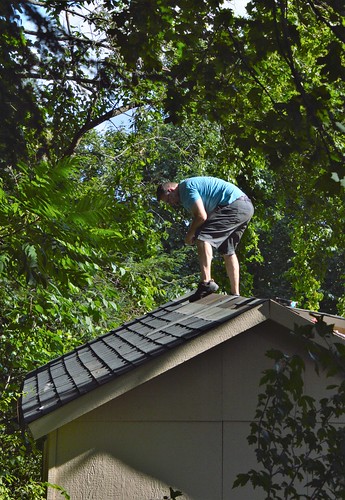
This Labor Day weather is so beautiful that Kevin used the opportunity to work on his shed a bit more. Kevin ran a little short of shingles this weekend. We’ve got some more, while it was raining yesterday. The shed roof is almost done. Soon, he can begin with the interior shelving. While he works on that, I can caulk and paint the shed. It’s something I can do while he’s at work. Everything looks great so far. It’s not perfect. However, it is sufficient for storage without needing to worry about critters or a storage tent collapsing due to a major storm. It turned out to be a cute building tucked away across the house.
◊◊◊◊◊
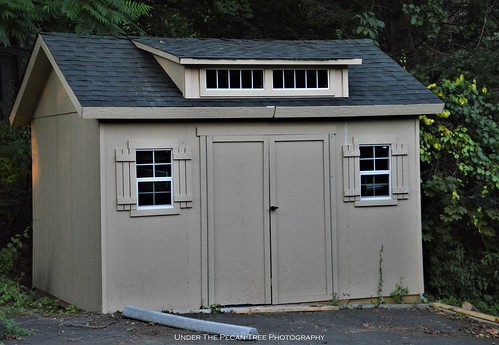
YEEHAW! The assembling of the shed is DONE! Once it’s caulked and painted, Kevin will finish the framework of the doors. But I want to paint the doors first before that happens. Yeah, the lawnmower and the snowblower are out of the garage. My tubs with the seasonal decorations found some space in the shed, too. Once we are done unpacking all our household goods, we can park two vehicles in the garage. The shed was so needed.
◊◊◊◊◊
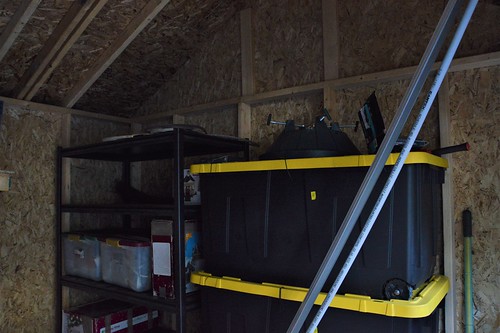
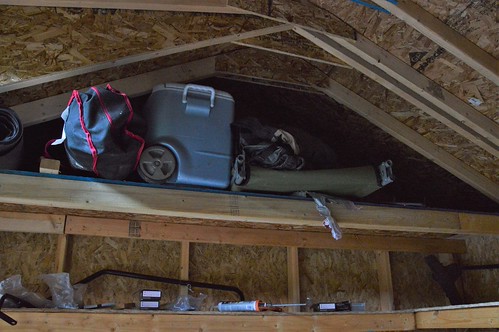
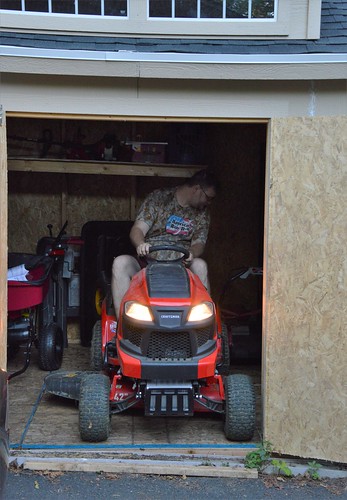
The garden shed is one of the best investments and is worth every penny we spent on our new property. My seasonal decorations fit perfectly along one side of the shed wall. The camping gear is on the top shelf under the roof. Kevin’s tools can be stored in there. And our lawn/snow equipment fits perfectly on the shed floor. Everything is in its place and looks needed. Therefore, the garage doesn’t look cluttered. We can finally oversee our stuff. And don’t need to look around in every box to find it. It makes life easier, not harder.
~ THE END ~
(09/06/2021, 09/13/2021, 09/19/2021)
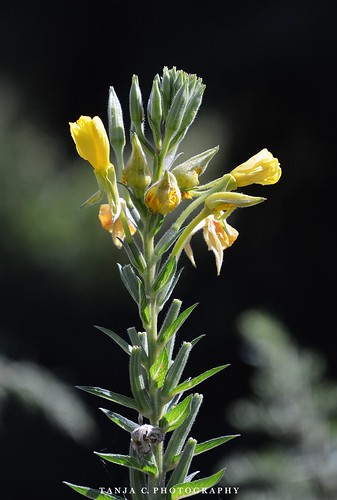
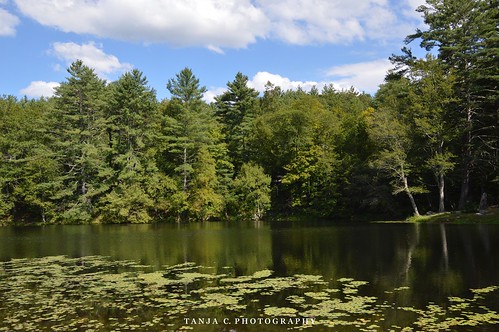
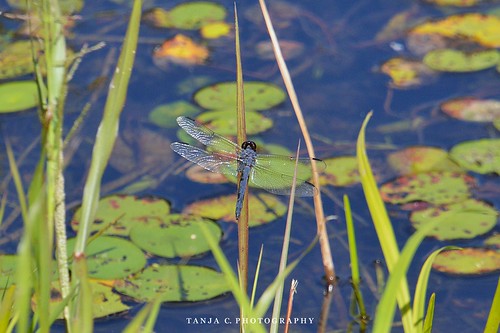
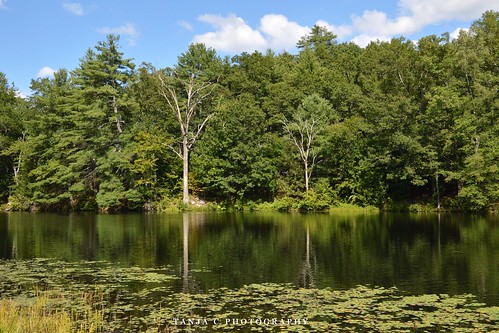
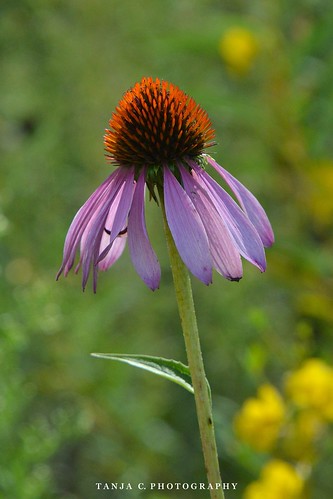
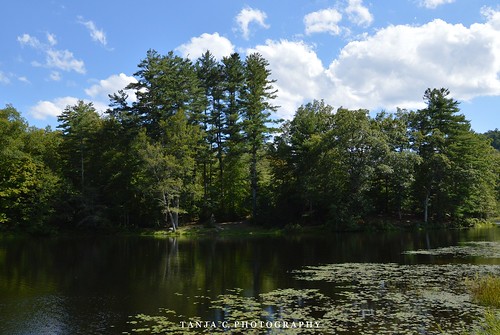
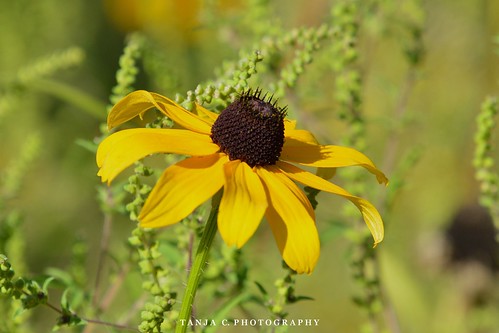
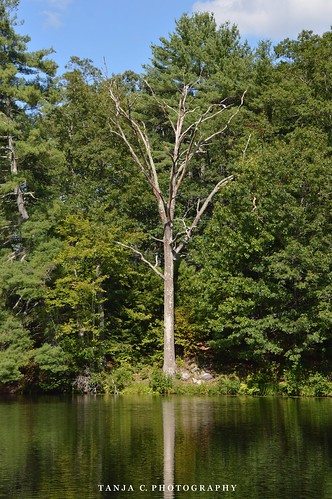
When I dropped Sara off for her cross-country practice, I spent some time at Black Rock Pond in Black Rock State Park today. A few people were at the beach and in the water to cool off. Meanwhile, I watched the dragonflies glide across the pond.
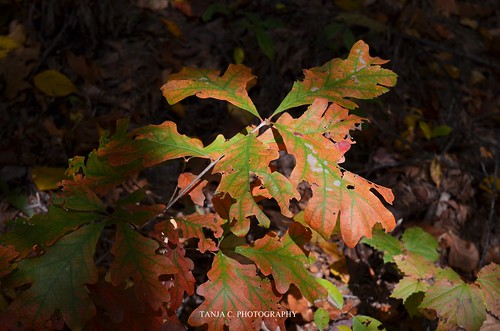
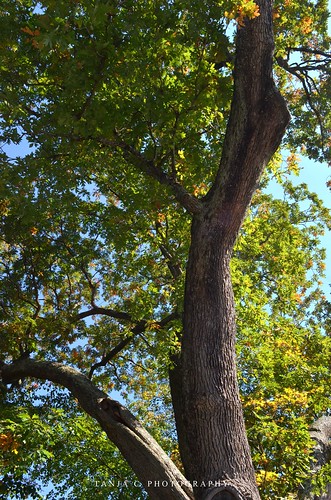
The White Oak (Quercus alba) is one of the preeminent hardwoods of eastern and central North America. It is a long-lived oak, native to eastern and central North America and found from Minnesota, Ontario, Quebec, and southern Maine south as far as northern Florida and eastern Texas. Specimens have been documented to be over 450 years old. Although called a white oak, it is very unusual to find an individual specimen with white bark; the usual color is light grey. The name comes from the color of the finished wood. In the forest, it can reach a magnificent height, and in the open, it develops into a massive broad-topped tree with large branches striking out at wide angles.
Quercus alba is fairly tolerant of a variety of habitats and may be found on ridges, in valleys, and in between, in dry and moist habitats, and in moderately acid and alkaline soils. It is mainly a lowland tree but reaches altitudes of 1,600 m (5,249 ft) in the Appalachian Mountains. It is often a component of the forest canopy in an oak-heath forest. Frequent fires in the Central Plains region of the United States prevented oak forests, including White Oak, from expanding into the Midwest. However, a decrease in the frequency of these natural fires after European settlement caused the rapid expansion of oak forests into the Great Plains, negatively affecting the natural prairie vegetation.
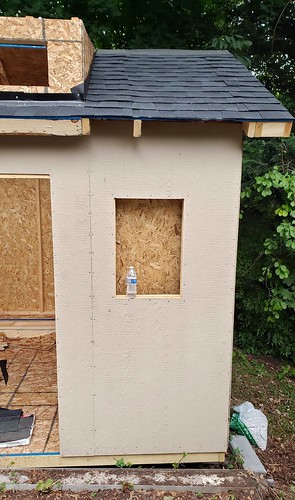
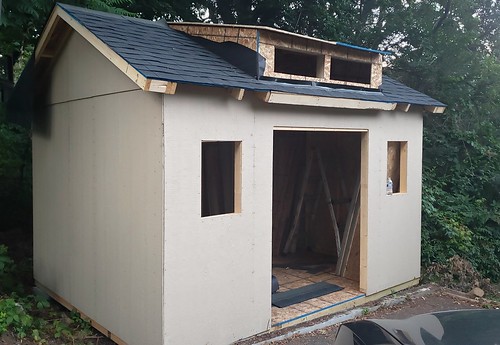
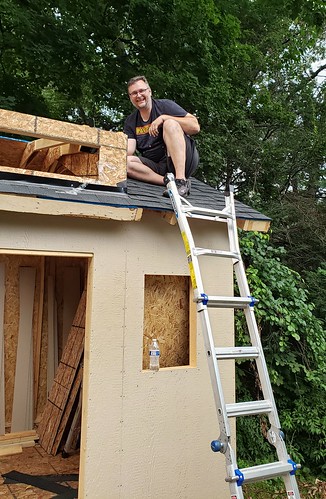

All the roof panels are up. The roof’s front is shingled. For the rest, we have to wait until “Fred” passes through New England. If that’s even the case. Currently, meteorologists are making their predictions about the potential path of the tropical storm. Nothing is set in stone.
◊◊◊◊◊
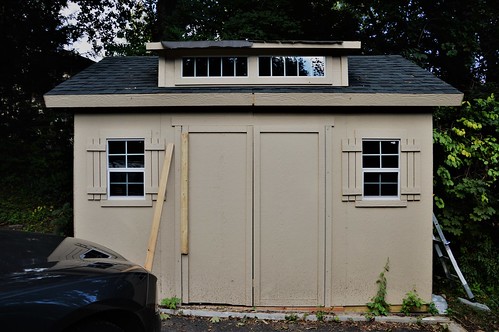
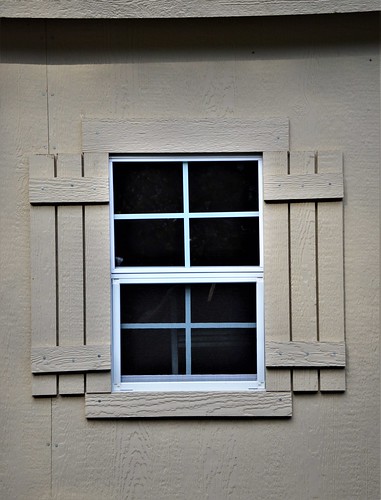
Kevin shingled the roof some more. It surprisingly made it through Tropical Depression “Ida”. The shed stayed inside. He also installed the windows and the door. Kevin noticed that the asphalt on our driveway was too high when the door was in place. Therefore, he couldn’t open the left door all the way. He had to cut about an inch and a half off the bottom to make it fit. Once there is a trim on it, the cut will barely be recognizable. Let’s hope he gets the shed done this weekend, latest by next weekend. We need some room back in the garage.
… to be continued …
(08/17/2021 & 09/03/2021)
🌳🍃🌲🌿🌳🍃🌲🌿🌳🍃🌲🌿🌳🍃🌲🌿🌳🍃🌲🌿🌳🍃🌲🌿🌳🍃🌲🌿🌳🍃🌲🌿🌳🍃🌲🌿

🌳🍃🌲🌿🌳🍃🌲🌿🌳🍃🌲🌿🌳🍃🌲🌿🌳🍃🌲🌿🌳🍃🌲🌿🌳🍃🌲🌿🌳🍃🌲🌿🌳🍃🌲🌿
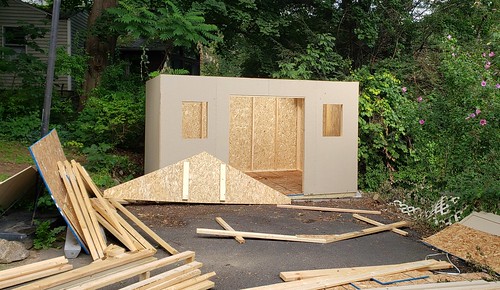

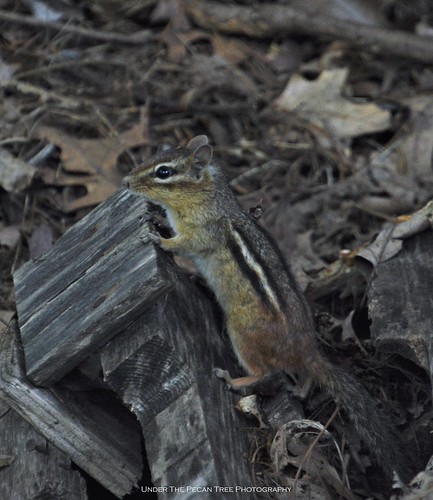
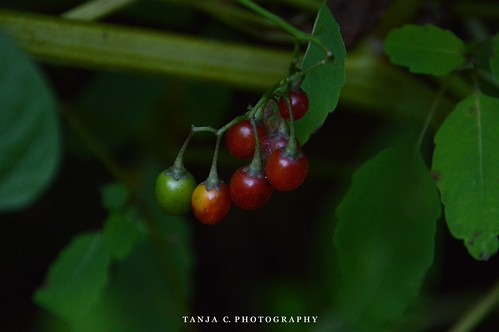
Kevin got all four walls up. And he is ready to install the roof soon. It already looks like a building. If I didn’t know better, I’d say. The chipmunks were calculating how many acorns could fit in that shed. They keep checking it out when we are “not looking”. I wouldn’t be surprised to find a whole family in there when Winter is over and Spring arrives next year.
◊◊◊◊◊
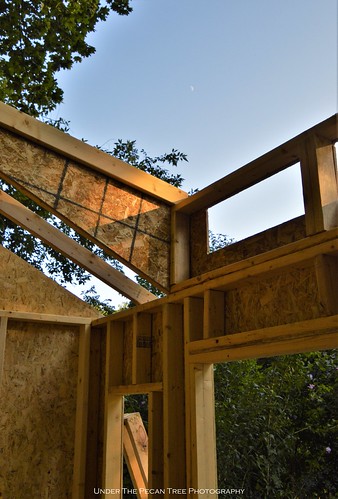

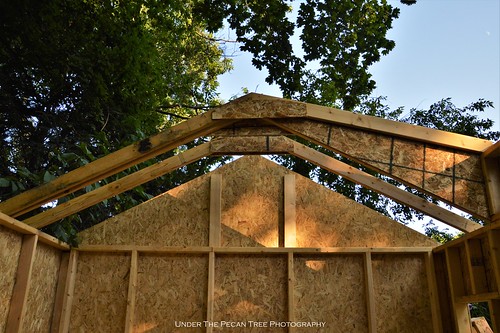

With some help from our next-door neighbor, Kevin got more work done on the shed. Now, the roof sidings, the roof, and the vent frames are up. Because of the heat wave and the night breaking in sooner, Kevin couldn’t get as much done as he wanted to finish this week. But he installed more framework and got the lawn mowed before the relieving rain and the cooler front came in this afternoon. We are supposed to get temperatures in the upper 50s (about 14 – 15℃) tonight. It’s time to air out the house and eliminate this mugginess.
◊◊◊◊◊
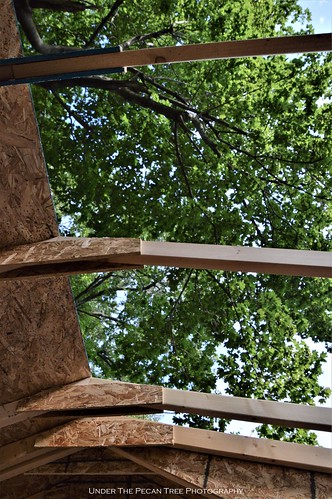

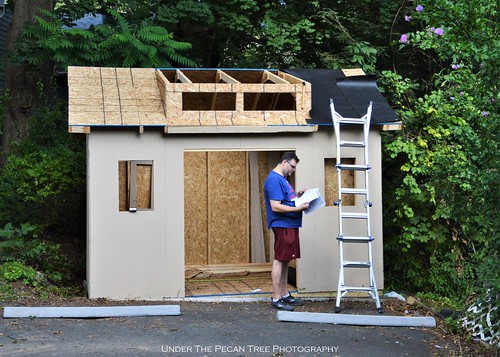
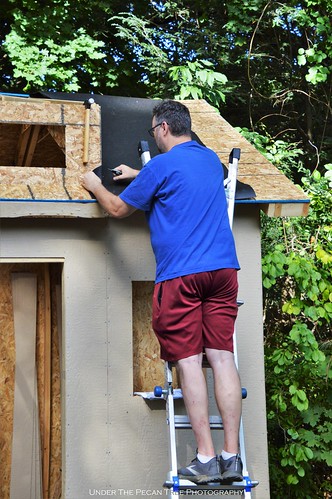
Since it was much cooler, Kevin installed almost all the roof panels and some of the waterproof shields nailed to the roof. He could also put some of the pieces in the shed, so Katelynn can park on the driveway again. Now that the shed starts to look more like a building, I can’t wait to see it finished. I have that feeling, it might be constructed before the original arrival date. The shed is supposed to be delivered by the end of August. Yeah, I think Kevin gets it done before that.
… to be continued …
(08/09/2021, 08/14/2021, 08/15/2021)
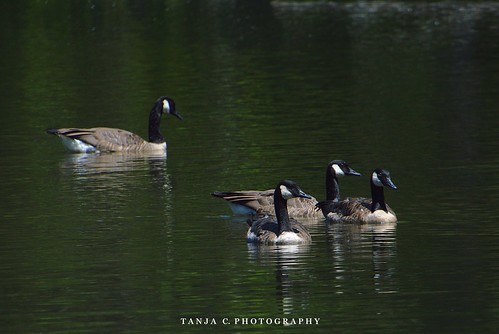
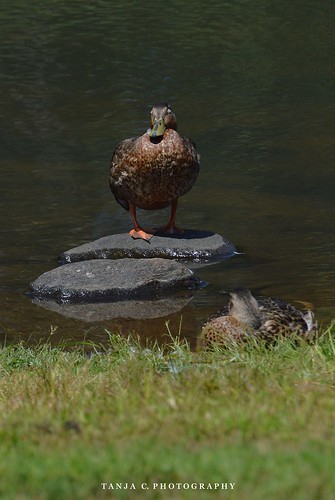
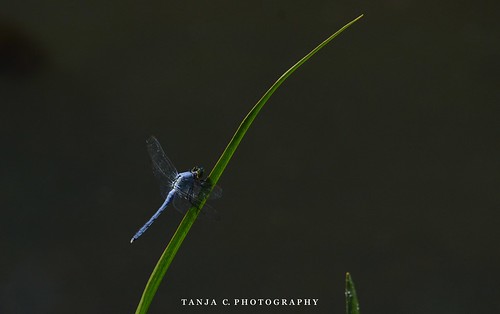
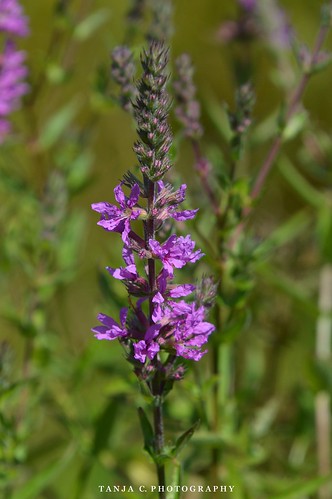
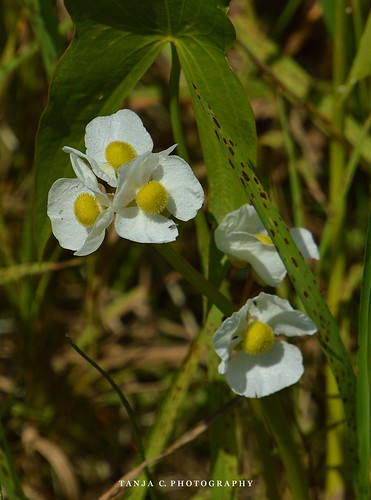

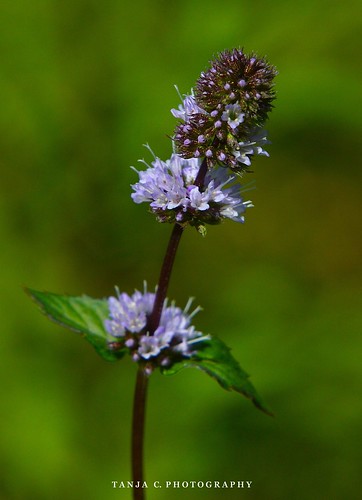


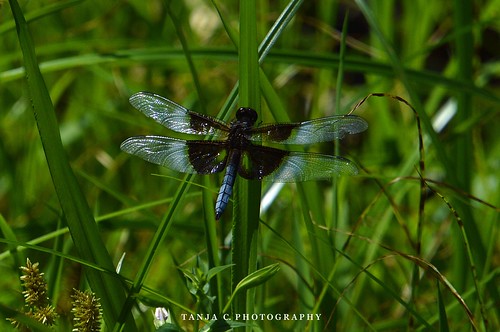
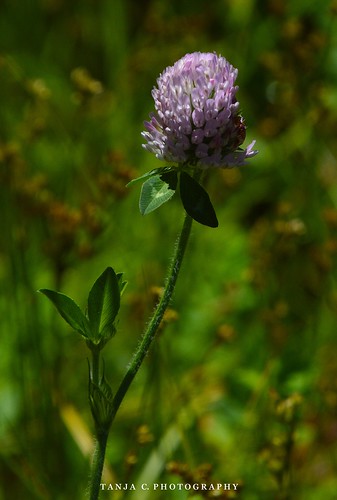
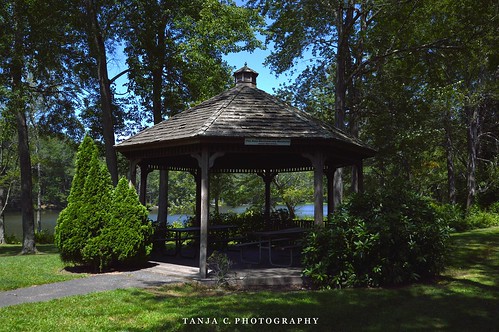
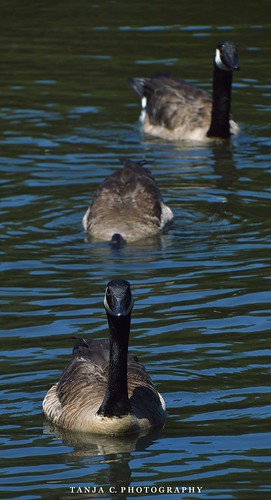
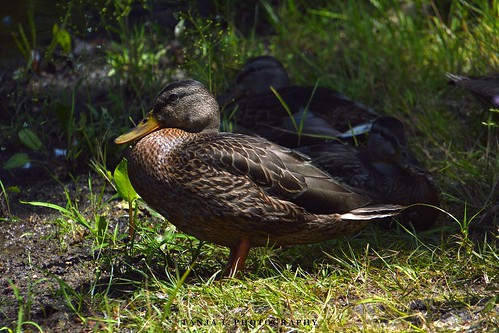
This afternoon I went to Echo Lake Park for a bit. I haven’t been to the lake since early Spring. It is hot today. The ducks and the geese loved to cool off and take naps in the shade. Now that it is Summer, there are plenty of wild blooms. The bees are all over the place. And the dragonflies darted across the water.
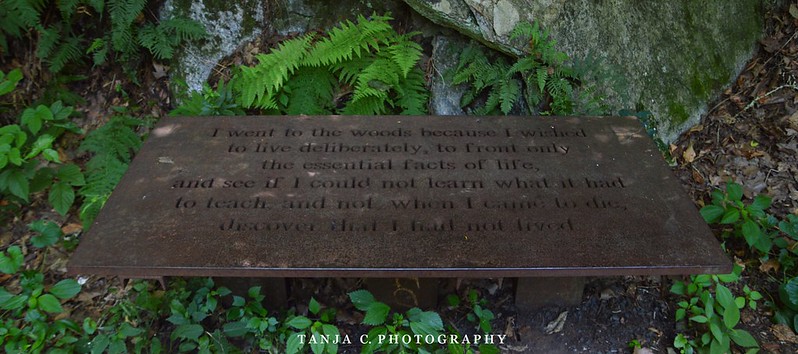


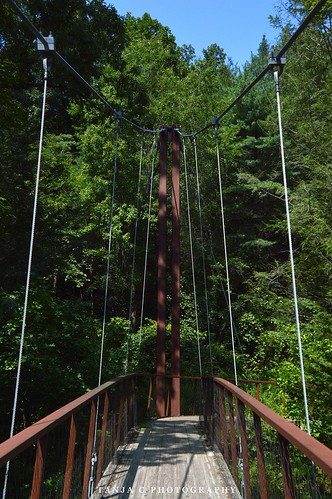
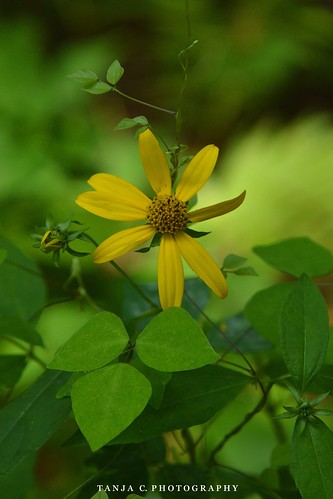

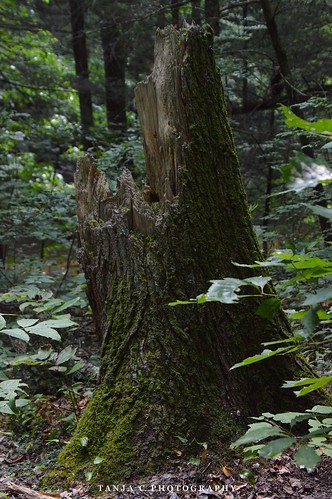
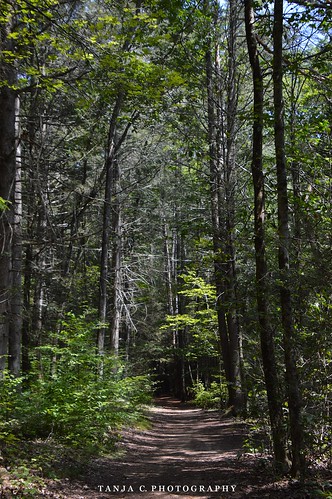
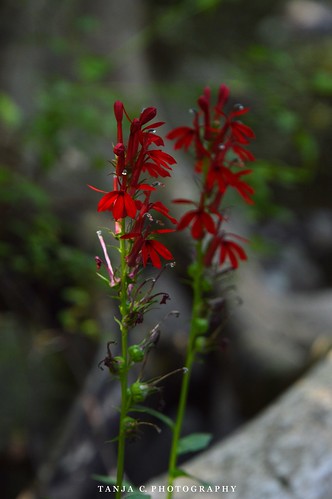
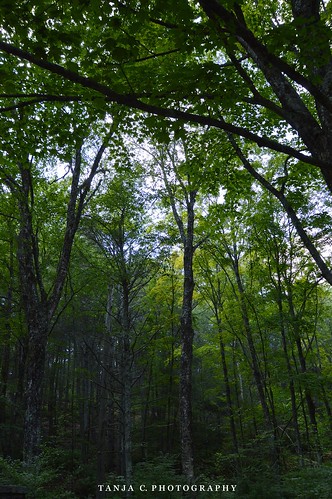
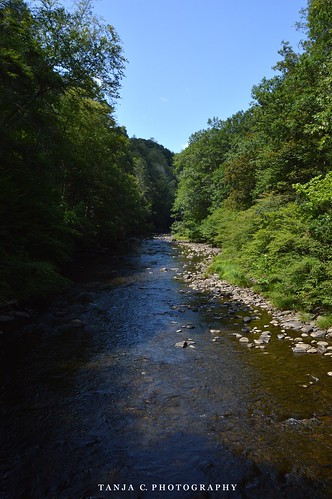
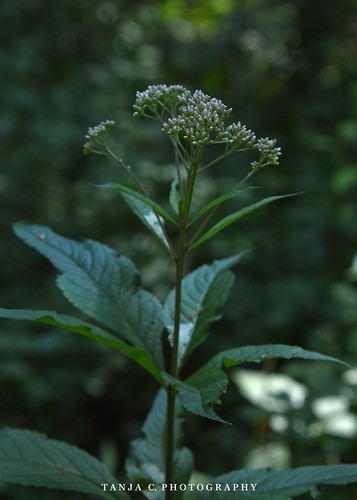

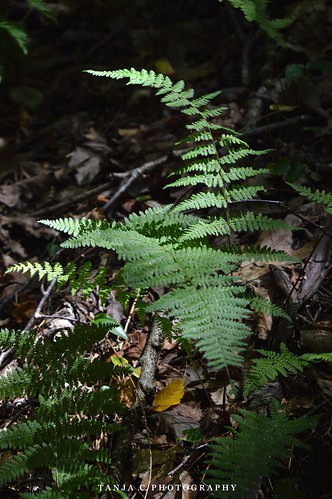
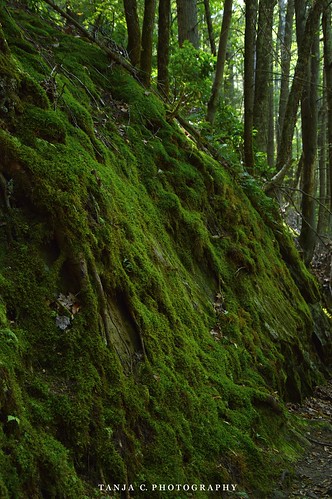
Last Winter, Kevin mentioned he heard about the Hidden Valley Preserve at work. When it got warmer, he wanted to visit that place. I did some research and kept it on the back burner.
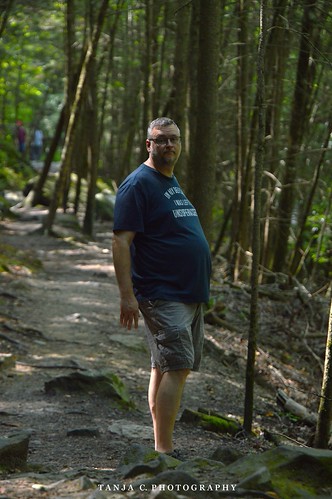
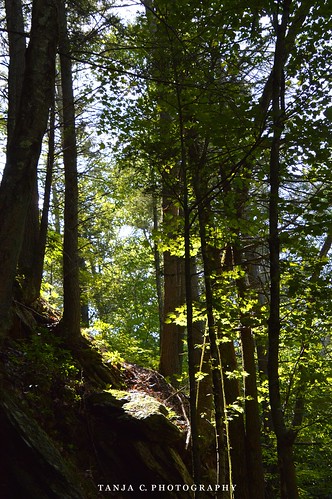
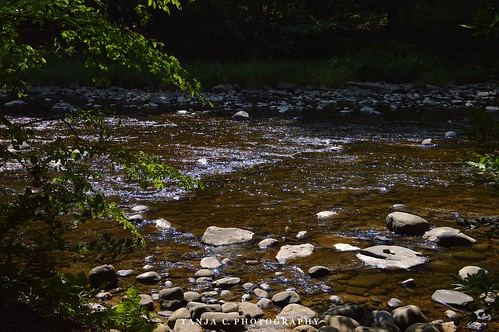
Today, I mentioned the Hidden Valley Preserve to Kevin. It’s warm. But the trails are shaded in the forest. After I packed some essentials, we drove to Washington Depot. When we arrived at the preserve, we walked to Henry David Thoreau Swinging Bridge. It’s a 134-foot-long footbridge that spans the Shepaug River. Kevin and I crossed the bridge to hike at the Bee Brook Loop Trail. From there, we got a nice view of the river. At some point, the trail inclined and led us to a wooden staircase. We walked down the steps to cross another footbridge.
On the other side of the Shepaug River, we walked back on the President’s Trail. The President’s Trail was much narrower. And we had to watch our footing closely in some areas. One wrong step could have sent us down a steep hill toward the river. But we made it back safe to the Thoreau Bridge.
On our hike, Kevin and I liked that the trails were easy to walk. The preserve is clean. We didn’t find any trash along the way, which was very refreshing. The air smelled fresh, mainly from the pine needles covering the trails. We definitely need to visit the Hidden Valley Preserve again. There are plenty of different trails to hike. And it must be gorgeous there during the leaf-peeping season.
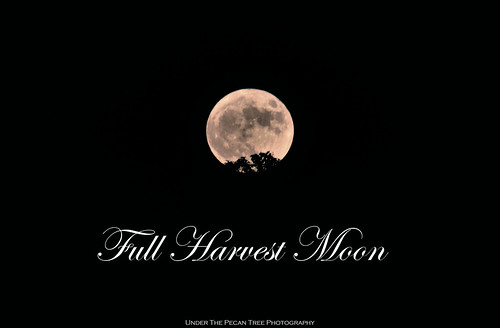
Author: Carl Sandburg 1878 – 1967
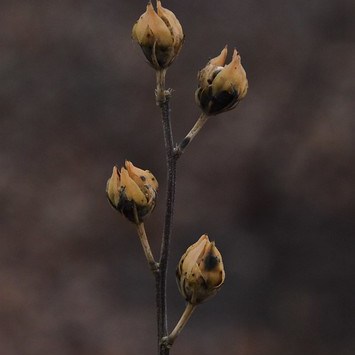
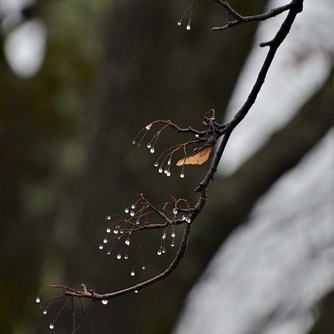
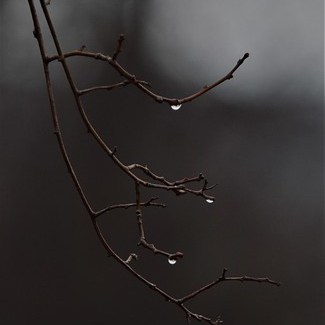


 Under The Harvest Moon