The frost and snow of Winter tighten their grip on the sleeping landscape. The nights are long, and food sources are scarce. In times past, the wolves would hunt around the village’s edge to look for scraps.
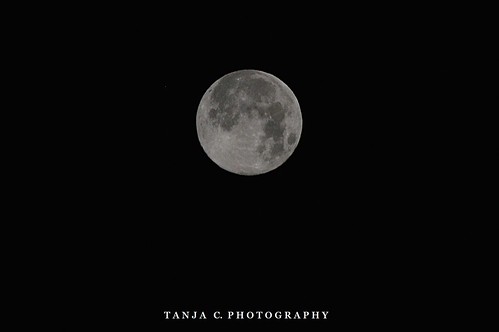
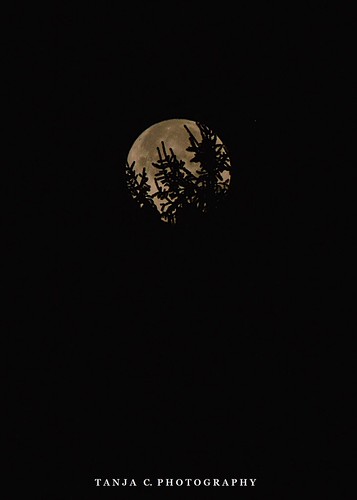
The January Full Moon is about protection. This could range from checking the batteries in the smoke detector to establishing clearer boundaries. It is also a time to examine our habits and limits, and adjust those things that no longer serve us.
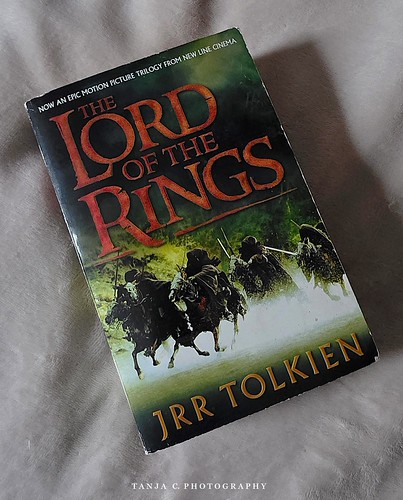
Aside from the fact that “The Hobbit” and “The Lord of the Rings” directly influenced the entire fantasy genre and opened the door for the creativity of writers like David Eddings, Robert Jordan, and Ursula K. LeGuin, among many more, many critics describe Tolkien’s magnum opus as an allegory combining the horrors of World War I with the sweeping societal change of pastoral life’s gradual crumbling under the weight of industrialism. Respectively, think of the sweeping battle scenes in LOTR, and then the hazy summer of the Shire compared with the blighted, tree-bare landscape of Saruman’s domain.
The clash of these opposing worldviews and the way Tolkien masterfully depicted it, amplified by the series of Peter Jackson films and their visual splendor, makes it no surprise that the Tolkien Society, founded in 1969, is still around today. The author interacted with the Society in its early days, his assistant phoning their leadership in 1972 after they sent him a container of top-shelf tobacco in honor of his becoming a Commander of the Order of the British Empire; she said that he’d considered the gift to be the highest honor of the whole to-do.
Of course, it was the Tolkien Society that declared its commitment to publicly celebrate Tolkien’s birthday with a toast each year on January 3. So, after breakfast is out of the way, along with “second breakfast” and “elevensies,” lunch, and a puff of Longbottom Leaf, have a friend over and drink to the juggernaut of fantasy fiction. The professor!
Perihelion is an astronomical occurrence that happens around two weeks from the December Solstice. Even though it is winter in the Northern Hemisphere during this period, Earth reaches the closest point of over 91 million miles to the sun on this day. Perihelion does not directly affect Earth’s temperature; it does not make us feel any warmer, nor does it provide respite from the chilling temperature. However, it does indirectly affect seasons because Earth’s orbital speed is at its maximum at perihelion. On this day, the sun appears the largest in the sky for the entire year, gradually growing smaller through the remainder of the year.
In 1246, Perihelion Day was on the December Solstice. Every 58 years since then, the date has changed by a day. Perihelion Day varies each year due to precession and orbital factors that follow specific cyclical patterns known as the Milankovitch cycles. Another cause is the moon’s presence, which can make the date vary by up to two days from one year to another. While the Earth-Moon barycenter moves on a stable orbit around the sun, Earth’s center, which is around 2,900 mi from the barycenter, can shift in any direction from it, thus affecting the actual time of the perihelion.


 Under The Harvest Moon