❄☃❄☃❄☃❄☃❄☃❄☃❄☃❄☃❄☃❄☃❄☃❄☃❄☃❄☃❄☃❄☃❄☃❄☃



Winter In Connecticut 2026
❄☃❄☃❄☃❄☃❄☃❄☃❄☃❄☃❄☃❄☃❄☃❄☃❄☃❄☃❄☃❄☃❄☃❄☃
A Texas city girl in a small New England town …

❄☃❄☃❄☃❄☃❄☃❄☃❄☃❄☃❄☃❄☃❄☃❄☃❄☃❄☃❄☃❄☃❄☃❄☃
❄☃❄☃❄☃❄☃❄☃❄☃❄☃❄☃❄☃❄☃❄☃❄☃❄☃❄☃❄☃❄☃❄☃❄☃

Let it be known that Americans love Pizza. No matter what time of day or night it is, if you need a pizza, you will get one. This is how crazy Americans are crazy about pizza. So let’s delve into the history of early Egyptians and the Greeks, who perhaps made the first pizza. For them, pizza used to be a flatbread topped with olive oil and some herbs and spices. It was not until the formation of the Roman Empire that Roman armies entered Greece and that Egypt adopted some of their cuisines, making them their own. In the very heart of the Roman Empire, in Rome, early Romans made their own pizza, which was a modification of the original pizza recipe. The consumption of pizza continued with little to no change in its recipe for years, up until we entered modern times, when the world was bleeding from the Second World War.
During the occupation of Italy by the Allied Forces, American soldiers stationed in Italy ate lots of Italian food, but the one they really loved was their pizza. When the war ended, they brought the recipe with them, and so the American pizza was created. Before this, only the Italian immigrants in the U.S. used to eat pizza, along with a few others who worked with the Italians. The 1950s saw a boom in pizza consumption as the newly introduced pizza recipes spread to the masses, so much so that every street in the country had a pizza stall. From there onwards to today, there are reports that say that 350 slices of pizza are eaten every second. This means 40 pizzas are consumed every second. Going into a full-day analysis would simply be mind-boggling, but yes, indeed, pizza is heavily consumed in the U.S.
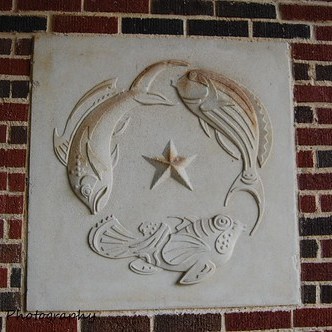





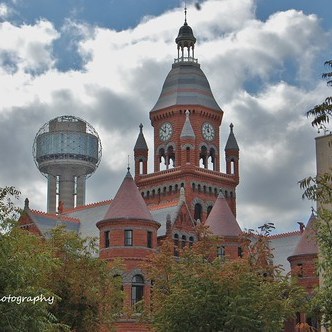
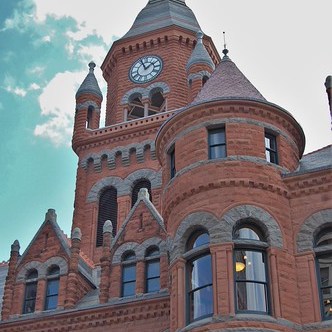
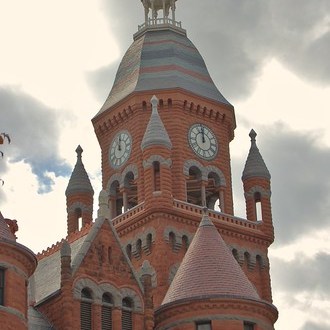

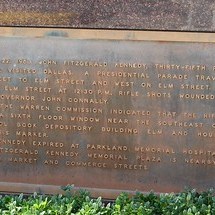


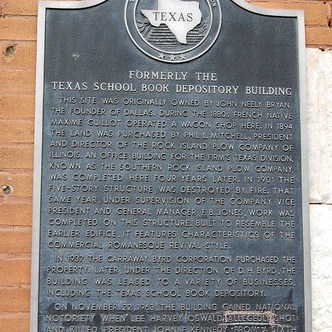

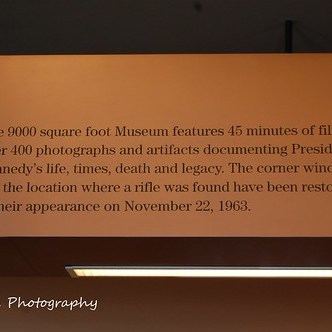
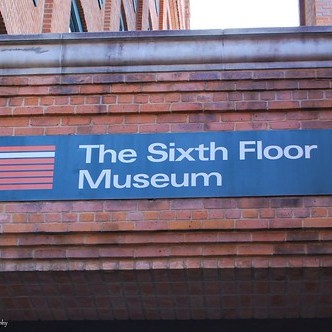

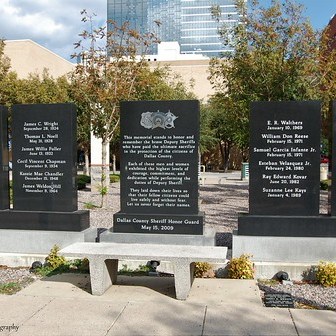

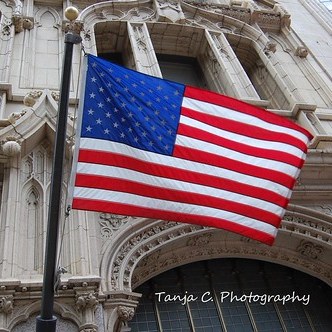



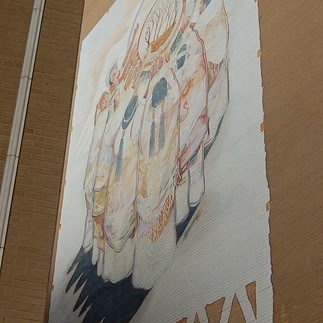





In November 2011, I met with a friend and her son from Germany in downtown Dallas. This allowed us to do some sightseeing in town. We looked at several buildings like the Fountain Building, the Bank of America Building (the tallest building in Dallas), the Old Red Dallas County Courthouse, the Comerica Bank Building, etc.
I always wanted to go to the Sixth Floor Museum at Dealey Plaza. In the museum, we were not allowed to photograph. But it was interesting to look at pictures, read history, and watch videos of Kennedy’s Presidency until the assassination at Dealey Plaza in downtown Dallas on November 22, 1963, and the aftermath. No matter how often I watch those videos, I always become a bit sentimental.
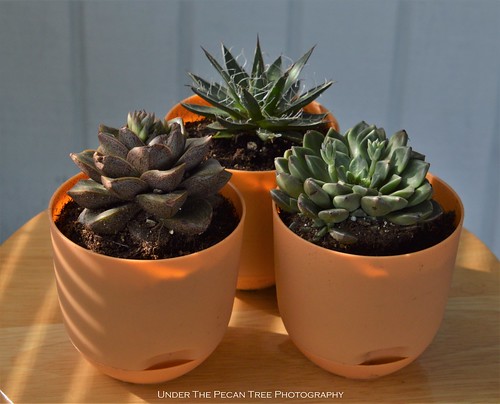
By mid-January, most of our various holiday decorations and Christmas trees have made their way out of our homes. Houseplant Appreciation Day is on January 10 every year, and it reminds us that we don’t have to lose the freshness and vibrancy that plants bring to our homes just because the holidays have drawn to a close. If you have the post-holiday blues, this is the perfect chance for you to brighten up your house with a lovely plant that you can enjoy all year long. But houseplants do more than just bring a splash of green into our homes, and National Houseplant Appreciation Day is all about raising awareness of the numerous benefits of tending an indoor plant. Houseplants convert carbon dioxide into oxygen for us to breathe, improving the air quality in your home. Plants also release moisture into the air, conditioning it with refreshing humidity that can actually make your house feel cooler! What’s more, many houseplants are easy to care for and have an array of household uses that help you save money. Whether your green thumb has driven you to amass an impressive indoor garden or you’re just kicking around the idea of a low-maintenance cactus for your desk, it’s time to roll up your sleeves and join us in bringing the outdoors inside on National Houseplant Appreciation Day.
☔☀💧☔☀💧☔☀💧☔☀💧☔☀💧☔☀💧☔☀💧☔☀💧☔☀💧☔☀💧☔☀💧☔☀💧


☔☀💧☔☀💧☔☀💧☔☀💧☔☀💧☔☀💧☔☀💧☔☀💧☔☀💧☔☀💧☔☀💧☔☀💧
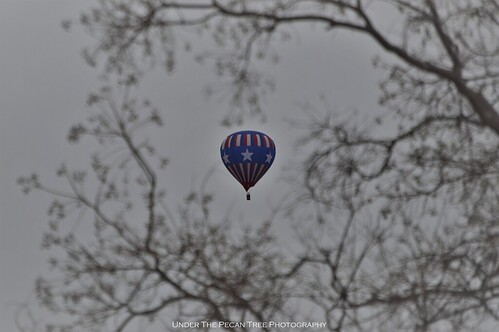
Balloon Ascension Day is an annual celebration established to honor the brilliant work of Jean-Paul Blanchard. He was a French aeronaut and inventor who, in 1793, made the first manned balloon trip in America. He is generally regarded as the inventor of balloon flight. Balloon Ascension Day was initiated on the same date he took to the sky in 1793, January 9.
During the first manned balloon trip in America, Blanchard stood opposite the Walnut Street Prison located in Philadelphia, Pennsylvania. A relatively large number of people, including the President of the United States, George Washington, watched him mount and fly his hydrogen-filled gas balloon 200 fathoms or 1,200 Feet over the earth. Every year since 2011, the day has been observed to commemorate the first manned balloon flight in the United States and also encourage participation and foster interest in the field of aeronautics.
According to historical records, during his flight in a balloon in 1793, there were not a lot of ways for Blanchard to steer his balloon, so his trip only lasted 46 minutes. A gust from the breeze swept him away to land on a farm, where he had to convince local farmers to help him get back to Philadelphia.
This is not only considered America’s first aerial voyage, but it is also known to have helped solidify the United States’ reputation as a country for innovative and great technological advances. On National Balloon Ascension Days, we are expected to go out and conquer our fears of traveling in a hot air balloon. We can take beautiful selfies for social media or watch other people mount and have their first experience flying in a hot air balloon.




Dust off your rubber ducky this winter because it’s National Bubble Bath Day on January 8! A lot of us remember bubble baths from our childhoods, and if you’ve never had a bubble bath before, then this is definitely a holiday you should try out. The soapy bubbles of these foaming baths are luxurious and ideal for pampering yourself after a hard day. There’s nothing quite like slipping into the hot water of a bubble bath for a nice, relaxing soak in the tub. But let’s be honest, when was the last time you had a bubble bath? Most of us hop into the shower in the morning and zip off to start our day. We barely even take the time to eat breakfast, let alone spend an hour sitting in the tub getting pruned fingers. Showers may be convenient, quick, and easy, but you can’t relax as well standing up, and everybody deserves a little me-time now and then. A hot bubble bath will relax your muscles, refresh your skin, and help with any congestion you might have. It will even clean your bathtub! For National Bubble Bath Day, join us in celebrating the healthful benefits and all-out luxury of these sudsy soaks.

The rotation of the Earth and its relationship to our daylight cycles have fascinated philosophers and scientists for thousands of years. As far back as 470 BCE, ancient Greeks speculated that the Earth itself moves, rather than having the rest of the sky revolving around us. In the 10th century CE, Muslim astronomers began building astrolabes and other instruments to measure the Earth’s motion relative to the stars.
The first human depictions of the cosmos date back to 1,600 BCE. A bronze disk found in Northern Europe depicts the sun, a crescent moon, and the Pleiades star cluster, and Babylonian written records record the positions of celestial bodies. Arguably, the earliest scientific observations, these records make astronomy the oldest known science.
Although humans have observed the stars for thousands of years, some early theories proposed that the Earth moved — the geocentric theory remained dominant in Europe until the work of Nicolaus Copernicus in the 1500s, proving the Earth does actually revolve around the sun. Following his work, others tried to prove the rotation of the Earth through various experiments. While the theory became accepted by the mid-1800s through observation of astronomical movements, it was Foucault’s pendulum that demonstrated, visibly and spectacularly, the rotation of the Earth.
Foucault first conducted his pendulum experiment in the Paris Observatory, then the Panthéon, where it remains an impressive centerpiece today. While they vary in size, pendulums work best with long lines, typically between 40 and 100 feet. A heavy, swinging lead bob is suspended at the end of a line. As the bob swings back and forth, it slowly moves in a clockwise direction as the Earth rotates under it.

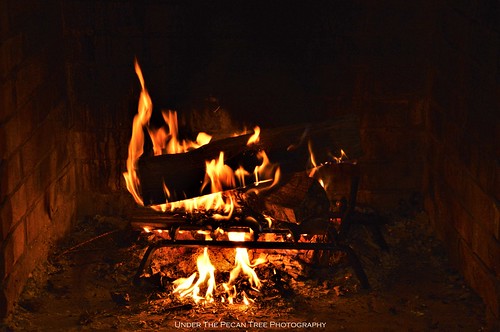
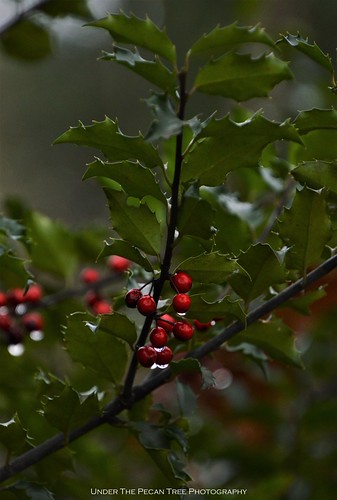

This morning was warm until the wind blew across the valley. It became much cooler in the afternoon. I made sure the birds, chipmunks, and squirrels would have plenty of food for the colder days and nights ahead. Meanwhile, we started our first fire of the new year. Now, one of my Kringle Winter candles is lit. And the room is warm and cozy.
~ 01/02/2022 ~
☀❄☀❄☀❄☀❄☀❄☀❄☀❄☀❄☀❄☀❄☀❄☀❄☀❄☀❄☀❄☀❄☀❄☀❄



☀❄☀❄☀❄☀❄☀❄☀❄☀❄☀❄☀❄☀❄☀❄☀❄☀❄☀❄☀❄☀❄☀❄☀❄
❄☃❄☃❄☃❄☃❄☃❄☃❄☃❄☃❄☃❄☃❄☃❄☃❄☃❄☃❄☃❄☃❄☃❄☃


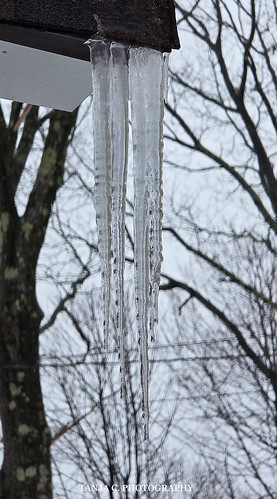
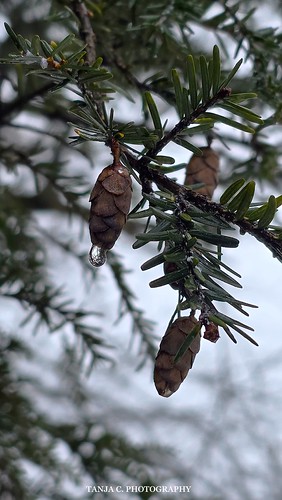

❄☃❄☃❄☃❄☃❄☃❄☃❄☃❄☃❄☃❄☃❄☃❄☃❄☃❄☃❄☃❄☃❄☃❄☃
🎂🎉🍾🥂🎂🎉🍾🥂🎂🎉🍾🥂🎂🎉🍾🥂🎂🎉🍾🥂🎂🎉🍾🥂🎂🎉🍾🥂🎂🎉🍾🥂🎂🎉🍾🥂

🎂🎉🍾🥂🎂🎉🍾🥂🎂🎉🍾🥂🎂🎉🍾🥂🎂🎉🍾🥂🎂🎉🍾🥂🎂🎉🍾🥂🎂🎉🍾🥂🎂🎉🍾🥂

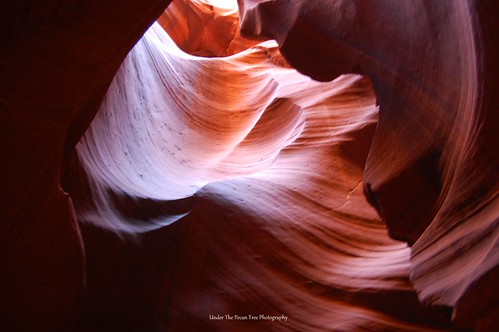
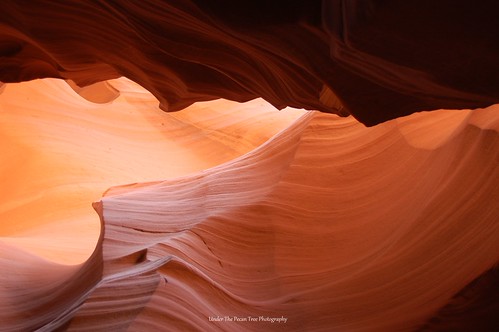

The study of rocks was first introduced by the Ancient Greek Theophrastus in his work, “Peri Lithon” (“On Stones”), and became the cornerstone of geology for other interested scientists. The study was advanced by Pliny the Elder, who recorded numerous minerals and metals in great detail, with a particular focus on their practical use. Although working without the tools we use today, Pliny correctly identified amber’s origin as fossilized tree resin.
It wasn’t until 1603 that the word ‘geology’ was used for the first time by Italian naturalist Ulisse Aldrovandi. It took a further 150 years for the first geological maps to be drawn by British geologist William Smith, whose work began by ordering rock layers by examining the fossils contained in them.
Then, in 1785, James Hutton wrote and presented a paper to the Royal Society of Edinburgh called ‘Theory of the Earth’, which outlined his belief that the world was far older than previously thought. His breakthroughs make him widely considered the first modern geologist.
In 1809, William Maclure produced the first geological map of the USA, a task he completed thanks to two painstaking years spent personally traversing the country. With the invention of radiometric dating in the early 20th century, scientists could finally provide an accurate figure for the age of the Earth by tracing the radioactive impurities found in rocks. It helped scientists to see that the Earth is one ancient rock indeed!
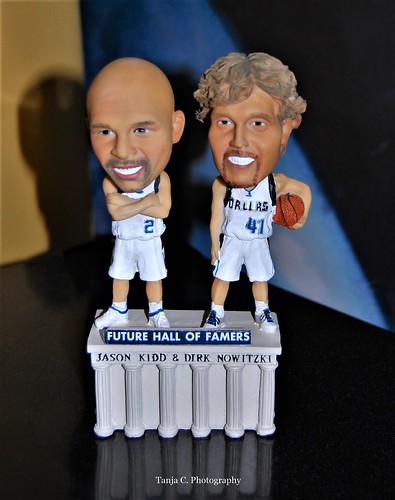
For over 100 years, bobbleheads have been entertaining and fascinating fans and collectors. They come in a variety of shapes and sizes, too. Bobbleheads commemorate iconic teams, movies, and cartoon characters. Individually, they represent some of our most exciting athletes or thrilling television and movie characters.
Early bobbleheads, known as bobbers or nodders, developed in Germany. They took root in the United States pop culture in the 1950s and 60s. Bobbleheads resurged in the late 1990s when professional sports teams began using them as promotional items. Today, as toys and collectibles, bobbleheads continue to amuse and captivate us.
:https://www.nationaldaycalendar.com/national-day/national-bobblehead-day
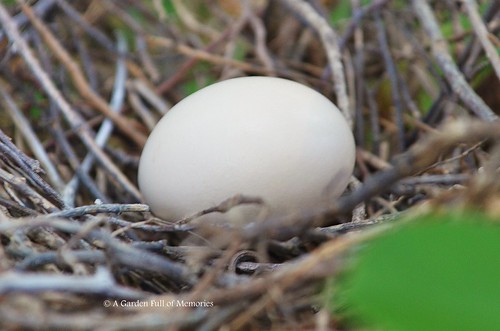
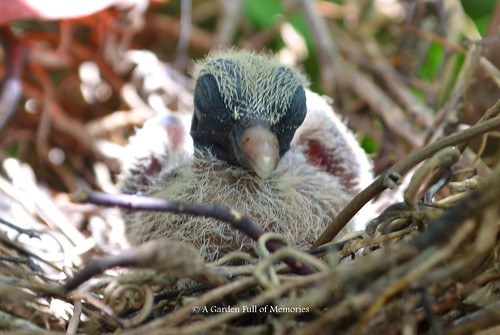
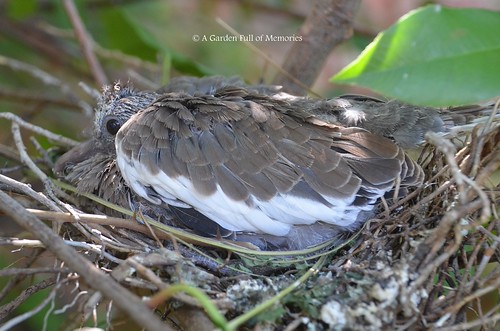
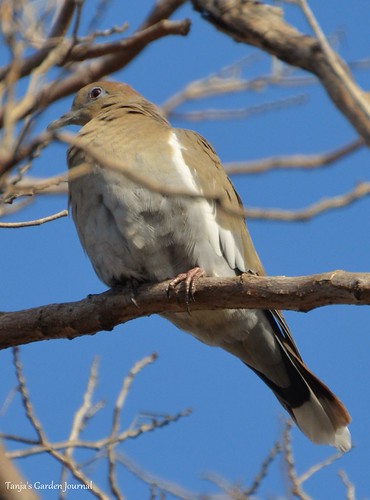
The White-winged Doves (Zenaida asiatica) – also known as Singing or Mesquite Doves – are large, semi-tropical, and pigeon-like doves that occur naturally in the Americas. They are sometimes considered conspecific (one and the same species) with the West Peruvian Dove (Zenaida meloda); however, differences in vocalizations and morphology are credible arguments against this theory. In fact, they may best be placed into the bird genus Columba (typical pigeons) than the dove genus Zenaida (American doves).
White-winged Doves occur naturally in the United States from the Southwest east to Texas and Louisiana, south to Mexico, Central America, and the Caribbean, into parts of western South America. Introduced populations have established themselves in Florida, USA. They have been increasing their range northward. In fact, they have been reported as far north as Alaska to Ontario, Maine, Newfoundland, and most places in between. Most of them are seasonally migratory. They breed in the United States and northern Mexico and travel south to Mexico, Central and South America, and some Caribbean islands for the winter. However, those populations occurring in areas where food is available year-round – in the southern parts of their range – tend to be year-round residents. They inhabit scrub, woodlands, desert, citrus orchards, agricultural fields, and residential areas throughout their range. Many farmers in Mexico refer to them as “la plaga” (the plague) as large flocks – sometimes thousands of them – may descend upon a single field of grain, and decimate it (particularly after the breeding season).

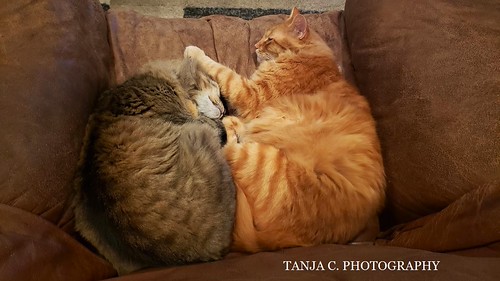
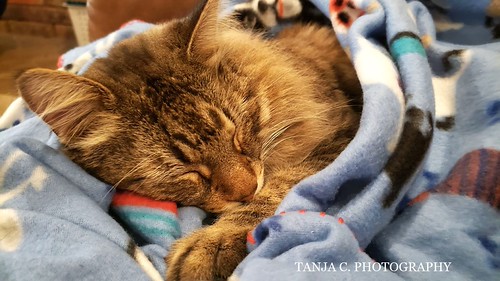
January typically has some of the coldest days of the year, so what better way to stay warm and reap the health benefits of cuddling on National Cuddle Up Day? Whether it’s a three-dog night (a night so cold it takes three dogs to cuddle up with to stay warm) or only slightly chilly, there are multiple benefits to cuddling with a human canine or other pet.
Cuddling releases oxytocin. This hormone alone has tremendous health benefits. Besides giving us warm and fuzzy feelings, oxytocin reduces pain. So when the cold has made those muscles and joints ache, cuddling can help reduce those aches and pains. Oxytocin also helps reduce heart disease, blood pressure, stress, and anxiety. Of course, insurance carriers would probably cover cuddling if it weren’t free since it’s such a huge health benefit!
:https://www.nationaldaycalendar.com/national-day/national-cuddle-up-day

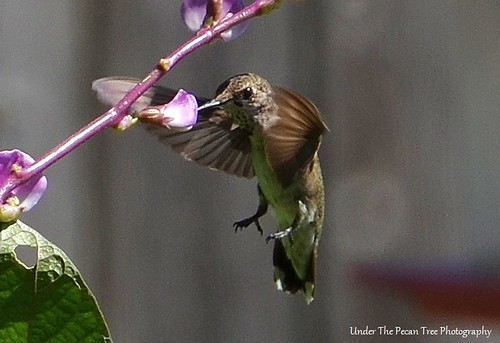
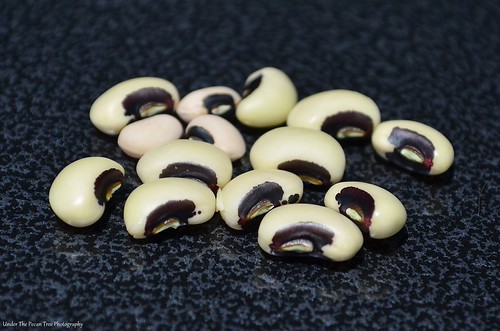
Because National Bean Day on January 6 falls in the middle of winter, it’s the perfect excuse to cook a favorite comfort food. Wondering why National Bean Day is held on January 6? That’s the same day the famous geneticist Gregor Mendel died in 1884. Mendel used bean and pea plants to develop theories on plant genetics. So the formation of National Bean Day has more to do with scientific development than how good bean recipes taste. But don’t let that deter you from enjoying eating beans this holiday!
🍎🌳🍏🍎🌳🍏🍎🌳🍏🍎🌳🍏🍎🌳🍏🍎🌳🍏🍎🌳🍏🍎🌳🍏🍎🌳🍏🍎🌳🍏🍎🌳🍏🍎🌳🍏
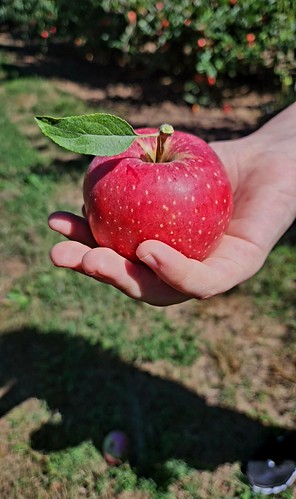
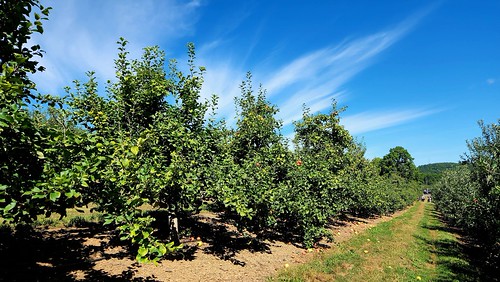
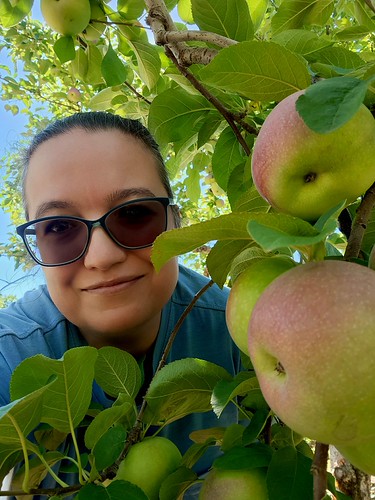

We celebrate Apple Tree Day on January 6 to honor the great tradition of growing and cultivating apples across North America. Introduced to the region by colonists in the 17th century, apple farming has led the U.S. fruit production industry for a century. From cider to pies, the apple is a highly versatile fruit with tremendous health benefits and a mouthwatering taste. Although they don’t need any extra marketing, apples still deserve this annual recognition for being the quintessential American fruit, found in our homes throughout the year. So mull that cider and fill your homes with that sweet aroma as we come together to celebrate this great holiday.
:https://nationaltoday.com/apple-tree-day/
🍎🌳🍏🍎🌳🍏🍎🌳🍏🍎🌳🍏🍎🌳🍏🍎🌳🍏🍎🌳🍏🍎🌳🍏🍎🌳🍏🍎🌳🍏🍎🌳🍏🍎🌳🍏



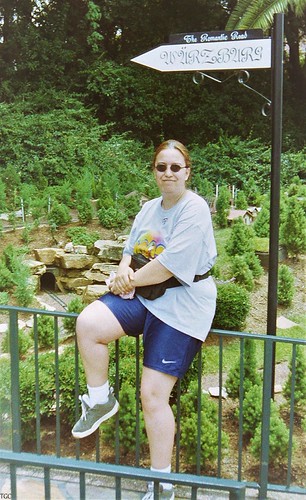


On Day 2, Kevin and I went to EPCOT. We walked quite a bit in the park. The World Showcase includes the countries: Mexico, Norway, China, Germany, Italy, the United States of America, Japan, Morocco, France, the United Kingdom, and Canada. Because there was so much to see, we walked only from Mexico to Japan that day. However, I had the chance to meet Snow White and see my Hometown sign in Germany. I was born and raised in Würzburg, Germany. The city is at the northern end of the Romantic Street.
After a late lunch, we rode the Monorail to Magic Kingdom to spend the afternoon there.
… to be continued …
☀❄☀❄☀❄☀❄☀❄☀❄☀❄☀❄☀❄☀❄☀❄☀❄☀❄☀❄☀❄☀❄☀❄☀❄
☀❄☀❄☀❄☀❄☀❄☀❄☀❄☀❄☀❄☀❄☀❄☀❄☀❄☀❄☀❄☀❄☀❄☀❄
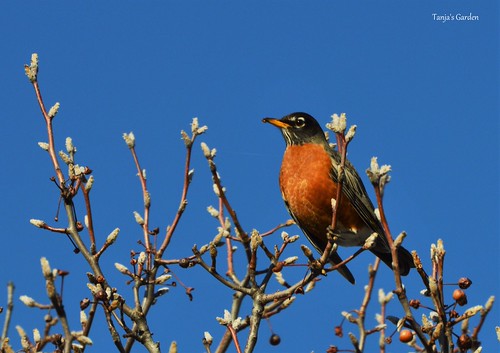

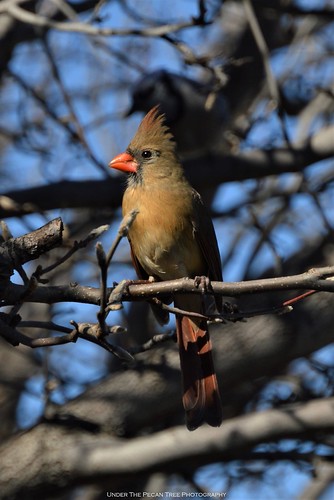
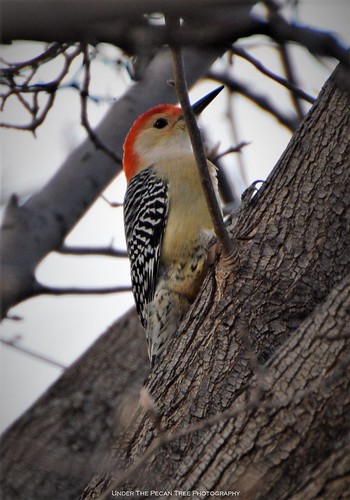
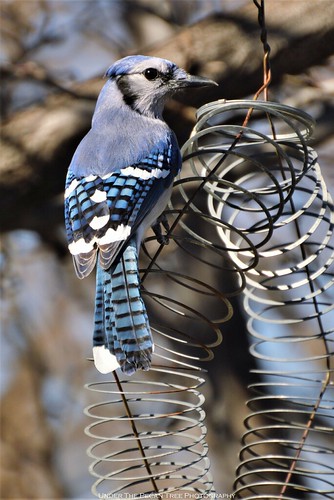
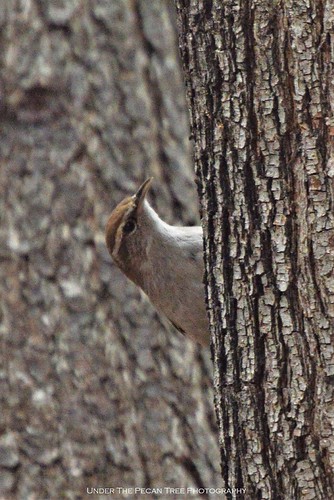
Whether they’re your backyard’s star cardinal or the common pigeons that flock to and fro in the park, birds have always held a spot of fascination, love, and adoration in our hearts. There’s a certain awe that can only be tapped into when watching an eagle soar. Unfortunately, most birds are either endangered or protected, which is mostly due to habitat loss or illegal pet trade.
That’s why the Avian Welfare Coalition created National Bird Day: to raise awareness of the hardships and plights of these important animals and how we can initiate the change needed to create a healthier, more sustainable relationship with them.
Birds are often considered living links to the past, being the closest related animals to the evolution of dinosaurs. They’re often keystone species in the ecosystems, signifiers of their health and vitality. For example, the holes left behind by woodpeckers are often used as homes for a large variety of other animals. That means if woodpeckers were to run out of a food source – or out of the right kinds of trees – so, too, would all the animals dependent on their pecking skills.
While National Bird Day may be relatively new, having been founded in 2002, the adversity that birds have had to face is nothing novel to the animal kingdom. Just ask the Dodo, the Labrador Duck, or the Passenger Pigeon, considered sacred by many Native American tribes and often the subject of many works of American art until its demise.
❄☃❄☃❄☃❄☃❄☃❄☃❄☃❄☃❄☃❄☃❄☃❄☃❄☃❄☃❄☃❄☃❄☃❄☃


❄☃❄☃❄☃❄☃❄☃❄☃❄☃❄☃❄☃❄☃❄☃❄☃❄☃❄☃❄☃❄☃❄☃❄☃
❄☃❄☃❄☃❄☃❄☃❄☃❄☃❄☃❄☃❄☃❄☃❄☃❄☃❄☃❄☃❄☃❄☃❄☃




❄☃❄☃❄☃❄☃❄☃❄☃❄☃❄☃❄☃❄☃❄☃❄☃❄☃❄☃❄☃❄☃❄☃❄☃



About 36 million people around the world are blind. By 2050, the number of people diagnosed with blindness is predicted to rise to 115 million. Those who are blind or who have severe vision impairments face many challenges in life. Some of these challenges include navigating new environments, using a computer, handling cash, and arranging clothes.
Blind people have ways to successfully deal with many of these situations. In today’s world, advanced technology and voice activation make a blind person’s life much more manageable. But one invention, in particular, has helped countless numbers of blind people. This invention is called braille and it was developed nearly 200 years ago. Braille gives blind people the ability to read and even write letters. The system consists of raised dots that form letters and words, which are read by touch.
Louis Braille invented the reading system of raised dots in 1824. Born on January 4, 1809, in France, Louis lost his sight after an accident in his father’s harness shop at the age of three. He would later attend the National Institute for Blind Children in Paris. There, his interest in music would benefit him when, at the age of 10, he met Charles Barbier, a captain in Napoleon’s army. The captain taught the students about a communication code using dots called Night Writing. Combining his knowledge of music and the inspiration of code communication, Louis Braille invented a 6-dot fingertip reading system when he was only 15 years old.
In 2009, the World Blind Union and its partner organizations celebrated the 200th anniversary of the birth of Louis Braille. The celebration evolved into World Braille Day. In 2018, the UN General Assembly decided to make it an official observance by proclaiming January 4th as World Braille Day. January 4th commemorates the birthdate of Louis Braille. The UN celebrated the first official World Braille Day in 2019.
:https://www.nationaldaycalendar.com/international/world-braille-day-january-4






~ The End ~
:http://www.earthspiritpath.org
🌑🌒🌓🌔🌕🌖🌗🌘🌑

Aside from the fact that “The Hobbit” and “The Lord of the Rings” directly influenced the entire fantasy genre and opened the door for the creativity of writers like David Eddings, Robert Jordan, and Ursula K. LeGuin, among many more, many critics describe Tolkien’s magnum opus as an allegory combining the horrors of World War I with the sweeping societal change of pastoral life’s gradual crumbling under the weight of industrialism. Respectively, think of the sweeping battle scenes in LOTR, and then the hazy summer of the Shire compared with the blighted, tree-bare landscape of Saruman’s domain.
The clash of these opposing worldviews and the way Tolkien masterfully depicted it, amplified by the series of Peter Jackson films and their visual splendor, makes it no surprise that the Tolkien Society, founded in 1969, is still around today. The author interacted with the Society in its early days, his assistant phoning their leadership in 1972 after they sent him a container of top-shelf tobacco in honor of his becoming a Commander of the Order of the British Empire; she said that he’d considered the gift to be the highest honor of the whole to-do.
Of course, it was the Tolkien Society that declared its commitment to publicly celebrate Tolkien’s birthday with a toast each year on January 3. So, after breakfast is out of the way, along with “second breakfast” and “elevensies,” lunch, and a puff of Longbottom Leaf, have a friend over and drink to the juggernaut of fantasy fiction. The professor!

Perihelion is an astronomical occurrence that happens around two weeks from the December Solstice. Even though it is winter in the Northern Hemisphere during this period, Earth reaches the closest point of over 91 million miles to the sun on this day. Perihelion does not directly affect Earth’s temperature; it does not make us feel any warmer, nor does it provide respite from the chilling temperature. However, it does indirectly affect seasons because Earth’s orbital speed is at its maximum at perihelion. On this day, the sun appears the largest in the sky for the entire year, gradually growing smaller through the remainder of the year.
In 1246, Perihelion Day was on the December Solstice. Every 58 years since then, the date has changed by a day. Perihelion Day varies each year due to precession and orbital factors that follow specific cyclical patterns known as the Milankovitch cycles. Another cause is the moon’s presence, which can make the date vary by up to two days from one year to another. While the Earth-Moon barycenter moves on a stable orbit around the sun, Earth’s center, which is around 2,900 mi from the barycenter, can shift in any direction from it, thus affecting the actual time of the perihelion.
🌷🌹💧🌷🌹💧🌷🌹💧🌷🌹💧🌷🌹💧🌷🌹💧🌷🌹💧🌷🌹💧🌷🌹💧🌷🌹💧🌷🌹💧🌷🌹💧


🌷🌹💧🌷🌹💧🌷🌹💧🌷🌹💧🌷🌹💧🌷🌹💧🌷🌹💧🌷🌹💧🌷🌹💧🌷🌹💧🌷🌹💧🌷🌹💧



◊◊◊◊◊
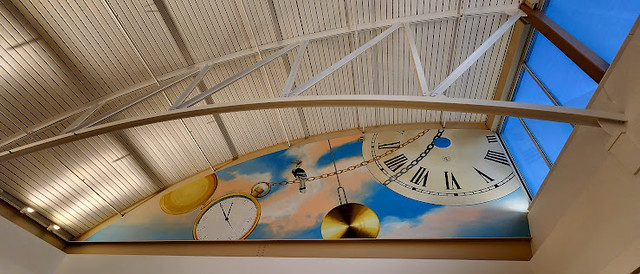
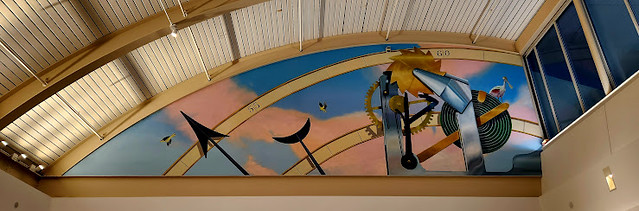
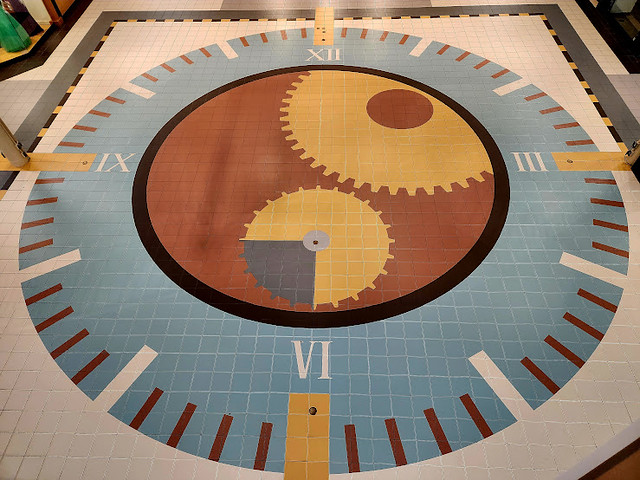
Kevin and I went to the Brass Mill Center to get some steps in after we had lunch at Chili’s. Every time we go to the mall, more and more stores are closed. Only a few hair and nail salons, a couple of boutiques, a perfume store, a Dollar store, AT&T, a couple of vendors, the food court, and the Apple Cinema are still open. It begins to look quite sad in that place. However, with the freezing temperatures outdoors, it was comfortable to walk in the mall.
🍾🐈🍾🐈🍾🐈🍾🐈🍾🐈🍾🐈🍾🐈🍾🐈🍾🐈🍾🐈🍾🐈🍾🐈🍾🐈🍾🐈🍾🐈🍾🐈🍾🐈🍾🐈
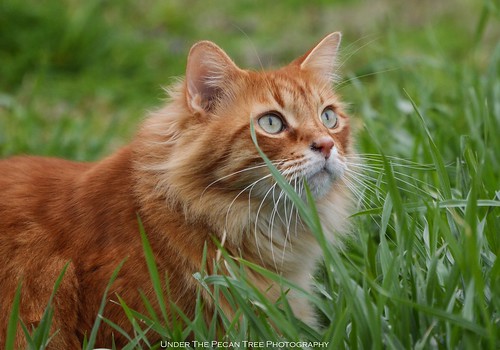
Many holidays here on Days Of The Year are all in good fun. But the truth is that many animal-related holidays can also help raise awareness about the millions of unwanted, unloved, neglected, and abused pets that end up in animal shelters across the nation, spend months or even years there, and are eventually put to sleep for lack of funds to keep them alive. So if you haven’t got your own perfect feline ruler yet, it’s time to take action now!
Of course, if you do, then this is the perfect time to spoil your cat with fish and all sorts of other cat delicacies, but if not… Help reduce the number of pets euthanized waiting for their “fur-ever” home by adopting an abandoned cat! As you’re welcoming the New Year into your life, won’t you consider opening your heart and your home to a new four-legged friend as well? Cats can serve many purposes around the home — they are natural, avid hunters, so they can easily resolve any mouse invasion problem you might be experiencing quickly and, well, with pleasure. Cats are also just plain fun to have around the home—they’re the perfect mix of both fun and silly.
They chase shadows and the light of flashlights. They always seem to know the right time to cuddle when you’re feeling sad or lonely. They’re graceful and beautiful and just a pleasure to watch. They groom constantly, making their fur silky smooth to the touch… There are so many reasons to adopt a cat into your home! So if you haven’t done this yet, go down to your local animal shelter today and find the kitty that’s been waiting there for you for weeks or even months, and take her home! Nothing beats the gratitude of a cat, guaranteed! You may have all sorts of New Year’s resolutions that may or may not work out, but adopting a cat is something you will never regret, and the cat will never forget.
:https://www.daysoftheyear.com/days/happy-mew-year-day-for-cats/
🍾🐈🍾🐈🍾🐈🍾🐈🍾🐈🍾🐈🍾🐈🍾🐈🍾🐈🍾🐈🍾🐈🍾🐈🍾🐈🍾🐈🍾🐈🍾🐈🍾🐈🍾🐈




❄☃❄☃❄☃❄☃❄☃❄☃❄☃❄☃❄☃❄☃❄☃❄☃❄☃❄☃❄☃❄☃❄☃❄☃



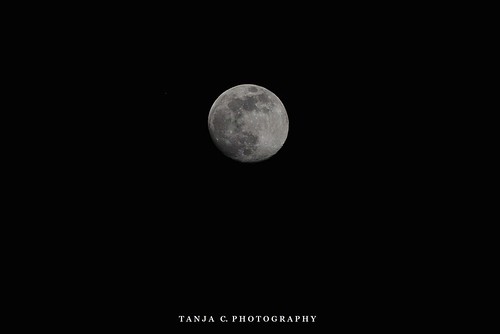
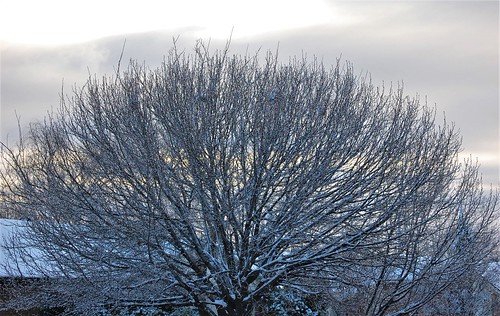
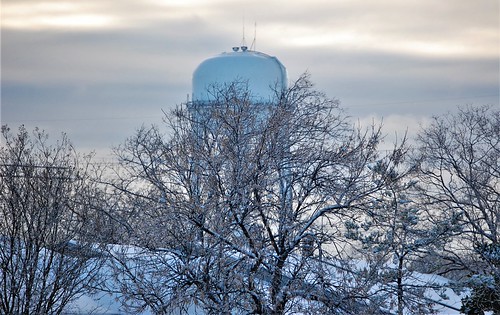
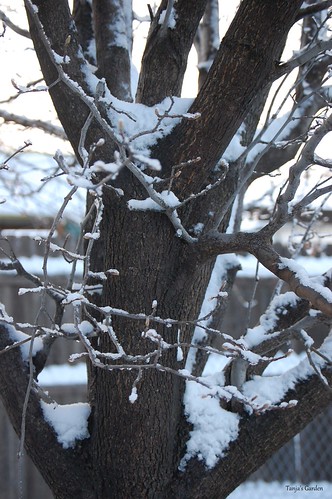
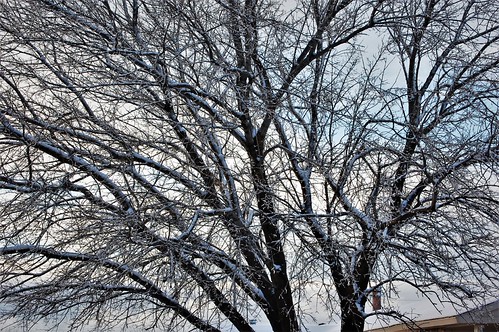
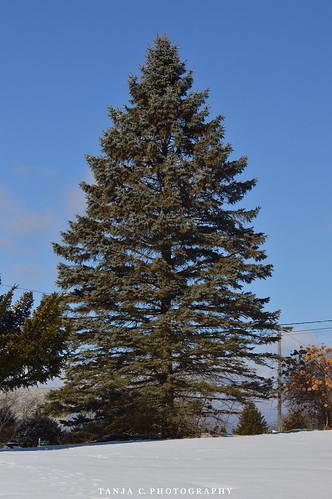
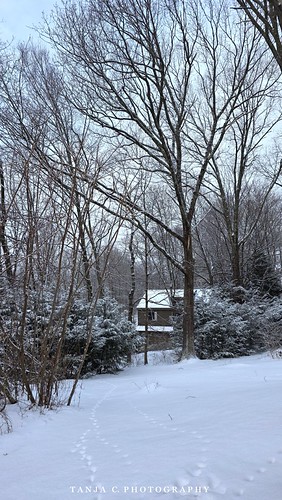
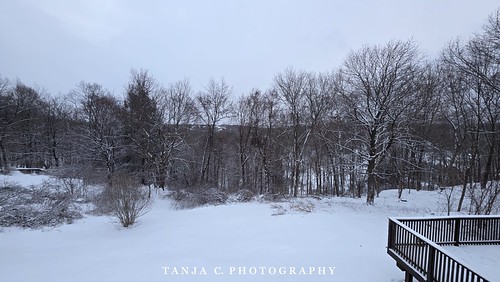
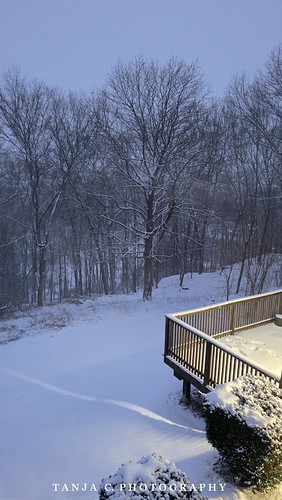
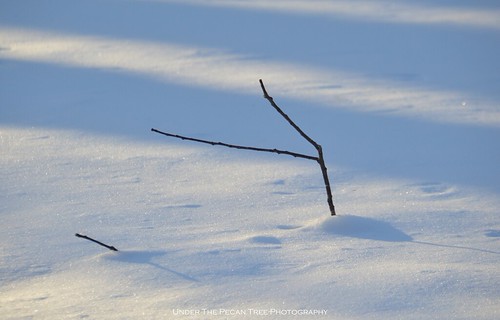
It snowed in the early morning hours. We got rewarded with sunshine for the rest of the day, and clear skies in the evening.
❄☃❄☃❄☃❄☃❄☃❄☃❄☃❄☃❄☃❄☃❄☃❄☃❄☃❄☃❄☃❄☃❄☃❄☃
❄☃❄☃❄☃❄☃❄☃❄☃❄☃❄☃❄☃❄☃❄☃❄☃❄☃❄☃❄☃❄☃❄☃❄☃







❄☃❄☃❄☃❄☃❄☃❄☃❄☃❄☃❄☃❄☃❄☃❄☃❄☃❄☃❄☃❄☃❄☃❄☃
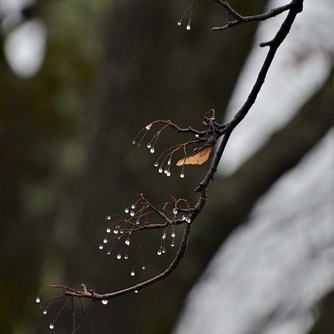
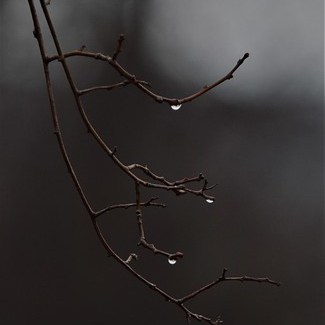
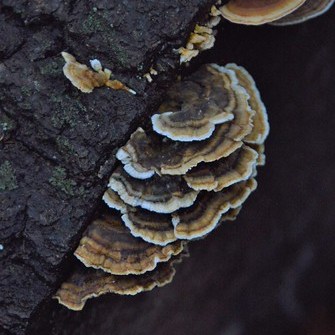
The new year began with fog, rain, and temperatures in the mid-50s (12℃) here in the Naugatuck River Valley. Since there was no wind, it felt warm outside. This allowed me to capture photos of some raindrops, seedpods, and small mushrooms. We’d better enjoy these temperatures. Tomorrow, it is supposed to freeze at night. And there might also be some snow in the forecast for this upcoming week.
– 01/01/2022 –
⛸❄⛸❄⛸❄⛸❄⛸❄⛸❄⛸❄⛸❄⛸❄⛸❄⛸❄⛸❄⛸❄⛸❄⛸❄⛸❄⛸❄⛸❄

National Skating Month is mainly sponsored by U.S Figure Skating and Learn to Skate U.S.A. The holiday was created to encourage families and individuals to brave their fears and learn ice skating for the first time. Both organizations offer various programs and ideas for celebrating the month.
In 2021, U.S Figure Skating introduced kits to other organizations. For instance, a $40 kit included four Skating Month posters, a bulletin board kit, a photo booth kit, lip balms, Frisbees, gloves, stickers, sticky notes, zipper pulls, printable activities, online marketing materials, resources, giveaways, and a Q.R. code sign.
As far back as the years before the Christian era, Scandinavian people attached bones to the bottom of their boots to make for easy movement during the winter period. In fact, ‘skate’ is derived from the word ‘schaats,’ which means ‘shank bone’ or ‘leg bone’ in Dutch. During the 13th and 14th centuries, wood was used in place of animal bones.
Ice skating moved from being just a means of transportation to an organized sport sometime around 1763 when the first official skating competition was held in England. The first official skating club had been founded before that, in Edinburgh in 1742.
Thanks to an American ballet dancer called Jackson Haines, skating went to the next level. He introduced new skating moves and a graceful style of skating. Though at first, his style wasn’t accepted by his fellow countrymen, he succeeded in transforming figure skating into what it is today.
:https://nationaltoday.com/national-skating-month/
⛸❄⛸❄⛸❄⛸❄⛸❄⛸❄⛸❄⛸❄⛸❄⛸❄⛸❄⛸❄⛸❄⛸❄⛸❄⛸❄⛸❄⛸❄

Did you know that bread is one of the most ancient prepared foods? Starch residue on rocks used for pounding plants was discovered 30,000 years ago in Europe and Australia. Quite possibly, during this time, starch extract from plant roots like cattails and ferns was spread on a flat rock, cooked over a fire, and shaped into a primitive form of flatbread.
Furthermore, the world’s oldest evidence of bread-making has been discovered in Jordan’s northeastern desert at a 14,500-year-old Natufian site. Ever since the people of Jordan possibly invented bread, the staple food has undergone many different changes and interpretations by various cultures, nations, and bakers. One such example is wheat bread, which is made from a combination of white and whole wheat flour, distinguishing it from bread made entirely from white or whole wheat flour.
Diets high in whole-wheat bread products help to prevent diabetes, cancer, heart disease, aging, and obesity. According to research, ground whole wheat has more nutritional value than refined flour. This is due to the presence of bran in whole grain, a good source of dietary fiber and other micronutrients such as vitamins B and E, magnesium, and zinc, as well as possibly antioxidants such as flavonoids. In 2011, January was officially designated as Wheat Bread Month, and as the “Hometown Journal” stated, “It recognizes both the economic and dietary importance of wheat production.”

In the deep chill of January, National Soup Month warms us up with piping-hot bowls of comfort! We all have our favorites; Mom’s chicken noodles don’t compare to anyone else’s, and Grandma’s borscht can’t be beat. A savory broth filled with vegetables and seasonings envelops the home with a delicious aroma. National Soup Month calls for family gatherings and enjoying a hearty meal together!
Soups not only warm us up on cold winter days, but they also fulfill our need for nutrients lost by working hard in the elements. If you’ve been out shoveling snow, chopping wood, or caring for animals, a soup full of vegetables, minerals, and oils replenishes the energy lost. Chicken noodle soup is known for its healing properties, as well. What better way to stay healthy than to eat a bountiful bowl of chicken tortilla or tomato soup?
And when we make a large kettle of soup, there’s plenty to share, making the soup a social meal. If there is soup left over, it stores and reheats easily.

Did you know tea is the second most-consumed beverage in the world? There are over 1,000 flavors. Hot Tea has influenced different countries’ cuisine for hundreds of years. Tea even plays a part in many countries’ culture and their representation of how to serve tea. Whether you follow the brewing traditions of the English or Chinese Customs, or you only microwave your tea, National Hot Tea Month is best celebrated with a cup.
🍾🥂🍾🥂🍾🥂🍾🥂🍾🥂🍾🥂🍾🥂🍾🥂🍾🥂🍾🥂🍾🥂🍾🥂🍾🥂🍾🥂🍾🥂🍾🥂🍾🥂🍾🥂

In the United States and many other countries around the world, January 1, the first day of the Gregorian calendar, ushers in a new year replete with New Year’s resolutions and promises to do better than in the year before. The day begins with hangover concoctions for some and, for others, prayers of gratitude for surviving to see a new year filled with promise. But how did this holiday begin? It’s an ancient story.
Most civilizations aligned their calendars with the moon. The ancient Mesopotamians and Babylonians observed the new year over 4,000 years ago. For them, a new year followed the phases of the moon and the vernal equinox — when sunlight and darkness were equally balanced. The Babylonians ritualized the vernal equinox with Akitu, a religious observance spanning 11 days. The Egyptians marked the new year with the flooded waters of the Nile and the star Sirius. To this very day, the Chinese New Year arrives with the second new moon after the winter solstice.
The evolution from the lunar calendar to today’s Gregorian calendar commences with the early Roman calendar devised by Romulus, allegedly suckled by wolves who, along with his brother, Remus, founded Rome. The original Roman calendar was introduced in the 8th century at the start of the vernal equinox (when the light and the darkness are equal) with 10 months and 304 days. Another Roman king, Numa Pompilius, added Januarius and Februarius.
Most historians credit the Roman emperor Julius Caesar with developing the Julian calendar, designating January 1 as the start of a new year. The Gregorian calendar, which many nations around the world use today, arrived in 1582 when Pope Gregory XIII aligned the calendar, not with the moon, but with the Earth’s rotation around the Sun, marking 365 days (366 days).
:https://nationaltoday.com/new-years-day/
🍾🥂🍾🥂🍾🥂🍾🥂🍾🥂🍾🥂🍾🥂🍾🥂🍾🥂🍾🥂🍾🥂🍾🥂🍾🥂🍾🥂🍾🥂🍾🥂🍾🥂🍾🥂
❄☃❄☃❄☃❄☃❄☃❄☃❄☃❄☃❄☃❄☃❄☃❄☃❄☃❄☃❄☃❄☃❄☃❄

❄☃❄☃❄☃❄☃❄☃❄☃❄☃❄☃❄☃❄☃❄☃❄☃❄☃❄☃❄☃❄☃❄☃❄
🍾🥂🍾🥂🍾🥂🍾🥂🍾🥂🍾🥂🍾🥂🍾🥂🍾🥂🍾🥂🍾🥂🍾🥂🍾🥂🍾🥂🍾🥂🍾🥂🍾🥂🍾🥂
🍾🥂🍾🥂🍾🥂🍾🥂🍾🥂🍾🥂🍾🥂🍾🥂🍾🥂🍾🥂🍾🥂🍾🥂🍾🥂🍾🥂🍾🥂🍾🥂🍾🥂🍾🥂
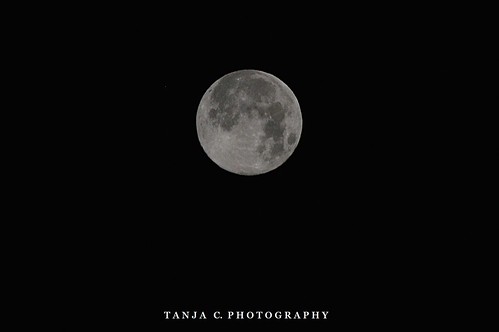
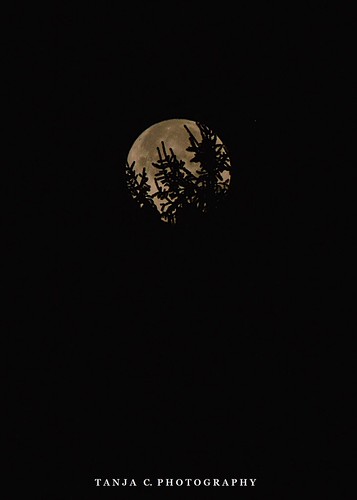

 Under The Harvest Moon