2025 · Wildlife Wednesday

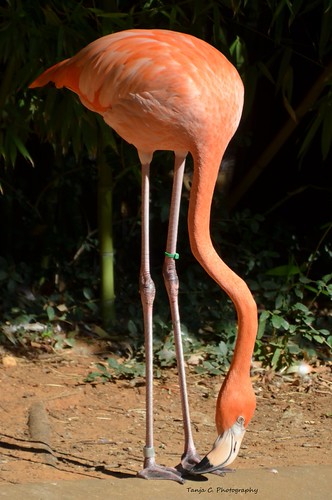
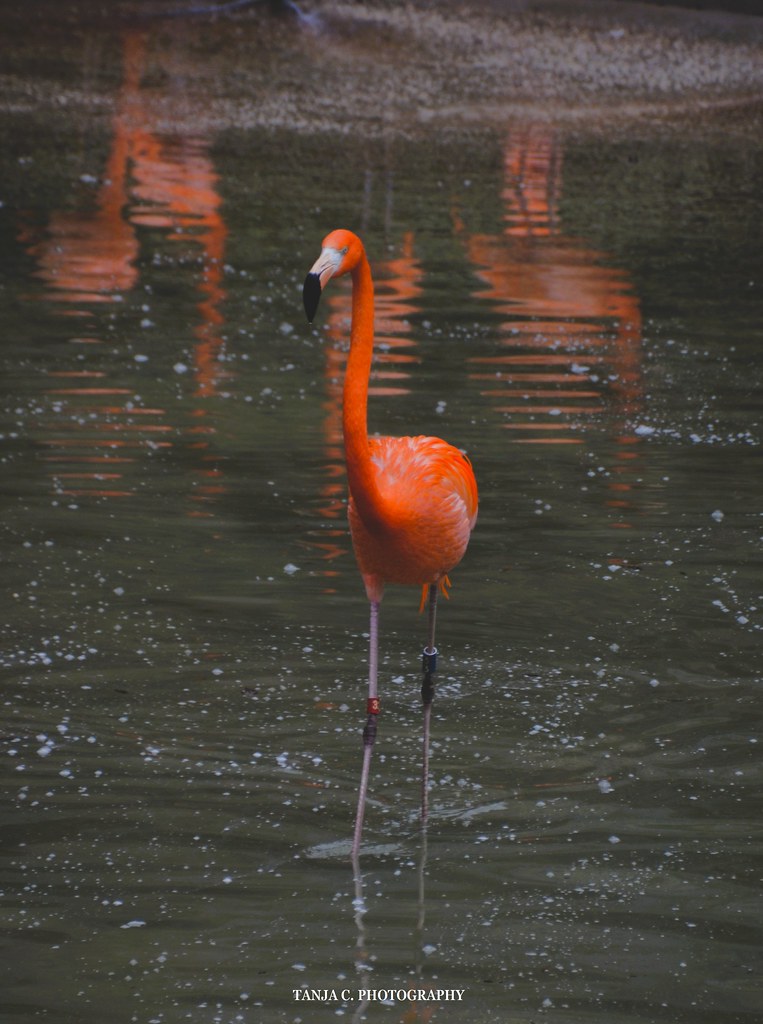
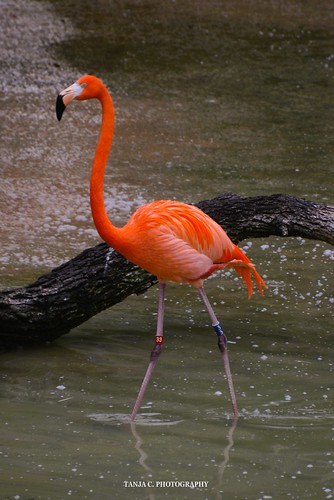
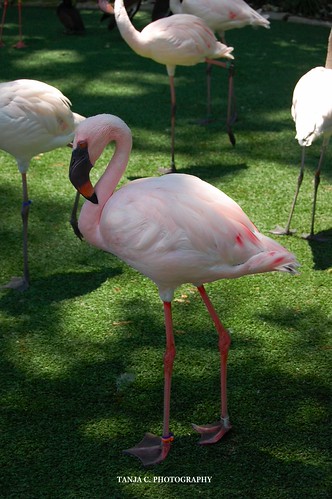
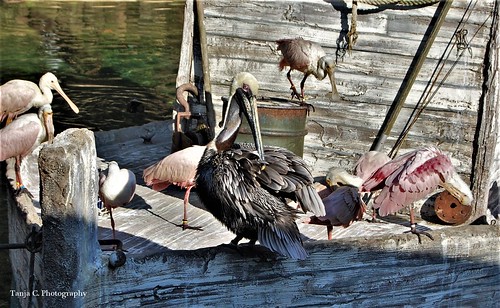
American Flamingo (Phoenicopterus ruber)

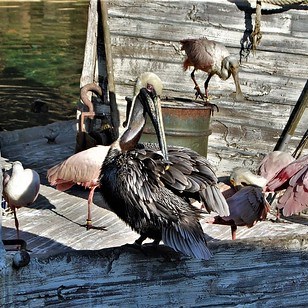
The American flamingo is a large bird with long pink legs and webbed feet. The plumage is a distinctive pink, with black on the flight feathers (the long feathers at the tips of the wings). The bill is pink and white with a black tip. The plumage coloring comes from the carotene that is found in the food that is eaten, such as brine shrimp. They live in large shallow lakes, lagoons, and mud flats in the Caribbean Islands, northern South America, the Yucatan Peninsula in Mexico, and the southern United States.

2025 · Dallas/Fort Worth

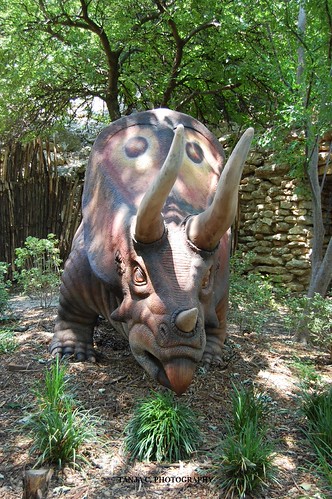
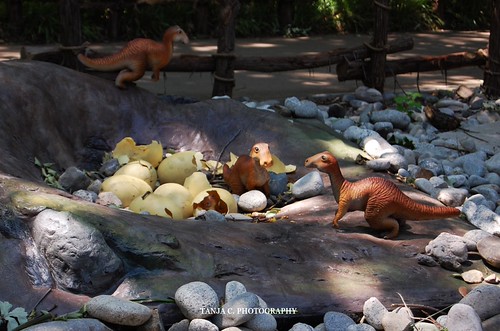
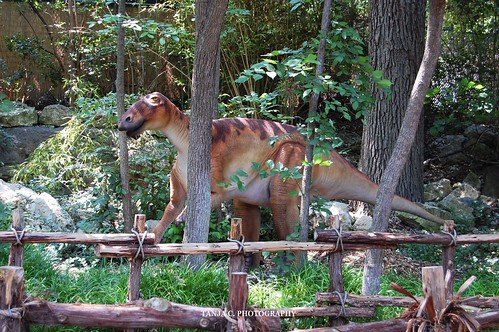
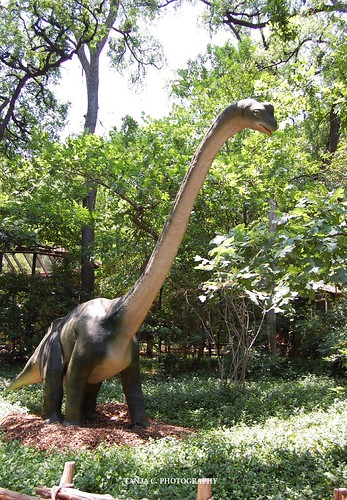
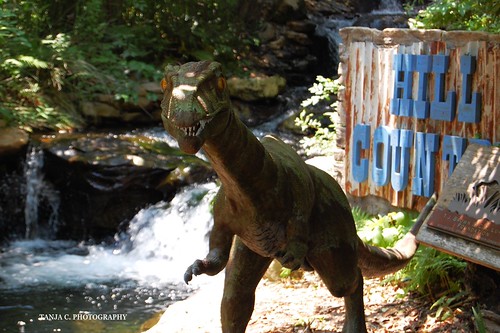
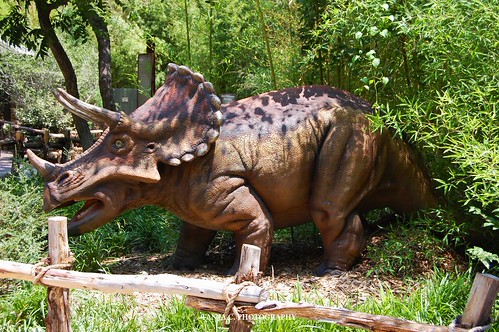
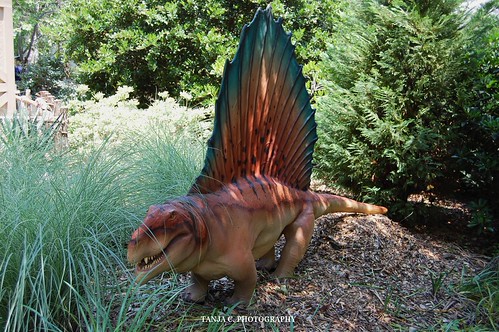
A Visit To The Fort Worth Zoo In May 2011 (3) ~ “Dinosaurs Unleashed”

🦕🦖🦕🦖🦕🦖🦕🦖🦕🦖🦕🦖🦕🦖🦕🦖🦕🦖🦕🦖🦕🦖🦕🦖🦕🦖🦕🦖🦕🦖🦕🦖🦕🦖🦕🦖

“Dinosaurs Unleashed” was a dinosaur expo at the Fort Worth Zoo in Spring/Summer 2011

🦕🦖🦕🦖🦕🦖🦕🦖🦕🦖🦕🦖🦕🦖🦕🦖🦕🦖🦕🦖🦕🦖🦕🦖🦕🦖🦕🦖🦕🦖🦕🦖🦕🦖🦕🦖

~ The End ~

2025 · National Day Calendar

World Rhino Day 2025 🦏

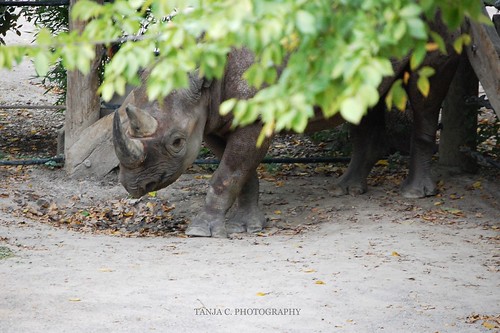
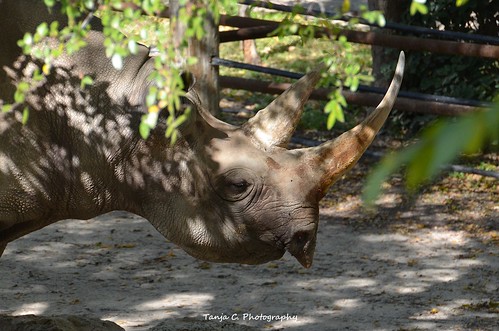
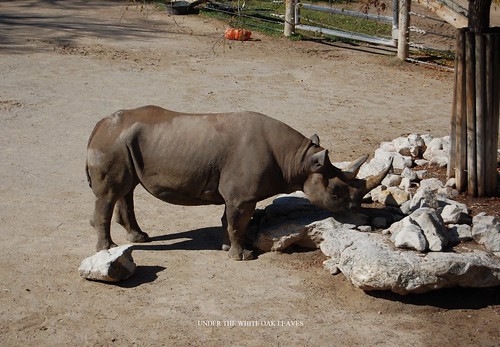
Black Rhinoceros

World Rhino Day was first celebrated on September 22, 2011, but was first announced by World Wildlife South Africa in 2010. It took the joint effort of Lisa Jane Campbell of Chishakwe Ranch in Zimbabwe and Rhishja Cota to pull this feat off in 2011. With the increasing rates of poaching of rhinoceros species, it was imperative to call together cause-related organizations, wildlife conservation centers, N.G.O.s, zoos, and concerned individuals to seek effective ways to stop rhino poaching and possibly preserve endangered species.

Rhinos are large mammals belonging to the rhinocerotidae family. They have no natural predators except humans. Rhino species worldwide are threatened and are on the brink of extinction, with more than 7,000 rhinos lost to poaching between 2008 and 2017 in South Africa, which is home to over 70% of the world’s rhino population. In 2011, the African black rhino species was declared extinct.

Every day, approximately three rhinos are killed and poached for their horns. Poachers use tranquilizers to disable the rhinos and inhumanely cut off their horns. The rhinos are then left to bleed to death. Anti-poaching efforts have been frustrated, as most poachers are armed with sophisticated weapons and blinded by greed to see the pain inflicted on the poor creatures. World Rhino Day is the perfect opportunity for us all to stand against the trade of rhino horns and preserve these incredibly magnificent creatures.

:https://nationaltoday.com/world-rhino-day/
2025 · National Day Calendar

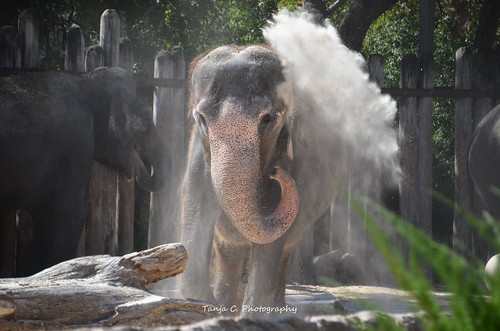
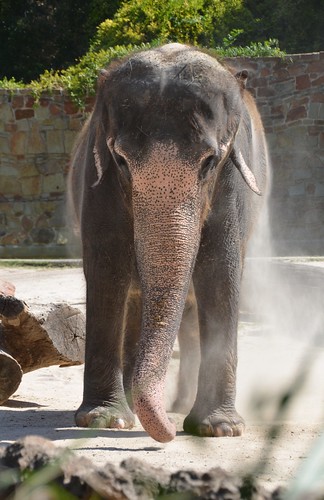
Elephant Appreciation Day 2025

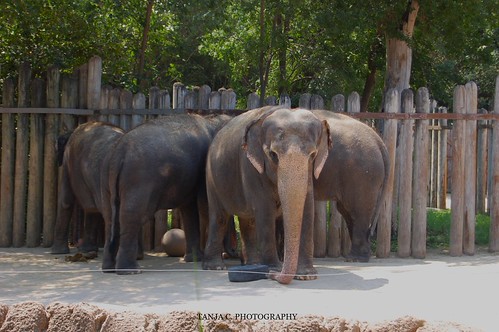
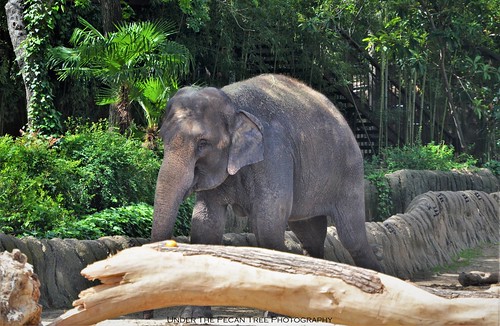
Indian Elephant in Fort Worth Zoo

Elephant Appreciation Day is an excellent opportunity to show these majestic and beautiful creatures the respect they deserve. Elephants are the largest land mammals on Earth, so it’s only right that they have a day completely dedicated to them. Sadly, humans are increasingly placing the elephant’s future at risk.

:https://nationaltoday.com/elephant-appreciation-day/
2025 · National Day Calendar

National Save A Tiger Month 2025

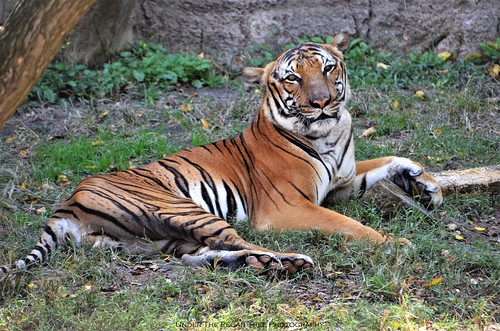
Malayan Tiger at Fort Worth Zoo

Tigers are said to have originated from the Panthera genus. The closest relative of today’s tiger and leopard, Panther, is thought to have separated from the species roughly 2.8 million years ago. Trinil Tiger fossils were discovered in Java and are estimated to be 1.2 million years old. Tigers had made their way to India and other parts of Asia, including Russia and Japan, after a few thousand years.

Tiger was not scientifically described until 1758. Tigers were spotted from the Himalayan foothills to Bali. Tigers were given their scientific name, ‘Felis Tigris,’ by biologist Carl Linnaeus about the same period. Panthera tigris was given to the ‘Felis Tigris’ species by British taxonomist Reginald Innis Pocock in 1929, who placed them in the genus ‘Panthera.’ The genomic sequence of tigers was published in 2013.

The International Union for Conservation of Nature (IUCN) listed tigers as an endangered species in 2015 and listed them under the IUCN Red List of Threatened Species. Some of the main reasons for the sharp decline in the tiger population are human-wildlife friction, habitat fragmentation, and poaching. In the 1990s, Tiger Conservation Units (T.C.U.) were established to preserve and protect areas that could support tiger populations.

September was chosen as National Save A Tiger Month by the World Wildlife Fund to remind people that the tiger population is under threat, and it is our responsibility to do our part in ensuring these magnificent creatures do not go extinct. Urban expansion and black market trade of tiger parts are a serious threat, and conservation efforts are made to stop this as much as possible.

:https://nationaltoday.com/national-save-a-tiger-month/

2025 · National Day Calendar

National Zoo Awareness Day 2025

The history of zoos dates back to the pharaohs of ancient Egypt. The intent, of course, was different. Back then, many rulers kept exotic animals — to either gift other rulers or for vanity’s sake. There was little to no effort in caring for the animals. Humans still lacked the requisite knowledge or will.

Over millennia, our understanding of the animal kingdom has evolved. We saw animal trainers and zookeepers emerge. However, the general idea of animals as exotic entertainment persisted. Gradually, new knowledge and tools for caring for animals became widespread; zoos and aquariums were born. Around the same time, the idea of humans caring for wildlife first took root and stayed.

By the 19th century, zoology had become a popular field of science. Private animal collections were frowned upon, becoming less and less popular over time. The modern zoo, as we know it today, grew from this evolution of thought. Even so, not all of them are the same.

There are zoos open to the public, while others are purely for conservation purposes. Many private zoos run breeding programs to protect critically endangered species from extinction. Other programs take in rescued animals that can no longer survive in the wild for various reasons.

As conscientious citizens, we must critically examine the zoos in our areas. What is the intent? Are there programs that benefit the animals and conservation? Does the zoo educate the community on wildlife and ecosystems? Are the animal enclosures mimicking natural habitats? National Zoo Awareness Day hopes to instill fascination, love, and respect for animals, particularly when they are in human care.

:https://nationaltoday.com/national-zoo-awareness-day/

2025 · National Day Calendar

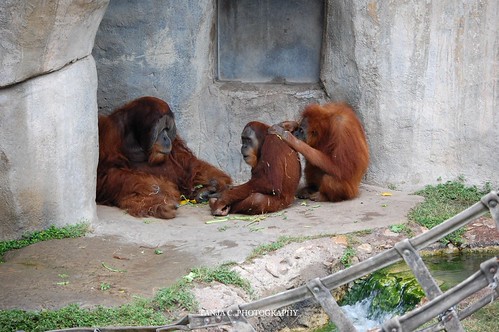
International Orangutan Day 2025 🦧

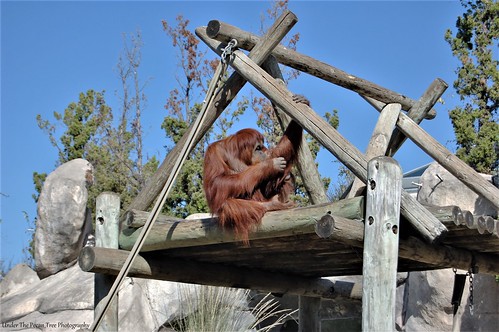
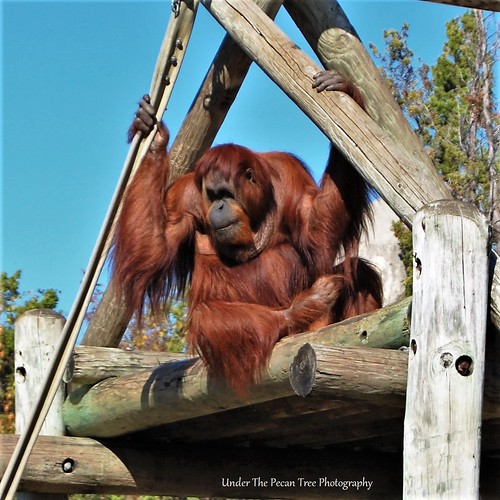
Orangutan at the Fort Worth Zoo

The exact year that International Orangutan Day was established is uncertain. The day is marked, however, to save species that are on the edge of extinction. The goal of International Orangutan Day is to raise awareness about the predicament of this species, which has progressed from endangered to critically endangered. Orangutans have been around for millions of years and are thought to be the ancestors of gorillas. They are large apes that spend the majority of their time in trees and are only found in the jungles of Borneo and Sumatra. The two species that live there were formerly thought to be the same.

Further research has shown that they are two distinct species that separated some 400,000 years ago. Orangutans have enormous arm lengths that reach about seven feet from tip to tip, which is impressive given that they only stand around five feet above the ground. When orangutans stand up straight, their hands are almost touching the ground. Their long arms complement their arboreal lifestyle, letting them move from tree to tree and construct shelters from the canopy’s massive leaves. Because orangutans spend 90 % of their time in the treetops looking for food, deforestation is highly damaging to them. Orangutans are mostly herbivores, but omnivorous orangutans will eat bark, insects, and even meat if available.

The tropical rainforest had been destroyed due to the farms’ improper management. Furthermore, the farmers consider the orangutans to be a nuisance and either kill them or burn the forest down. There have only been 20,000 survivors since 2006, but there should be more now. As a result, deforestation is the fundamental cause of such a tiny number of orangutans, and if it continues, the big apes will become extinct sooner. Raising awareness by commemorating International Orangutan Day can assist in increasing the possibility of this endangered species being rescued.

Unfortunately, humans are the greatest threat to the survival of orangutans. Deforestation, for example, encroaches on their habitat. In addition, illicit hunting claims the lives of 3,000 orangutans each year. Some wildlife specialists believe the orangutan will become extinct in the wild over the next 50 years. However, several organizations are working to conserve orangutans. The Centre for Orangutan Protection, the Sumatran Orangutan Society, The Orangutan Project, Orangutan Outreach, and the Humane Society are a few of these organizations.

: https://nationaltoday.com/international-orangutan-day/
2025 · National Day Calendar

World Elephant Day 2025 🐘

Elephants and humans have come a long way together throughout the history of civilization. Thanks to the sheer expanse of the African elephant’s natural environment, as well as its size and threatening posture, it has largely managed to resist captivity and domestication. The Asian elephant, on the other hand, which has lived alongside humans for over 4,000 years, enjoys great respect and is associated with various cultural and spiritual customs. In Thailand, for example, the elephants are a national icon with a national holiday dedicated entirely to them, and they can even receive a royal title from the king.

Despite all of the above, we still don’t know much about elephants. They have the biggest brains of any land animal, making them clever, conscious, social, and empathetic — qualities humans strive for in themselves. Humans and elephants share many characteristics, and they are possibly more like us than any other animal. But we are putting their future in jeopardy and threatening their essential biodiverse habitats throughout Asia and Africa.

Elephants are a keystone species in their environments, as they promote healthy ecosystems and encourage biodiversity. As the World Elephant Day website says, “To lose the elephant is to lose an environmental caretaker and an animal from which we have much to learn.”

We can save elephants by enforcing stronger local- and international protection policies and legislation for wild elephants against poaching and the illegal trade of ivory, promoting better management of their natural habitats, educating people on the vital role of the elephant in ecosystems, improving the way elephants in captivity are treated, and, if necessary, reintroducing captive elephants into wildlife reserves to allow a natural replenishing of endangered populations. These are just some of the aims of various elephant conservation organizations around the world.

Elephants are running out of space and time. We have to work together to prevent senseless poaching and the trafficking of ivory, and establish protected natural sanctuaries in which elephants and other wildlife can thrive — before it’s too late and they’re all gone.

:https://nationaltoday.com/world-elephant-day/