
🎄🌲🎄🌲🎄🌲🎄🌲🎄🌲🎄🌲🎄🌲🎄🌲🎄🌲🎄🌲🎄🌲🎄🌲🎄🌲🎄🌲🎄🌲🎄🌲🎄🌲🎄🌲
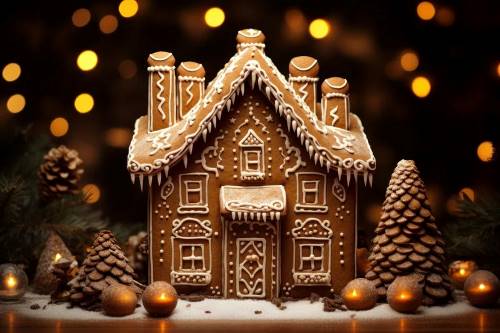
Nothing brings in the holidays like the smell of freshly baked gingerbread. But before the decorative cookie led the popularity contest on the holiday dessert table, baking gingerbread was acknowledged as a specific profession. In the 17th century, only professional gingerbread bakers were allowed to make gingerbread, except at Christmas and Easter, when anyone was allowed to bake it.
In Europe, gingerbread was sold in special shops and at seasonal markets that sold sweets and gingerbread shaped as hearts, stars, soldiers, babies, trumpets, swords, pistols, and animals. Gingerbread was especially sold outside churches on Sundays. Religious gingerbread reliefs were purchased for particular religious events such as Christmas and Lent. Decorated gingerbread was given as presents to adults and children or as a love token bought specifically for weddings.
Gingerbread was also considered a form of popular art in Europe. Molds often displayed actual happenings by portraying new rulers, their children, spouses, and parties. Substantial mold collections are held at the Ethnographic Museum in Toruń, Poland, and the Bread Museum in Ulm, Germany. According to some food historians, the tradition of making gingerbread houses started in Germany in the early 1800s. The first gingerbread houses were the result of the well-known Grimm’s fairy tale “Hansel and Gretel.” After this story was published, German bakers began baking ornamented fairy-tale houses made from gingerbread. They were brought over to America by German immigrants and became popular during the Christmas season.
:https://nationaltoday.com/gingerbread-house-day/
🎄🌲🎄🌲🎄🌲🎄🌲🎄🌲🎄🌲🎄🌲🎄🌲🎄🌲🎄🌲🎄🌲🎄🌲🎄🌲🎄🌲🎄🌲🎄🌲🎄🌲🎄🌲

 Under The Harvest Moon