2025 · National Day Calendar

Monkey Day 2025 🐒

Golden Lion Tamarins at the Dallas Zoo in Texas

It’s a difficult task to pinpoint the exact moment that monkeys first emerged as a unique species within the animal kingdom, but it is believed that their appearance took place approximately 60 million years ago. This vast amount of time would pass, month by month by millennium, both creeping and speeding along, without the existence of a National Monkey Day! At long last, though, thanks to two pioneering college students, this would change in the year 2000.

Casey Sorrow and Erik Millikin, both studying art at Michigan State University, are responsible for the creation of this simian-centric celebratory day. Sorrow (fittingly) would admit to the Detroit Metro Times that he experienced a form of malaise around the holiday season and felt compelled to find a way to combat these December blues. After jokingly jotting down “Monkey Day” in a friend’s calendar, Sorrow took the idea and ran with it: when December 14th rolled around, he and his art school friends dressed up as monkeys and ran amok, putting on their best monkey impressions.

They would go on to incorporate ideas related to their newly formed holiday into their artwork and homemade comics. Publishing these pieces online allowed for the notion of a Monkey Day to spread, and now, decades on, the day is observed throughout the world in countries including Germany, India, and Thailand.

What started out as a bit of fun has evolved into a full-blown operation. Monkey Day serves as an important anniversary each year for raising awareness of modern threats to monkeys, with entities such as National Geographic, the Smithsonian Institution, and Greenpeace promoting the day. Sorrow and Millikin have also been instrumental in utilizing monkey-themed art as vehicles to serve this end, as well. Their work has brought an entirely new understanding of the term “monkey business!”

:https://nationaltoday.com/monkey-day/

2025 · Wildlife Wednesday

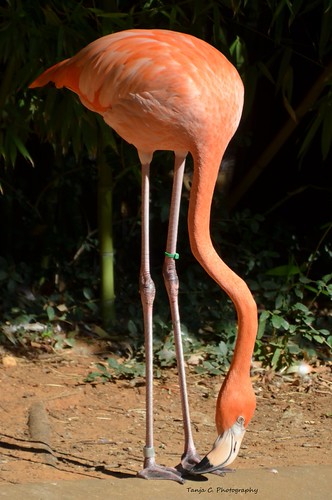
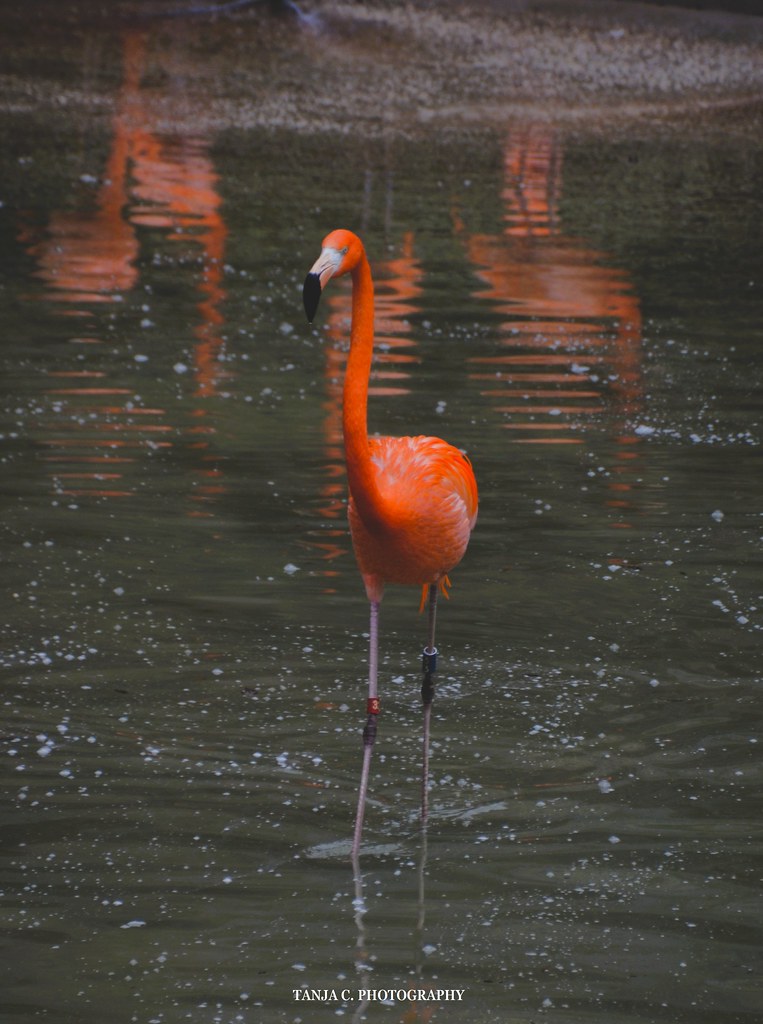
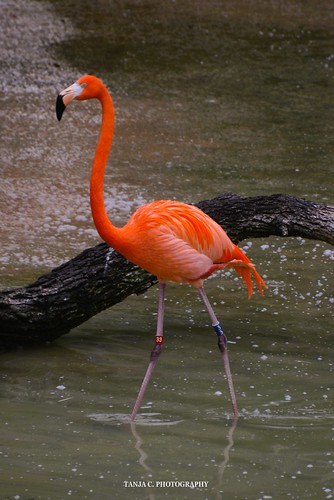
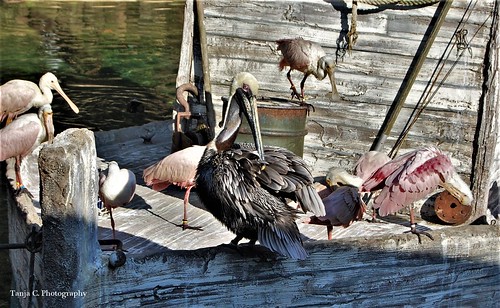
American Flamingo (Phoenicopterus ruber)

The American flamingo is a large bird with long pink legs and webbed feet. The plumage is a distinctive pink, with black on the flight feathers (the long feathers at the tips of the wings). The bill is pink and white with a black tip. The plumage coloring comes from the carotene that is found in the food that is eaten, such as brine shrimp. They live in large shallow lakes, lagoons, and mud flats in the Caribbean Islands, northern South America, the Yucatan Peninsula in Mexico, and the southern United States.

2025 · National Day Calendar

National Kangaroo Awareness Day 2025 🦘

Kangaroo Mural in the Dallas Zoo

Around 30 million years ago, the kangaroo’s ancestors arrived in the Australian rainforests. According to historians, they may have developed from possum-like animals that lived solely in trees. These little creatures made their way to the ground and eventually became the first kangaroos. As the grasslands grew more prominent, so did the kangaroo species. These kangaroos evolved more and more diversified throughout time, finally developing into the red kangaroos we saw on this day, three million years ago.

We have similar-looking red and gray kangaroos, the wallaby, the musky-rat kangaroo, and others mistakenly called kangaroos. Technically, scientists categorize all these as ‘macropods,’ which means ‘big feet.’ Kangaroo, an Aboriginal name, is often used to refer to various animals of this family, not just the hop-happy ones we are familiar with. Scientifically, however, only two can be kangaroos by the narrowest definitions, the fast-hopping red and gray-colored kangaroos.

Why do these large marsupials hop, a locomotion technique seen only in smaller animals? Scientists can only theorize the answer. Presently, three ideas dominate: Kangaroos adopted this mechanism to effectively escape predators; apparently, rodents that can hop are twice as likely to escape their predators as those that run. They started hopping because these animals needed their arms free to forage for food. It might have simply been faster and more effective for kangaroos to move this way, especially in the deserts of Australia, where water and food take more effort to find.

: https://nationaltoday.com/national-kangaroo-awareness-day/

2025 · National Day Calendar

National Zoo Awareness Day 2025

The history of zoos dates back to the pharaohs of ancient Egypt. The intent, of course, was different. Back then, many rulers kept exotic animals — to either gift other rulers or for vanity’s sake. There was little to no effort in caring for the animals. Humans still lacked the requisite knowledge or will.

Over millennia, our understanding of the animal kingdom has evolved. We saw animal trainers and zookeepers emerge. However, the general idea of animals as exotic entertainment persisted. Gradually, new knowledge and tools for caring for animals became widespread; zoos and aquariums were born. Around the same time, the idea of humans caring for wildlife first took root and stayed.

By the 19th century, zoology had become a popular field of science. Private animal collections were frowned upon, becoming less and less popular over time. The modern zoo, as we know it today, grew from this evolution of thought. Even so, not all of them are the same.

There are zoos open to the public, while others are purely for conservation purposes. Many private zoos run breeding programs to protect critically endangered species from extinction. Other programs take in rescued animals that can no longer survive in the wild for various reasons.

As conscientious citizens, we must critically examine the zoos in our areas. What is the intent? Are there programs that benefit the animals and conservation? Does the zoo educate the community on wildlife and ecosystems? Are the animal enclosures mimicking natural habitats? National Zoo Awareness Day hopes to instill fascination, love, and respect for animals, particularly when they are in human care.

:https://nationaltoday.com/national-zoo-awareness-day/