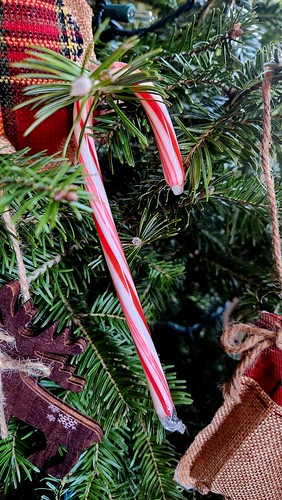
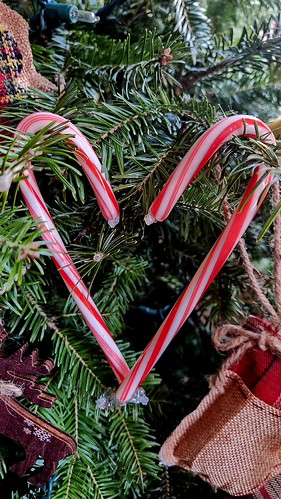
National Candy Cane Day is on December 26, and while that doesn’t mean it’ll keep us from munching on the sugary sticks as early as Thanksgiving, it does give us a chance to indulge as much as we can before New Year’s. With the beginning of the 17th-century Germany, these sweet treats were curved to represent the shepherds’ crooks. They later made their way to the United States in the mid-19th century. Now we see them everywhere, even on trees.
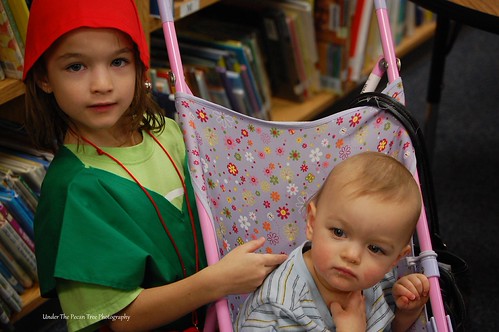
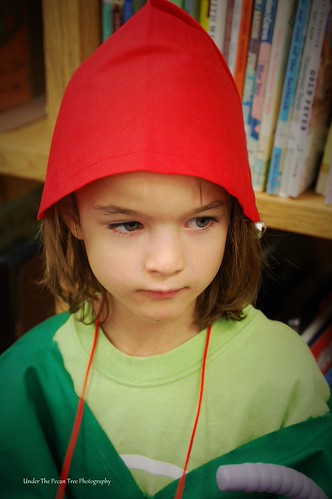
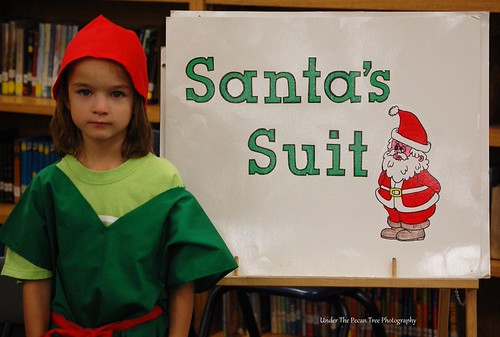
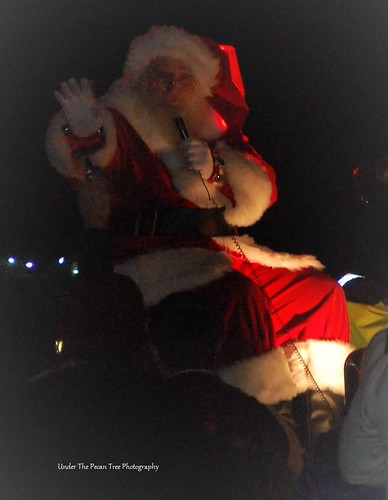
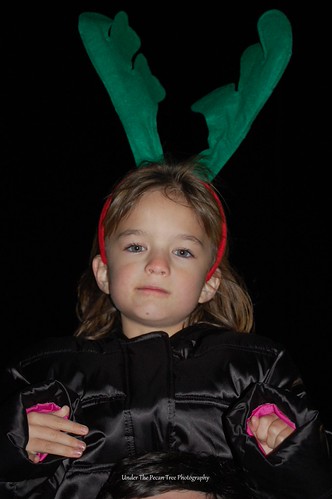
In 2010, Kevin, Katelynn, Sara, and I went to our local Christmas Parade again. This time, the girls got a glimpse of Santa. Katelynn was in first grade. Her class had the school play “Santa’s Suit”, where she was the “Lego” Elf. On Christmas Eve, Katelynn lost her first tooth. So, the Tooth Fairy and Santa visited our home on the same night. Unfortunately, Sara had a bad cold on Christmas Day. She wasn’t too happy. But we made the best out of the situation.
🎅🎄🎅🎄🎅🎄🎅🎄🎅🎄🎅🎄🎅🎄🎅🎄🎅🎄🎅🎄🎅🎄🎅🎄🎅🎄🎅🎄🎅🎄🎅🎄🎅🎄🎅🎄
2011
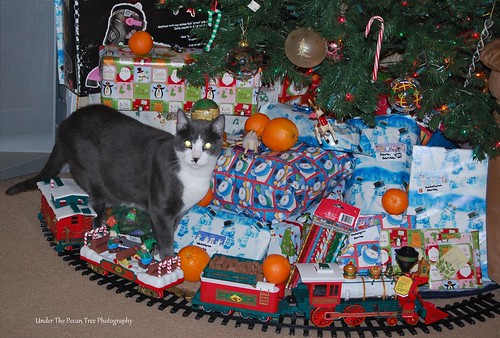
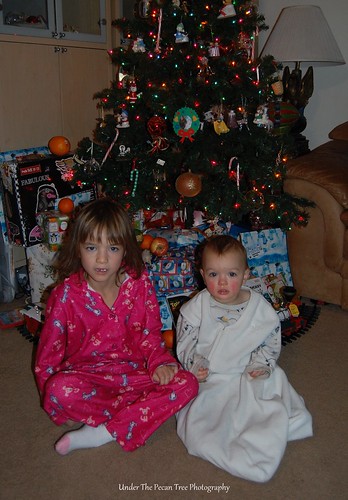
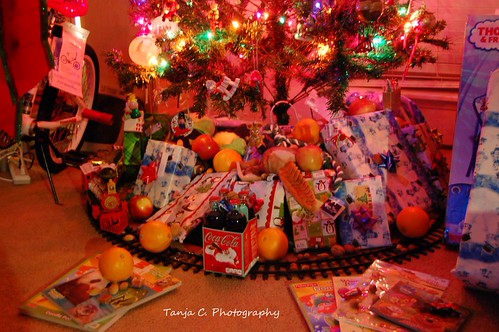
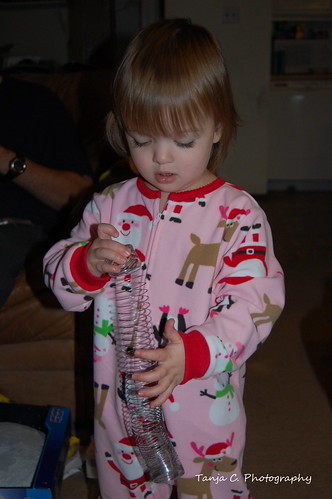
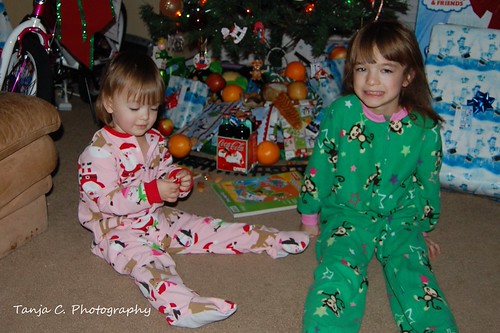
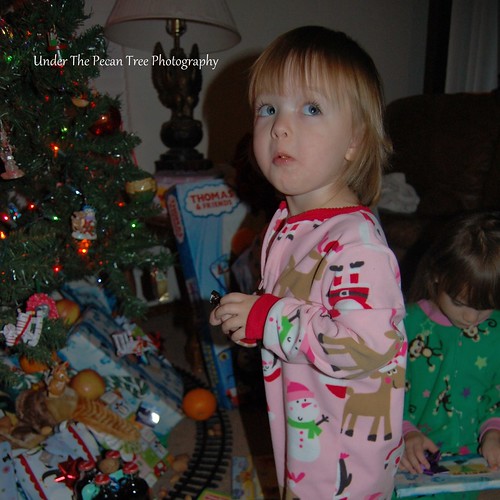
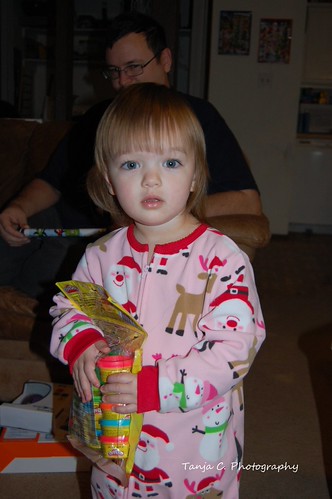
Santa left apples, oranges, nuts, and candy under the tree. Of course, Sara found the candy first and wanted some. Kevin and I said she could have some after breakfast. Instead of listening, she was very sneaky, put one in her mouth, and acted like she didn’t know what we were talking about. Lexi was happy; she had a new toy duck, which was shredded by her and Ranger the same day.
Twas the night before Christmas, when all through the house Not a creature was stirring, not even a mouse; The stockings were hung by the chimney with care, In hopes that St. Nicholas soon would be there; The children were nestled all snug in their beds, While visions of sugar plums danced in their heads; And mamma in her ’kerchief, and I in my cap, Had just settled our brains for a long winter’s nap, When out on the lawn there arose such a clatter, I sprang from the bed to see what was the matter. Away to the window, I flew like a flash, Tore open the shutters and threw up the sash. The moon on the breast of the new-fallen snow Gave the luster of mid-day to objects below, When, what to my wondering eyes should appear, But a miniature sleigh, and eight tiny reindeer, With a little old driver, so lively and quick, I knew in a moment it must be St. Nick. More rapid than eagles his coursers they came, And he whistled, and shouted, and called them by name; “Now, Dasher! now, Dancer! now, Prancer and Vixen! On, Comet! on, Cupid! on, Donner and Blitzen! To the top of the porch! to the top of the wall! Now dash away! dash away! dash away all!” As dry leaves that before the wild hurricane fly, When they meet with an obstacle, mount to the sky; So up to the housetop the coursers they flew, With the sleigh full of Toys, and St. Nicholas too. And then, in a twinkling, I heard on the roof The prancing and pawing of each little hoof. As I drew in my head and turned around, Down the chimney, St. Nicholas came with a bound. He was dressed all in fur, from his head to his foot, And his clothes were all tarnished with ashes and soot; A bundle of Toys he had flung on his back, And he looked like a peddler just opening his pack. His eyes—how they twinkled! his dimples how merry! His cheeks were like roses, his nose like a cherry! His droll little mouth was drawn up like a bow And the beard of his chin was as white as the snow; The stump of a pipe he held tight in his teeth, And the smoke encircled his head like a wreath; He had a broad face and a little round belly, That shook when he laughed, like a bowlful of jelly. He was chubby and plump, a right jolly old elf, And I laughed when I saw him, in spite of myself; A wink of his eye and a twist of his head, Soon gave me to know I had nothing to dread; He spoke not a word, but went straight to his work, And filled all the stockings; then turned with a jerk, And laying his finger aside of his nose, And giving a nod, up the chimney he rose; He sprang to his sleigh, to his team gave a whistle, And away they all flew like the down of a thistle, But I heard him exclaim, ere he drove out of sight, “Happy Christmas to all, and to all a good night.”
Kevin and I met in a club 25 years ago. He was with a couple of friends, who were friends with my friends. After a couple of drinks, we got into a conversation. When I was ready to go home, he gave me a ride to my apartment. Since he knew where I worked, he had shown up the next day. Usually, I don’t give out my phone number unless someone asks for it or I ask for theirs. But when Kevin was standing in front of me, I said, “Dude, I forgot to give you my number last night. If you want to hang out, give me a call. Maybe we can do something for Christmas together.” Kevin agreed, folded the note, and left. The same night, he called me. And we were talking over a beer in a bar.
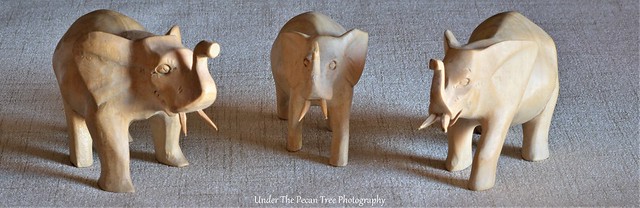
The next day was Christmas Eve. I was on vacation leave for the remaining days of the year. Months ago, a friend of mine and I planned a small Christmas dinner for the night before Christmas. I asked her if it was okay if I brought a friend over. She said: “Well, it’s Christmas. Nobody should celebrate this special holiday alone.” Kevin picked me up from home. When I sat in the car and we talked a little, he opened the glove box and handed me a small present. I shook it to hear what might be in there. Kevin screamed: “NOOOOOOOOOOO!” Later on, I found out why he did that. Well, the little elephant lost part of its trunk when I shook the little box. Even when the elephant doesn’t look perfect anymore. But it is a story worth talking about. It was very sweet of him since we had known each other for a couple of days. It was the first gift I got from Kevin. I still treasure these three wooden elephants to this very day.
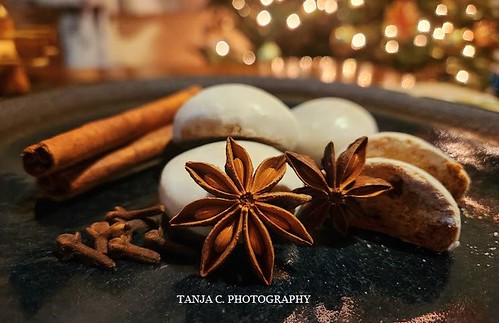
Pfeffernüsse, known as ‘pepernoten’ or peppernuts, originated from Central Europe. A confectioner from Offenbach am Main, named Johann Fleischmann, is believed to have created the recipe in 1753. Since then, the cookie has become very popular, attracting the interest of many people, including renowned individuals like Felix Mendelssohn.
Germany, Denmark, and the Netherlands are the countries most popularly known for this delicacy. In North America, the ethnic Mennonites are also very fond of pfeffernüsse. Today, the recipe is widely available, and the cookie is widely consumed worldwide. However, pfeffernusse is traditionally reserved for the holiday period, around December. This is in keeping with the tradition of its origins, as the cookie has been associated with the celebration of Saint Nicholas Day and Christmas.
The traditional recipe consists of nutmeg, cinnamon, cloves, ginger, black pepper, mace, anise, sugar, butter, eggs, and flour. Popular nuts such as walnuts and almonds are also used to give the cookie some flavor. Leavening agents are applied to the mixture, kneaded, and then baked. They usually come out hard from the oven, but would soften after a few days. Also, they are tiny and are sometimes shaped like nuts, which is probably why they are called peppernuts. Nowadays, bakers make alterations to this recipe to include some other ingredients or remove some existing ones. While they generally have a spicy taste, you can easily adjust the spice you want. On National Pfeffernüsse Day, homemade peppernuts are made available for the family and guests.
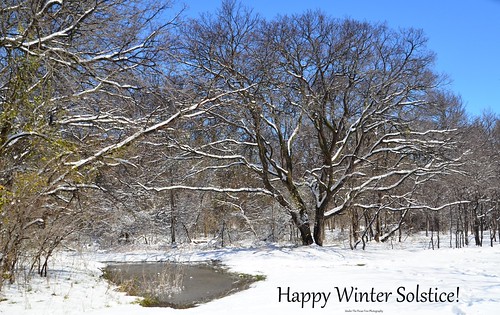
Our ancestors depended on the passage of time and seasons. And the best way to measure the seasons was by observing the Sun and the Earth’s orbit around it. The winter solstice is the time of the year when the Sun is reborn, announcing a new season.
On December 21, the day is shorter as the Sun seems to stand still at a lower elevation, making the night longer. But it is a transition period that ushers in a new season of more sunlight. Yule celebrations used to be tied with different pagan traditions, bordering on mythology and culture. Popular notions include the myth of the goddess giving birth to the Sun god. There is also the celebration of the surrender of power from the Holly King to the Oak King. Plus, the ancient festival of the Germanic people about the Wild Hunt and the god Odin is also around the same time.
All the above form the crust of the Yule celebration. But, as stated earlier, it is even more symbolic in that it helped our ancestors to determine times and seasons. Understanding times and seasons was usually the difference between life and death, food availability and famine, victory and defeat, and many other things. With the introduction of Christianity, the Yule celebration has been linked with Christmas traditions too. It’s thought that December 25 was chosen to celebrate the birth of Christ because it is the renewal period. Yule and Christmas both share certain similarities, and they often overlap as well.
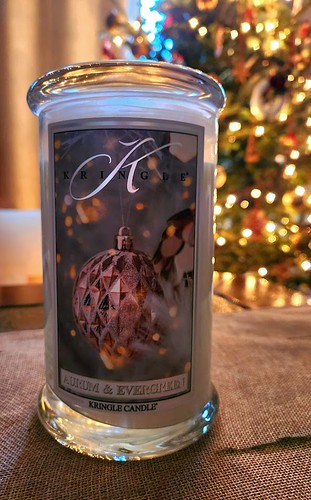
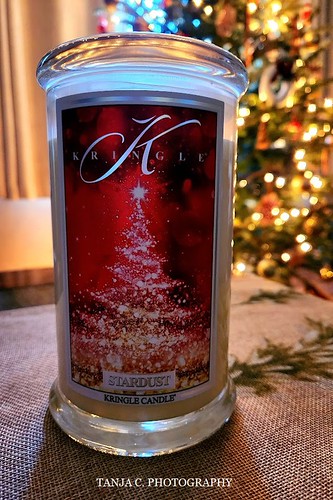
Aurum & Evergreen Festively blended with pink grapefruit and apple infused with pomegranate and cinnamon leaf, Aurum & Evergreen is a noble scent with ribbons of vanilla snow and Siberian Fir throughout.
Top: Sparkling Pink Grapefruit, Green Apple Peel, Valencia Orange Mid: Pomegranate Juice, Cinnamon Leaf, Strawberry Jam Base: Sugar Crystals, Vanilla Snow, Siberian Fir
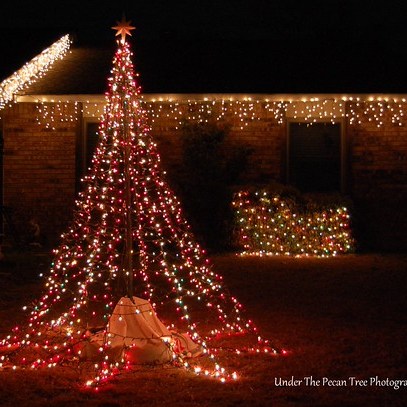
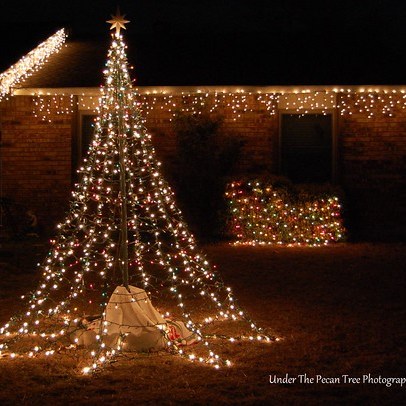
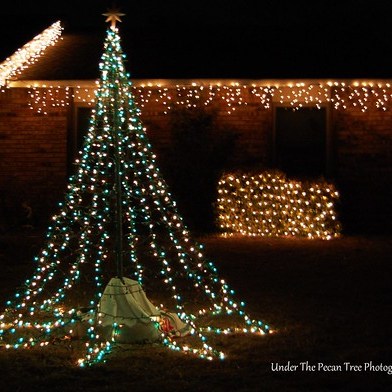
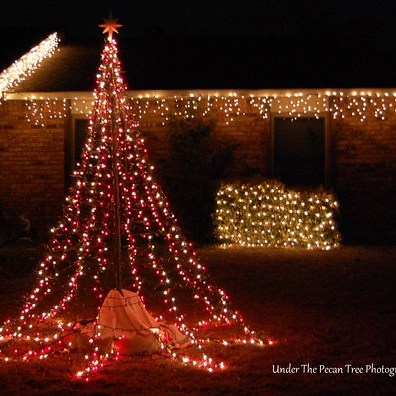
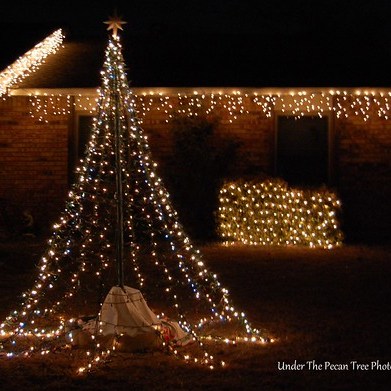
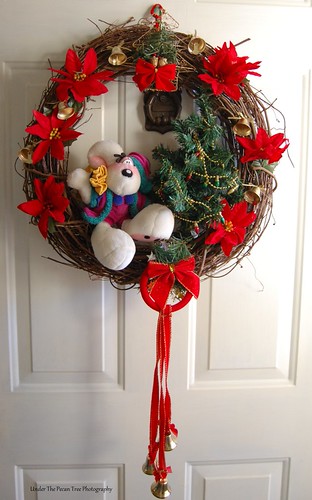
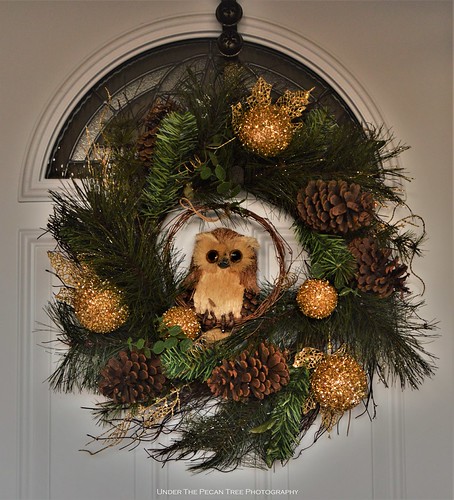
Since Kevin’s homemade Christmas tree got positive feedback, he installed it again in 2008. The same year, I decorated a Christmas wreath for our girls.
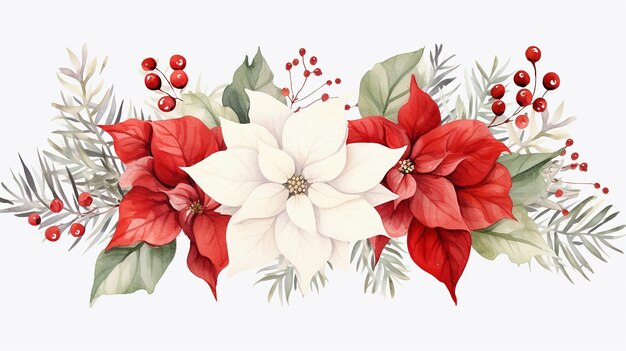
That pop of floral color in everyone’s home means the holidays are right around the corner. National Poinsettia Day on December 12 also forms a cultural bridge between the U.S. and Mexico. Poinsettias, known as Euphorbia Pulcherrima, come in hundreds of beautiful colors. Even if you have a limited holiday decorating budget, strategically placed poinsettias can enhance your home in a variety of ways. Bottom line: What’s a holiday party without a gorgeous poinsettia plant on the mantle?
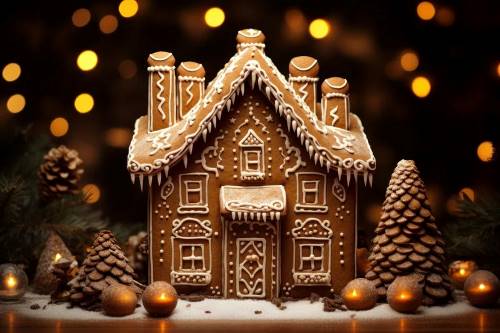
Nothing brings in the holidays like the smell of freshly baked gingerbread. But before the decorative cookie led the popularity contest on the holiday dessert table, baking gingerbread was acknowledged as a specific profession. In the 17th century, only professional gingerbread bakers were allowed to make gingerbread, except at Christmas and Easter, when anyone was allowed to bake it.
In Europe, gingerbread was sold in special shops and at seasonal markets that sold sweets and gingerbread shaped as hearts, stars, soldiers, babies, trumpets, swords, pistols, and animals. Gingerbread was especially sold outside churches on Sundays. Religious gingerbread reliefs were purchased for particular religious events such as Christmas and Lent. Decorated gingerbread was given as presents to adults and children or as a love token bought specifically for weddings.
Gingerbread was also considered a form of popular art in Europe. Molds often displayed actual happenings by portraying new rulers, their children, spouses, and parties. Substantial mold collections are held at the Ethnographic Museum in Toruń, Poland, and the Bread Museum in Ulm, Germany. According to some food historians, the tradition of making gingerbread houses started in Germany in the early 1800s. The first gingerbread houses were the result of the well-known Grimm’s fairy tale “Hansel and Gretel.” After this story was published, German bakers began baking ornamented fairy-tale houses made from gingerbread. They were brought over to America by German immigrants and became popular during the Christmas season.
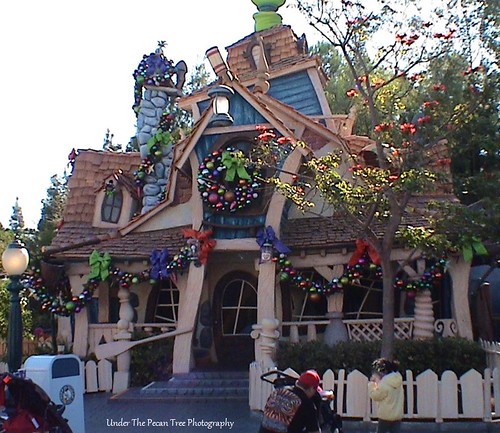
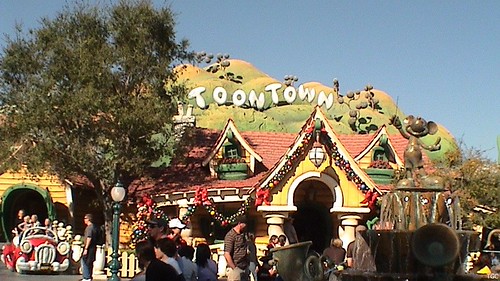
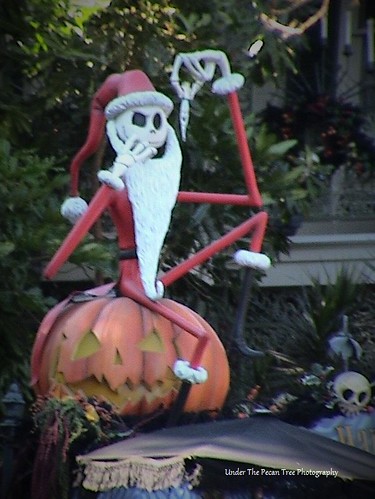
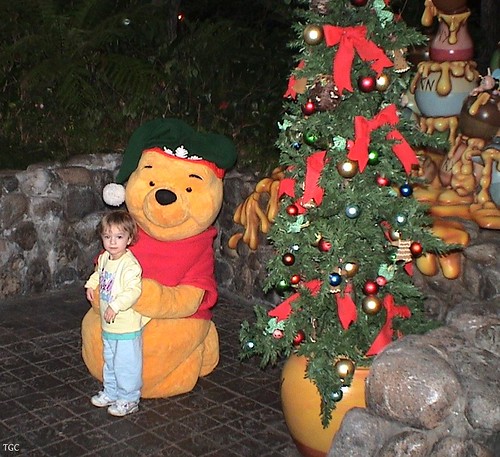
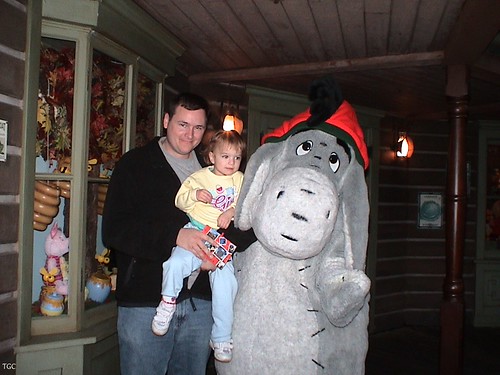
In the Christmas Season of 2006, Kevin, Katelynn, and I visited California. Since we celebrated the 60th Anniversary of Kevin’s grandparents in Anaheim, we stayed an extra day to go to Disneyland.
🎅🎄🎅🎄🎅🎄🎅🎄🎅🎄🎅🎄🎅🎄🎅🎄🎅🎄🎅🎄🎅🎄🎅🎄🎅🎄🎅🎄🎅🎄🎅🎄🎅🎄🎅🎄
2007
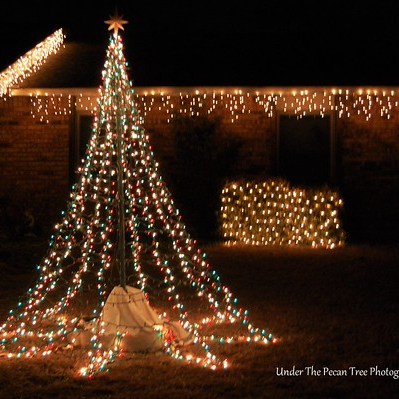
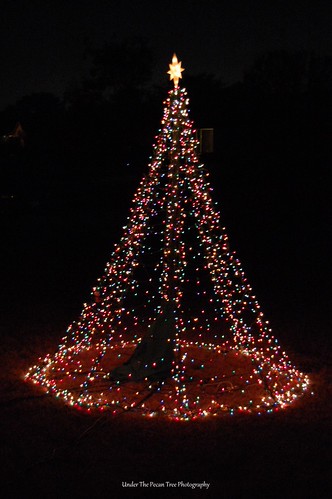
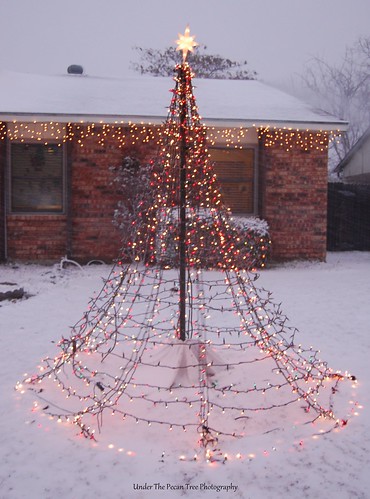
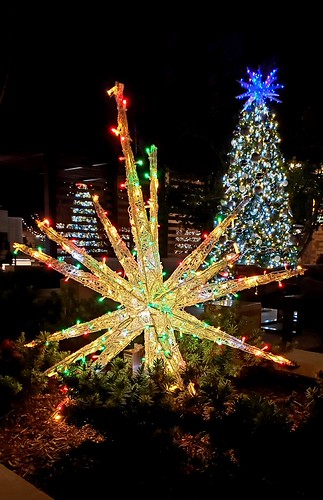
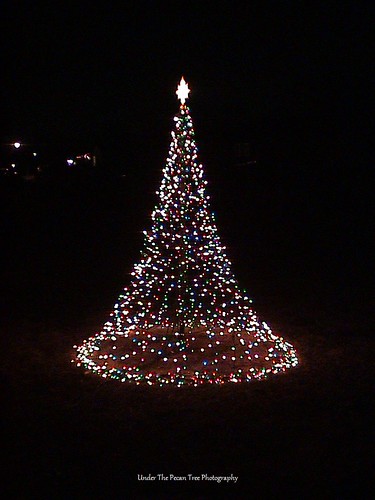
In December 2007, Kevin installed his first outdoor Christmas tree made of Christmas light chains. Everything was held up by a PVC pipe.
St. Nicholas derived from Nicholas of Myra and was a bishop in 4th-century Greece. He was known for selling off his own items and then giving the money to the poor. He would commonly leave coins in people’s shoes and dedicate his entire life to serving people who were sick and suffering. This is how he gained his saint status, and is what inspired St. Nicholas Day (also commonly known as Feast Day or the Feast of St. Nicholas).
One well-known story of St. Nicholas involves a dowry for a father’s three daughters. In the third century, it was common for fathers to offer money to prospective husbands. However, one poor father with three daughters did not have the money to do this. St. Nicholas paid for all three daughters’ dowries by leaving gold in their shoes.
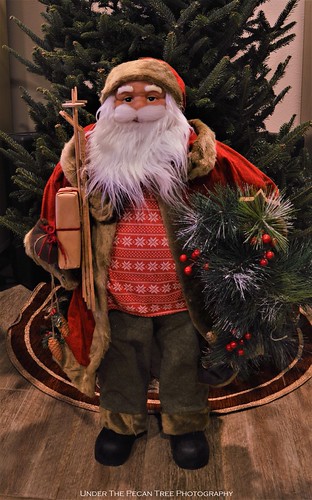
As time passed, St. Nicholas Day began in different ways. In Italy, this day was celebrated with feasts, gift-giving, and festivals. In other European countries like Germany and the Netherlands, children would leave their shoes or special St. Nicholas boots in front of the fireplace or front door at night and find presents in them in the morning. The history of St. Nicholas and his good deeds was part of the inspiration for the modern-day Santa Claus and Father Christmas, which is why there are some current traditions of leaving gifts in people’s boots or shoes (or stockings).
Christmas Stroll Inspired by fresh-cut Christmas trees and the hot mulled cider served during Nantucket’s Christmas Stroll, the company president’s father, Mike Kittredge II, helped design this bright holiday scent.
Top: Balsam Fir, Pine Mid: Green, Moss, Sweet Base: Spice, Winter Air
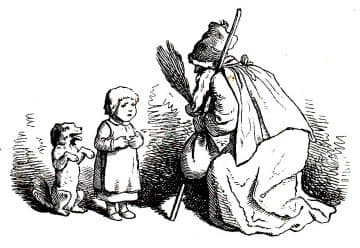
In German folklore, Knecht Ruprecht, which translates as Farmhand Rupert or Servant Rupert, is a companion of Saint Nicholas and is possibly the most familiar. Tradition holds that he was a man with a long beard, wearing fur, or covered in pea straw. Knecht Ruprecht sometimes carried a long staff and a bag of ashes and wore little bells on his clothes.
According to tradition, Knecht Ruprecht asks children whether they know their prayers. If they do, they receive apples, nuts, and gingerbread. If they do not, he beats the children with his bag of ashes. In other (presumably more modern) versions of the story, Knecht Ruprecht gives naughty children gifts such as lumps of coal, sticks, and stones, while well-behaved children receive sweets from Saint Nicholas. He can also be known to give naughty children a switch (stick) in their shoes instead of candy, fruit, or nuts, in the German tradition.
Ruprecht was a common name for the devil in Germany, and Grimm states that “Robin fellow is the same home-sprite whom we in Germany call Knecht Ruprecht and exhibit to children at Christmas …” Knecht Ruprecht first appears in written sources in the 17th century, as a figure in a Nuremberg Christmas procession.
According to Alexander Tille, Knecht Ruprecht represented an archetypal manservant, “and has exactly as much individuality of social rank and as little personal individuality as the Junker Hanns and the Bauer Michel, the characters representative of country nobility and peasantry respectively.” Tille also states that Knecht Ruprecht originally had no connection with Christmastime.
Ruprecht sometimes walks with a limp because of a childhood injury. Often, his black clothes and dirty face are attributed to the soot he collects as he goes down chimneys. In some of the Ruprecht traditions, the children would be summoned to the door to perform tricks, such as a dance or singing a song, to impress upon Santa and Ruprecht that they were indeed good children. Those who performed badly would be beaten soundly by Servant Ruprecht, and those who performed well were given a gift or some treats. Those who performed badly enough or had committed other misdeeds throughout the year were put into Ruprecht’s sack and taken away, variously to Ruprecht’s home in the Black Forest to be consumed later or to be tossed into a river. In other versions, the children must be asleep and would awake to find their shoes filled with either sweets, coal, or, in some cases, a stick.
◊◊◊◊◊
Krampus is a terrifying figure found in parts of Austria, Bavaria, South Tyrol, Slovenia, and Croatia, most probably originating in the Pre-Christian Alpine traditions. In Tyrol, he is also called “Tuifl”.
The Feast of Saint Nicholas is celebrated in parts of Europe on December 6. On the preceding evening, Krampusnacht, the wicked, hairy devil, appears on the streets. He sometimes accompanies St. Nicholas. However, Krampus will at times be on his own, visiting homes and businesses. Saint Nicholas dispenses gifts, while Krampus supplies coal and bundles of birch branches.
Europeans have been exchanging Krampuskarten, greeting cards featuring Krampus, since the 1800s. A Krampuslauf is a run of celebrants dressed as the beast and is still quite popular; many of the participants are fortified with schnapps. Over 1200 “Krampus” gather in Schladming, Styria, from all over Austria wearing goat-hair costumes and carved masks, carrying bundles of sticks used as switches and swinging cowbells to warn of their approach. In the past few decades, village Krampus associations have paraded without St. Nicholas at Krampus events throughout late November and early December.
Christmas 2003 was bittersweet. It was Katelynn’s first Christmas, but it was also our last Christmas in Germany.
🎅🎄🎅🎄🎅🎄🎅🎄🎅🎄🎅🎄🎅🎄🎅🎄🎅🎄🎅🎄🎅🎄🎅🎄🎅🎄🎅🎄🎅🎄🎅🎄🎅🎄🎅🎄
2004
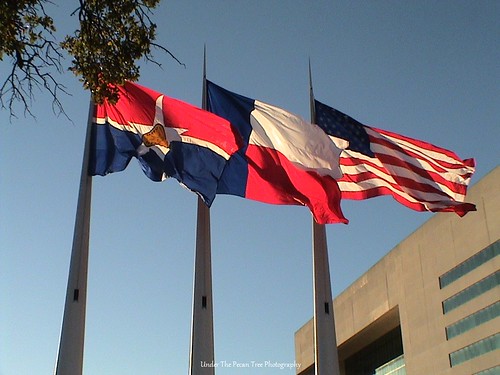
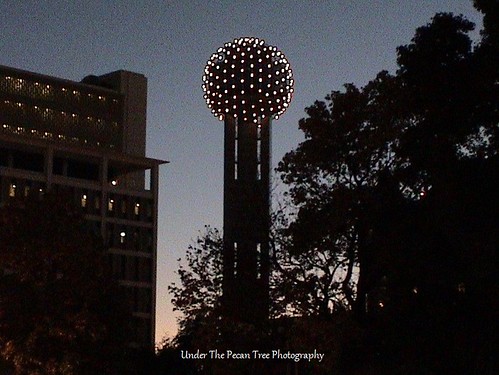
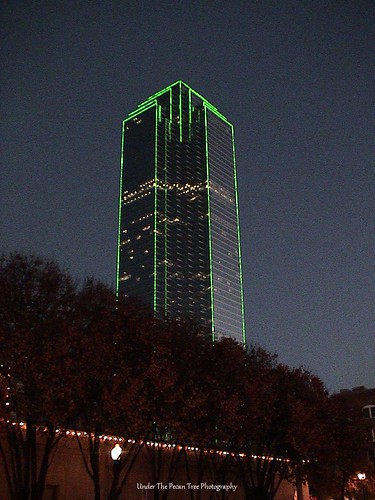
In December 2004, we had a Dallas Holiday Wish Celebration. The Beach Boys had a concert, and even Mickey, Minnie, Donald, Goofy, and Pluto came to visit and sing and dance in front of Dallas City Hall. I have it all on videotape footage and didn’t capture too many event photos.
🎅🎄🎅🎄🎅🎄🎅🎄🎅🎄🎅🎄🎅🎄🎅🎄🎅🎄🎅🎄🎅🎄🎅🎄🎅🎄🎅🎄🎅🎄🎅🎄🎅🎄🎅🎄
2005
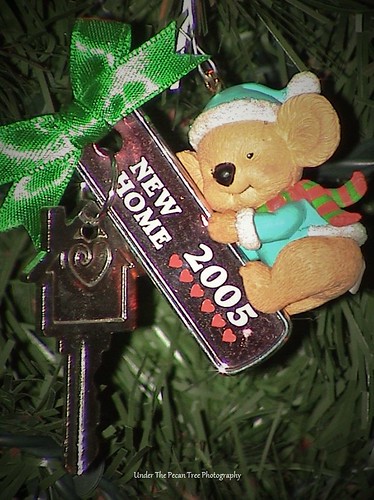
In 2005, we bought our house in Texas. The same year, we celebrated Christmas/Yuletide in our new home.
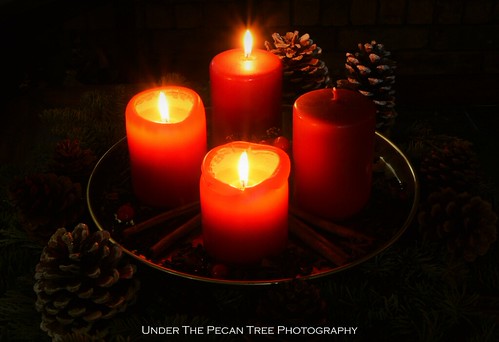
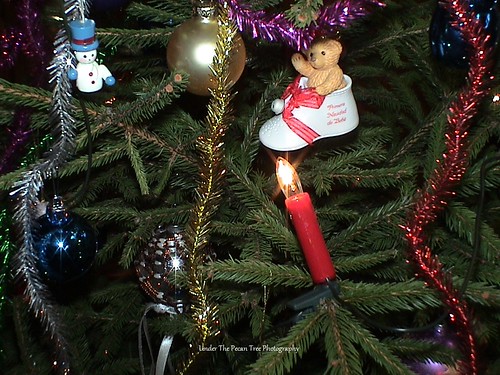
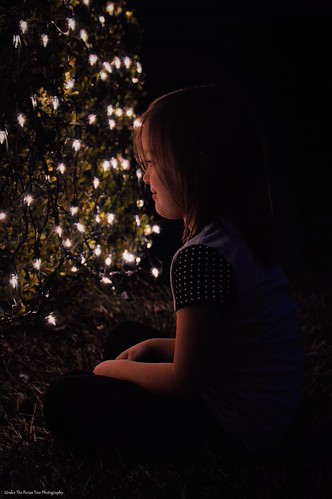
Before the invention of electric lights, families would balance candles on the branches of their Christmas trees—a risky practice that naturally led to several house fires. Electric Christmas lights were first invented in 1880 by Thomas Edison, who promptly strung them all over the outside of his Menlo Park laboratory. Because people were initially distrustful of electricity, it took another several decades for the invention to catch on. It wasn’t until 1903 when General Electric began selling pre-assembled kits of Christmas lights that electric lights became popular with people of all classes. Today, electric lights are an integral part of the winter holiday season, and certainly aren’t exclusive to Christmas. As we get ready for the end of the year, let’s string up our lights and celebrate. ‘Tis the Season’, after all.































 Under The Harvest Moon