🍃🍂🍁🍃🍂🍁🍃🍂🍁🍃🍂🍁🍃🍂🍁🍃🍂🍁🍃🍂🍁🍃🍂🍁🍃🍂🍁🍃🍂🍁🍃🍂🍁🍃🍂🍁
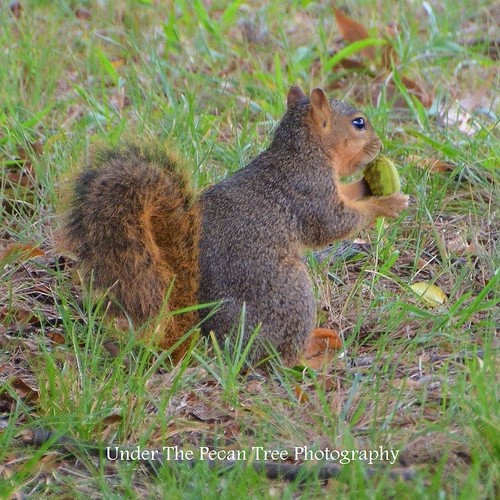
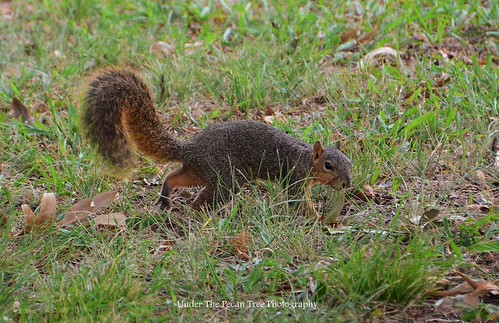
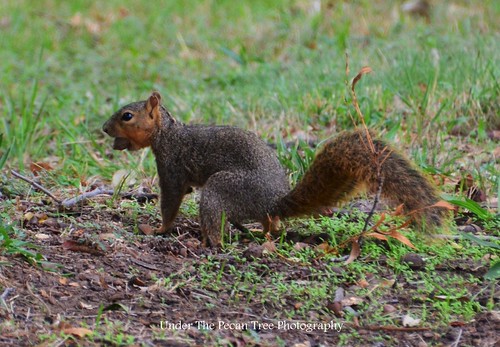
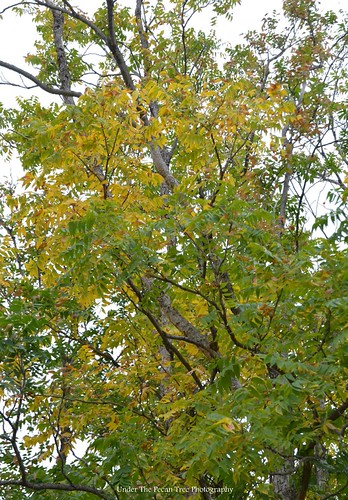

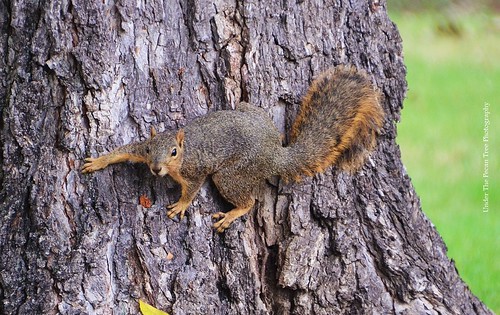
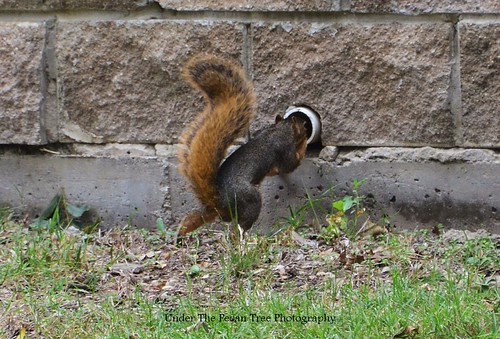
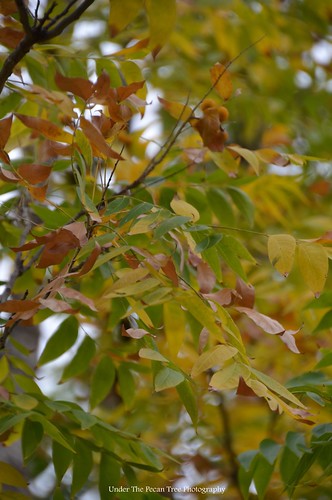
Autumn at San Chester Park in Carrollton, Texas ~ 2012
🍃🍂🍁🍃🍂🍁🍃🍂🍁🍃🍂🍁🍃🍂🍁🍃🍂🍁🍃🍂🍁🍃🍂🍁🍃🍂🍁🍃🍂🍁🍃🍂🍁🍃🍂🍁
A Texas city girl in a small New England town …

🍃🍂🍁🍃🍂🍁🍃🍂🍁🍃🍂🍁🍃🍂🍁🍃🍂🍁🍃🍂🍁🍃🍂🍁🍃🍂🍁🍃🍂🍁🍃🍂🍁🍃🍂🍁
🍃🍂🍁🍃🍂🍁🍃🍂🍁🍃🍂🍁🍃🍂🍁🍃🍂🍁🍃🍂🍁🍃🍂🍁🍃🍂🍁🍃🍂🍁🍃🍂🍁🍃🍂🍁
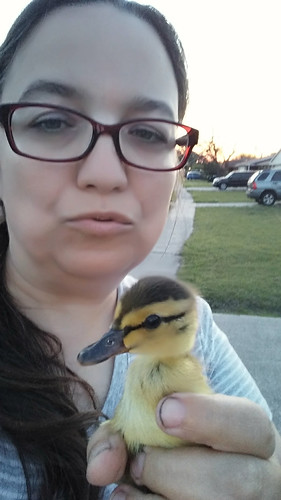
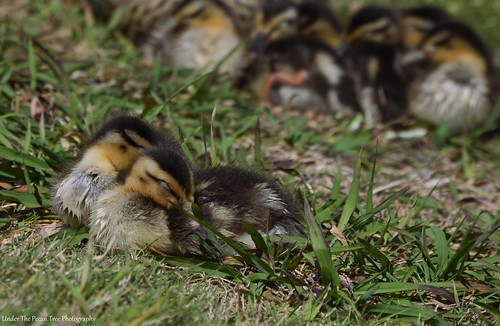
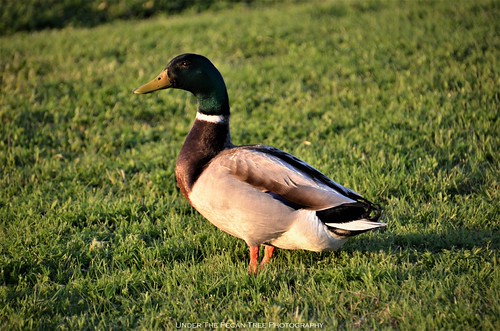
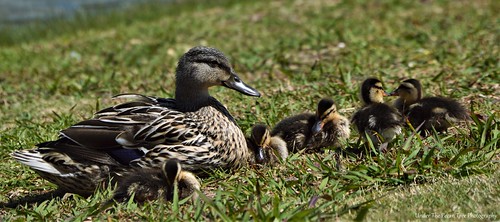
If someone at a park feeds bread to ducks, there are Mallards in the fray. Perhaps the most familiar of all ducks, Mallards occur throughout North America and Eurasia in ponds, parks, wilder wetlands, and estuaries. The male’s gleaming green head, gray flanks, and black tail curl arguably make it the most easily identified duck. Mallards have long been hunted for the table, and almost all domestic ducks come from this species.
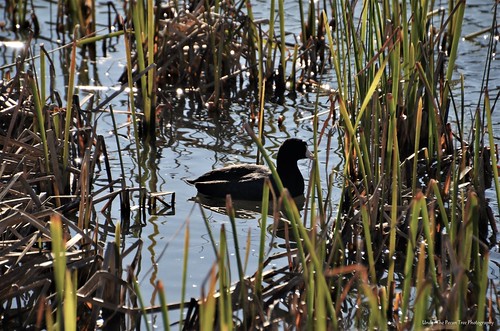
The American coot (Fulica americana), also known as a mud hen, is a bird of the family Rallidae. Though commonly mistaken for ducks, American coots are only distantly related to ducks, belonging to a separate order. Unlike the webbed feet of ducks, coots have broad, lobed scales on their lower legs and toes that fold back with each step, which facilitates walking on dry land. Coots live near water, typically inhabiting wetlands and open water bodies in North America. Groups of coots are called a “raft” or “cover”. The oldest known coot lived to be 22 years old.
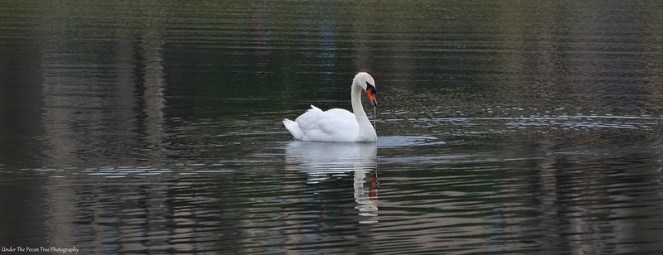
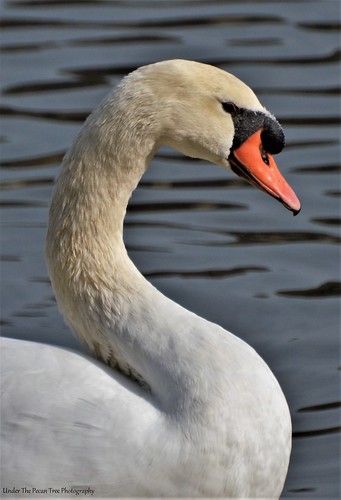
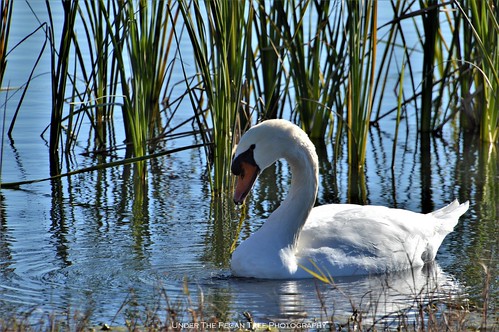
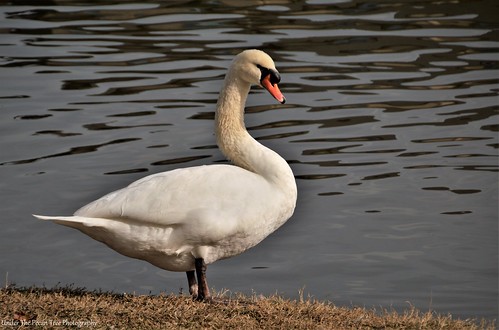
The exotic Mute Swan is the elegant bird of Russian ballets and European fairy tales. This swan swims with its long neck curved into an S and often holds its wings raised slightly above its back. Although they’re numerous and familiar in city parks and in bays and lakes in the Pacific Northwest, Great Lakes, Northeast, and Mid-Atlantic, Mute Swans are not native to North America. Their aggressive behavior and voracious appetites often disturb local ecosystems, displace native species, and even pose a hazard to humans.
Mute Swans were first brought to North America to decorate ponds and lakes in towns and cities, and that’s still the best place to find these familiar waterfowl. You may also find them on shallow wetlands, lakes, rivers, and estuaries within the scattered range where they’ve become established in the wild.

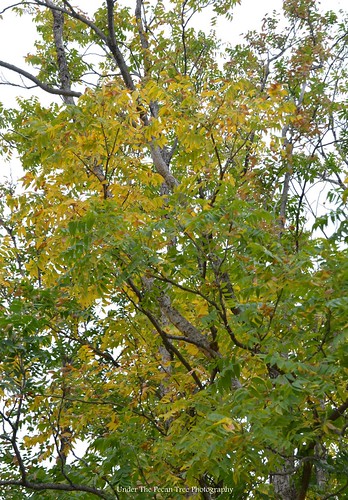
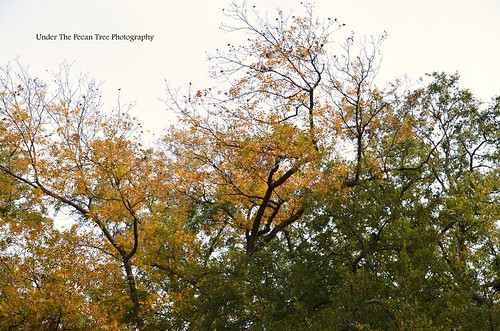
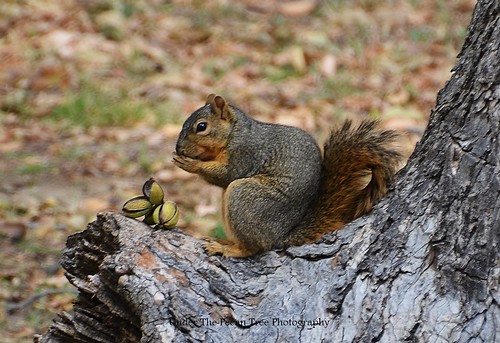
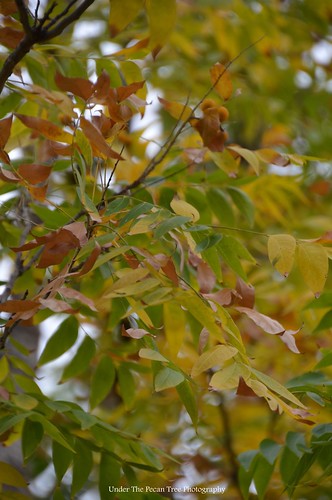
The pecan is a member of the Juglandaceae family. Juglandaceae are represented worldwide by seven and ten extant genera and more than 60 species. Most of these species are concentrated in the Northern Hemisphere of the New World, but some can be found on every continent except Antarctica. The first fossil examples of the family appear during the Cretaceous. Differentiation between the subfamilies of Engelhardioideae and Juglandioideae occurred during the early Paleogene, about 64 million years ago. Extant examples of Engelhardioideae are generally tropical and evergreen, while those of Juglandioideae are deciduous and found in more temperate zones.
The second major step in the development of pecan was a change from wind-dispersed fruits to animal dispersion. This dispersal strategy coincides with developing a husk around the fruit and a drastic change in the relative concentrations of fatty acids. The ratio of oleic to linoleic acids is inverted between wind- and animal-dispersed seeds. Further differentiation from other species of Juglandaceae occurred about 44 million years ago during the Eocene. The fruits of the pecan genus Carya differ from those of the walnut genus Juglans only in the formation of the husk of the fruit. The husks of walnuts develop from the bracts, bracteoles, and sepals. The husks of pecans develop from the bracts and the bracteoles only.
 Under The Harvest Moon