🌽🌶🌻🌱🍅🥒🌽🌶🌻🌱🍅🥒🌽🌶🌻🌱🍅🥒🌽🌶🌻🌱🍅🥒🌽🌶🌻🌱🍅🥒🌽🌶🌻🌱🍅🥒

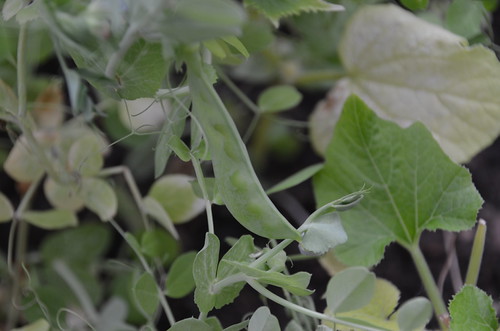

1) Iceberg Lettuce; 2) Snow Peas; 3) “Three Sister” Planting;
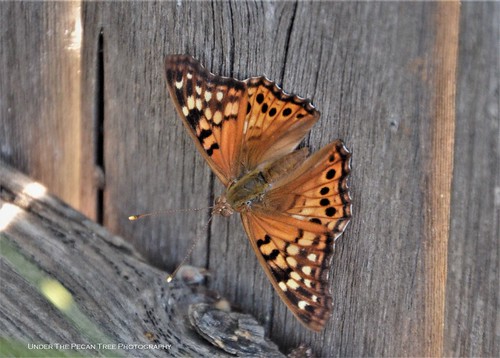
4) Tawny Emperor Butterfly
🌽🌶🌻🌱🍅🥒🌽🌶🌻🌱🍅🥒🌽🌶🌻🌱🍅🥒🌽🌶🌻🌱🍅🥒🌽🌶🌻🌱🍅🥒🌽🌶🌻🌱🍅🥒
A Texas city girl in a small New England town …

🌽🌶🌻🌱🍅🥒🌽🌶🌻🌱🍅🥒🌽🌶🌻🌱🍅🥒🌽🌶🌻🌱🍅🥒🌽🌶🌻🌱🍅🥒🌽🌶🌻🌱🍅🥒
🌽🌶🌻🌱🍅🥒🌽🌶🌻🌱🍅🥒🌽🌶🌻🌱🍅🥒🌽🌶🌻🌱🍅🥒🌽🌶🌻🌱🍅🥒🌽🌶🌻🌱🍅🥒



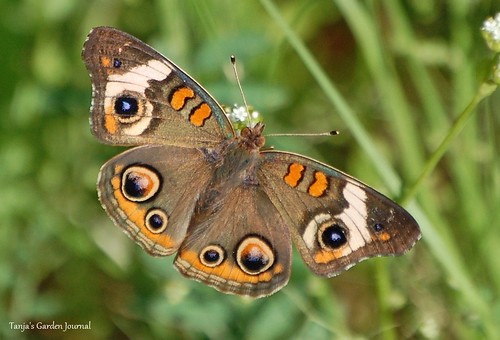
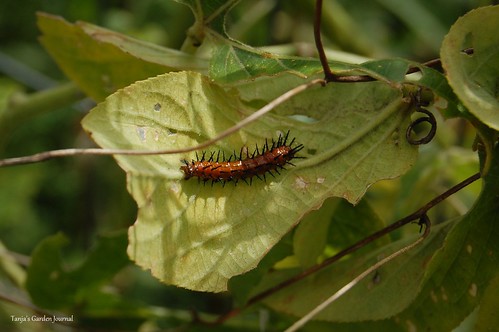
Junonia coenia, known as the common buckeye or buckeye, is a butterfly in the family Nymphalidae. Its range covers much of North America and some of Central America, including most of the eastern half of the US, the lower to middle Midwest, the Southwest (including most of California), southern Canada, and Mexico. Its habitat is open areas with low vegetation and some bare ground. Its original ancestry has been traced to Africa, which then experienced divergence in Asia. The species Junonia grisea, the gray buckeye, is found west of the Rocky Mountains and was formerly a subspecies of Junonia coenia.
Caterpillars of these butterflies appear to prefer plants that produce iridoid glycosides, which are bitter compounds that release a hormone called gastrin that activates the digestive system (i.e., hunger); therefore, iridoid glycoside-producing plants stimulate and attract their appetites, particularly when found in plants like Plantago lanceolata. In fact, these metabolites may trigger oviposition behaviors in female butterflies so that descendant larval bodies may better incorporate iridoid glycosides. Iridoid glycoside metabolites appear to have a growth-stimulating effect on caterpillars but a growth-reducing effect on predators. Predators like ants, wasps, birds, and small animals prefer to feed on iridoid glycoside-poor caterpillars rather than iridoid glycoside-rich larvae, potentially due to these effects. Therefore, the immunity of Junonia coenia larvae to predators like ants appears to be strongly related to the concentration of iridoid glycosides sequestered in their bodies. However, excessive intake of iridoid glycosides in the diet can impair these larvae’s immune response and increase susceptibility to parasitism.
Adult butterflies feed on flowers with certain pollinator cues: yellow flowers that are ‘pre-change’, or flowers whose color has not been changed due to insect visitation or other factors. Common buckeye caterpillars feed in isolation rather than relying upon grouping behaviors. Vulnerability to the Junonia coenia densovirus is another concern for the survivorship of common buckeye larvae.




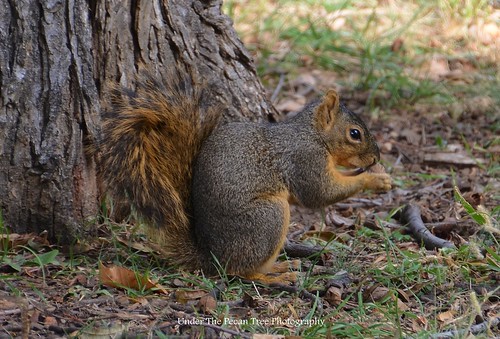

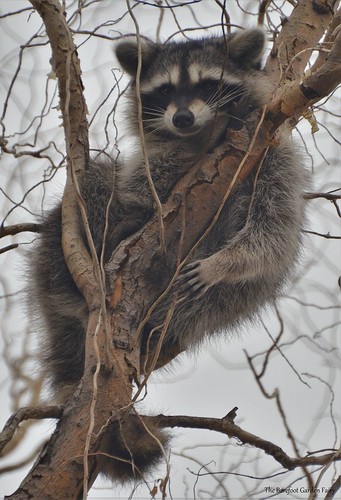
This National Day highlights endangered species, preservation, and conservation efforts worldwide. Zoos, aviaries, and marine sanctuaries provide a variety of ways to get involved. No matter where you live, opportunities abound to learn and participate in the day. Wildlife doesn’t only exist in the forest or outside the city limits. Look closely. The creatures and animals that share our world live beneath our feet and in the sky above us. Our rivers, lakes, and oceans are teeming with wildlife of all sizes. It’s essential to understand how we impact the habitats that animals need to survive. Their homes supply their food and shelter.
: https://www.nationaldaycalendar.com/national-day/national-wildlife-day
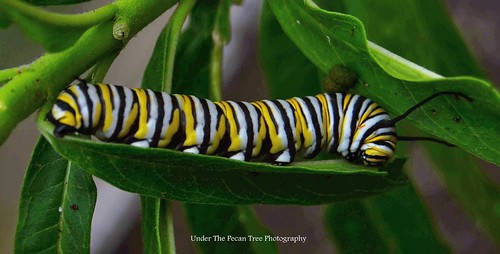
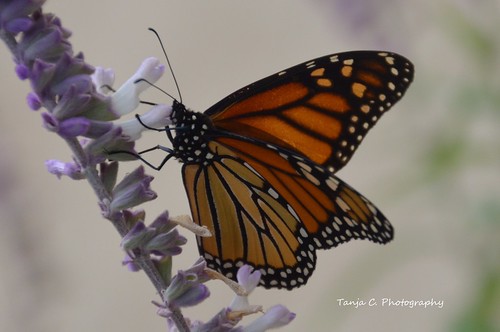
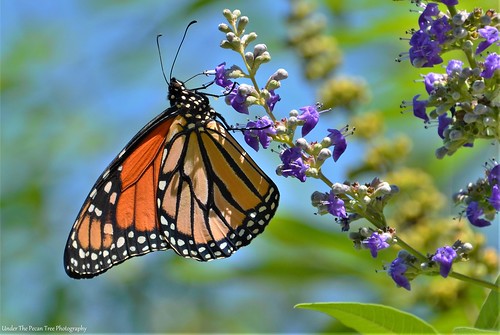
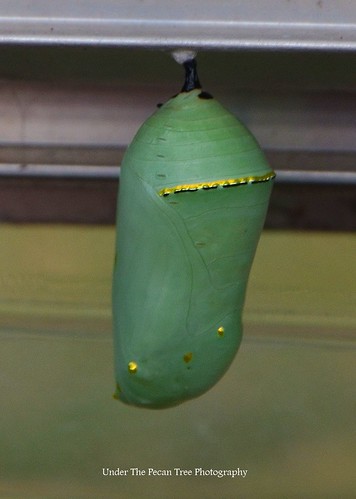
The monarch butterfly (Danaus plexippus) is a milkweed butterfly (subfamily Danainae) in the family Nymphalidae. Other common names, depending on region, include milkweed, common tiger, wanderer, and black-veined brown. It is amongst the most familiar of North American butterflies and an iconic pollinator, although it is not an especially effective pollinator of milkweed. Its wings feature an easily recognizable black, orange, and white pattern, with a wingspan of 8.9–10.2 cm (3.5–4.0 in). A Müllerian mimic, the viceroy butterfly, is similar in color and pattern but is markedly smaller and has an extra black stripe across each hindwing.
The eastern North American monarch population is notable for its annual southward late-summer/autumn instinctive migration from the northern and central United States and southern Canada to Florida and Mexico. During the fall migration, monarchs cover thousands of miles, with a corresponding multigenerational return north in spring. The western North American population of monarchs west of the Rocky Mountains often migrates to sites in southern California, but individuals have been found in overwintering Mexican sites. In 2009, monarchs were reared on the International Space Station, successfully emerging from pupae located in the station’s Commercial Generic Bioprocessing Apparatus.
🌻🌾🌞🌾🌻🌾🌞🌾🌻🌾🌞🌾🌻🌾🌞🌾🌻🌾🌞🌾🌻🌾🌞🌾🌻🌾🌞🌾🌻🌾🌞🌾🌻🌾🌞🌾


http://www.earthspiritpath.org
🌻🌾🌞🌾🌻🌾🌞🌾🌻🌾🌞🌾🌻🌾🌞🌾🌻🌾🌞🌾🌻🌾🌞🌾🌻🌾🌞🌾🌻🌾🌞🌾🌻🌾🌞🌾
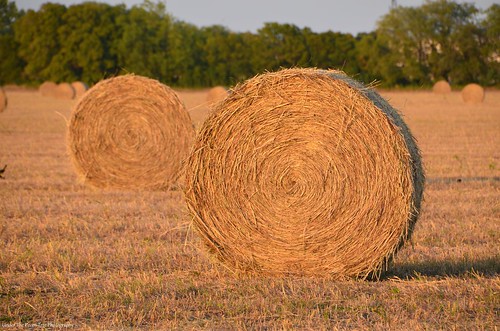
 Under The Harvest Moon