2026 · Wildlife Wednesday

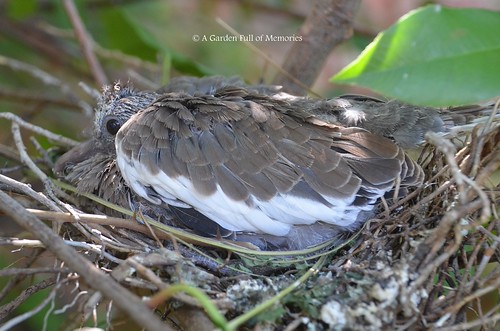
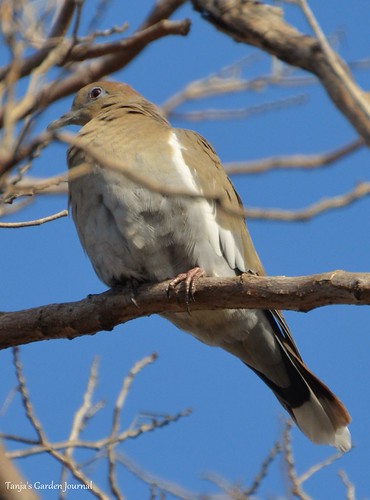
White-winged Dove (Zenaida asiatica)

The White-winged Doves (Zenaida asiatica) – also known as Singing or Mesquite Doves – are large, semi-tropical, and pigeon-like doves that occur naturally in the Americas. They are sometimes considered conspecific (one and the same species) with the West Peruvian Dove (Zenaida meloda); however, differences in vocalizations and morphology are credible arguments against this theory. In fact, they may best be placed into the bird genus Columba (typical pigeons) than the dove genus Zenaida (American doves).

White-winged Doves occur naturally in the United States from the Southwest east to Texas and Louisiana, south to Mexico, Central America, and the Caribbean, into parts of western South America. Introduced populations have established themselves in Florida, USA. They have been increasing their range northward. In fact, they have been reported as far north as Alaska to Ontario, Maine, Newfoundland, and most places in between. Most of them are seasonally migratory. They breed in the United States and northern Mexico and travel south to Mexico, Central and South America, and some Caribbean islands for the winter. However, those populations occurring in areas where food is available year-round – in the southern parts of their range – tend to be year-round residents. They inhabit scrub, woodlands, desert, citrus orchards, agricultural fields, and residential areas throughout their range. Many farmers in Mexico refer to them as “la plaga” (the plague) as large flocks – sometimes thousands of them – may descend upon a single field of grain, and decimate it (particularly after the breeding season).
2025 · Wildlife Wednesday

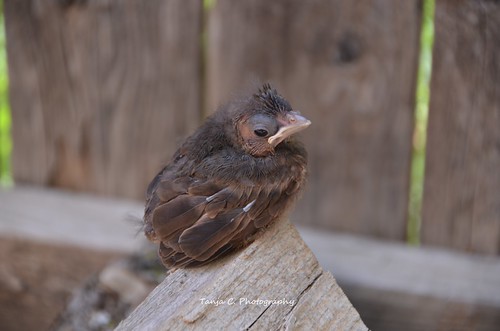
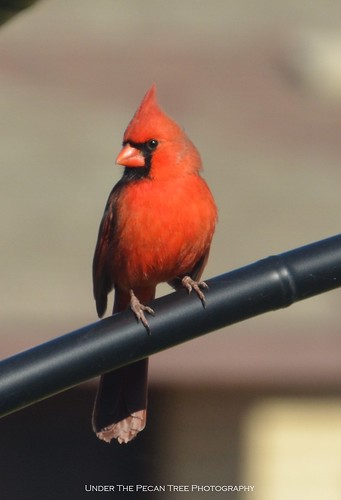
Northern Cardinal (Cardinalis cardinalis)

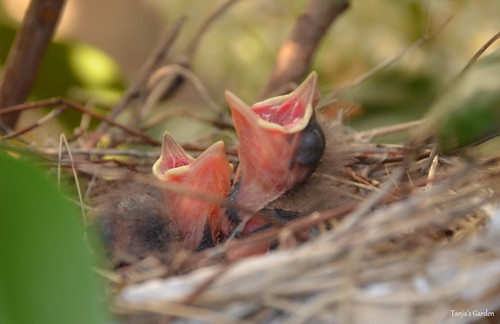
Bright red with a pointed head crest and black bib, male cardinals are always a welcome sight at bird feeders. Cardinals are year-round residents in the eastern two-thirds of Texas. They prefer thick underbrush for nesting. Cardinals have been expanding their range northward.

Both male and female cardinals sing almost year-round. Common calls include “cheer cheer cheer”, “whit-chew whit-chew whit-chew”, and “purty purty purty”. Cardinals eat seeds, fruit, and insects, and are easily attracted to bird feeders, especially those containing sunflower seeds.

Male cardinals vigorously defend their territory. They have been known to attack their reflections in mirrors, windows, and chrome. Sometimes they will even attack small red objects they mistake for other males. Females usually sing after males establish territory but before nesting starts. A cardinal’s nest consists of a tightly woven cup of roots, stems, and twigs lined with fine grass and hair.

Cardinals are colorful, tolerant of people, have pleasant calls, and are easily attracted to bird feeders. That has made them a favorite of backyard birdwatchers all over the eastern half of the U.S. Cardinals may form winter flocks of 60-70 birds. Their bright plumage brings color to our yards during the winter when many other species have flown south.

:https://tpwd.texas.gov/huntwild/wild/species/northerncardinal/

2025 · Wildlife Wednesday

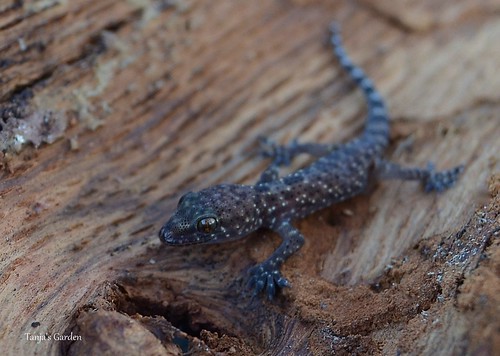
Mediterranean House Gecko (Hemidactylus turcicus)

Mediterranean House Gecko

The Mediterranean House Gecko is a relatively small, 4 – 5 in (10 – 13 cm), species that has become ubiquitous in certain areas of the United States. Unlike any native lizard, geckos have sticky toe pads and vertical pupils, and their large eyes lack eyelids. These geckos are generally light gray or almost white in color but may have some darker mottling. This species is most easily distinguished from the similar Indo-Pacific gecko by its bumpy (warty) skin. The Mediterranean House Gecko can usually be found praying on insects near external house lights or other forms of lighting on warm nights.

Like most other invasive species, the Mediterranean House Gecko breeds rapidly. Females are capable of laying multiple clutches of two eggs each throughout the summer. These eggs are laid in cracks and crevices in trees or man-made structures, including buildings. Like rodents, the Mediterranean House Gecko has been aided by human development. It is very common to see the geckos on the sides of buildings under lights catching insects on a summer night.

It is uncertain how the Mediterranean House Gecko first made its way to the United States. It was first reported in Key West, Florida 1915. It is thought that this gecko was probably a stowaway on a ship from the Mediterranean area. Mediterranean House Geckos are quite common in the pet trade, which has no doubt led to their spread across the United States. Currently, this species has high numbers in Florida and has established breeding populations all along the Southern states.

: http://www.tsusinvasives.org/home/database/hemidactylus-turcicus

2025 · Wildlife Wednesday

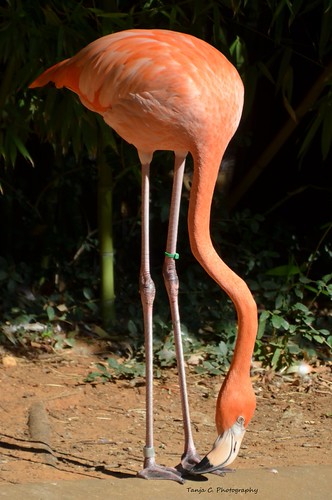
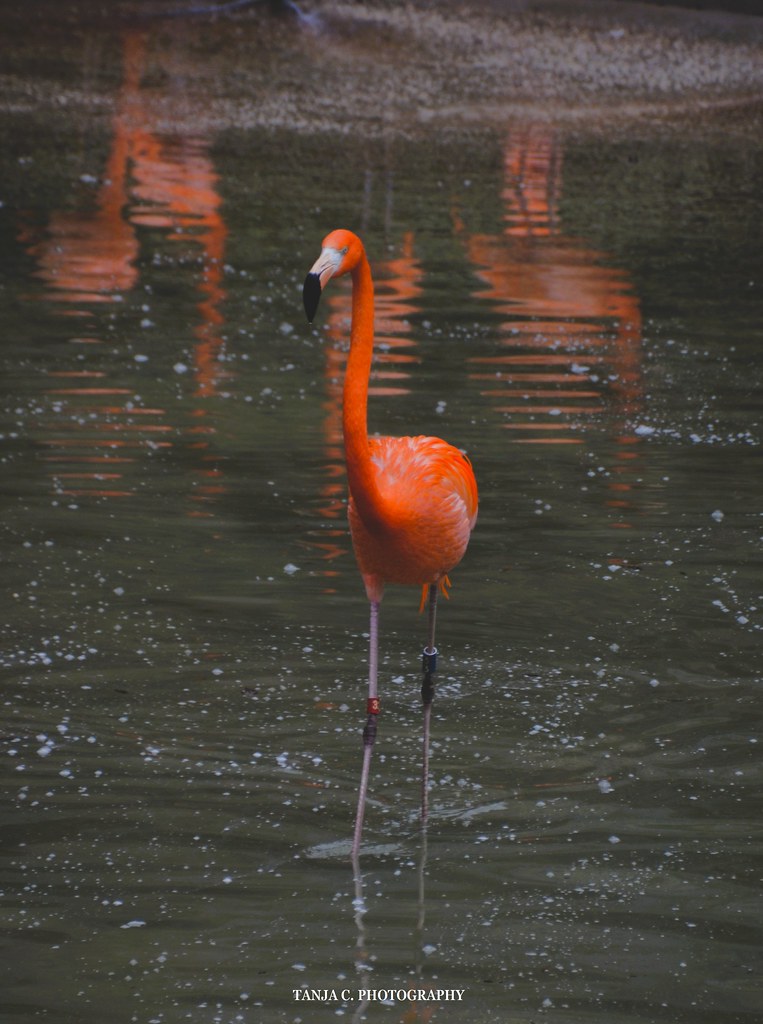
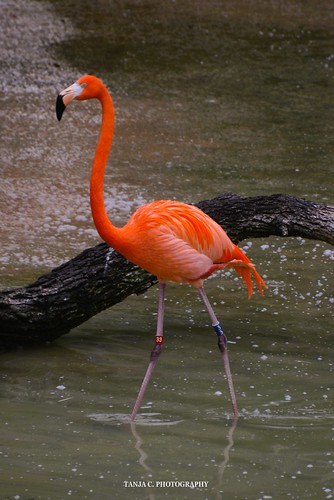
American Flamingo (Phoenicopterus ruber)

The American flamingo is a large bird with long pink legs and webbed feet. The plumage is a distinctive pink, with black on the flight feathers (the long feathers at the tips of the wings). The bill is pink and white with a black tip. The plumage coloring comes from the carotene that is found in the food that is eaten, such as brine shrimp. They live in large shallow lakes, lagoons, and mud flats in the Caribbean Islands, northern South America, the Yucatan Peninsula in Mexico, and the southern United States.

2025 · Wildlife Wednesday

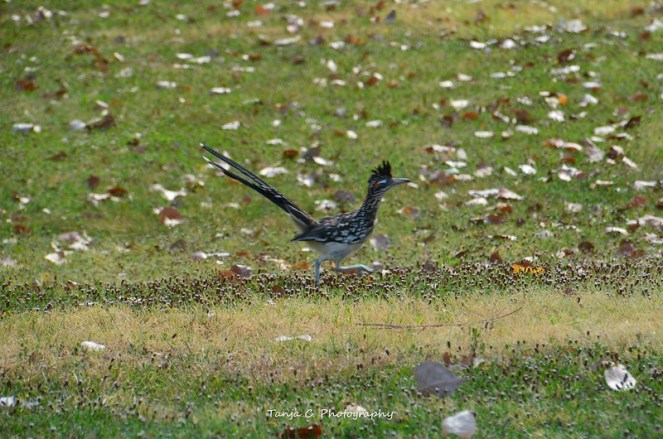
Greater Roadrunner (Geococcyx californianus)

Roadrunner at Isle Du Bois State Park in Texas

Although the Greater Roadrunner occurs throughout Texas, is well known, is the topic of much folklore, and is a very popular cartoon character, the only field research studies that have been conducted are in desert scrub or brush-grassland habitats in South Texas. As a popular, iconic, multicultural bird from prehistory to modern times, it is surprising that it was one of the last bird species to be given state protection because of the mistaken belief that roadrunners were a threat to declining quail populations.

:https://txtbba.tamu.edu/species-accounts/greater-roadrunner/

2025 · Wildlife Wednesday

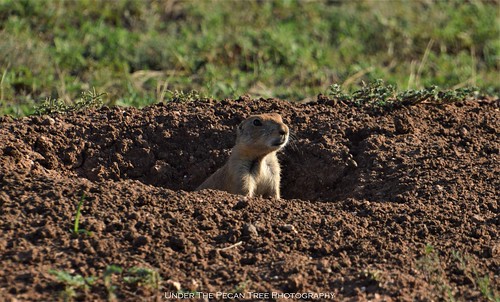
Black-tailed Prairie Dog (Cynomys ludovicianus)

This little Prairie Dog is on the lookout at the Wichita Mountain Wildlife Refuge in Oklahoma.

The Black-tailed Prairie Dog is one of the most social ground squirrels, living communally in large underground networks called “towns.” Named for the bark-like warning they give when predators are nearby, prairie dogs have an interesting social life, are ecologically important to the prairie ecosystem, and have seen drastic declines since 1900. 

Weighing in at two-and-a-half to three pounds, these gregari­ous rodents are primarily light brown with a black-tipped tail. The tan coloration serves as a predator defense; blending into the habitat allows prairie dogs to escape from hawks circling overhead and coyotes hunting from the ground. Like most rodents, prairie dogs are herbivores that feed on grasses and annual forbs. This diet keeps the surrounding area clipped, encouraging desired forbs to grow while improving predator detection. 

Found in dry, upland shortgrass and mixed-grass prairies, these rodents have well-developed forefeet for digging and maintain their extensive burrows. Entrances to the burrows are typically volcano-shaped and provide ventilation to the system, serve as lookout posts, and even help keep water out of the town. Prairie dog towns are surprisingly complicated. Dropping 10-15 feet from the surface at the main entrance, the primary tunnel can extend 50 feet or more. Several chambers can be found at the end of secondary tunnels, used separately for caching food, nesting, and even defecation.

 :https://www.wildlifedepartment.com/wildlife/field-guide/mammals/black-tailed-prairie-dog

2025 · Wildlife Wednesday

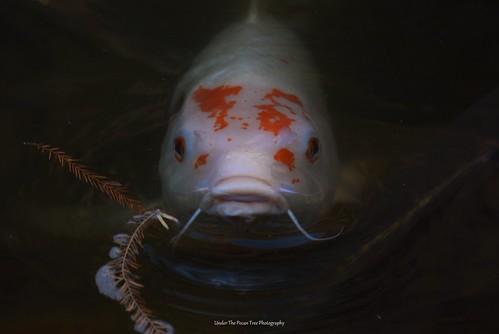
Koi (Cyprinus rubrofuscus)

Koi fish at the Japanese Garden in Fort Worth, Texas

Koi fish are colorful, ornamental versions of the common carp. Although carp domestication is believed to have begun in China as early as the 4th century, modern Japanese koi are believed to date back to early 19th-century Japan, where wild, colorful carp were caught, kept, and bred by rice farmers. There are now dozens of different color varieties of koi. Wild koi are native to the fresh bodies of water around the Black, Caspian, and Aral Seas. Domesticated in the 19th century, carp have now been introduced throughout the world. Koi are omnivorous feeders who will eat food found at all depths of water. The Japanese koi at the Kids’ Farm are fed a floating pellet, though they will also eat aquatic insects and algae.

:https://nationalzoo.si.edu/animals/japanese-koi

2025 · Wildlife Wednesday

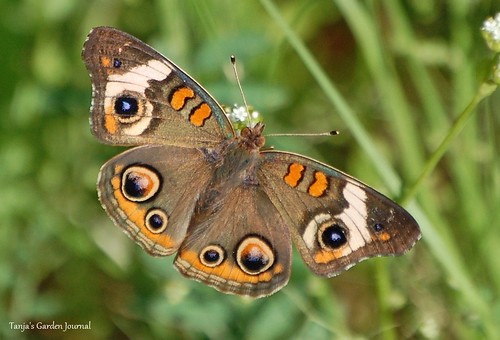
Common Buckeye Butterfly (Junonia coenia)

Buckeye Butterfly

Junonia coenia, known as the common buckeye or buckeye, is a butterfly in the family Nymphalidae. Its range covers much of North America and some of Central America, including most of the eastern half of the US, the lower to middle Midwest, the Southwest (including most of California), southern Canada, and Mexico. Its habitat is open areas with low vegetation and some bare ground. Its original ancestry has been traced to Africa, which then experienced divergence in Asia. The species Junonia grisea, the gray buckeye, is found west of the Rocky Mountains and was formerly a subspecies of Junonia coenia.

Caterpillars of these butterflies appear to prefer plants that produce iridoid glycosides, which are bitter compounds that release a hormone called gastrin that activates the digestive system (i.e., hunger); therefore, iridoid glycoside-producing plants stimulate and attract their appetites, particularly when found in plants like Plantago lanceolata. In fact, these metabolites may trigger oviposition behaviors in female butterflies so that descendant larval bodies may better incorporate iridoid glycosides. Iridoid glycoside metabolites appear to have a growth-stimulating effect on caterpillars but a growth-reducing effect on predators. Predators like ants, wasps, birds, and small animals prefer to feed on iridoid glycoside-poor caterpillars rather than iridoid glycoside-rich larvae, potentially due to these effects. Therefore, the immunity of Junonia coenia larvae to predators like ants appears to be strongly related to the concentration of iridoid glycosides sequestered in their bodies. However, excessive intake of iridoid glycosides in the diet can impair these larvae’s immune response and increase susceptibility to parasitism.

Adult butterflies feed on flowers with certain pollinator cues: yellow flowers that are ‘pre-change’, or flowers whose color has not been changed due to insect visitation or other factors. Common buckeye caterpillars feed in isolation rather than relying upon grouping behaviors. Vulnerability to the Junonia coenia densovirus is another concern for the survivorship of common buckeye larvae.

:https://en.wikipedia.org/wiki/Junonia_coenia

2025 · Wildlife Wednesday

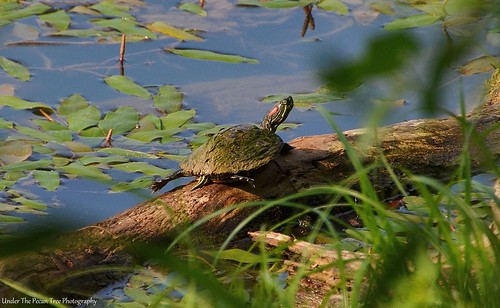
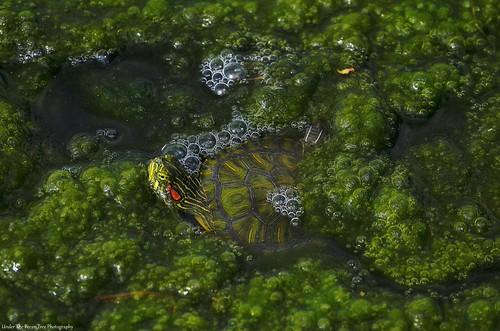
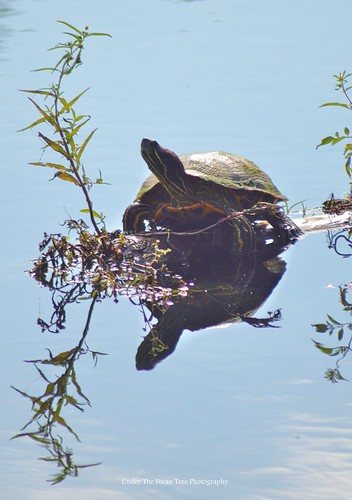
Red-eared Slider Turtle (Trachemys scripta elegans)

The red-eared slider (Trachemys scripta elegans) is a subspecies of the pond slider (Trachemys scripta), a semiaquatic turtle belonging to the family Emydidae. It is the most popular pet turtle in the United States, is also popular as a pet worldwide, and is the most invasive turtle. It is the most commonly traded turtle in the world. The red-eared slider is native from the Midwestern United States to northern Mexico, but has become established in other places because of pet releases, and has become invasive in many areas where it outcompetes native species. The red-eared slider is included in the list of the world’s 100 most invasive species.

The carapace of this species can reach more than 40 cm (16 in) in length, but the typical length ranges from 15 to 20 cm (6 to 8 in). The females of the species are usually larger than the males. They typically live between 20-30  years, although some individuals can live for more than 70 years. Their life expectancy is shorter when they are kept in captivity. The quality of their living environment has a strong influence on their lifespans and well-being.
The shell is divided into the upper or dorsal carapace and the lower, ventral carapace or plastron. The upper carapace consists of the vertebral scutes, which form the central, elevated portion; pleural scutes, which are located around the vertebral scutes; and then the marginal scutes around the edge of the carapace. The rear marginal scutes are notched. The scutes are bony keratinous elements. The carapace is oval and flattened (especially in the male) and has a weak keel that is more pronounced in the young. The color of the carapace changes depending on the age of the turtle. It usually has a dark green background with light and dark, highly variable markings. In young or recently hatched turtles, it is leaf green and gets slightly darker as a turtle gets older, until it is a very dark green, and then turns a shade between brown and olive green. The plastron is always a light yellow with dark, paired, irregular markings in the center of most scutes. The plastron is highly variable in pattern. The head, legs, and tail are green with fine, irregular, yellow lines. The whole shell is covered in these stripes and markings that aid in camouflaging an individual.

These turtles also have a complete skeletal system, with partially webbed feet that help them to swim and that can be withdrawn inside the carapace along with the head and tail. The red stripe on each side of the head distinguishes the red-eared slider from all other North American species and gives this species its name, as the stripe is located behind the eyes, where its (external) ears would be. These stripes may fade over time. The color and vibrance of ear stripes can indicate immune health, with bright red indicating a stronger immune response than yellow stripes. Some individuals can also have a small mark of the same color on the top of their heads. The red-eared slider does not have a visible outer ear or an external auditory canal; instead, it relies on a middle ear entirely covered by a cartilaginous tympanic disc.

Like other turtles, the species is poikilotherm and thus dependent on the temperature of its environment. For this reason, it needs to sunbathe frequently to warm up and maintain body temperature.

: https://en.wikipedia.org/wiki/Red-eared_slider

2025 · Wildlife Wednesday

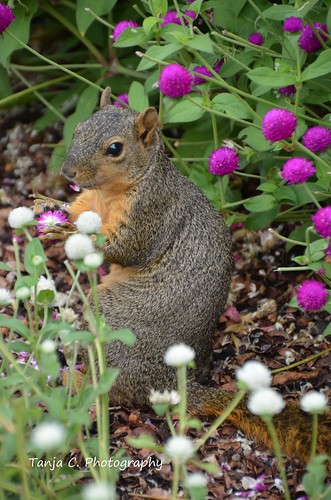
Eastern Fox Squirrel (Sciurus niger)

Fox squirrels are large tree squirrels. Due to their ability to adapt to a wide range of forest habitats, they are Texas’ most common squirrel. Their greatest numbers occur in open upland forests with a mixture of oak and nut trees. Fox squirrels are an important game animal, but their fondness for corn and pecans often causes them to be considered pests by farmers.

Squirrels are usually active early in the morning and late in the afternoon. Fox squirrels nest in holes in trees or build leaf and twig nests. They eat acorns and other nuts, buds, fruit, fungi, insects, amphibians, and the inner bark of trees. Squirrels bury nuts for winter food and relocate the nuts by smell. Squirrels find only a portion of the nuts they bury, and are important in planting many species of nut trees. A single squirrel can bury several thousand pecans over 3 months.

Squirrels’ long bushy tails are used for a variety of purposes. They can be wrapped around a squirrel’s face to keep them warm, used as an aid in balancing when they run along tree limbs, or spread and used as a parachute if the squirrel should fall. With a little practice, watching a squirrel’s tail movements gives you a clue to their mood. Quick jerks of the tail signal that they are nervous or upset.

Fox squirrels usually have two litters a year. Breeding season peaks in January and February and again in May and June. The young, usually 3 – 4 to a litter, are born naked, blind, and helpless. Just three months later, however, they can survive on their own. Squirrels can live up to 15 years.

: https://tpwd.texas.gov/huntwild/wild/species/easternfoxsquirrel/

2025 · Wildlife Wednesday

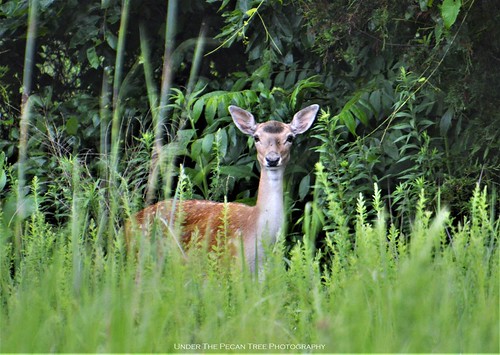
European Fallow Deer (Dama dama)

Fallow Deer at the Land Between the Lakes in Kentucky

The European fallow deer, also known as the common fallow deer or simply fallow deer (Dama dama), is a species of ruminant mammal belonging to the family Cervidae. It is native to Turkey and possibly the Italian Peninsula, Balkan Peninsula, and the island of Rhodes in Europe, but has also been introduced to other parts of Europe and the rest of the world.

Outside of Europe, this species has been introduced to Algeria, Antigua and Barbuda, Argentina, Australia, Canada, Cape Verde, Cyprus, Fernando Pó, Israel, Lebanon, Madagascar, Mauritius, Mayotte, Morocco, New Zealand, Peru, Réunion, São Tomé, South Africa, Comoros, the Falk Islands, Seychelles, Tunisia, and the United States.

https://en.wikipedia.org/wiki/European_fallow_deer

2025 · Wildlife Wednesday

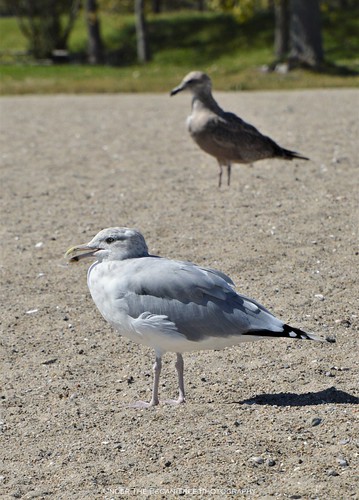
American Herring Gull (Larus smithsonianus)

The American Herring Gull or Smithsonian gull (Larus smithsonianus or Larus argentatus smithsonianus) is a large gull that breeds in North America, where it is treated by the American Ornithological Society as a subspecies of herring gull (Larus argentatus). Adults are white with gray back and wings, black wingtips with white spots, and pink legs. Immature birds are gray-brown and are darker and more uniform than European herring gulls, with a darker tail. As is common with other gulls, they are colloquially referred to simply as seagulls. It occurs in a variety of habitats, including coasts, lakes, rivers, parking lots, and garbage dumps. Its broad diet includes invertebrates, fish, and many other items. It usually nests near water, laying around three eggs in a scrape on the ground.
: https://en.wikipedia.org/wiki/American_herring_gull

2025 · Wildlife Wednesday

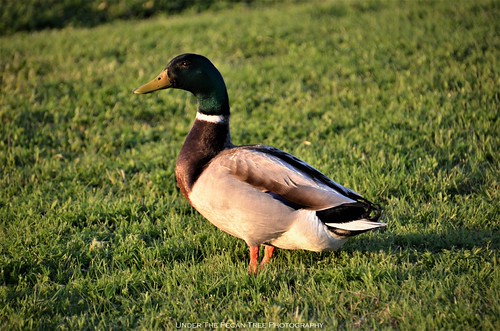
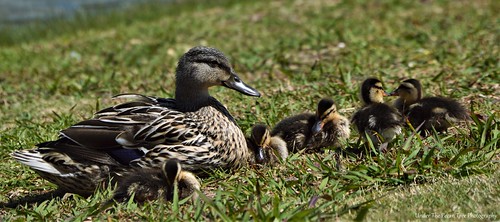
Mallard Duck (Anas platyrhynchos) 🦆

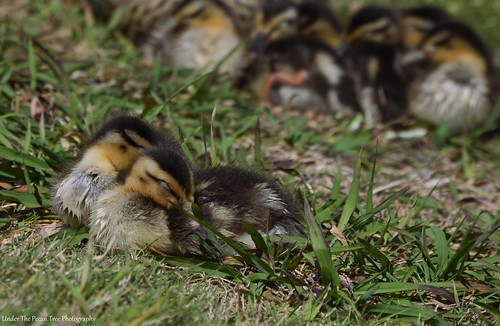
🦆 Mallard Ducks 🦆

If someone at a park feeds bread to ducks, there are Mallards in the fray. Perhaps the most familiar of all ducks, Mallards occur throughout North America and Eurasia in ponds, parks, wilder wetlands, and estuaries. The male’s gleaming green head, gray flanks, and black tail curl arguably make it the most easily identified duck. Mallards have long been hunted for the table, and almost all domestic ducks come from this species.

2025 · Wildlife Wednesday

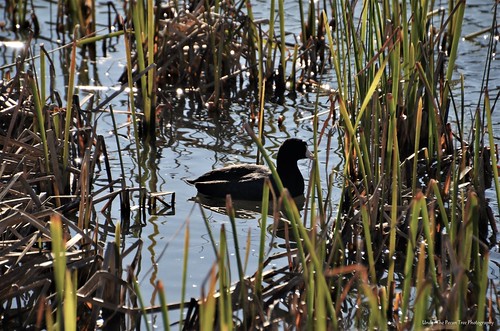
American Coot (Fulica americana)

American Coot at Josey Ranch Lake in Carrollton, Texas

The American coot (Fulica americana), also known as a mud hen, is a bird of the family Rallidae. Though commonly mistaken for ducks, American coots are only distantly related to ducks, belonging to a separate order. Unlike the webbed feet of ducks, coots have broad, lobed scales on their lower legs and toes that fold back with each step, which facilitates walking on dry land. Coots live near water, typically inhabiting wetlands and open water bodies in North America. Groups of coots are called a “raft” or “cover”. The oldest known coot lived to be 22 years old.

:https://en.wikipedia.org/wiki/American_coot

2025 · Wildlife Wednesday

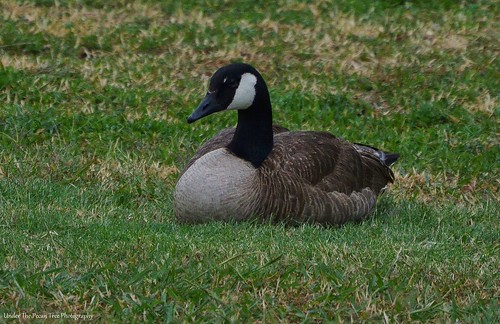
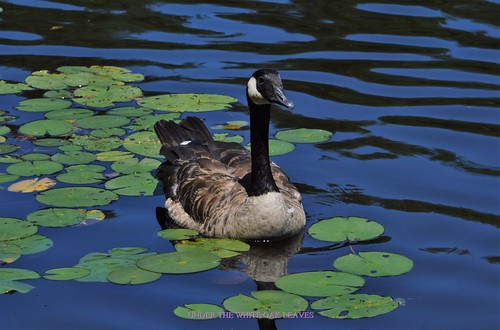
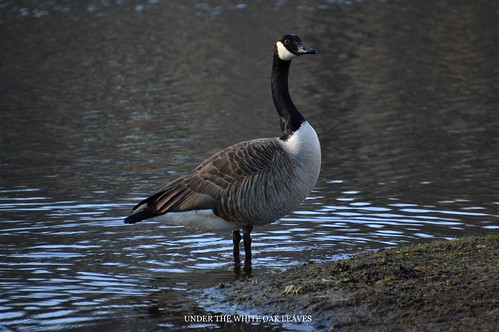
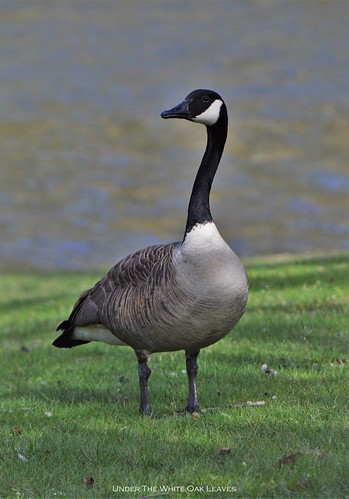
Canada Goose (Branta canadensis)

The big, black-necked Canada Goose with its signature white chinstrap mark is a familiar and widespread bird of fields and parks. Thousands of “honkers” migrate north and south each year, filling the sky with long V-formations. However, as lawns have proliferated, an increasing number of these grassland-adapted birds are remaining in urban and suburban areas year-round, where some people regard them as pests.

:https://www.allaboutbirds.org/guide/Canada_Goose/overview#

2025 · Wildlife Wednesday

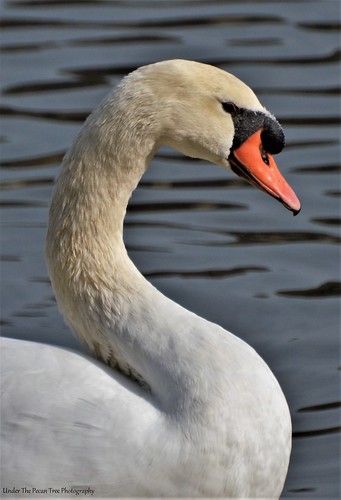
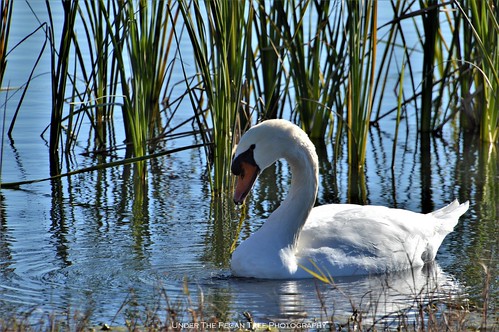
Mute Swan (Cygnus olor) 🦢

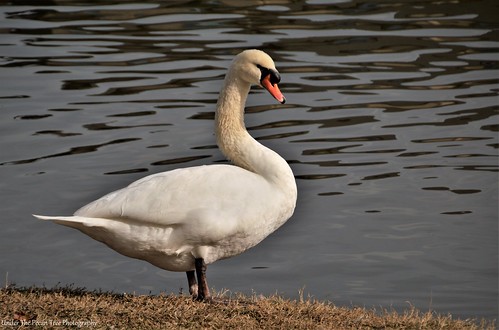
The exotic Mute Swan is the elegant bird of Russian ballets and European fairy tales. This swan swims with its long neck curved into an S and often holds its wings raised slightly above its back. Although they’re numerous and familiar in city parks and in bays and lakes in the Pacific Northwest, Great Lakes, Northeast, and Mid-Atlantic, Mute Swans are not native to North America. Their aggressive behavior and voracious appetites often disturb local ecosystems, displace native species, and even pose a hazard to humans.

Mute Swans were first brought to North America to decorate ponds and lakes in towns and cities, and that’s still the best place to find these familiar waterfowl. You may also find them on shallow wetlands, lakes, rivers, and estuaries within the scattered range where they’ve become established in the wild.

: https://www.allaboutbirds.org/guide/Mute_Swan/overview#

2025 · Wildlife Wednesday

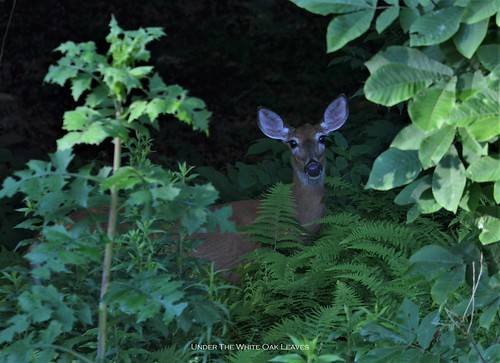
White-tailed Deer (Odocoileus virginianus) 🦌

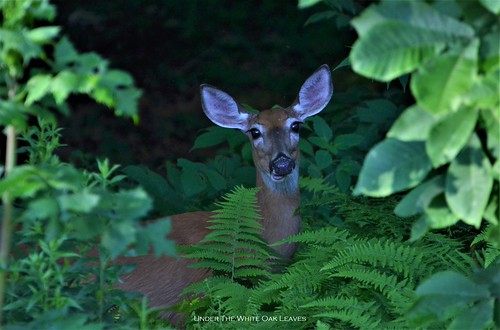
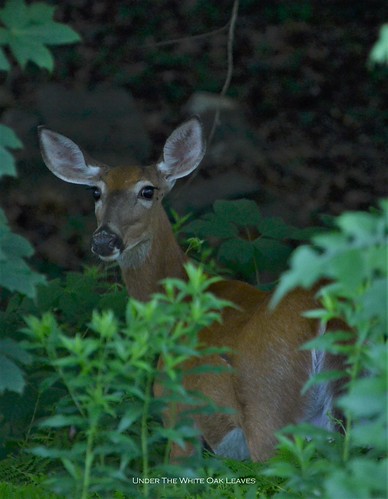
The white-tailed deer, also known commonly as the whitetail and the Virginia deer, is a medium-sized species of deer native to North America, Central America, and South America as far south as Peru and Bolivia, where it predominantly inhabits high mountain terrains of the Andes. It has also been introduced to New Zealand, all the Greater Antilles in the Caribbean (Cuba, Jamaica, Hispaniola, and Puerto Rico), and some countries in Europe, such as the Czech Republic, Finland, France, Germany, Romania, and Serbia. In the Americas, it is the most widely distributed wild ungulate.

In North America, the species is widely distributed east of the Rocky Mountains as well as in southwestern Arizona and most of Mexico, except Lower California. It is mostly displaced by the black-tailed or mule deer (Odocoileus hemionus) from that point west, except for mixed deciduous riparian corridors, river valley bottomlands, and lower foothills of the northern Rocky Mountain region from Wyoming west to eastern Washington and eastern Oregon, and north to northeastern British Columbia and southern Yukon, including in the Montana valley and foothill grasslands. The westernmost population of the species, known as the Columbian white-tailed deer, was once widespread in the mixed forests along the Willamette and Cowlitz River valleys of western Oregon and southwestern Washington, but current numbers are considerably reduced, and it is classified as near-threatened. This population is separated from other white-tailed deer populations.

Texas is home to the most white-tailed deer of any U.S. state or Canadian province, with an estimated population of 5.3 million. High populations of white-tailed deer exist in the Edwards Plateau of central Texas. Michigan, Minnesota, Iowa, Mississippi, Missouri, New Jersey, Illinois, Wisconsin, Maryland, New York, North Dakota, Ohio, and Indiana also boast high deer densities. The conversion of land adjacent to the Canadian Rockies to agricultural use and partial clear-cutting of coniferous trees, resulting in widespread deciduous vegetation, has been favorable to the white-tailed deer and has pushed its distribution to as far north as the Yukon. Populations of deer around the Great Lakes have expanded their range northwards, also due to the conversion of land to agricultural use, with local caribou, elk, and moose populations declining. White-tailed deer are crepuscular, meaning they are most active during the dawn and dusk hours.

:https://en.wikipedia.org/wiki/White-tailed_deer

2025 · Wildlife Wednesday

European Mantis (Mantis religiosa)

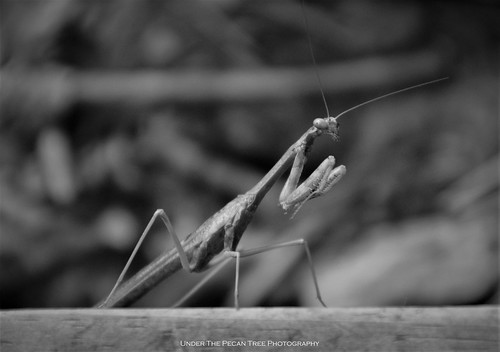
The European mantis is a large insect in the family of the Mantidae (‘mantids’), which is the largest family of the order Mantodea (mantises). Their common name, praying mantis, is derived from the distinctive posture of the first pair of legs that can be observed in animals in repose. It resembles a praying attitude. Both males and females have elongated bodies with two pairs of wings. The most striking features that all Mantodea share are a very mobile, triangular head with large compound eyes and their first pair of legs (the ‘raptorial legs’), which are highly modified for the efficient capture and restraint of fast-moving or flying prey. In Germany, the European Mantis is listed as Gefährdet [endangered] on the German Red List based on an assessment from 1998. It is not supposed to be caught or held as a pet. At a global level, it is assessed by the IUCN as of least concern.

European Mantis
2025 · Wildlife Wednesday

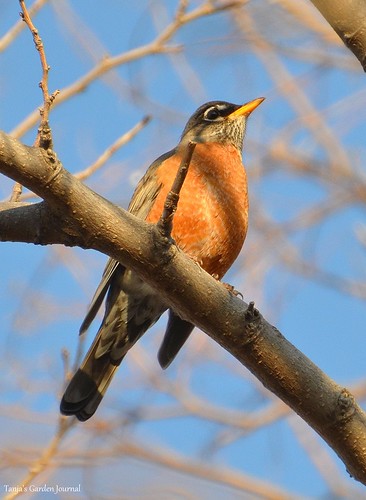
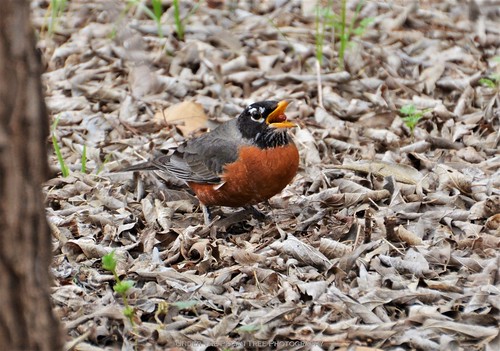
American Robin (Turdus migratorius)

The quintessential early bird, American Robins are common sights on lawns across North America, where you often see them tugging earthworms out of the ground. Robins are popular birds for their warm orange breast, cheery songs, and early appearance at the end of winter. Though they are familiar town and city birds, American Robins are at home in wilder areas, too, including mountain forests and Alaskan wilderness.

American Robins are industrious birds that bound across lawns or stand erect, beaks tilted upward, to survey their environs. When alighting, they habitually flick their tails downward several times. In Autumn and Winter, they form large flocks and gather in trees to roost or eat berries. These birds are common across the continent in gardens, parks, yards, golf courses, fields, pastures, and tundra, as well as deciduous woodlands, pine forests, shrublands, and forests regenerating after fires or logging.

: https://www.allaboutbirds.org/guide/American_Robin/id

2025 · Wildlife Wednesday

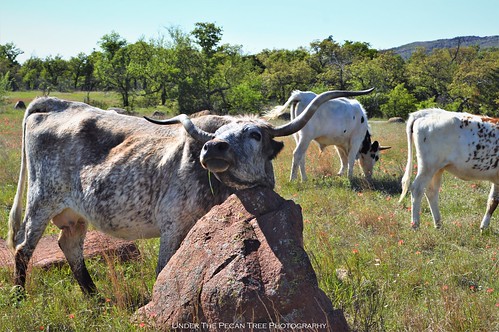
Texas Longhorn (Bos primigenius)

Longhorns in the Meadow

The Texas Longhorn is an American breed of beef cattle, characterized by its long horns, which can span more than 8 ft (2.4 m) from tip to tip. It derives from cattle brought from the Iberian Peninsula to the Americas by Spanish conquistadores from the time of the Second Voyage of Christopher Columbus until about 1512. For hundreds of years, the cattle lived a semi-feral existence on the rangelands; they have a higher tolerance to heat and drought than most European breeds.[6] It can be of any color or mix of colors. In some 40% of the cattle, it is some shade of red, often a light red; the only shade of red not seen is the deep color typical of the Hereford. In the twenty-first century, it is considered part of the cultural heritage of Texas.

:https://en.wikipedia.org/wiki/Texas_Longhorn

2025 · Wildlife Wednesday

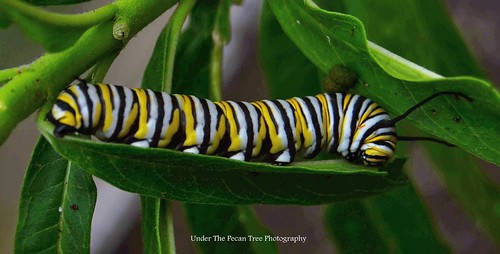
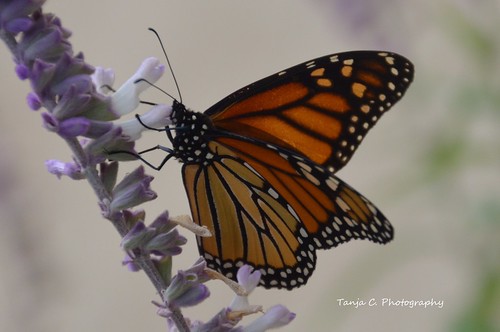
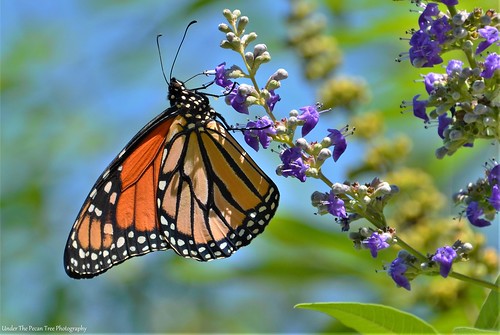
Monarch Butterfly (Danaus plexippus)

The monarch butterfly (Danaus plexippus) is a milkweed butterfly (subfamily Danainae) in the family Nymphalidae. Other common names, depending on region, include milkweed, common tiger, wanderer, and black-veined brown. It is amongst the most familiar of North American butterflies and an iconic pollinator, although it is not an especially effective pollinator of milkweed. Its wings feature an easily recognizable black, orange, and white pattern, with a wingspan of 8.9–10.2 cm (3.5–4.0 in). A Müllerian mimic, the viceroy butterfly, is similar in color and pattern but is markedly smaller and has an extra black stripe across each hindwing.

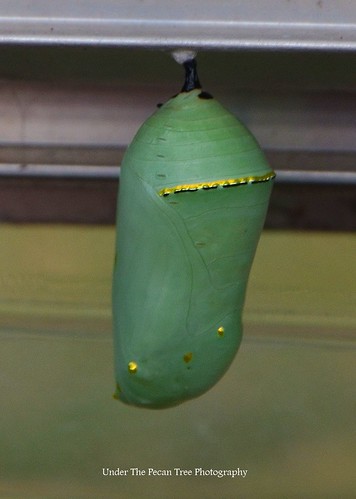
The eastern North American monarch population is notable for its annual southward late-summer/autumn instinctive migration from the northern and central United States and southern Canada to Florida and Mexico. During the fall migration, monarchs cover thousands of miles, with a corresponding multigenerational return north in spring. The western North American population of monarchs west of the Rocky Mountains often migrates to sites in southern California, but individuals have been found in overwintering Mexican sites. In 2009, monarchs were reared on the International Space Station, successfully emerging from pupae located in the station’s Commercial Generic Bioprocessing Apparatus.

: https://en.wikipedia.org/wiki/Monarch_butterfly

2025 · Wildlife Wednesday

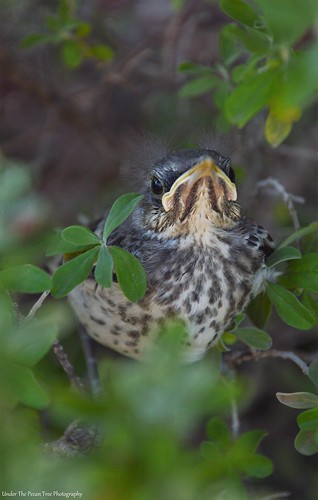
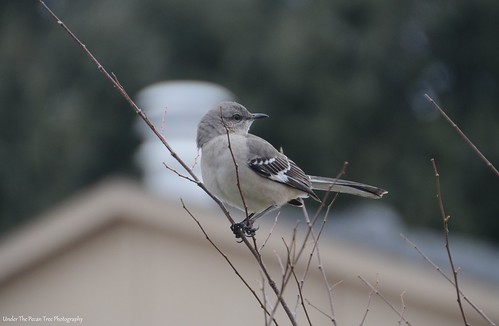
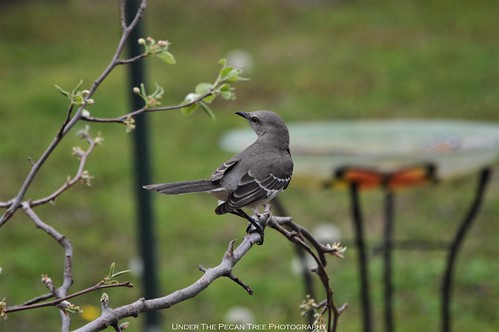
Northern Mockingbird (Mimus polyglottos)

Mockingbirds are one of the most commonly noticed birds in the state of Texas. They are either applauded for their audaciousness or cursed for their persistence in nocturnal singing or in the defense of their territory. Insects, fruit, crustaceans, and small vertebrates make up the mockingbird’s diet. The fact that they enjoy fresh fruits and vegetables hasn’t exactly made them gardeners’ friends either, although they do eat lots of insects.

Mockingbirds are found in just about every habitat type in the state. The males’ territoriality and constant singing and displaying during the breeding season make them the most noticeable birds in Texas. Often, this territoriality takes the form of early morning singing sessions or diving attacks on other animals or people!

Unmated male mockingbirds sing more than mated ones, and only unmated males sing at night. Both sexes sing in the fall to claim winter feeding territories. These areas are often different than their spring breeding territories. Mockingbirds mimic 50 other bird songs. They have also been known to imitate other sounds they hear, such as rusty hinges, whistling, cackling hens, and dogs barking so expertly that even an electronic analysis could not tell the difference between the mockingbird and the original. Scientists have found that female mockingbirds are attracted to males that can make the most different sounds.

:https://tpwd.texas.gov/huntwild/wild/species/mockbird/