A Texas city girl in a small New England town …


◊◊◊◊◊






🍅🍅🍅🍅🍅
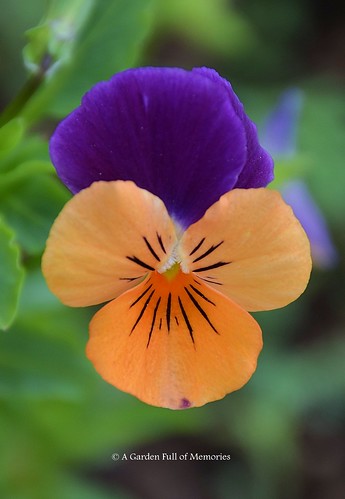
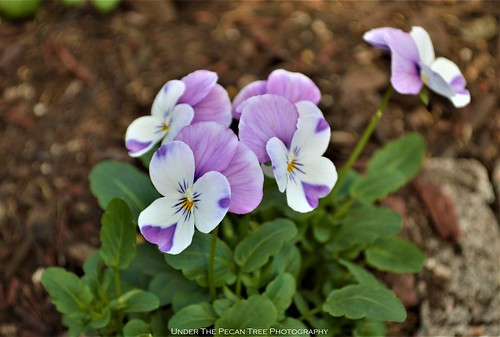
Viola tricolor is a common European wildflower, growing as an annual or short-lived perennial. The species is also known as wild pansy, Johnny Jump up (though this name is also applied to similar species such as the yellow pansy), heartsease, heart’s ease, heart’s delight, tickle-my-fancy, Jack-jump-up-and-kiss-me, come-and-cuddle-me, three faces in a hood, love-in-idleness, and pink of my john.
It has been introduced into North America, where it has spread. It is the progenitor of the cultivated pansy, and is therefore sometimes called wild pansy; before the cultivated pansies were developed, “pansy” was an alternative name for the wild form. It can produce up to 50 seeds at a time. The flowers can be purple, blue, yellow, or white.
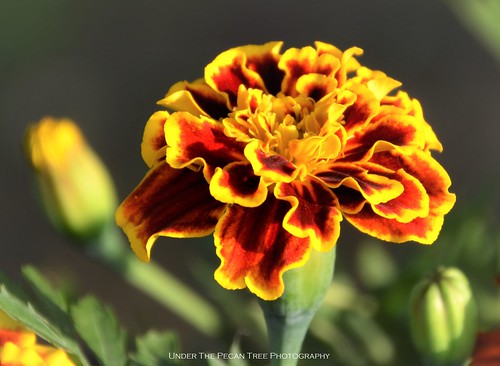
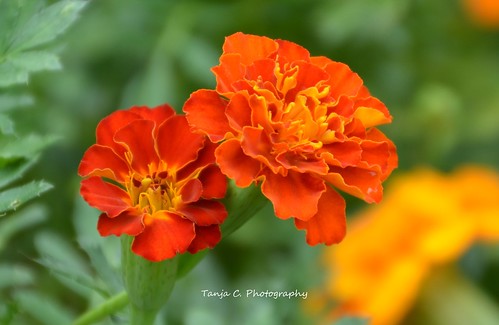
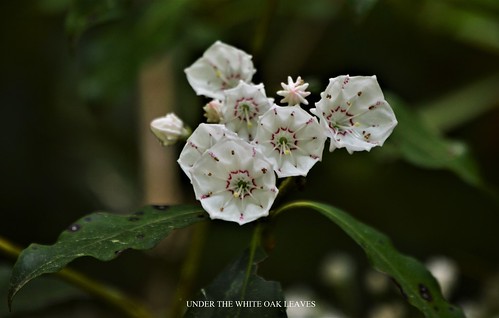
Designated as the State Flower by the General Assembly in 1907, the Mountain Laurel is perhaps the most beautiful of native American shrubs. Its fragrance and the massed richness of its white and pink blossoms so vividly contrast with the darker colors of the forests and the fields that they have continually attracted the attention of travelers since the earliest days of our colonization. First mentioned in John Smith’s “General History,” in 1624, specimens were sent to Linnaeus, the famous botanist, by the Swedish explorer Peter Kalm in 1750. Linnaeus gave it the name of Kalmia latifolia, honoring the name of his correspondent and at the same time describing the “wide-leafed” characteristic of the plant. In addition to being called the “Mountain Laurel,” the plant has also been spoken of as “Calico Bush” and “Spoonwood.”
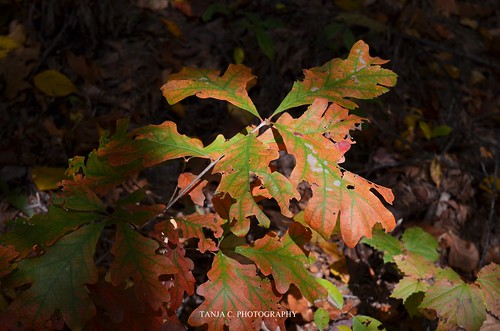
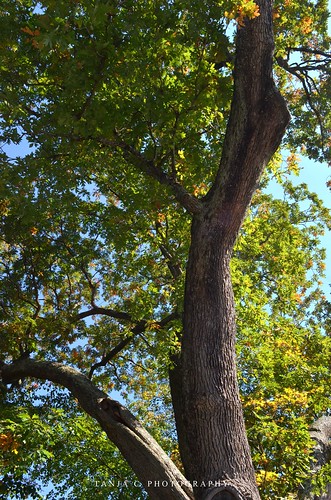
The White Oak (Quercus alba) is one of the preeminent hardwoods of eastern and central North America. It is a long-lived oak, native to eastern and central North America and found from Minnesota, Ontario, Quebec, and southern Maine south as far as northern Florida and eastern Texas. Specimens have been documented to be over 450 years old. Although called a white oak, it is very unusual to find an individual specimen with white bark; the usual color is light grey. The name comes from the color of the finished wood. In the forest, it can reach a magnificent height, and in the open, it develops into a massive broad-topped tree with large branches striking out at wide angles.
Quercus alba is fairly tolerant of a variety of habitats and may be found on ridges, in valleys, and in between, in dry and moist habitats, and in moderately acid and alkaline soils. It is mainly a lowland tree but reaches altitudes of 1,600 m (5,249 ft) in the Appalachian Mountains. It is often a component of the forest canopy in an oak-heath forest. Frequent fires in the Central Plains region of the United States prevented oak forests, including White Oak, from expanding into the Midwest. However, a decrease in the frequency of these natural fires after European settlement caused the rapid expansion of oak forests into the Great Plains, negatively affecting the natural prairie vegetation.

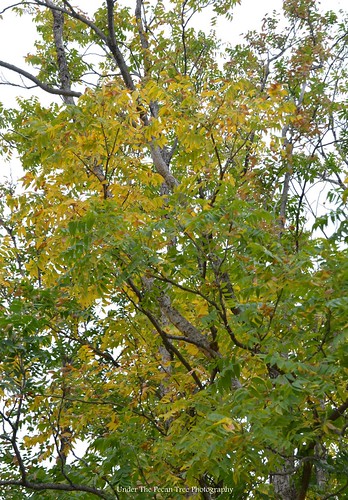
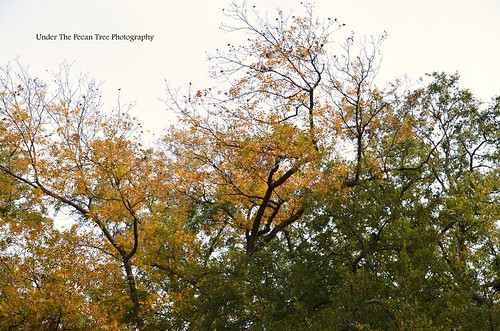
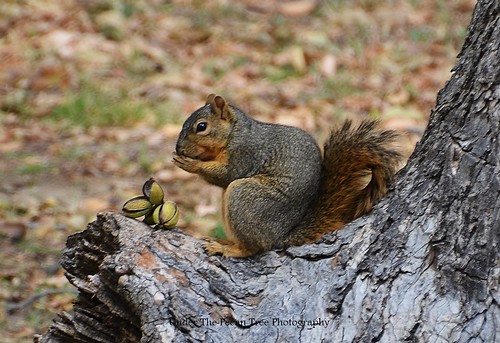
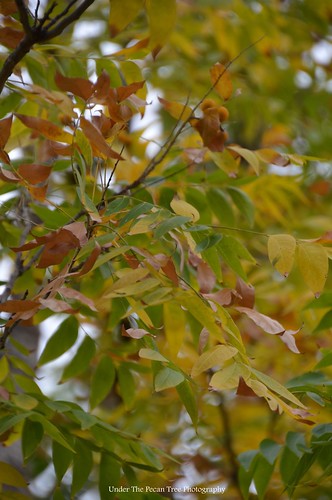
The pecan is a member of the Juglandaceae family. Juglandaceae are represented worldwide by seven and ten extant genera and more than 60 species. Most of these species are concentrated in the Northern Hemisphere of the New World, but some can be found on every continent except Antarctica. The first fossil examples of the family appear during the Cretaceous. Differentiation between the subfamilies of Engelhardioideae and Juglandioideae occurred during the early Paleogene, about 64 million years ago. Extant examples of Engelhardioideae are generally tropical and evergreen, while those of Juglandioideae are deciduous and found in more temperate zones.
The second major step in the development of pecan was a change from wind-dispersed fruits to animal dispersion. This dispersal strategy coincides with developing a husk around the fruit and a drastic change in the relative concentrations of fatty acids. The ratio of oleic to linoleic acids is inverted between wind- and animal-dispersed seeds. Further differentiation from other species of Juglandaceae occurred about 44 million years ago during the Eocene. The fruits of the pecan genus Carya differ from those of the walnut genus Juglans only in the formation of the husk of the fruit. The husks of walnuts develop from the bracts, bracteoles, and sepals. The husks of pecans develop from the bracts and the bracteoles only.


 Under The Harvest Moon