☀❄☀❄☀❄☀❄☀❄☀❄☀❄☀❄☀❄☀❄☀❄☀❄☀❄☀❄☀❄☀❄☀❄☀❄
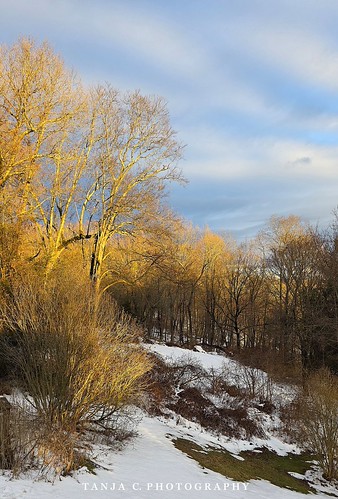


Winter in Connecticut 2026
☀❄☀❄☀❄☀❄☀❄☀❄☀❄☀❄☀❄☀❄☀❄☀❄☀❄☀❄☀❄☀❄☀❄☀❄
A Texas city girl in a small New England town …

☀❄☀❄☀❄☀❄☀❄☀❄☀❄☀❄☀❄☀❄☀❄☀❄☀❄☀❄☀❄☀❄☀❄☀❄
☀❄☀❄☀❄☀❄☀❄☀❄☀❄☀❄☀❄☀❄☀❄☀❄☀❄☀❄☀❄☀❄☀❄☀❄
❄☃❄☃❄☃❄☃❄☃❄☃❄☃❄☃❄☃❄☃❄☃❄☃❄☃❄☃❄☃❄☃❄☃❄☃
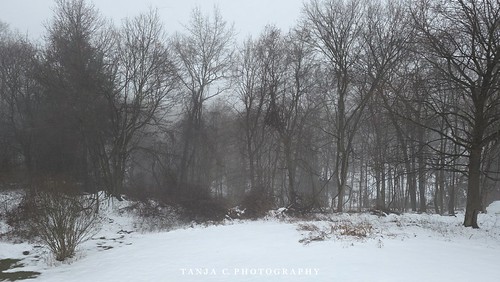
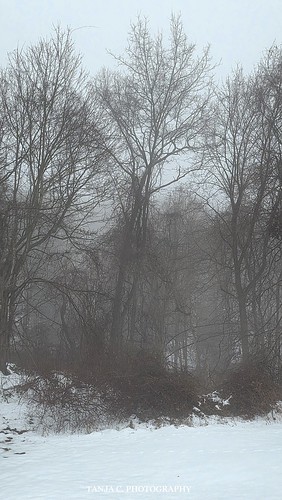
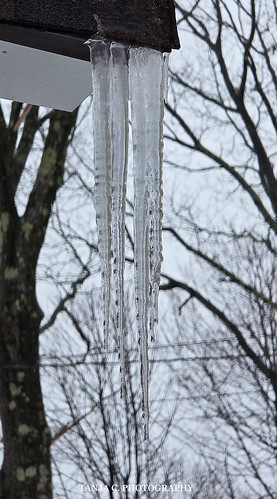

❄☃❄☃❄☃❄☃❄☃❄☃❄☃❄☃❄☃❄☃❄☃❄☃❄☃❄☃❄☃❄☃❄☃❄☃
🎂🎉🍾🥂🎂🎉🍾🥂🎂🎉🍾🥂🎂🎉🍾🥂🎂🎉🍾🥂🎂🎉🍾🥂🎂🎉🍾🥂🎂🎉🍾🥂🎂🎉🍾🥂

🎂🎉🍾🥂🎂🎉🍾🥂🎂🎉🍾🥂🎂🎉🍾🥂🎂🎉🍾🥂🎂🎉🍾🥂🎂🎉🍾🥂🎂🎉🍾🥂🎂🎉🍾🥂
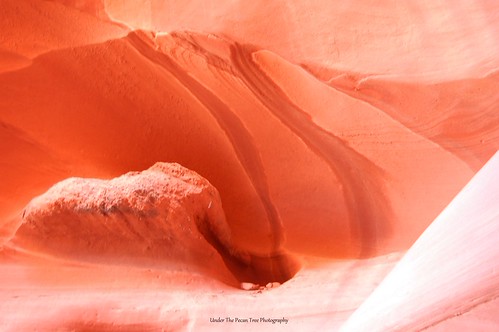
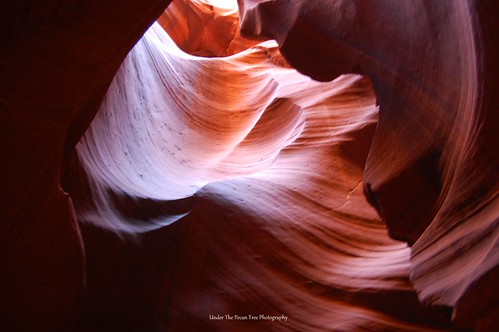
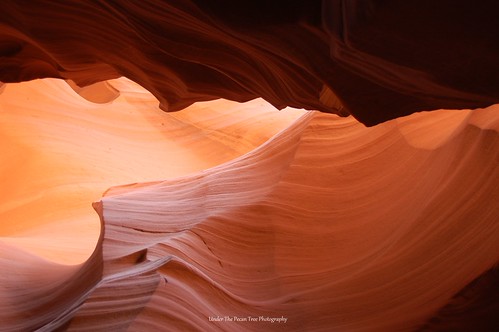
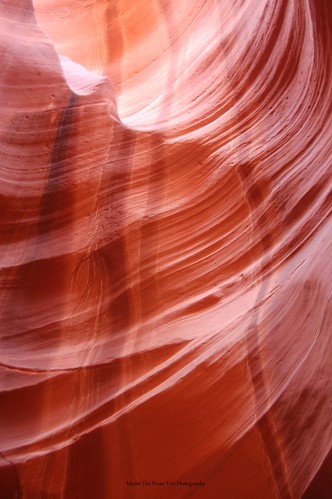
The study of rocks was first introduced by the Ancient Greek Theophrastus in his work, “Peri Lithon” (“On Stones”), and became the cornerstone of geology for other interested scientists. The study was advanced by Pliny the Elder, who recorded numerous minerals and metals in great detail, with a particular focus on their practical use. Although working without the tools we use today, Pliny correctly identified amber’s origin as fossilized tree resin.
It wasn’t until 1603 that the word ‘geology’ was used for the first time by Italian naturalist Ulisse Aldrovandi. It took a further 150 years for the first geological maps to be drawn by British geologist William Smith, whose work began by ordering rock layers by examining the fossils contained in them.
Then, in 1785, James Hutton wrote and presented a paper to the Royal Society of Edinburgh called ‘Theory of the Earth’, which outlined his belief that the world was far older than previously thought. His breakthroughs make him widely considered the first modern geologist.
In 1809, William Maclure produced the first geological map of the USA, a task he completed thanks to two painstaking years spent personally traversing the country. With the invention of radiometric dating in the early 20th century, scientists could finally provide an accurate figure for the age of the Earth by tracing the radioactive impurities found in rocks. It helped scientists to see that the Earth is one ancient rock indeed!

For over 100 years, bobbleheads have been entertaining and fascinating fans and collectors. They come in a variety of shapes and sizes, too. Bobbleheads commemorate iconic teams, movies, and cartoon characters. Individually, they represent some of our most exciting athletes or thrilling television and movie characters.
Early bobbleheads, known as bobbers or nodders, developed in Germany. They took root in the United States pop culture in the 1950s and 60s. Bobbleheads resurged in the late 1990s when professional sports teams began using them as promotional items. Today, as toys and collectibles, bobbleheads continue to amuse and captivate us.
:https://www.nationaldaycalendar.com/national-day/national-bobblehead-day
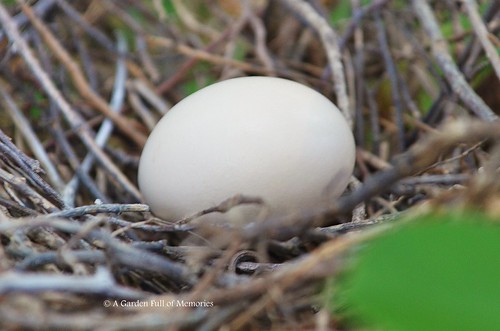
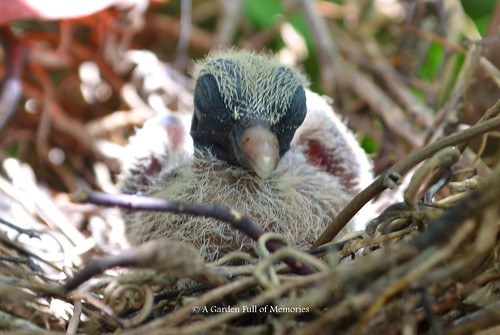
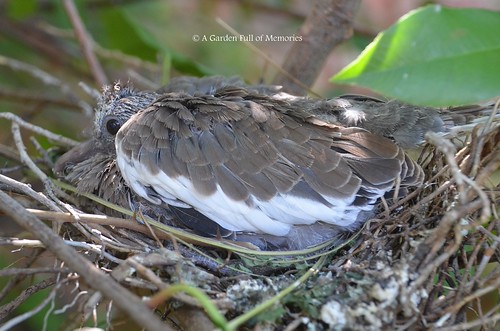
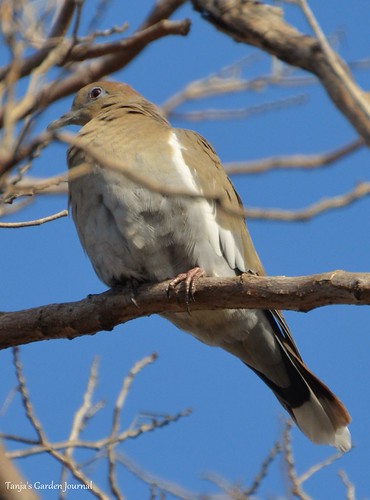
The White-winged Doves (Zenaida asiatica) – also known as Singing or Mesquite Doves – are large, semi-tropical, and pigeon-like doves that occur naturally in the Americas. They are sometimes considered conspecific (one and the same species) with the West Peruvian Dove (Zenaida meloda); however, differences in vocalizations and morphology are credible arguments against this theory. In fact, they may best be placed into the bird genus Columba (typical pigeons) than the dove genus Zenaida (American doves).
White-winged Doves occur naturally in the United States from the Southwest east to Texas and Louisiana, south to Mexico, Central America, and the Caribbean, into parts of western South America. Introduced populations have established themselves in Florida, USA. They have been increasing their range northward. In fact, they have been reported as far north as Alaska to Ontario, Maine, Newfoundland, and most places in between. Most of them are seasonally migratory. They breed in the United States and northern Mexico and travel south to Mexico, Central and South America, and some Caribbean islands for the winter. However, those populations occurring in areas where food is available year-round – in the southern parts of their range – tend to be year-round residents. They inhabit scrub, woodlands, desert, citrus orchards, agricultural fields, and residential areas throughout their range. Many farmers in Mexico refer to them as “la plaga” (the plague) as large flocks – sometimes thousands of them – may descend upon a single field of grain, and decimate it (particularly after the breeding season).
 Under The Harvest Moon