
🌑🌒🌓🌔🌕🌖🌗🌘🌑
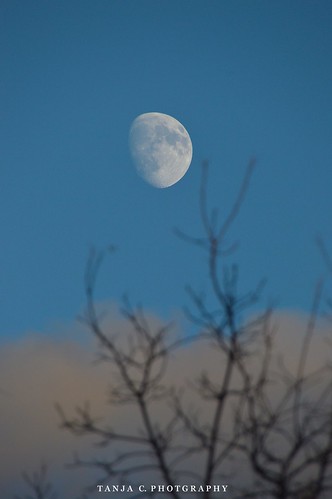
A Texas city girl in a small New England town …

🌑🌒🌓🌔🌕🌖🌗🌘🌑
🍃🍂🍁🍃🍂🍁🍃🍂🍁🍃🍂🍁🍃🍂🍁🍃🍂🍁🍃🍂🍁🍃🍂🍁🍃🍂🍁🍃🍂🍁🍃🍂🍁🍃🍂🍁






🍃🍂🍁🍃🍂🍁🍃🍂🍁🍃🍂🍁🍃🍂🍁🍃🍂🍁🍃🍂🍁🍃🍂🍁🍃🍂🍁🍃🍂🍁🍃🍂🍁🍃🍂🍁
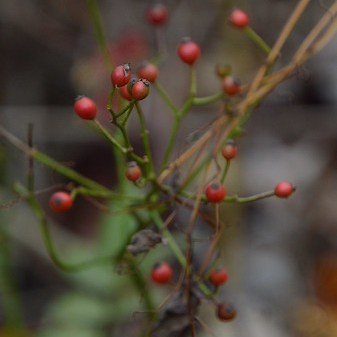
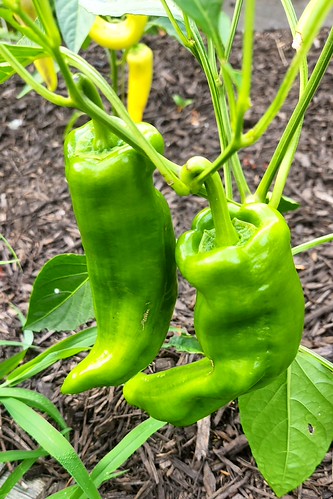
There are hundreds of different ways to enjoy these crunchy, appetizing fruits. Yes, you heard me right. Peppers are fruits, not vegetables, because of the seeds they contain. Either way, though, they can be enjoyed with both sweet and salty meals and are incredibly healthy for you. Peppers are related to chili peppers (obviously), tomatoes, and breadfruit, all of which are native to Central and South America. They come in a variety of beautiful, vibrant colors like bright red, green, yellow, and orange, and have a crunchy, satisfying texture.
: https://www.nationaldaycalendar.com/november/national-pepper-month-november
🍁🍃🍄🍂🍁🍃🍄🍂🍁🍃🍄🍂🍁🍃🍄🍂🍁🍃🍄🍂🍁🍃🍄🍂🍁🍃🍄🍂🍁🍃🍄🍂🍁🍃🍄🍂
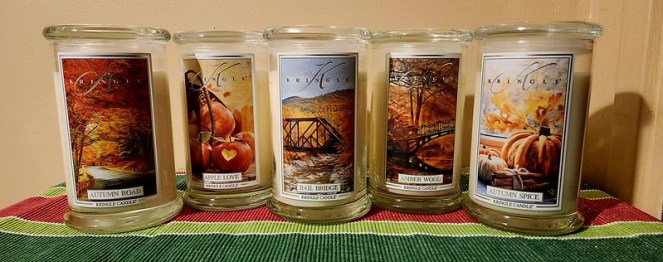
Candles have been around for thousands of years. There is no exact date to pinpoint the origin of candlemaking, but there is documentation of different civilizations creating candles for more than 5,000 years. The ancient Egyptians are documented to have made candles in 3000 B.C. from a combination of animal fat and reeds. The reed wasn’t like the wick we use today, but they used animal fat as the wax we use today. In around 500 B.C., the Romans made candles by dipping rolled papyrus made from the papyrus plant’s pith and repeatedly melting the tallow (made from melted beef or mutton fat) or beeswax to form the first candlewick.
Evidence shows that around the world, other civilizations also used wicked candles. The Chinese made wicks from rolled rice paper, and their wax was made from a combination of insects and seeds or whale fat. The Japanese are said to make their candles from wax extracted from tree nuts, and in India, people make wax by boiling the fruit of the cinnamon tree. These were probably the first scented candles, as they gave off a pleasant smell when burned.
Candles lost their popularity as essentially an illuminating material with the invention of the light bulb in 1879. Candles then became a decorative item, and the first scented candles became available. By the mid-1980s, candles were established as a great mood enhancer, gifts, and decorative items.
: https://nationaltoday.com/scented-candle-day/
🍁🍃🍄🍂🍁🍃🍄🍂🍁🍃🍄🍂🍁🍃🍄🍂🍁🍃🍄🍂🍁🍃🍄🍂🍁🍃🍄🍂🍁🍃🍄🍂🍁🍃🍄🍂
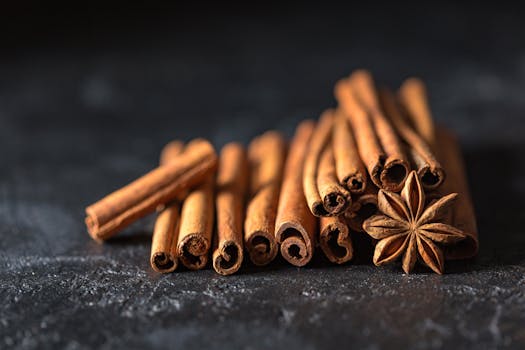
National Cinnamon Day celebrates one of the most popular holiday spices. It is quite impossible to think of the holidays without the aroma of cinnamon popping into one’s head. From cookies, rolls, and teas to pies and chocolates, cinnamon exists in almost every holiday snack, meal, and beverage.
McCormick Spices founded National Cinnamon Day in 2019. The holiday encourages us to make new memories and share the warmth cinnamon brings. It is dedicated to celebrating cinnamon’s versatility by highlighting its deliciousness and its plethora of health benefits.
Cinnamon is obtained from the dried inner bark of several tree species in the Laurel family (Lauraceae). We use cinnamon sticks or powder for everything consumable. Although initially hidden for market gains, cinnamon has been around for a very long time, and there are many myths and theories surrounding how it is sourced.
Indonesia and China are the major producers, making up 70% of the worldwide production. At the same time, the rest of the world focuses on creating new recipes, finding new uses, and exploring the health benefits of cinnamon. The world has generated many directions of cinnamon, from producing to consuming to selling — it is a commodity everywhere.
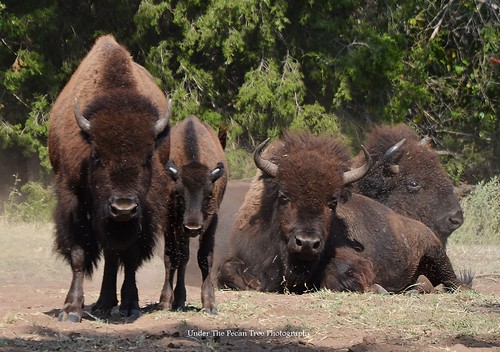
The official National Mammal of the United States, the iconic North American Bison, has played a cultural, economic, and environmental role in the country’s history. Central to the livelihood of Native Americans, they are also a healthy food source and vital to religious ceremonies. The bison is the largest land mammal in North America, with males weighing up to 2,000 pounds and standing up to 6 feet tall. While cows may be smaller at 1,000 pounds and up to 5 feet tall, they’re still mighty powerful. However, Bison only live up to 20 years. The dark brown to black, thick, shaggy coat of the full-grown bison keeps them warm during long, cold winters on the plains. When they’re born, the calves sport a reddish coat. While giant herds once covered the plains, hunters nearly decimated them by the 1800s. Now, bison populate all 50 states, living in national parks, refuges, and on tribal and private lands.

🍂🍁🧙♀️🍂🍁🧙♀️🍂🍁🧙♀️🍂🍁🧙♀️🍂🍁🧙♀️🍂🍁🧙♀️🍂🍁🧙♀️🍂🍁🧙♀️🍂🍁🧙♀️🍂🍁🧙♀️🍂🍁🧙♀️🍂🍁🧙♀️
🍂🍁🧙♀️🍂🍁🧙♀️🍂🍁🧙♀️🍂🍁🧙♀️🍂🍁🧙♀️🍂🍁🧙♀️🍂🍁🧙♀️🍂🍁🧙♀️🍂🍁🧙♀️🍂🍁🧙♀️🍂🍁🧙♀️🍂🍁🧙♀️
👻🎃🕸👻🎃🕸👻🎃🕸👻🎃🕸👻🎃🕸👻🎃🕸👻🎃🕸👻🎃🕸👻🎃🕸👻🎃🕸👻🎃🕸👻🎃🕸


👻🎃🕸👻🎃🕸👻🎃🕸👻🎃🕸👻🎃🕸👻🎃🕸👻🎃🕸👻🎃🕸👻🎃🕸👻🎃🕸👻🎃🕸👻🎃🕸
🍃🍂🍁🍃🍂🍁🍃🍂🍁🍃🍂🍁🍃🍂🍁🍃🍂🍁🍃🍂🍁🍃🍂🍁🍃🍂🍁🍃🍂🍁🍃🍂🍁🍃🍂🍁

Author: Clyde Watson
🍃🍂🍁🍃🍂🍁🍃🍂🍁🍃🍂🍁🍃🍂🍁🍃🍂🍁🍃🍂🍁🍃🍂🍁🍃🍂🍁🍃🍂🍁🍃🍂🍁🍃🍂🍁


 Under The Harvest Moon