🍃🍂🍁🍃🍂🍁🍃🍂🍁🍃🍂🍁🍃🍂🍁🍃🍂🍁🍃🍂🍁🍃🍂🍁🍃🍂🍁🍃🍂🍁🍃🍂🍁🍃🍂🍁


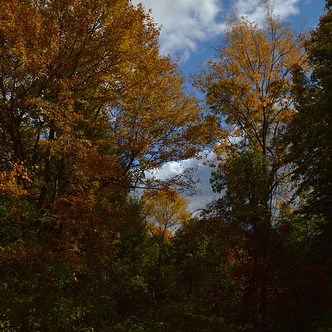

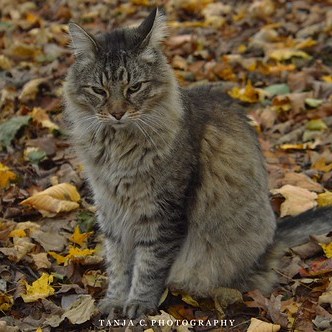
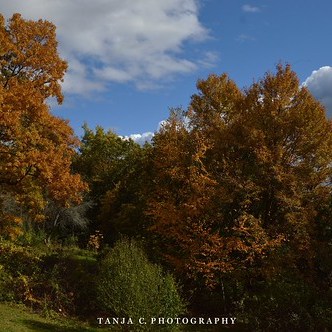
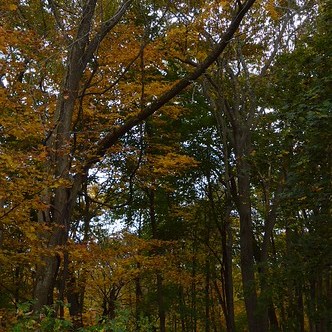
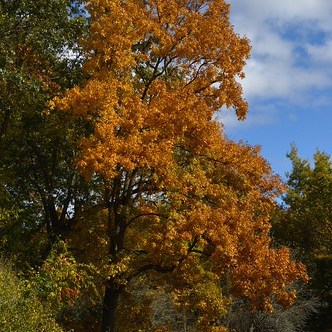
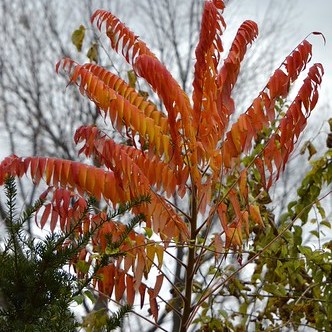
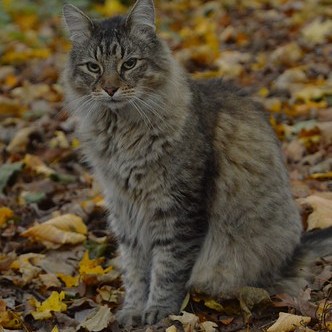
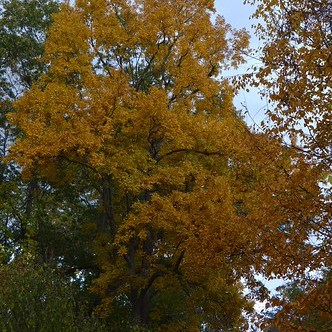
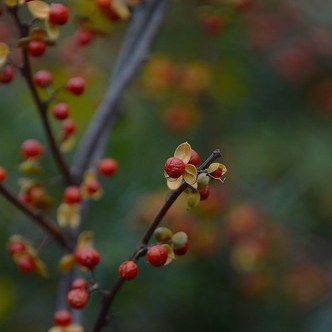
Autumn In Connecticut 2025





🍃🍂🍁🍃🍂🍁🍃🍂🍁🍃🍂🍁🍃🍂🍁🍃🍂🍁🍃🍂🍁🍃🍂🍁🍃🍂🍁🍃🍂🍁🍃🍂🍁🍃🍂🍁
A Texas city girl in a small New England town …

🍃🍂🍁🍃🍂🍁🍃🍂🍁🍃🍂🍁🍃🍂🍁🍃🍂🍁🍃🍂🍁🍃🍂🍁🍃🍂🍁🍃🍂🍁🍃🍂🍁🍃🍂🍁
🍃🍂🍁🍃🍂🍁🍃🍂🍁🍃🍂🍁🍃🍂🍁🍃🍂🍁🍃🍂🍁🍃🍂🍁🍃🍂🍁🍃🍂🍁🍃🍂🍁🍃🍂🍁
👻🎃🕸👻🎃🕸👻🎃🕸👻🎃🕸👻🎃🕸👻🎃🕸👻🎃🕸👻🎃🕸👻🎃🕸👻🎃🕸👻🎃🕸👻🎃🕸
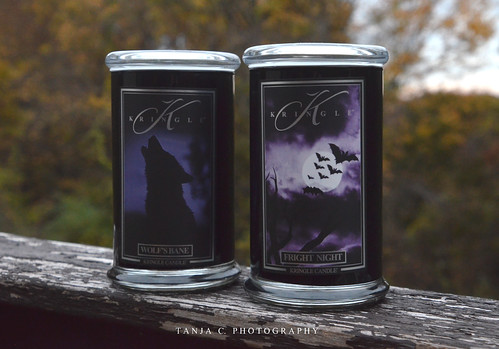
𝑾𝒐𝒍𝒇’𝒔 𝑩𝒂𝒏𝒆
While folklore suggests this unassuming yellow woodland flower might repel werewolves, we’re sure its delightful floral fragrance will have you happily howling at the moon!
Top: Floral
Mid: Amber
Base: Powder
𝑭𝒓𝒊𝒈𝒉𝒕 𝑵𝒊𝒈𝒉𝒕
Fiendishly delightful citrus notes swirl intriguingly with rare wood accords to create a fragrance that will drive you batty with pleasure!
Top: Fruit
Mid: Patchouli
Base: Citrus
👻🎃🕸👻🎃🕸👻🎃🕸👻🎃🕸👻🎃🕸👻🎃🕸👻🎃🕸👻🎃🕸👻🎃🕸👻🎃🕸👻🎃🕸👻🎃🕸
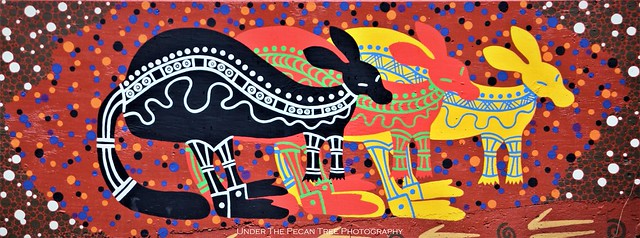
Around 30 million years ago, the kangaroo’s ancestors arrived in the Australian rainforests. According to historians, they may have developed from possum-like animals that lived solely in trees. These little creatures made their way to the ground and eventually became the first kangaroos. As the grasslands grew more prominent, so did the kangaroo species. These kangaroos evolved more and more diversified throughout time, finally developing into the red kangaroos we saw on this day, three million years ago.
We have similar-looking red and gray kangaroos, the wallaby, the musky-rat kangaroo, and others mistakenly called kangaroos. Technically, scientists categorize all these as ‘macropods,’ which means ‘big feet.’ Kangaroo, an Aboriginal name, is often used to refer to various animals of this family, not just the hop-happy ones we are familiar with. Scientifically, however, only two can be kangaroos by the narrowest definitions, the fast-hopping red and gray-colored kangaroos.
Why do these large marsupials hop, a locomotion technique seen only in smaller animals? Scientists can only theorize the answer. Presently, three ideas dominate: Kangaroos adopted this mechanism to effectively escape predators; apparently, rodents that can hop are twice as likely to escape their predators as those that run. They started hopping because these animals needed their arms free to forage for food. It might have simply been faster and more effective for kangaroos to move this way, especially in the deserts of Australia, where water and food take more effort to find.
: https://nationaltoday.com/national-kangaroo-awareness-day/

 Under The Harvest Moon