2025 · The Night Sky

The Full Harvest Supermoon In October 2025

The Full Harvest Moon

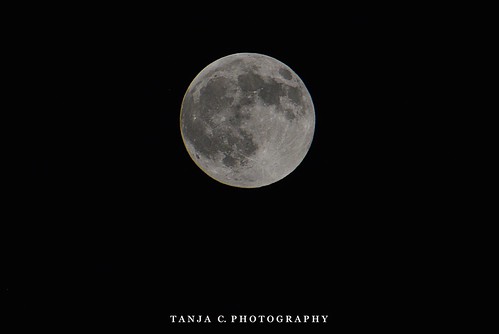
This isn’t just any Moon—it’s the first of three Supermoons in 2025, making it the largest and brightest full Moon of the year. Rising low on the horizon, it will appear bigger, brighter, and more golden than any other Moon this year, casting long, glowing light across autumn fields, landscapes, and evening skies. Gardeners, photographers, and stargazers alike will find it a sight to remember.

Because it is a Supermoon—occurring when the Moon is at perigee, its closest point to Earth—it will appear noticeably larger and brighter than a typical full Moon. The Harvest Moon is the full Moon closest to the autumnal equinox (September 22 or 23). Unlike other full Moons, it rises about the same time for several nights, providing extended evening light. Historically, this extra illumination helped farmers complete their harvests before fall frosts.

:https://www.almanac.com/content/full-moon-october

🌑🌒🌓🌔🌕🌖🌗🌘🌑

2025 · National Day Calendar

National Mad Hatter Day 2025

Mad Hatter

The fictional character, The Hatter (also known as The Mad Hatter) from Alice’s Adventures in Wonderland, typically acts silly, and that is how the creators of this day decided on their theme of silliness for National Mad Hatter Day. Sir John Tenniel illustrated The Mad Hatter and all of Lewis Carroll’s colorful characters beginning in 1864. Alice’s Adventures in Wonderland was first published in 1865.

Taking our inspiration from The Mad Hatter (or any of Carroll’s characters for that matter), we may pursue laughable, absurd, or even confusing adventures on National Mad Hatter Day. Breakout from the usual routine. Ask ridiculous riddles much like The Hatter’s own, “Why is a raven like a writing desk?” Play croquet with plastic pink flamingos or wear a funny hat to work. Celebrate the day with silliness!

: https://www.nationaldaycalendar.com/national-day/national-mad-hatter-day-october-6

2025 · National Day Calendar

National German-American Day 2025

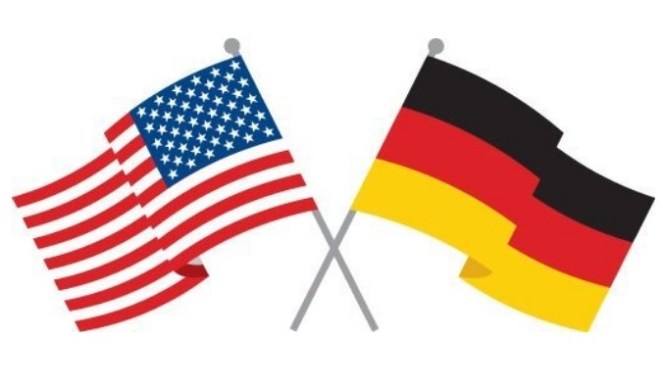
October 6 is National German-American Day in the United States to celebrate the German heritage millions of Americans claim in our country. This German-American heritage holiday commemorates the 13 German Mennonite families from Krefeld who landed in Philadelphia. On October 6, 1683, these families established the first German settlement in the original thirteen colonies. They named it Germantown.

National German-American Day was initially celebrated in the nineteenth century. However, it fell out of favor during World War I. Then in the 1980s, things began to change. As is tradition, President Ronald Reagan made his world tour in 1982, which included West Germany. Amid a cold war and a divided Germany, the newly elected U.S. President spoke to the people of Bonn. He opened his speech by relating the history of the 13 German families who founded a colony on American soil. He spoke of contributions, advancement, science, and art and the honor of celebrating the German heritage that more than 7 million Americans claim.

To honor the 300th anniversary of German-American immigration and culture into the United States, in 1983, President Ronald Reagan proclaimed October 6th as German-American Day. It was on August 6, 1987, that Congress approved S.I. Resolution 108, designating October 6, 1987, as German-American Day, and it became Public Law 100-104 when President Reagan signed it on August 18. He issued Proclamation #5719 on October 2, 1987, and at this time, the President called on Americans to observe the day with appropriate ceremonies and activities. It has been commemorated each year since with Presidential Proclamations. 

: https://www.nationaldaycalendar.com/national-german-american-day-october-6