
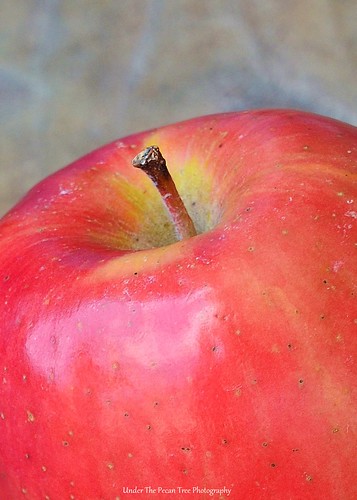
Apples have been around for nearly 10,000 years. Not only are they a common fruit to consume, but apples have also been highly involved in cultural contexts. Originating from the Malus sieversii species in the mountains of Kazakhstan, the earliest apples were wild and pretty unpleasant to consume. These were very different from the delicious modern domesticated apples — the Malus domestica — that we know today.
Through domestication and globalization, over time, apple varieties became more civilized and better for consumption — so much so that they have been eaten as dessert in China for more than 2,000 years! As apples traveled along the Silk Route and eventually made their way around the world, apple cultivation was on the rise. With an emphasis on the fruit’s size, color, firmness, and acidity, grafting was widely used to conduct optimal breeding. The cultivars — cultivated apples — were originally stored in frostproof cellars by farmers. However, as apples became one of the leading fruits of the multibillion-dollar industry, advancements were made in their storage. In the 1960s, the U.S. used the first-ever controlled atmosphere storage facility designed for apples.
Not only have apples been integral to the food industry, but they have also been a central character in several cultural contexts. This hasn’t all been positive, though. Literary texts around the 16th century started to mention the apple as the Forbidden Fruit that Adam and Eve ate. Famous painters of the time hopped onto this rumor as they showed Adam and Eve resting under apple trees. Even Disney played a part in the apple’s bad rap with the Poisoned Apple in “Snow White and the Seven Dwarfs.” That being said, being an apple also has its pros. It is considered the Fruit of Knowledge, it is essential for a Thanksgiving dessert spread, and it is arguably the star of fall (sorry, pumpkin). There is no better time to celebrate it than in October — National Apple Month.
 Under The Harvest Moon