🌳🍃🌲🍁🌳🍃🌲🍁🌳🍃🌲🍁🌳🍃🌲🍁🌳🍃🌲🍁🌳🍃🌲🍁🌳🍃🌲🍁🌳🍃🌲🍁🌳🍃🌲🍁
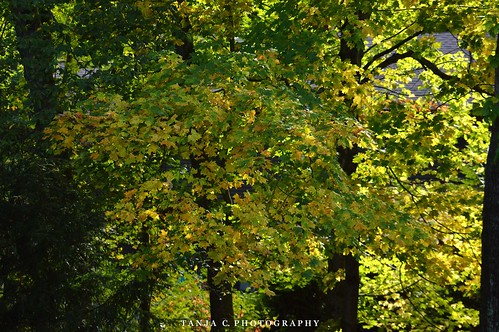

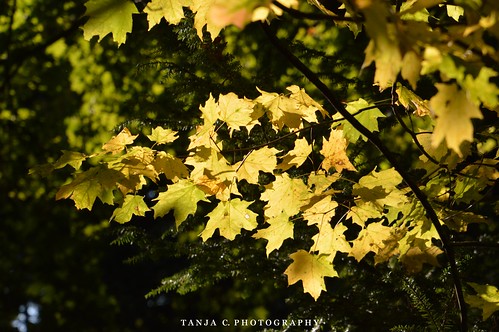
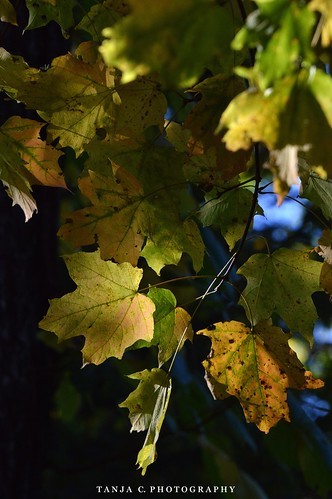
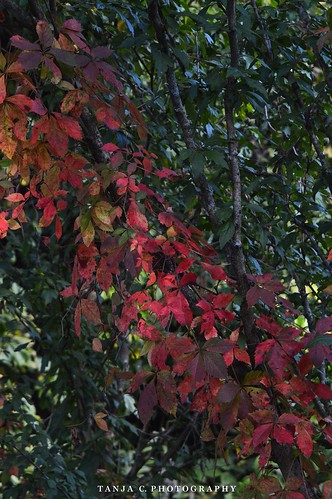
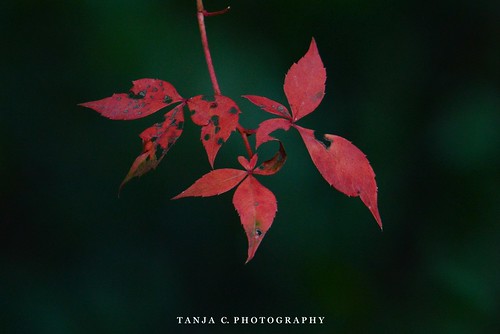
Autumn In Our Yard
🌳🍃🌲🍁🌳🍃🌲🍁🌳🍃🌲🍁🌳🍃🌲🍁🌳🍃🌲🍁🌳🍃🌲🍁🌳🍃🌲🍁🌳🍃🌲🍁🌳🍃🌲🍁
A Texas city girl in a small New England town …

🌳🍃🌲🍁🌳🍃🌲🍁🌳🍃🌲🍁🌳🍃🌲🍁🌳🍃🌲🍁🌳🍃🌲🍁🌳🍃🌲🍁🌳🍃🌲🍁🌳🍃🌲🍁
🌳🍃🌲🍁🌳🍃🌲🍁🌳🍃🌲🍁🌳🍃🌲🍁🌳🍃🌲🍁🌳🍃🌲🍁🌳🍃🌲🍁🌳🍃🌲🍁🌳🍃🌲🍁
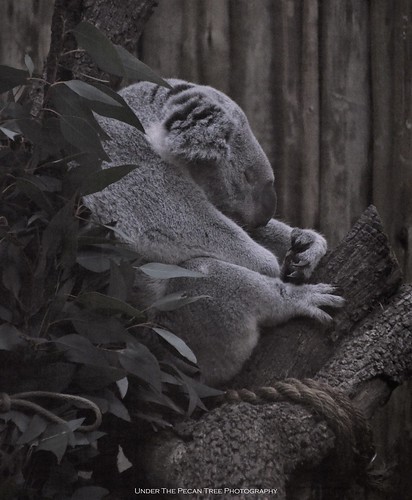
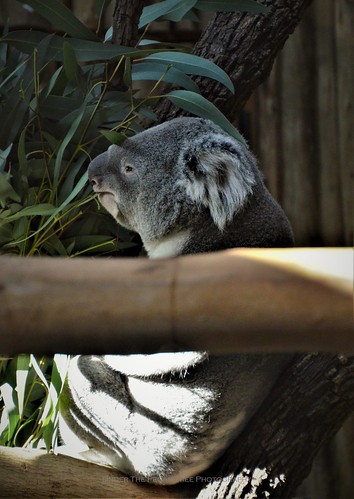
The Australian Koala Foundation, also known as AKF, started the Save The Koala Month celebrations as a part of its campaign dedicated to helping the koala population. The Australian Koala Foundation began its own noble journey in 1986 under the guidance of two veterinary doctors and the direction of Deborah Tabart. The foundation aims to save the wild koalas by protecting and managing their habitat. They organize an annual campaign to raise awareness of the threats to the koalas and raise funds to continue with their objective.
In 2012, the wild koala was listed as ‘vulnerable to extinction,‘ under the EPBC Act of the Australian Law. This happened only after the Australian Koala Foundation persistently lobbied for the grant of special status to the vulnerable koala population. A senate inquiry led the way, and Deborah Tabart attended each senate hearing and oversaw approximately a hundred submissions — the resultant report was a conclusive indictment of the government’s failure in protecting one of Australia’s most popular icons, the koalas. However, the listing did not prove to be enough. Sadly, for the koalas and for those who care, Australia continues to downplay the immediate attention that koala conservatorship needs. The Australian Koala Foundation is now demanding a Koala Protection Act, similar to the Bald Eagle Act (enacted in 1942). The aim is to implement the act into Australian law for guaranteed protection in the years to come. The Koala Army works tirelessly at all levels of the government to encourage the implementation of the Koala Protection Act.
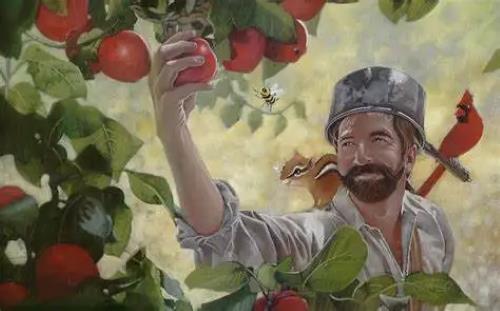
John Chapman was better known as Johnny Appleseed. During his life, he became an American legend. Chapman was a leader in conservation and was recognized for the value he placed on apples. He was known as a pioneer nurseryman. Chapman spent quite a bit of time traveling to pursue his profession. Some believe that he randomly planted apple trees. Everything Chapman did was actually based on providing an economic benefit. He would travel around and establish apple nurseries. After several years, Chapman would return years later when the trees had matured. He would then sell the orchards and all the land surrounding them.
John Chapman, aka Johnny Appleseed, didn’t randomly spread apple seeds wherever he went. He worked to carefully plant apple nurseries rather than apple orchards. Chapman would build fences around them to protect the plants from livestock. The nurseries created by Chapman were left to be cared for by neighbors. They would eventually be able to sell the trees on shares as payment for their time. Chapman would then return every two years to take care of the nursery. His first nursery was planted near Warren, Pennsylvania. Many of the nurseries he created were in an area located in north-central Ohio near the Mohican River.
:https://owlcation.com/humanities/Behind-the-Legend-of-Johnny-Appleseed
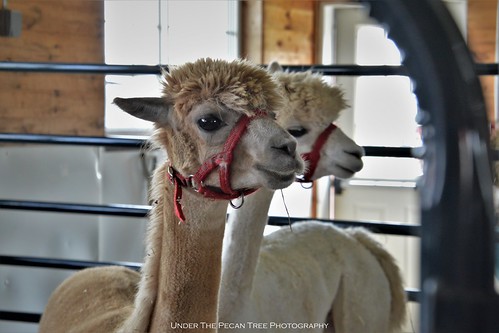
Alpacas are native to South America and a part of the camelid family. They have been domesticated for more than 9,000 years and have proven their use as animals of burden and agriculture. Their soft, padded feet do not damage pastures, and the lack of front teeth makes them excellent grazers. In 2014, the Alpaca Owners Association established Alpaca Day to educate the public about alpacas and their role in our daily lives.
Each year, the Alpaca Owners Association hosts events all over the U.S.A. in cooperation with farm members to educate people about the alpaca farm industry. Attendees get the opportunity to meet alpacas and learn about alpaca products. Awareness is also raised on how alpacas contribute to the environment and help with greener farms. The Alpaca Owners Association also lets those interested get involved in the Alpaca farm lifestyle.
Because the industry of alpaca farming is still slowly developing in various parts of the world, every year, new themes are introduced to Alpaca Day. But the United States is not the only country that celebrates these adorable animals! Days dedicated to alpacas are also celebrated as New Zealand’s National Alpaca Day on May 2, Peru’s National Alpaca Day on August 1, and National Alpaca Farm Day in the United States, also on September 26. You can safely say that alpacas are loved by people across the world! Alpaca Day is the perfect combination of raising awareness about the animals and conservation of wildlife, as well as spending time with these adorable animals.


 Under The Harvest Moon