⛵☀⛵☀⛵☀⛵☀⛵☀⛵☀⛵☀⛵☀⛵☀⛵☀⛵☀⛵☀⛵☀⛵☀⛵☀⛵☀⛵☀⛵☀

Today is the last day of the astronomical Summer.
⛵☀⛵☀⛵☀⛵☀⛵☀⛵☀⛵☀⛵☀⛵☀⛵☀⛵☀⛵☀⛵☀⛵☀⛵☀⛵☀⛵☀⛵☀
A Texas city girl in a small New England town …

⛵☀⛵☀⛵☀⛵☀⛵☀⛵☀⛵☀⛵☀⛵☀⛵☀⛵☀⛵☀⛵☀⛵☀⛵☀⛵☀⛵☀⛵☀
⛵☀⛵☀⛵☀⛵☀⛵☀⛵☀⛵☀⛵☀⛵☀⛵☀⛵☀⛵☀⛵☀⛵☀⛵☀⛵☀⛵☀⛵☀
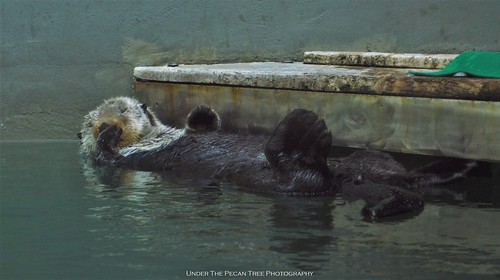
Sea Otter Awareness Week celebrates a small and underrated creature. Otters have been around for centuries before us. They date back to the Miocene age, roughly five to 23 million years ago. If you look beyond their cuteness, you’ll see an animal essential for our survival. Otters are keystone species that have a significant role to serve. They create a balance in the ecosystem by controlling the sea urchin population. This is especially essential as sea urchins overfeed on kelp and have destroyed much coastal kelp. Maintaining kelp forests reduces the effects of climate change, reducing carbon dioxide.
The International Fur Seal Treaty of 1911 saved sea otters from extinction by banning the hunting of sea otters and other keystone species, though their population continued to fluctuate throughout the years. In 1977, sea otters were listed in the Endangered Species Act, but conservation groups, such as the Defenders of Wildlife (founded in 1947), played a great role in the recovery process. In 2006, Defenders of Wildlife aided in establishing the California Sea Otter Fund, allowing taxpayers to donate to the cause.
Sea otters have since recovered due to the advocacy of wildlife conservation groups and government intervention, but the effects of overhunting sea otters are still felt. Sea otters continue to face challenges. Their main threats are man-made: oil spills, fishing gear entanglement, vessel strikes, and habitat degradation due to pollution and global warming.
🦒🐘🦒🐘🦒🐘🦒🐘🦒🐘🦒🐘🦒🐘🦒🐘🦒🐘🦒🐘🦒🐘🦒🐘🦒🐘🦒🐘🦒🐘🦒🐘🦒🐘🦒🐘





🦒🐘🦒🐘🦒🐘🦒🐘🦒🐘🦒🐘🦒🐘🦒🐘🦒🐘🦒🐘🦒🐘🦒🐘🦒🐘🦒🐘🦒🐘🦒🐘🦒🐘🦒🐘
 Under The Harvest Moon