2025 · Autumn · DIY

Dollar Tree DIY Autumn Mason Jar Shelf Sitter (1)

πŸƒπŸ‚πŸπŸƒπŸ‚πŸπŸƒπŸ‚πŸπŸƒπŸ‚πŸπŸƒπŸ‚πŸπŸƒπŸ‚πŸπŸƒπŸ‚πŸπŸƒπŸ‚πŸπŸƒπŸ‚πŸπŸƒπŸ‚πŸπŸƒπŸ‚πŸπŸƒπŸ‚πŸ

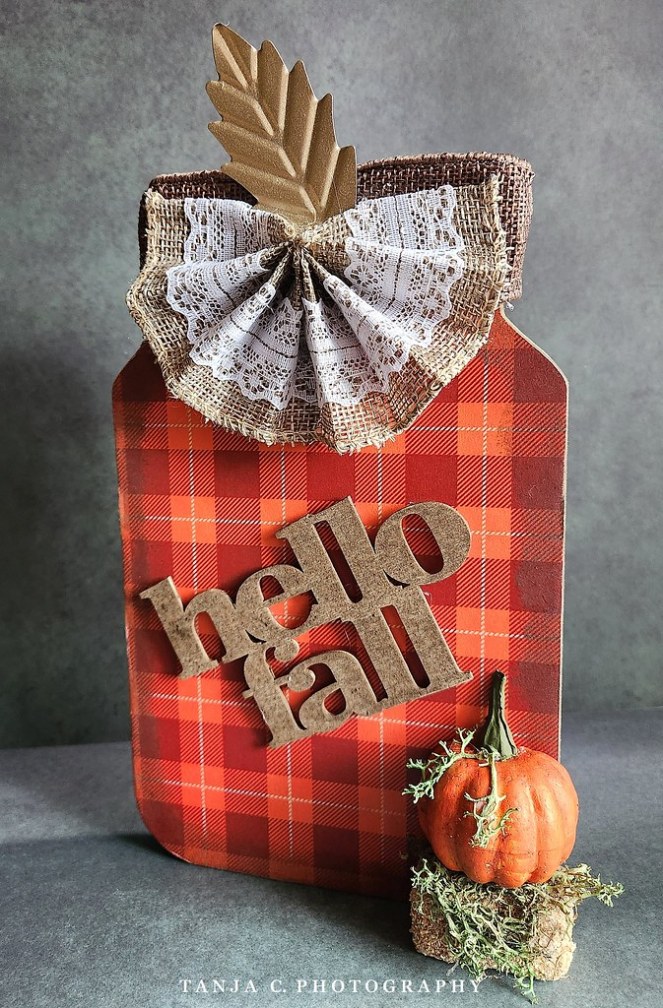
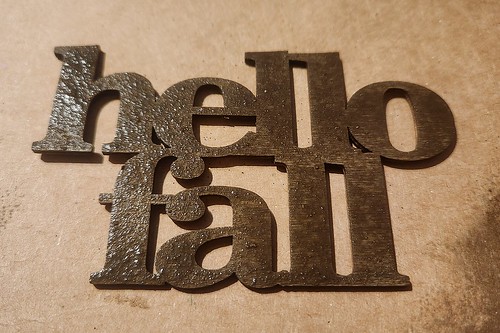
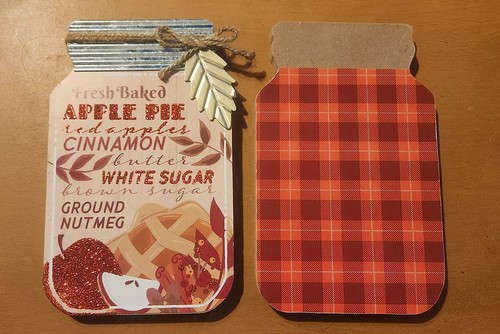
For my DIY Autumn Shelf Sitter, I used one of those wood-pressed Mason Jars. I removed the original paper sign, galvanized metal, and bow before I sanded the “jar”. I cleaned it of the sanding dust and glued on the plaid scrapbook paper. Once the glue had dried. I sanded off the edges of the paper. For a nicer edge, I used antique wax on the sides of the “Mason Jar” and the “Hello Fall” wooden cutout sign. I waited a day to let the wax dry thoroughly.

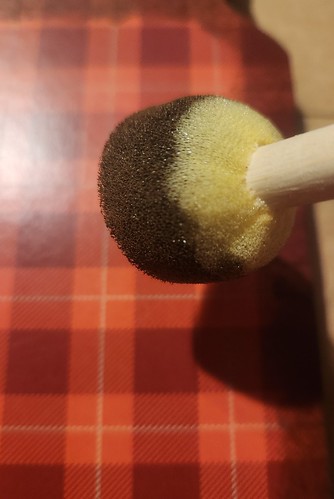
The following day, I cut a styrofoam pumpkin in half and painted it with matte red, orange, and yellow from Folkart and Apple Barrel. And as a finish, I painted it with some gold. To bring out the ribs of the pumpkins, I painted the creases with antique wax. I also painted the stem for a more natural look. For all that, I used a thin brush.

In the meantime, I hot-glued the tie, bow, galvanized leaf, and “Hello Fall” sign to the “jar”. Since the pumpkin had some blemishes, I used some moss to cover them up. It worked perfectly sitting on the haybale. When I added the pumpkin on the haybale to the sign, I noticed that the shelf sitter can stand perfectly by itself. So, I didn’t have to add anything else. Usually, I glue a wood block for stability in the back. But it is not necessary, this time.
πŸƒπŸ‚πŸπŸƒπŸ‚πŸπŸƒπŸ‚πŸπŸƒπŸ‚πŸπŸƒπŸ‚πŸπŸƒπŸ‚πŸπŸƒπŸ‚πŸπŸƒπŸ‚πŸπŸƒπŸ‚πŸπŸƒπŸ‚πŸπŸƒπŸ‚πŸπŸƒπŸ‚πŸ

2025 · National Day Calendar

Constitution Day & Citizenship Day 2025

The American Constitution

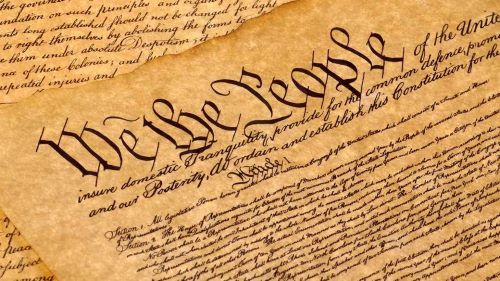
After the American Revolution freed the American colonies from British rule, the Founding Fathers sought to ensure that the new government would not abuse its power. At the 1787 Constitutional Convention, delegates from twelve of the thirteen new states gathered to draft the document that would serve as the basis of all future U.S. law. The Constitution establishes three branches of government with equal powers, creating a system commonly referred to as β€œchecks and balances.” Each branch has the power to mitigate the others. Powers not assigned to one of the three branches are left to the individual states.

Delegates at the Convention had two options for setting up the framework of the new legislative branch. The Virginia Plan, predictably supported by larger states, called for representation based on population. The competing New Jersey Plan called for equal representation for each state. The two-house solution known as the Great Compromise combines aspects of both plans and is still in use today. The Constitution also outlines the responsibilities and powers of the judicial and executive branches, how the President is elected, and other nitty-gritty details.Β 

The Founding Fathers recognized that society evolves and that the Constitution would require a mechanism for making changes. However, they wanted to ensure that making changes would require agreement from a large number of states. A proposed amendment must be ratified by three-fourths of the states to alter the Constitution.Β In 1940, Congress and the President passed a resolution creating β€œI Am an American Day,” observed on the third Sunday in May. In 1952, the holiday was renamed to β€œConstitution Day” and moved to September 17, the day in 1787 that the Constitution was signed. More than 50 years later, in 2004, Congress changed the name to Constitution Day and Citizenship Day.

: https://nationaltoday.com/constitution-day/

2025 · Wildlife Wednesday

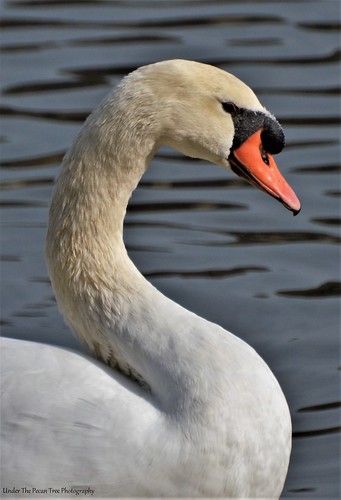
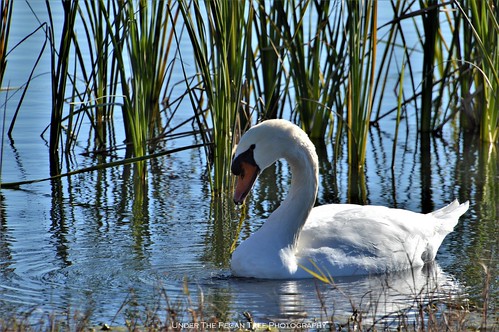
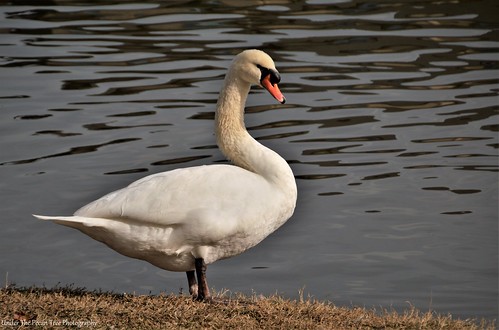
Mute Swan (Cygnus olor) πŸ¦’

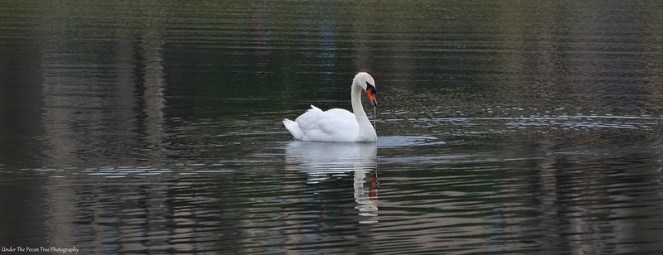
The exotic Mute Swan is the elegant bird of Russian ballets and European fairy tales. This swan swims with its long neck curved into an S and often holds its wings raised slightly above its back. Although they’re numerous and familiar in city parks and in bays and lakes in the Pacific Northwest, Great Lakes, Northeast, and Mid-Atlantic, Mute Swans are not native to North America. Their aggressive behavior and voracious appetites often disturb local ecosystems, displace native species, and even pose a hazard to humans.

Mute Swans were first brought to North America to decorate ponds and lakes in towns and cities, and that’s still the best place to find these familiar waterfowl. You may also find them on shallow wetlands, lakes, rivers, and estuaries within the scattered range where they’ve become established in the wild.

: https://www.allaboutbirds.org/guide/Mute_Swan/overview#