
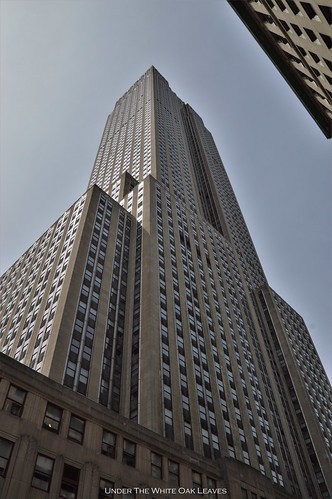
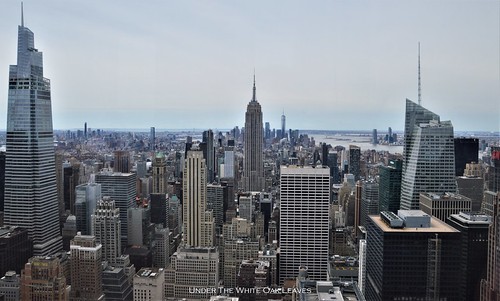
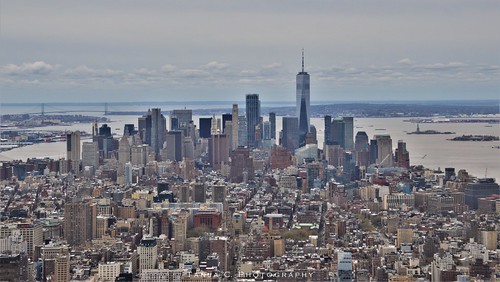
Skyscrapers have become pretty commonplace in modern times, and Skyscraper Day is our golden opportunity to appreciate these architectural marvels and feats of engineering. Skyscrapers grace our big cities with their bold presence, defining our skylines with mighty buildings that literally seem to scrape the sky. But skyscrapers have only been around for about 130 years. The world’s first skyscraper was completed in 1885 in Chicago, and it stood only 138 feet tall, a mere 10 stories that would not even be considered a skyscraper today. But the name stuck, and initially, any building that towered high over the surrounding structures was dubbed a skyscraper. Over time, our ability to engineer and construct skyscrapers improved drastically, and now a building must have at least 40 floors to be classified as a skyscraper at all. In crowded urban areas where land space is at a premium, skyscrapers allow us to build upwards rather than outwards, converting a single allotment of land area into 40 or more floors of potential living space.
 Under The Harvest Moon