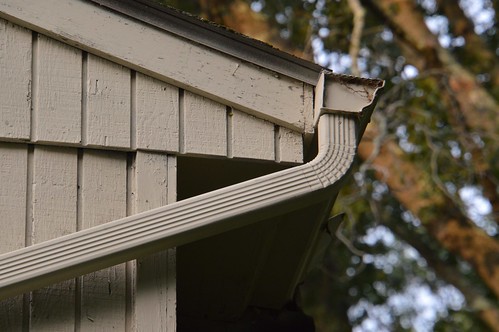
This Summer we will work on a new house project. We needed new soffits, fascias, and gutters. The soffits started to show signs of rotting, which was due to the overflowing gutters, especially during heavy rainstorms and winter storms. It eventually affected the roof rafters.
Yesterday, Power Home Remodeling came over and installed the soffits, fascia, and gutters. This is just Phase I. In Phase II, we will get new bottom windows and a sliding glass door.
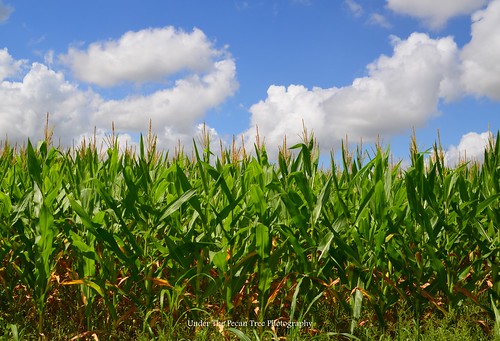
In the colonial era, most farmworkers were indentured servants from Great Britain. They were white men and women, and even children, who exchanged four to seven years of hard labor for passage to the colonies. Some of these workers were recruited through force and were treated as property, with limited rights. They lived in miserable conditions of servitude and abuse.
By the 1600s, indentured servants weren’t plentiful enough, so plantation owners turned to an even crueler method of workforce recruitment: the forced capture of Africans to be converted into slaves. These slaves had almost no promise of eventual freedom, as no fixed period of enslavement was arranged. African slaves became the primary source of farm labor in the colonies over the next two centuries. By the end of the American Revolution, 20% of the population in the 13 colonies was of African descent, the majority of whom were slaves. In 1808, Congress banned the international slave trade, but not the practice of slavery itself.
California became a major agricultural center after the Civil War in the United States. In the aforementioned state, farm labor was mostly imported from Asia. The immigrant labor force had begun to shift to Mexico by the 1930s. During World War II, due to a labor shortage, the Bracero Program was initiated. This program allowed Mexicans to work temporarily on U.S. farms. It ended in 1964, although Latin American legal and illegal immigrants continue to make up the vast majority of the U.S. agricultural workforce.
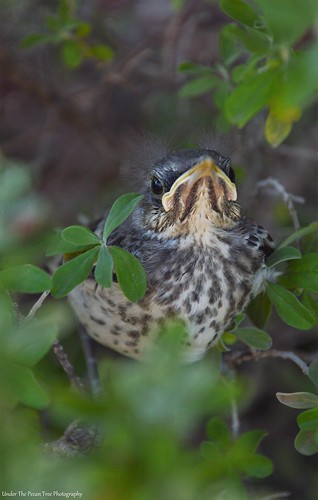
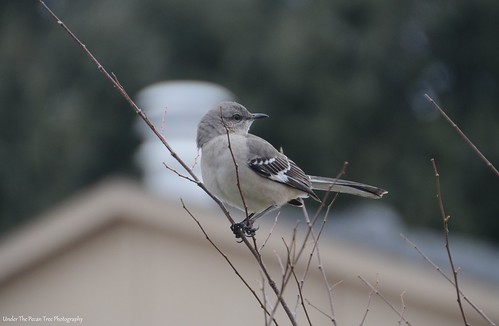
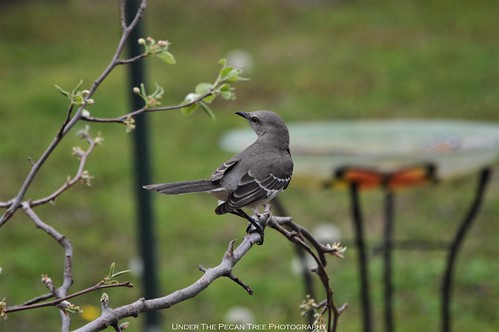
Mockingbirds are one of the most commonly noticed birds in the state of Texas. They are either applauded for their audaciousness or cursed for their persistence in nocturnal singing or in the defense of their territory. Insects, fruit, crustaceans, and small vertebrates make up the mockingbird’s diet. The fact that they enjoy fresh fruits and vegetables hasn’t exactly made them gardeners’ friends either, although they do eat lots of insects.
Mockingbirds are found in just about every habitat type in the state. The males’ territoriality and constant singing and displaying during the breeding season make them the most noticeable birds in Texas. Often, this territoriality takes the form of early morning singing sessions or diving attacks on other animals or people!
Unmated male mockingbirds sing more than mated ones, and only unmated males sing at night. Both sexes sing in the fall to claim winter feeding territories. These areas are often different than their spring breeding territories. Mockingbirds mimic 50 other bird songs. They have also been known to imitate other sounds they hear, such as rusty hinges, whistling, cackling hens, and dogs barking so expertly that even an electronic analysis could not tell the difference between the mockingbird and the original. Scientists have found that female mockingbirds are attracted to males that can make the most different sounds.








 Under The Harvest Moon