
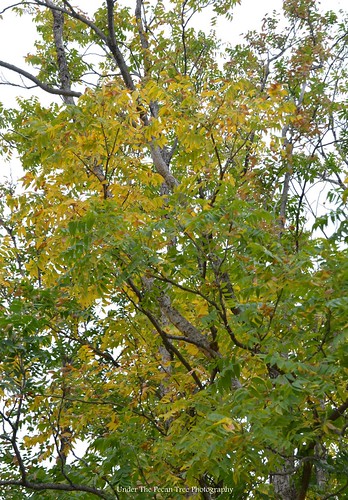
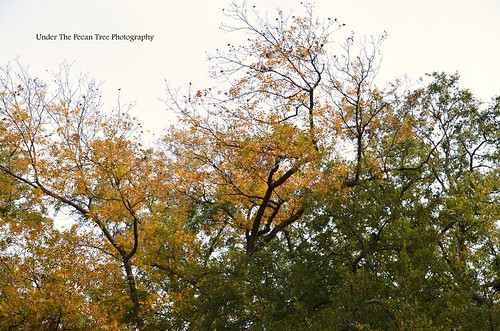
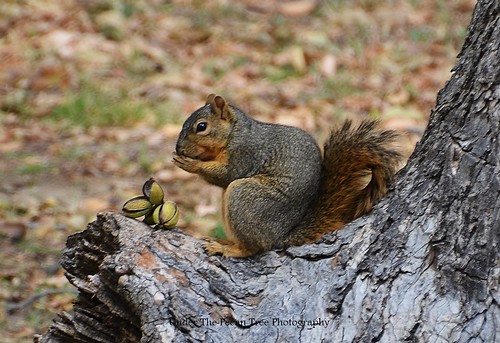
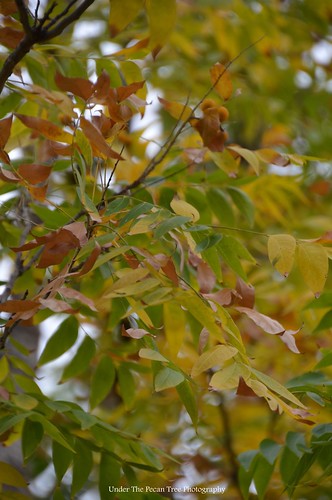
The pecan is a member of the Juglandaceae family. Juglandaceae are represented worldwide by seven and ten extant genera and more than 60 species. Most of these species are concentrated in the Northern Hemisphere of the New World, but some can be found on every continent except Antarctica. The first fossil examples of the family appear during the Cretaceous. Differentiation between the subfamilies of Engelhardioideae and Juglandioideae occurred during the early Paleogene, about 64 million years ago. Extant examples of Engelhardioideae are generally tropical and evergreen, while those of Juglandioideae are deciduous and found in more temperate zones.
The second major step in the development of pecan was a change from wind-dispersed fruits to animal dispersion. This dispersal strategy coincides with developing a husk around the fruit and a drastic change in the relative concentrations of fatty acids. The ratio of oleic to linoleic acids is inverted between wind- and animal-dispersed seeds. Further differentiation from other species of Juglandaceae occurred about 44 million years ago during the Eocene. The fruits of the pecan genus Carya differ from those of the walnut genus Juglans only in the formation of the husk of the fruit. The husks of walnuts develop from the bracts, bracteoles, and sepals. The husks of pecans develop from the bracts and the bracteoles only.
 Under The Harvest Moon