
🌑🌒🌓🌔🌕🌖🌗🌘🌑
A Texas city girl in a small New England town …

🌑🌒🌓🌔🌕🌖🌗🌘🌑
🌻🌾🌞🌾🌻🌾🌞🌾🌻🌾🌞🌾🌻🌾🌞🌾🌻🌾🌞🌾🌻🌾🌞🌾🌻🌾🌞🌾🌻🌾🌞🌾🌻🌾🌞🌾


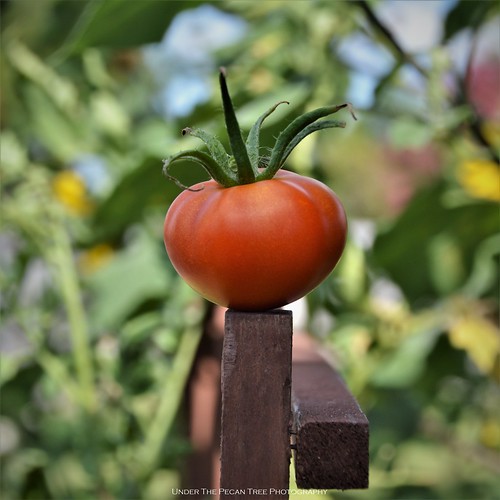

:https://www.instagram.com/witchytips/
🌻🌾🌞🌾🌻🌾🌞🌾🌻🌾🌞🌾🌻🌾🌞🌾🌻🌾🌞🌾🌻🌾🌞🌾🌻🌾🌞🌾🌻🌾🌞🌾🌻🌾🌞🌾
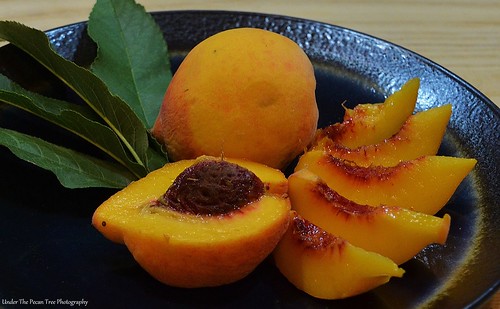
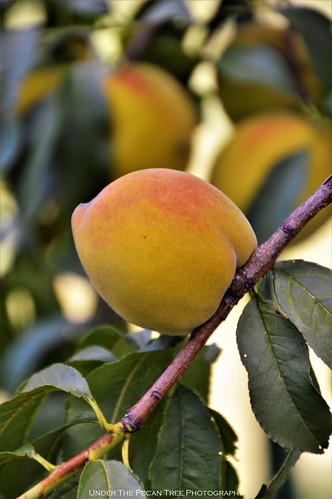
Let peach be your theme, and may your days be just peachy as you gear up to celebrate National Peach Month this August. The tradition dates back to June 16, 1982, when President Ronald Reagan declared that August would officially be National Peach Month for health and nutritional reasons, no less, which we highly appreciate. Peaches are a rich source of Vitamin A and C and great for the gut too, so it makes perfect sense that President Reagan wanted them to be included in the American diet by promoting peaches through programs and activities all through the month; for there is much to celebrate in a month dedicated to peaches and all that is associated with them. Within this month itself, one can celebrate Eat a Peach Day on August 22 and National Peach Pie Day on August 24, and who doesn’t love a good food holiday? But before you reach for a slice of peach pie or sink your teeth into the fleshy goodness of the fruit itself, take a minute to learn something new about this mouth-watering fuzzy fruit.
The history of the peach can be traced all the way back to ancient China, in 6000 B.C., in the Zhejiang Province. Initially discovered in its wild form, the Chinese domesticated the fruit, and it became a luxury food, eaten by the emperors and served in royal circles only. Somehow, the Persians then got hold of it, and it spread to the Persian Empire, with the Romans terming it the Persian Apple. Thanks to Alexander the Great, Europe then got a taste of this fleshy fruit, and by the 1500s, so did America, as Spanish explorers like Christopher Columbus introduced the fruit on American shores.
Today, China is actually the biggest producer of peaches globally (58%), with Italy following a close second. As for America, peaches are actually the third most popular fruit grown in the nation, and the U.S. supplies about a quarter of the world’s total supply of fresh peaches.
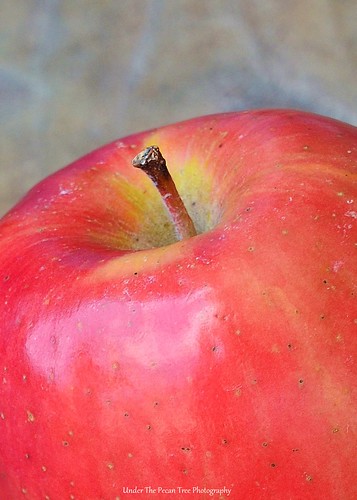

If the “summer-ending-and-school-starting” ritual makes you anxious, then participate in Back to School Month this August — an event that helps parents, students, and teachers prepare for the new academic year. Celebrated since the 1960s, Back to School Month will motivate you to start your back-to-school shopping and get you excited overall. So put away the beach bag and pick up the backpack, because it’s time for Back to School Month events —and we want you to get an “A” for participation.

American Adventures Month was founded by its spokesperson, American adventurer Peter Kulkkula. He founded the month as a way of promoting vacationing in the Americas. Kulkkula hoped that the month would encourage explorers to visit the vast landscapes of not just the United States, but also North, South, and Central America. We often take for granted the numerous activities and adventures that can be pursued in the wonderful country, and American Adventures Month aims to rectify that.
Since we remain busy with work and family for most of the year, everyone needs a vacation once in a while to relieve themselves from the daily stress of life. Adventure and travel encourage creativity, endurance, fun, and play within yourself and your travel companion. August is the perfect month to plan your next vacation adventure. Take some time off, enjoy the outdoors, and see for yourself what America has to offer.
Travel isn’t only a way of having fun — it broadens your perspectives, challenges you to try something new, and also makes you appreciate your own culture and people. You don’t always have to spend a lot of money or travel to a new country to explore new territory. If you cannot get away to see a different part of America, you can still do something fun and adventurous in your own town. August marks the last chance to get away before the end of the summer, thus making it the perfect time to seek excitement, a quiet space, or simply learn something new.
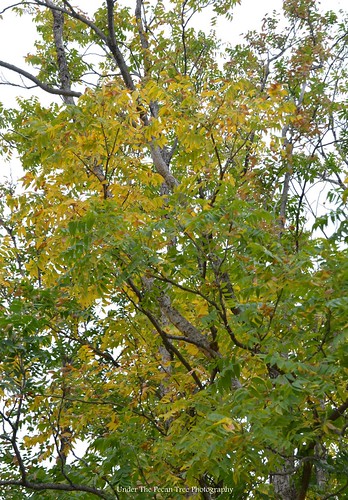
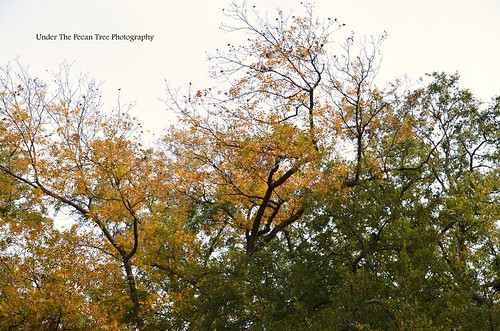
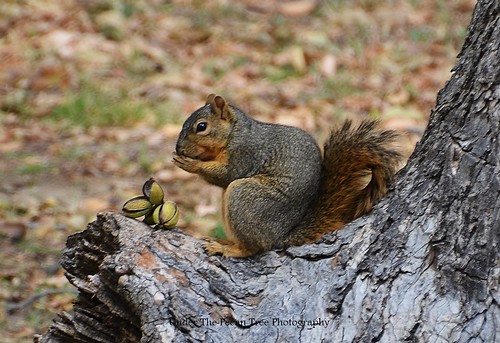
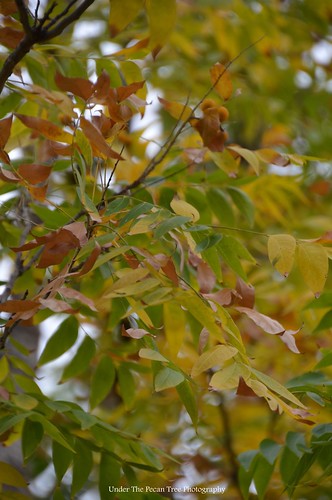
The pecan is a member of the Juglandaceae family. Juglandaceae are represented worldwide by seven and ten extant genera and more than 60 species. Most of these species are concentrated in the Northern Hemisphere of the New World, but some can be found on every continent except Antarctica. The first fossil examples of the family appear during the Cretaceous. Differentiation between the subfamilies of Engelhardioideae and Juglandioideae occurred during the early Paleogene, about 64 million years ago. Extant examples of Engelhardioideae are generally tropical and evergreen, while those of Juglandioideae are deciduous and found in more temperate zones.
The second major step in the development of pecan was a change from wind-dispersed fruits to animal dispersion. This dispersal strategy coincides with developing a husk around the fruit and a drastic change in the relative concentrations of fatty acids. The ratio of oleic to linoleic acids is inverted between wind- and animal-dispersed seeds. Further differentiation from other species of Juglandaceae occurred about 44 million years ago during the Eocene. The fruits of the pecan genus Carya differ from those of the walnut genus Juglans only in the formation of the husk of the fruit. The husks of walnuts develop from the bracts, bracteoles, and sepals. The husks of pecans develop from the bracts and the bracteoles only.
🌻🌾🌞🌾🌻🌾🌞🌾🌻🌾🌞🌾🌻🌾🌞🌾🌻🌾🌞🌾🌻🌾🌞🌾🌻🌾🌞🌾🌻🌾🌞🌾🌻🌾🌞🌾
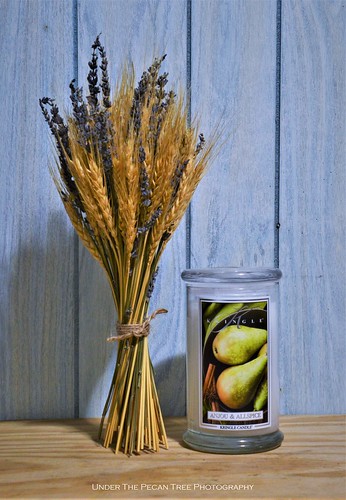


:http://www.earthspiritpath.org
🌻🌾🌞🌾🌻🌾🌞🌾🌻🌾🌞🌾🌻🌾🌞🌾🌻🌾🌞🌾🌻🌾🌞🌾🌻🌾🌞🌾🌻🌾🌞🌾🌻🌾🌞🌾
⛵☀⛵☀⛵☀⛵☀⛵☀⛵☀⛵☀⛵☀⛵☀⛵☀⛵☀⛵☀⛵☀⛵☀⛵☀⛵☀⛵☀⛵☀



◅◊▻
⛵☀⛵☀⛵☀⛵☀⛵☀⛵☀⛵☀⛵☀⛵☀⛵☀⛵☀⛵☀⛵☀⛵☀⛵☀⛵☀⛵☀⛵☀
Author: Carl Sandburg 1878 – 1967
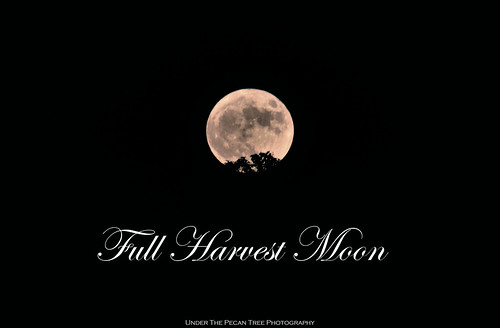
 Under The Harvest Moon